Hard Tech in an AI Town: What to Expect From a Deep Tech Marketing Agency in San Francisco
A deep tech marketing agency in San Francisco should help hard tech founders get noticed in a city where almost every pitch says "AI." Expect science literacy from the first call, animation that shows the physics behind your product, and founder-led content that keeps you visible during the years it takes to ship.
This guide explains why the Bay Area is the hardest place to be heard as a hardware founder, why SaaS growth agencies are the wrong fit, and what the right partner should deliver.
The Most Hard Tech Money in the World, and the Most Noise
The Bay Area has more capital and talent for hard tech than anywhere else.
- Chips: Tracxn lists 1,732 semiconductor startups in the Bay Area as of August 2026.
- Quantum: Palo Alto's PsiQuantum raised $1 billion at a $7 billion valuation in September 2025 to build million-qubit, fault-tolerant quantum computers.
- Research: Stanford, UC Berkeley, and Lawrence Livermore National Laboratory keep producing founders working on chips, photonics, and quantum hardware, often with university labs and national lab facilities a short drive away.
But the money is not spread evenly. In the first quarter of 2026, the San Francisco metro took 65.9% of all US venture dollars, according to the San Francisco Examiner, citing PitchBook and NVCA data.
Just four AI companies accounted for 91% of that San Francisco total: OpenAI, Anthropic, Databricks, and World Labs. Hard tech founders are competing for attention with some of the largest venture rounds in history.
You Can't Demo a Chip That Tapes Out Next Year
Software companies can show their product in a browser. An investor clicks a link, types a prompt, and gets the idea in 30 seconds.
Hard tech founders do not have that option. Your chip may not tape out until next year.
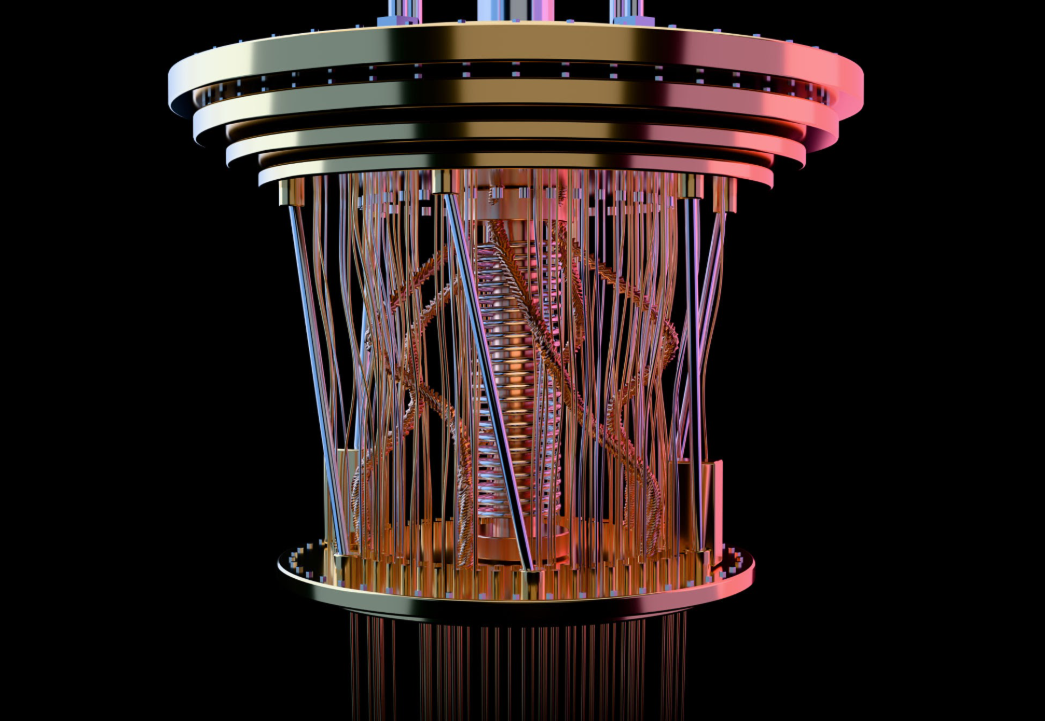
Your quantum processor sits in a cryostat cooled close to absolute zero. Your photonics breakthrough is invisible to the eye.
That creates a real marketing gap. If people cannot see what you are building, they default to the companies they can see. In San Francisco right now, that means AI software.
The answer is not louder marketing. It is clearer marketing that makes invisible hardware easy to understand.
Why SaaS Growth Agencies Are the Wrong Fit
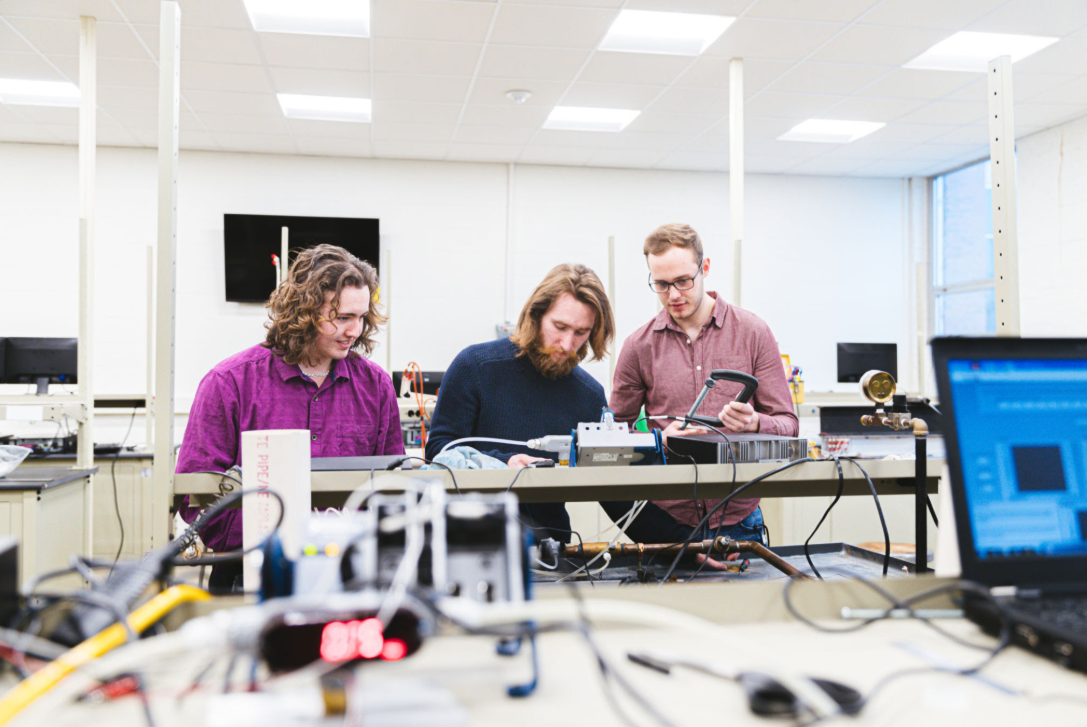
San Francisco is full of growth agencies, and most were built for SaaS. Their playbook works well for software with short sales cycles. It rarely works for hard tech.
Here is where the mismatch shows up:
- Funnels built for free trials, when your buyers sign multi-year contracts after long technical evaluations
- Monthly lead targets, when your real milestones are tape-outs, fab partnerships, and qubit fidelity results
- Generic ad creative, when your audience is engineers who notice every technical error
- Fast, trend-driven content, when one inaccurate claim can damage your credibility with investors and customers
Many SaaS agencies also hand technical content to generalist writers. The result reads smoothly to a marketer and wrong to an engineer, which is the audience you most need to impress.
A SaaS agency will try to make your company sound exciting. A deep tech agency will make it understood, which is what actually earns trust.
What Is a Deep Tech Marketing Agency?

A deep tech marketing agency turns complex science and engineering into content that investors, customers, and engineers can understand and trust. For hard tech companies, that usually means explainer animations, founder-led video, technical storytelling, and short clips built from conference talks and milestones.
It works on timelines measured in years, not sprints. The content has to stay accurate and useful from seed round to first customer. It also has to serve several audiences at once: investors who want progress, customers who want proof, and engineers deciding where to work.
What to Expect From the Right Agency
The right partner for a Bay Area hard tech company should deliver four things.
Science literacy from the first call
Your agency should understand your technology well enough to ask good questions. They do not need a PhD, but they should know the difference between a qubit and a photon, or an architecture and a process node.
If you spend the first month teaching your agency basic physics, they are the wrong fit. Ask what deep tech companies they have worked with and what they learned.
Animation that shows the physics
Animation is how hard tech companies show what cameras cannot capture. A 60-second explainer can show data moving through a chip, light traveling through a photonic circuit, or how a quantum processor runs a calculation.
Every animation should be reviewed by your engineers before anything is animated. The same animation can then support your website, pitch deck, sales calls, and recruiting for years.
Show limits as clearly as capabilities. Investors trust a company that is honest about what its prototype can and cannot do yet.
Founder-led content from Bay Area events
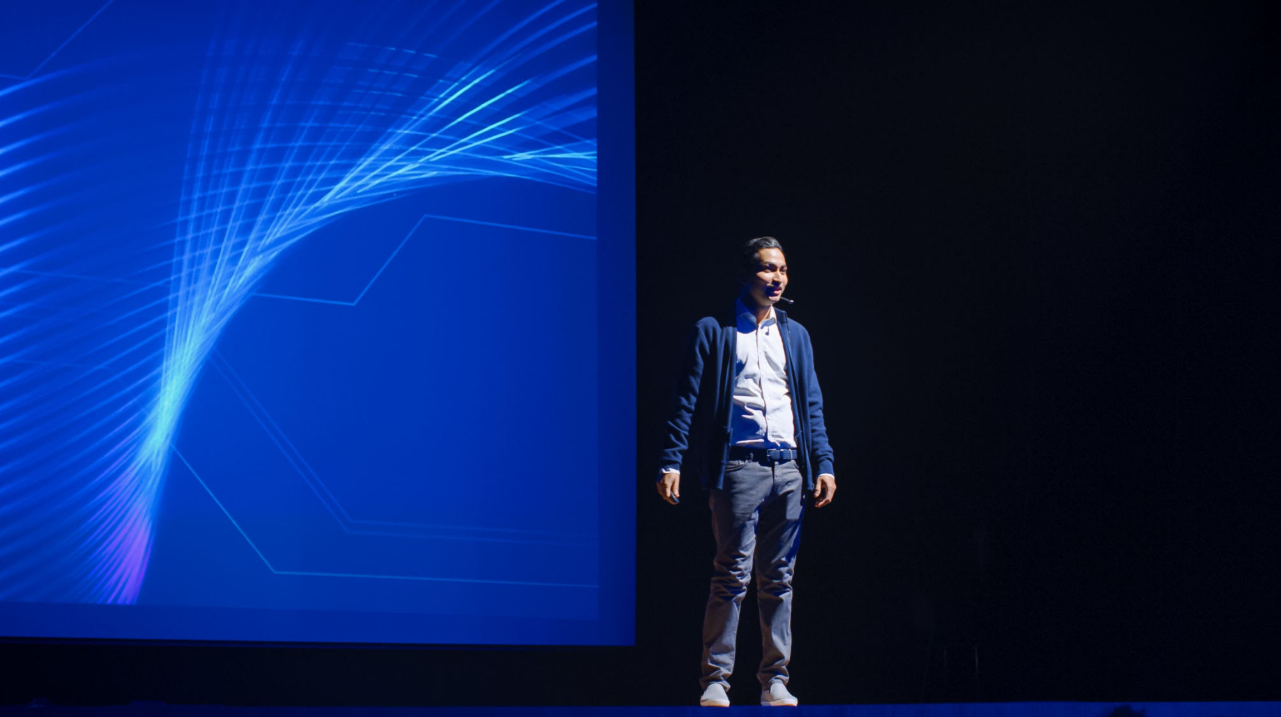
The Bay Area runs on events: conference talks, university demo days, and investor meetups. Each one is a chance to put your founder in front of the right people.
A strong agency films those talks and turns them into a month of short clips for LinkedIn and YouTube. One 20-minute talk can become a steady stream of credibility content. Our take on why founder-led video matters explains why this works.
A plan built for long timelines
Hard tech products take years to ship. Your marketing should build interest before the product exists, as we cover in our guide to building demand when your product doesn't exist yet.
That means planning content around milestones: funding rounds, tape-outs, pilot results, and key hires. Each milestone becomes proof of progress for investors and customers.
Recruiting content matters here too. Hard tech companies compete with AI labs for the same engineers, and a clear story about the problem you are solving helps you hire.
Questions to Ask Before You Hire

Use these questions to find out whether an agency fits a hard tech company:
- Can they explain your technology back to you after one call?
- Have they made animations of physical or scientific processes, not just app screens?
- Do they have engineers review content before it is produced?
- Can they turn one founder talk into many assets for different audiences?
- Do their reports track milestones, not just clicks and leads?
If an agency cannot answer these clearly, keep looking. A good partner will welcome the questions, because they are the same ones your investors and customers will ask.
Explore Our Bay Area Hard Tech Guides
Each Bay Area sector faces its own version of the AI attention problem. See our guides for semiconductor startups, quantum computing companies, San Francisco biotechs, and San Francisco climate tech.
Comparing hubs? Read our guides to choosing a deep tech marketing agency in Boston and a deep tech marketing agency in Seattle.
Make Your Hardware Visible Through the AI Noise

You can't screen-record a quantum processor or a chip that tapes out next year. You can animate it.
We build explainer animations that make your hardware legible to investors and customers, and we turn your founder's talks at Bay Area events into short-form content that cuts through the AI noise.
See our work in our case studies, then book a call to see what we would build for your company.

Frequently Asked Questions