Built in the Operating Room: Why NYC Neurotech Marketing Starts With Clinical Proof
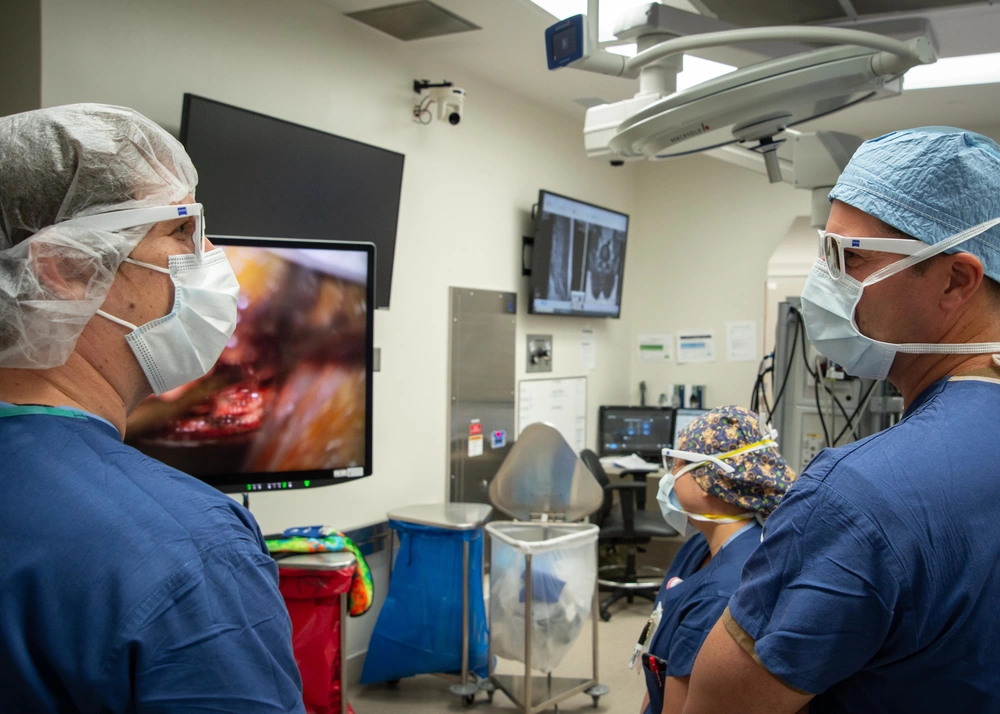
Neurotech marketing in NYC starts with clinical proof, not futuristic promises. New York's brain-computer interface companies are built next to some of the world's busiest hospitals, so their strongest story is the surgeons who use the device, the hospitals that trust it, and the clinical milestones it has passed.
This guide looks at how New York's BCI leaders are taking a different path than Silicon Valley, and how NYC neurotech and medtech founders can turn hospital proximity, surgeons, and milestones into content that builds trust.
New York's BCI Leader Took a Different Path
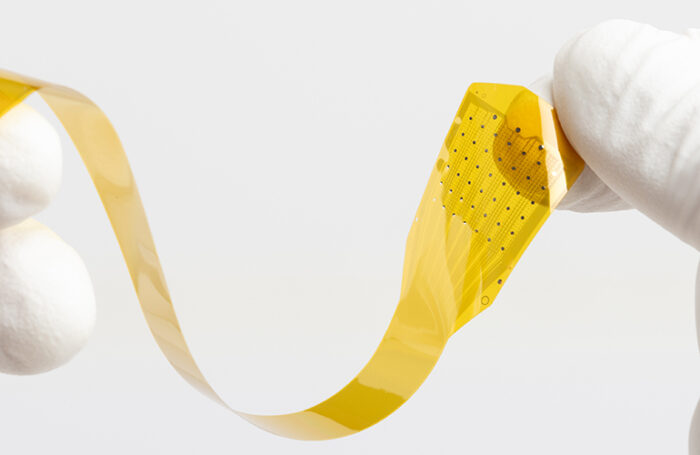
Precision Neuroscience, headquartered in New York City, builds the Layer 7 Cortical Interface. It is a thin film of 1,024 electrodes that rests on the surface of the brain instead of penetrating brain tissue.
In April 2025, Layer 7 received FDA 510(k) clearance for implantation of up to 30 days. That lets hospitals use it for recording, monitoring, and stimulating brain activity, including mapping the brain during surgery.
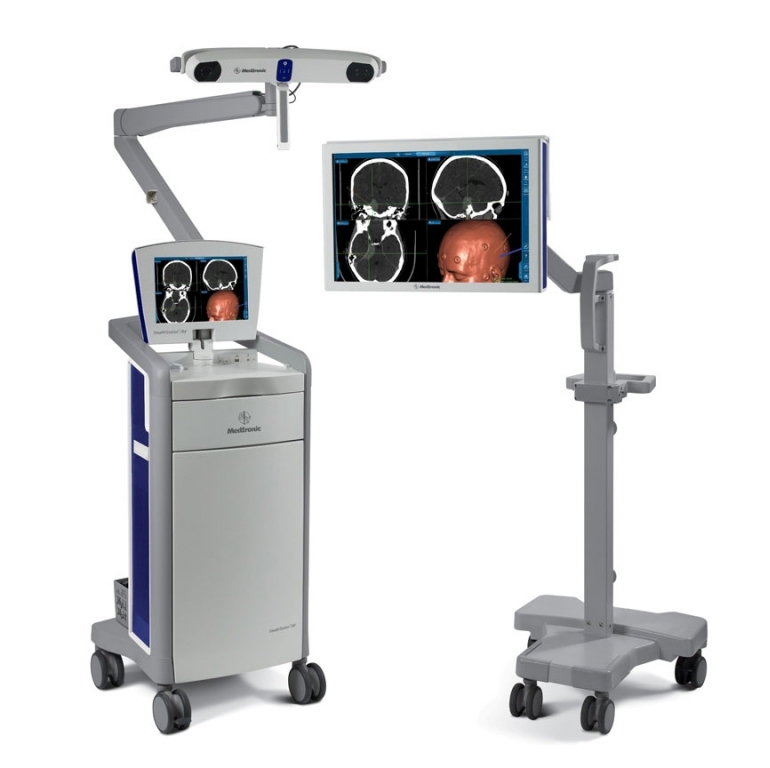
In January 2026, Precision announced a partnership with Medtronic to integrate Layer 7 with Medtronic's StealthStation surgical navigation system.
Then, on September 24, 2026, Precision closed an oversubscribed $250 million Series D co-led by Pershing Square, the Ackman Oxman Institute, and an undisclosed life sciences fund. That brought its total funding to $430 million. The company reports more than 100 patient procedures across 18 medical institutions.
Precision did not win investors with a sci-fi vision. It won them with a cleared device, a major medtech partner, and a growing record of procedures.
Built by a Surgeon, Proven in a Hospital
Co-founder Benjamin Rapoport is a practicing neurosurgeon at Mount Sinai. He was also a co-founder of Neuralink before starting Precision.
That clinical root shows up in Precision's milestones. In 2024, a Mount Sinai team placed 4,096 electrodes on a patient's brain during surgery, which Precision described as a record for the most electrodes used to record a human brain's activity.
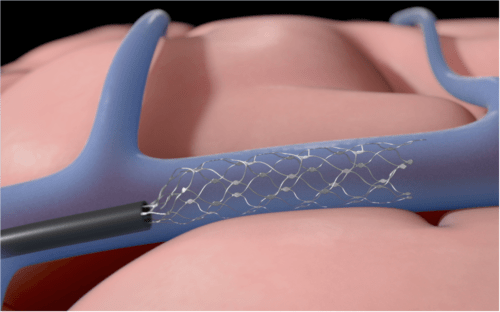
New York's other BCI company tells a similar story. Synchron, the New York-based maker of the Stentrode, completed the first US implant in its COMMAND trial at Mount Sinai West in July 2022. The device is placed through the jugular vein, with no open brain surgery.
In New York, neurotech credibility is built in operating rooms. That is the advantage your marketing should show.
Why Clinical Proof Is the Best Neurotech Story in NYC

New York is dense with hospitals, academic medical centers, and the surgeons who decide which devices get used. A startup here can stand next to the clinicians who will adopt its device.
It is also full of generalist investors. Precision's latest round was co-led by Pershing Square, Bill Ackman's investment firm. Generalist investors need to understand your device quickly, and they trust what hospitals already trust.
That makes clinical proof your most persuasive asset with every audience:
- Surgeons and neurologists want to see the device working in real procedures
- Hospital buyers want evidence it fits their workflow and improves care
- Patients and families want honest answers about what it does
- Investors want milestones that show regulatory and commercial progress
- Strategic partners want a team clinicians already work with
Each group needs the same proof told at a different level of detail. The common thread is evidence. A procedure count, a clearance, or a surgeon's explanation says more than any adjective.
What Is Neurotech Marketing in NYC?
Neurotech marketing in NYC is the work of explaining brain-computer interfaces, neural implants, and neurodiagnostics to clinicians, hospital buyers, patients, and investors in New York's hospital-heavy market. Done well, it leads with clinical proof, surgeon voices, and accurate mechanism animation rather than futuristic claims. It also means planning content around procedures, clearances, and conferences, since those are the moments when attention peaks.
It sits between medical device marketing and investor communication. The same content often needs to persuade a neurosurgeon and a hedge fund analyst in the same week.
4 Ways NYC Neurotech Startups Can Market Clinical Proof
These four approaches turn hospital proximity into content that builds trust.
1. Make the hospital part of your story
Your clinical sites are proof that experts trust you. With their approval, show the operating room, the surgical team, and the workflow your device fits into.
Precision's story is not just a device. It is a device used at 18 institutions and integrated with a surgical navigation system surgeons already know. Where your device is used says as much as what it does.
Always get permission from hospitals and patients before filming, and follow privacy rules. Our guide to HIPAA-compliant short-form video covers how to do this safely.
2. Put surgeons on camera with your founders
Clinicians trust other clinicians. A short clip of a neurosurgeon explaining what a device made possible in a procedure carries more weight than any founder pitch.
Pair founder-led video with surgeon interviews. The founder explains the vision and the company, while the surgeon explains the clinical reality. Our take on why founder-led video matters covers how to get founders comfortable on camera.
3. Turn every clinical milestone into content
Neurotech companies pass milestones constantly: first procedures, FDA clearances, procedure counts, partnerships, and conference presentations. Each one is evidence that the device works in the real world.
Turn each milestone into a short clip that explains what happened, why it matters, and what comes next. Post it the day it is announced, while journalists and investors are paying attention. Conference talks work the same way, since one recorded presentation can supply a month of short clips for LinkedIn.
Be precise about regulatory status. Precision's Layer 7 is cleared for temporary use, while its fully implantable system is still in development. Every piece of content should make clear which product is cleared and which is investigational.
4. Explain the mechanism to generalist investors
Many New York investors are smart but not neuroscientists. A short mechanism animation can show where the device sits, what signals it reads, and how that leads to a clinical result.
Show limits as clearly as capabilities. Explaining what the device does not do yet builds more trust with investors than a polished promise.
Every animation should be reviewed by your clinical team before anything is animated, and be ready for medical, legal, and regulatory review. One accurate animation can support investor decks, clinician education, and conference talks for years.
Learn From Medtech Companies That Won Clinicians
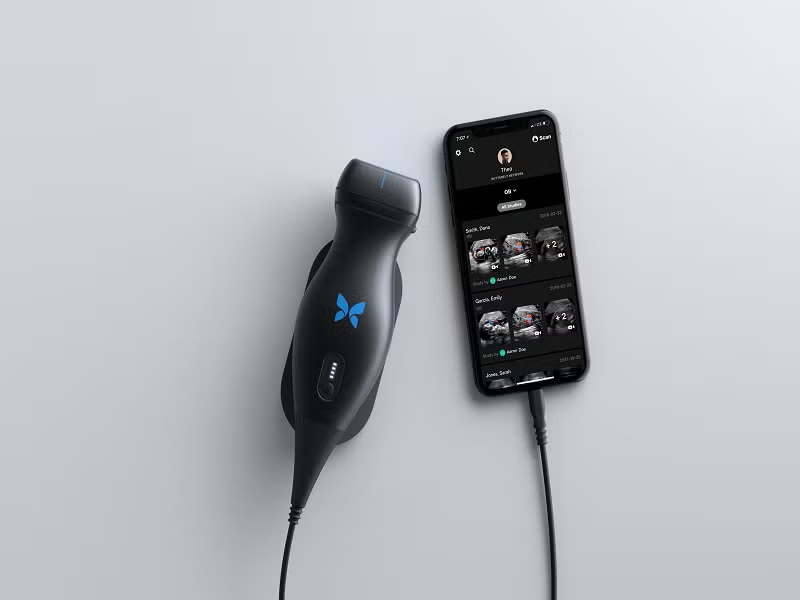
Other health tech companies have built trust the same way. Viz.ai earned adoption in stroke care by fitting into hospital workflows, which we break down in our Viz.ai marketing spotlight. Butterfly Network won doctors over with a handheld ultrasound, as covered in our Butterfly Network breakdown.
New York's other deep science founders face a similar challenge: proving complex technology in a city known for finance and media. See our guides to choosing a biotech marketing agency in NYC and to quantum technology marketing in NYC.
Your Credibility Is Built in Operating Rooms
Your credibility is built in operating rooms, not press releases. The work is showing it clearly.
We help NYC neurotech and medtech founders do that with mechanism animations reviewed by your clinical team, founder-led videos with the surgeons who use your device, and short-form content from every milestone and conference.
See our work in our case studies, then book a call to see what we would build for your device.

Frequently Asked Questions