Quantum Technology Marketing in NYC: Make Entanglement Clear
Quantum technology marketing in New York comes down to one job: turning milestones that only physicists understand into stories that investors, telecom buyers, and security teams can repeat. The NYC quantum startups that build credibility animate what entanglement actually does, film their work in real city infrastructure, and make their founders the trusted explainers of a field most people find intimidating.
This guide shows how, starting with one of the most important quantum experiments of 2026, which happened under the streets of New York.
A Quantum Milestone Under the Streets of New York

On February 18, 2026, Brooklyn-based Qunnect and Cisco announced the first metro-scale, high-speed entanglement swapping over deployed commercial fiber.
According to Qunnect's announcement, the team:
- Ran the experiment across 17.6 kilometers of telecom fiber between Brooklyn and Manhattan
- Routed it through the data center at 60 Hudson Street, one of the city's major network hubs
- Reached 5,400 swapped pairs per hour, nearly 10,000 times better than previous benchmarks on similar platforms
- Kept polarization fidelity above 99%
The work ran on GothamQ, Qunnect's quantum network testbed across New York City. Qunnect itself is based at the Brooklyn Navy Yard.
"Entanglement swapping is a fundamental operation in the quantum internet," said Mehdi Namazi, Qunnect's co-founder and chief science officer. Reza Nejabati, head of quantum research at Cisco, added: "This milestone accelerates our quantum networking vision."
That is a genuinely historic result. Yet most people who read the headline could not explain what happened. That gap is the marketing problem this guide solves.
New York Is Building a Quantum Corridor
Qunnect is not alone. In January 2024, NYC's Economic Development Corporation and Westchester County launched the QUANTM consortium, short for Quantum Computing and Networking Technology Mobilization.
It brings together more than 25 organizations, including:
- IBM, which is headquartered in Westchester County
- Columbia University, NYU, and City College of New York
- Brookhaven National Laboratory
- Startups such as Qunnect, SEEQC, and SandboxAQ
At launch, NYCEDC president Andrew Kimball said the goal was to "establish New York as a primary hub for innovation in quantum."
The ecosystem is real, and it is growing. Qunnect raised a $10 million Series A extension in 2025, and IBM has announced plans to build a large-scale, fault-tolerant quantum computer by 2029. What it lacks is a public story most people can follow.
Why "Quantum Networking" Means Nothing to Most Buyers
Ask an investor, a telecom executive, or a chief security officer what entanglement swapping is, and most will not know. That is not a criticism. It is the reality NYC quantum founders have to market into.
These audiences think in deals, budgets, and quarters. They want to know:
- What problem does this solve, and for whom?
- When will it work outside a testbed?
- What does it cost to adopt, and what does it replace?
A telecom buyer wants to know whether it runs on fiber they already own. A security team wants to know how it fits with the encryption they use today.
A press release full of fidelity percentages answers none of those questions directly. The founders who win are the ones who translate the physics into business outcomes without distorting it.
What Is Quantum Technology Marketing?
Quantum technology marketing is the work of explaining quantum networking, sensing, and computing to the people who fund, buy, and partner on it. It turns technical milestones into clear, accurate stories.
For NYC startups, the core audiences are investors, telecom and data center operators, enterprise security teams, and public partners like the QUANTM consortium. Each needs the same truth told at a different level of detail.
How NYC Quantum Startups Turn Milestones Into Clear Stories
These four practices make a quantum network milestone understandable without overselling it.
Animate what entanglement actually does
Entanglement is invisible, and most mental images of it are wrong. Many people assume it lets you send data faster than light. It does not, and investors who know physics will notice if your content implies it.
A 60 to 90 second explainer animation can show what really happens in a swap: two separate pairs of entangled photons, a joint measurement on one photon from each pair, and the two remaining photons, which never met, ending up entangled across the network. That linked state is a building block for future quantum networks. Script it with your scientists, then strip out every word a buyer would need to look up.
Film the work in real city infrastructure
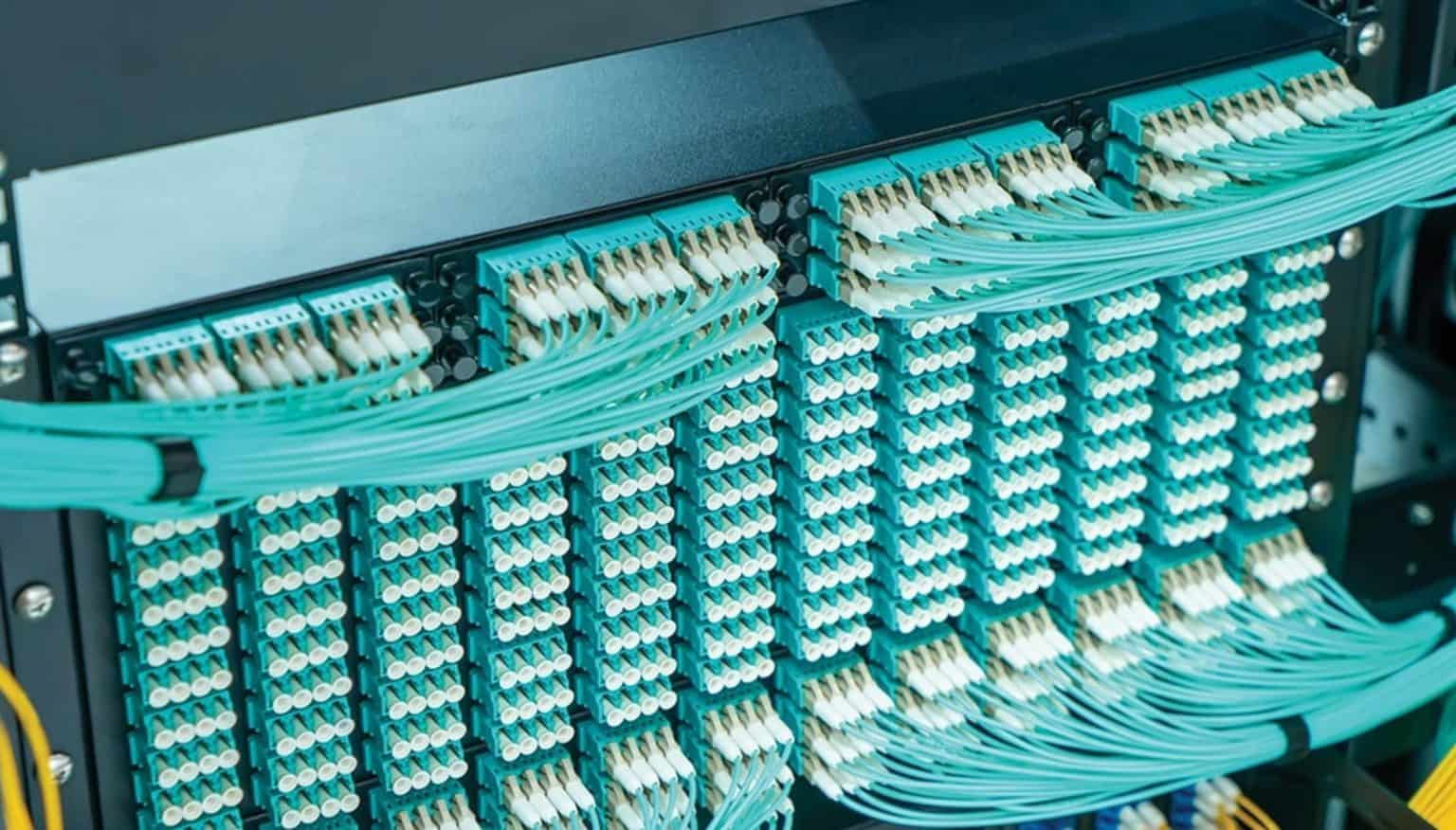
Most quantum footage shows a lab bench. New York startups have something better: fiber running under streets, equipment in a landmark data center, and a lab in the Brooklyn Navy Yard.
Film it. A shot of hardware in a working data center tells buyers this is moving out of the lab and into real networks. Even a 15-second clip of an engineer patching fiber into a rack makes the work feel real.
Arrange filming permissions with partners early, since data centers have strict access rules.
Translate every number
Every milestone number needs a plain-language partner:
- 17.6 kilometers means the link spans two boroughs, not a single room
- 5,400 pairs per hour means a big jump in speed over earlier demonstrations, a real step toward practical networks
- Above 99% fidelity means the connection holds its quality over real-world fiber
Put those translations on screen, in captions, and in the first paragraph of your announcement.
Make founders the trusted explainers
In a field this complex, people trust the scientist more than the brand. Short clips where your founder explains one idea at a time build that trust. Aim for under a minute, each answering one question a buyer might ask.
Turn conference talks, panels, and interviews into short clips for LinkedIn and YouTube. Our playbook on how to repurpose one video into 15+ content assets shows the method. For more on avoiding hype, see our guide to quantum computing marketing in the Bay Area.
A Simple Milestone Content Plan
Use this sequence the next time your team hits a result worth announcing:
- Before the announcement: Finish a short explainer animation so the news has a visual the day it breaks.
- Announcement day: Pair the press release with a 60-second founder clip explaining why it matters.
- First two weeks: Publish short clips from the lab and the field, one idea per clip.
- First month: Turn the milestone into a two-minute pitch film for investors and partners. Our guide to what investors want to see in a startup pitch video covers the structure.
- Ongoing: Revisit the milestone when you hit the next one, so each result builds on the last.
New York's quantum founders face a challenge similar to the city's biotech startups: proving a technical story in a city better known for finance and media. Our guide to choosing a biotech marketing agency in NYC covers how life sciences companies handle it.
Your Milestone Happened Under Manhattan

Your milestone happened under the streets of Manhattan. That is a story, if someone tells it clearly.
We create explainer animations that make quantum networking understandable to investors and enterprise buyers. We also repurpose your conference talks and announcements into short-form content that keeps your milestones visible.
See our work in our case studies, then book a call to see what we would build for your team.

Frequently Asked Questions