Quantum Computing Marketing in the Bay Area: Trust Over Hype
Quantum computing marketing works when it earns trust instead of chasing headlines. For Bay Area quantum startups, that means showing real hardware and real milestones, explaining qubits accurately without overselling, and building a founder voice that sounds like a scientist, not a hype machine.
This guide covers why quantum has a credibility problem, who you actually need to convince, and the content habits that help you stand out in a market full of big promises.
Quantum Computing Has a Credibility Problem
Every few months, a headline promises a quantum breakthrough. Every few months, skeptics push back. Bay Area founders feel that swing more than anyone.
One comment can move the whole sector. In January 2025, Nvidia CEO Jensen Huang said very useful quantum computers were likely 15 to 30 years away. Rigetti's shares fell about 41% that day, according to The Motley Fool, and Huang later said he had been wrong.
For a startup, the risk is quieter but just as real. An investor who reads one inflated claim on your website may never take the meeting.
When sentiment can swing that fast, the companies that hold trust are the ones whose claims were careful in the first place. Hype wins attention for a week. Accuracy wins it for years.
The Money Is Real Now
While the debate continues, serious money is arriving. Under the CHIPS and Science Act, the Department of Commerce is putting about $2 billion into nine quantum hardware and foundry companies.
Berkeley's Rigetti Computing is one of them. On September 8, 2026, it signed a definitive agreement for up to $100 million, according to the Commerce Department announcement. The award funds three projects:
- Smaller, integrated readout electronics
- More cryogenic capacity through a new cryostat architecture
- Fabrication for high-connectivity chip designs
As part of the deal, the government takes a minority, non-controlling equity stake through 7,739,938 common shares, according to Rigetti's SEC filing.
The filing shows something else worth noticing. Only $43.9 million was available up front. The remaining $56.1 million depends on hitting technical milestones.
Even the US government is paying for proof, not promises. That structure is a useful model for your marketing: if funders release money against milestones, your content should report against milestones too.
Rigetti builds its chips at its own fab in Fremont. Around it, Tracxn counts 32 quantum computing startups in the Bay Area, drawing talent from UC Berkeley, Stanford, and Lawrence Livermore National Laboratory.
What Is Quantum Computing Marketing?
Quantum computing marketing is the work of explaining quantum hardware and software to the people who fund, buy, regulate, and build it. It is harder than most tech marketing because the audiences rarely overlap:
- Investors who have been burned by hype and now want proof
- Government funders who pay against milestones
- Enterprise early adopters who need to know what works today, not in 2035
- PhD scientists and engineers, a small pool every quantum company is competing for
One message rarely satisfies all four. But one habit does: being specific about what your system can and cannot do right now. A bold roadmap might excite a generalist investor and still make a skeptical PhD less likely to apply.
How Bay Area Quantum Startups Can Market Honestly
These four habits separate credible quantum companies from the noise.
Show real hardware and real milestones
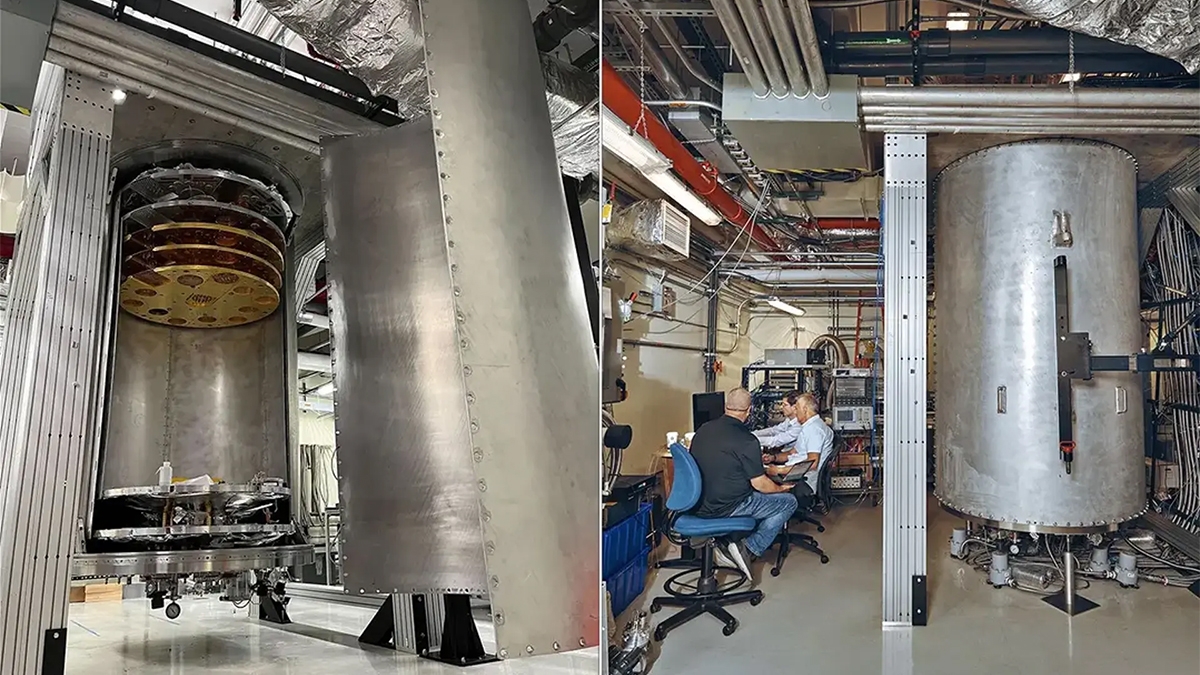
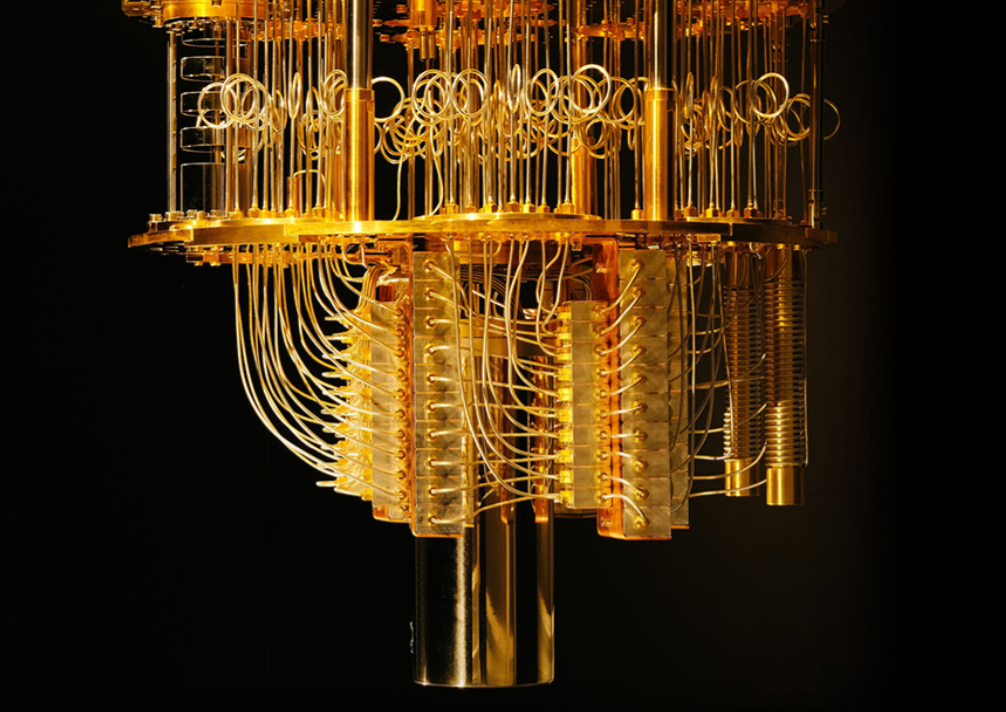
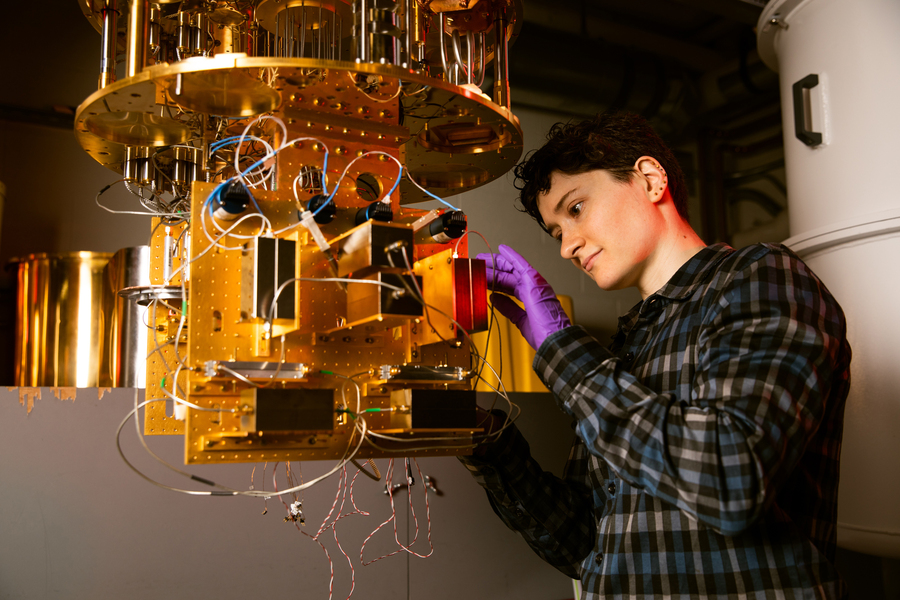
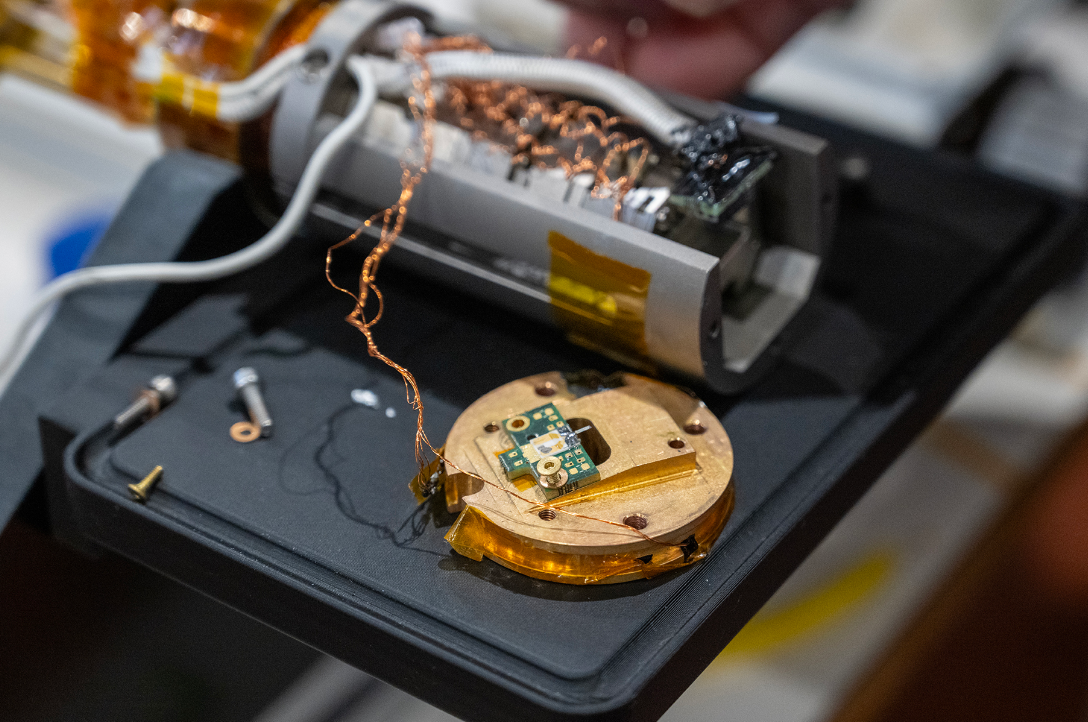
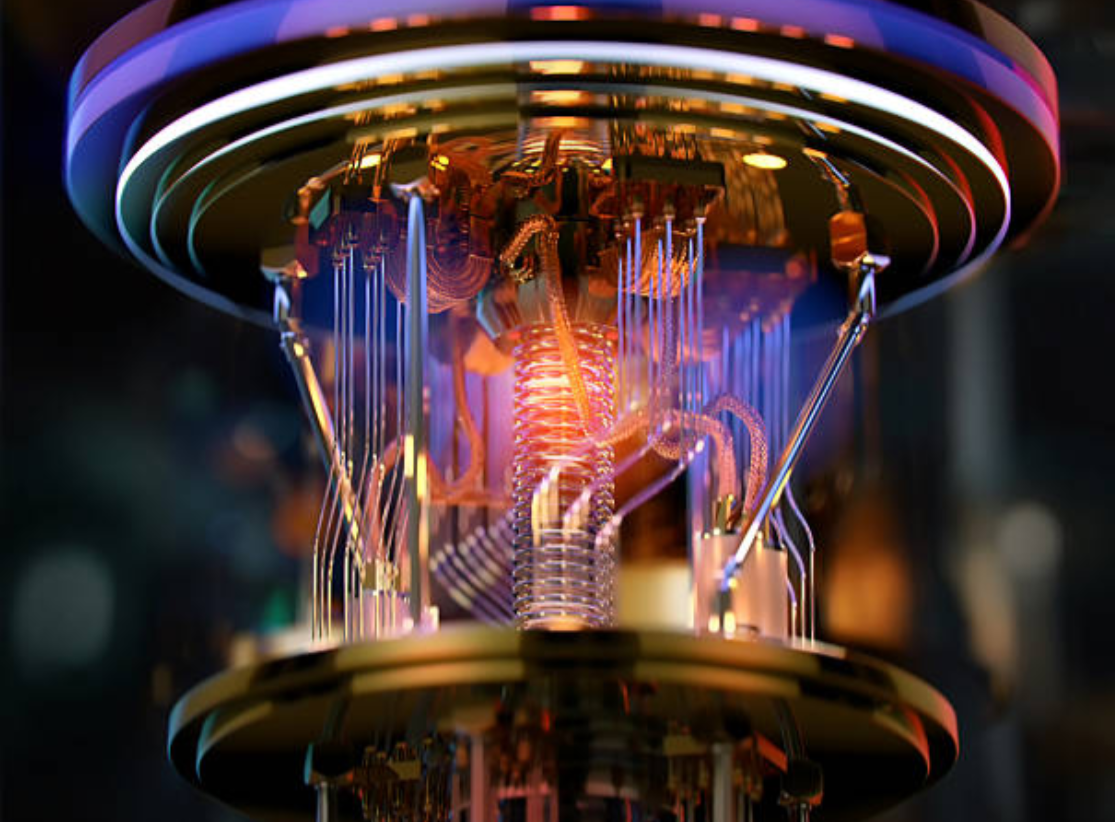
A dilution refrigerator, a cleanroom, and a chip under a microscope are more convincing than any abstract render. Film them. A short clip of a cooldown or a new chip being wired in is real proof that work is happening.
When you hit a milestone, share the number and the context. A gate fidelity, a qubit count, or an error rate means more when you explain what it enables and what it does not. Milestones with caveats build more trust than claims without them.
Post these updates on a steady rhythm, even when progress is incremental. A record of small, verified steps is exactly what skeptical investors look for.
Explain qubits without overselling
Most quantum explainers lean on the same shortcut: a qubit "tries every answer at once." Physicists wince at that line, and so do informed investors.
A good explainer animation shows what your hardware actually does, such as how a superconducting circuit is controlled, read out, and kept cold enough to work. It should be scripted with your scientists before anything is animated. Avoid metaphors your team would not defend in front of a physicist, and if a simplification is not quite right, say so in the voiceover.
Keep it short. A 60 to 90 second animation that a generalist can follow will travel further than a ten-minute lecture. Our guide on video marketing for tech companies covers where explainers fit in your mix.
Build a founder voice that sounds like a scientist
Quantum founders are often their company's most credible asset. The problem is that their best explanations stay locked inside hour-long conference talks and technical papers.
Turn those talks into short clips where the founder explains one idea at a time: what a new result means, why a design choice matters, or what still needs to be solved. A single 40-minute conference talk can often yield a month of clips. Saying "we have not solved this yet" on camera builds more credibility than any slogan.
If your founder is camera-shy, start with our take on why founder-led video matters. For where to post those clips, see our guide to LinkedIn video marketing for B2B.
Recruit the few people who can build it

The pool of people who can design, fabricate, and operate quantum hardware is tiny. Every Bay Area quantum startup is competing for the same researchers, along with big tech labs.
A short recruiting video filmed in your lab, with your scientists explaining the problems they are working on, speaks directly to that audience. Let researchers describe the hardest problem they are solving and why it is only possible at a startup.
Words That Cost Quantum Startups Credibility
Some phrases trigger skepticism the moment an investor or scientist reads them. Use these with great care, or not at all:
- "Quantum supremacy" or "quantum advantage" without naming the specific task
- "Breaks all encryption" or "will make today's computers obsolete"
- "Exponentially faster" with no benchmark or context
- "Revolutionary" or "game-changing" with no number behind it
- Firm commercial dates you cannot back with a roadmap
- Qubit counts on their own, with no error rates or fidelity
Replace them with specifics: what you measured, how you measured it, and what comes next. In a hype-heavy market, plain language is a competitive advantage.
Quantum and semiconductor startups face some of the same challenges, especially explaining invisible hardware. Our guide for Bay Area semiconductor startups covers how chip companies make their architecture visible.
Clarity Is the Competitive Advantage
In quantum, overpromising is the fastest way to lose credibility. The startups that last will be the ones that explain their work clearly and honestly, one milestone at a time. Clear explanations also make the next raise, partnership, and hire easier.
We make explainer animations that show what your hardware actually does, scripted with your scientists before anything is animated. We also turn your conference talks into short-form content that builds trust one clear explanation at a time.
See our work in our case studies, then book a call to see what we would build for your team.

Frequently Asked Questions