Deep Tech Marketing Agency in Seattle: Beyond Cloud Software
The right deep tech marketing agency in Seattle is one built for hard tech, not cloud software. Look for four things: science literacy, explainer animation, recruiting content that can compete with Amazon and Microsoft, and a system that turns lab tours, demo days, and founder talks into steady video. If an agency pitches you a SaaS funnel, it was built for someone else.
This guide is for Seattle founders building rockets, fusion machines, AI systems that touch the physical world, and new therapies. It covers what to look for, what to avoid, and how to turn technical credibility into a brand people notice.
Seattle Is Building More Than Software

Seattle's reputation is built on software. Amazon and Microsoft made it the capital of cloud computing, and most local agencies are set up to sell apps and subscriptions.
But many of the region's most ambitious founders are building physical things:
- Fusion: Everett has become a fusion hub. Helion now employs about 800 people across five buildings there and has raised more than $1.5 billion, according to GeekWire. Zap Energy is also based near Everett's Paine Field.
- Space: Blue Origin builds rockets at its headquarters in Kent.
- Applied AI: AI House, formerly the AI2 Incubator that began inside the Allen Institute for AI, launched an $80 million fund in 2025 to back about 70 real-world AI startups over four years.
- Life sciences: Fred Hutchinson Cancer Center anchors the region's biotech scene, and the University of Washington supplies engineers in robotics, AI, and biology.
These are not science projects. Microsoft has already agreed to buy power from Helion's planned fusion plant in Malaga, Washington.
These companies share two problems. They recruit from the same talent pool as Amazon and Microsoft, and they pitch investors who are used to software growth curves.
Why SaaS Marketing Playbooks Break for Hard Tech
Most Seattle agencies know the SaaS playbook well. Run ads, capture leads, nurture them by email, and convert them on a free trial.
That model assumes thousands of buyers, short sales cycles, and a product people can try today. Hard tech has none of those, and content built for a SaaS buyer often confuses an engineer at a utility.
A fusion company might have a handful of potential utility customers. A space startup may sell to a few launch partners and government programs.
When your buyer list fits on one slide, lead generation is the wrong goal. Credibility is the right one.
Investors add a second mismatch. Many are used to software metrics like monthly recurring revenue. Hard tech founders need content that explains why progress looks different: why a milestone like first plasma or a successful test matters more than early revenue.
A clear video of a working prototype or test campaign answers that question better than any projection.
We go deeper on this in our guide to building demand when your product doesn't exist yet.
The Seattle Hard Tech Agency Scorecard

Use these four questions to score any agency you are considering. A strong partner should answer all four with examples, not promises.
Can they explain your technology without a whiteboard?
Science literacy is the first filter. After one call, the agency should be able to explain your core idea back to you in plain English.
If they can't, every script will need multiple rounds of engineering review. The best agencies ask questions that show they understand what makes your approach different, not just what it does.
Can they show what cannot be filmed?
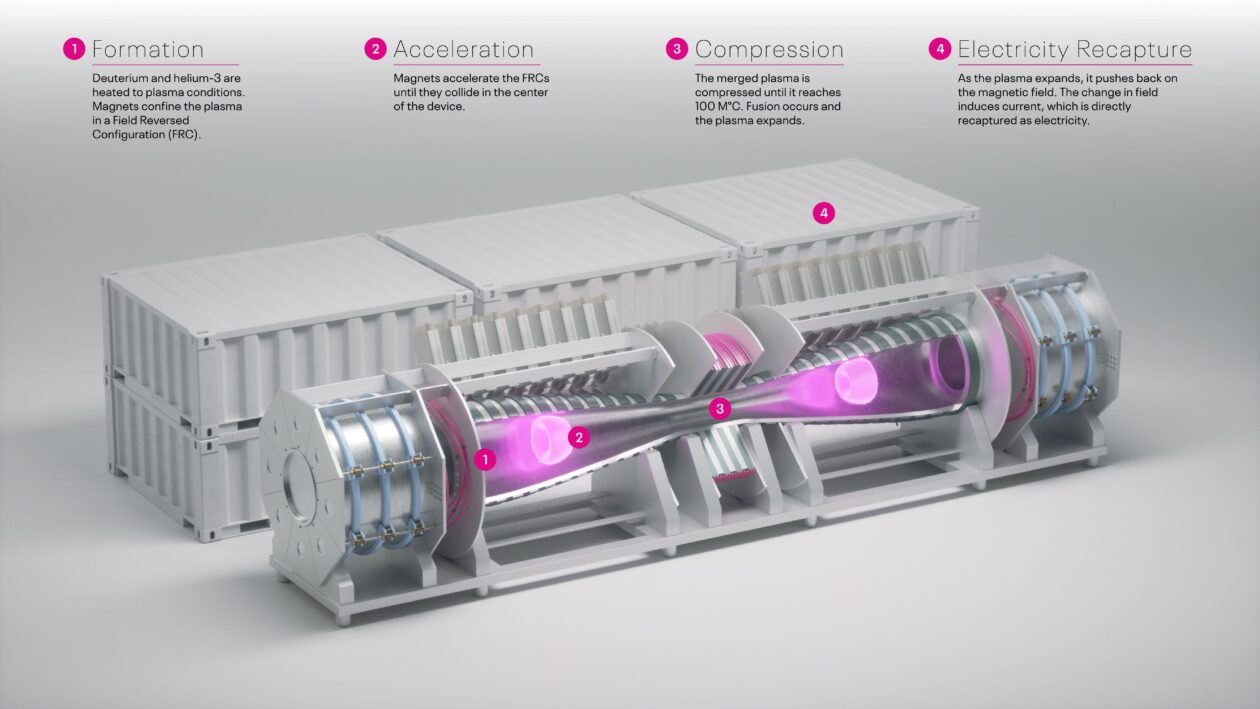
Some of your most important work is invisible. Plasma inside a reactor, a model making decisions, or a molecule binding to a target cannot be captured on a phone.
An explainer animation fills that gap. A 60 to 90 second animation can show how your system works at the level an investor or customer needs, without exposing the details you need to protect. Then cut it into short versions for LinkedIn, trade shows, and the opening of your investor deck.
We cover how to make one that holds attention in our guide to making a startup explainer video that gets watched.
Can they help you out-recruit Amazon and Microsoft?
Your biggest hiring competitor might be a company with a trillion-dollar market cap down the street. They offer pay and stability. You offer a mission and a harder problem.
Even the region's biggest hard tech names invest heavily in hiring. Helion opened a Seattle office in 2026 for about 100 people in business operations, recruiting, and finance, alongside its five buildings in Everett.
A good recruiting video lets your engineers explain, in their own words, why they left a big tech job to build something physical. That is more convincing than any careers page copy.
Do they have a system, not just a shoot?
Many agencies sell a single big production day. Hard tech companies need a steady flow instead.
The right partner starts with what you already have: lab tours, demo days, conference talks, and investor updates. They pull the strongest moments and cut them into short clips for LinkedIn and YouTube. One recorded demo day can feed weeks of posts when it is planned this way.
Our playbook shows how to repurpose one video into 15+ content assets.
How to Turn Technical Credibility Into a Visible Brand

Seattle hard tech founders already have credibility. Most simply keep it hidden in technical papers and private investor decks.
Here is how to make it visible:
- Put the founder on camera. Short clips where the founder explains one idea at a time build trust faster than polished brand films.
- Treat milestones as episodes. Every test, build, or hire is a story. A short weekly build update costs little and shows investors real momentum.
- Show the hardware. Real machines, labs, and test sites prove the technology exists.
- Publish on a steady rhythm. Two to three clips a week will do more than one big launch video a year.
Fusion is a good example. Helion and Commonwealth Fusion Systems took very different approaches to showing their progress, which we break down in our fusion energy startup marketing analysis.
Signs an Agency Was Built for SaaS, Not Hard Tech
Watch for these warning signs in your first conversations:
- They lead with paid ads, lead magnets, and conversion rates.
- They suggest stock footage or generic 3D renders instead of your real lab.
- They talk about customer acquisition cost before they understand your technology.
- They cannot name a single hardware, energy, space, or biotech client.
- They have no plan for hiring content.
If an agency treats your company like an app, its content will make you look like one. For hard tech, that undersells the hardest and most valuable part of what you do.
If you are also building a presence in Boston, our guide to choosing a deep tech marketing agency in Boston covers that ecosystem.
Make Your Mission Impossible to Ignore
Your biggest competitor for engineers is a company with a trillion-dollar market cap down the street. Content is how you make your mission impossible to ignore.
We make recruiting videos, explainer animations, and a steady stream of short-form content from your lab tours, demo days, and founder talks.
See our work in our case studies, then book a call to see what we would build for your team.

Frequently Asked Questions