440 Gigawatts in 80 Nanoseconds: Fusion Energy Marketing Lessons From the Bay Area
Fusion energy marketing in the Bay Area works when it turns mind-bending numbers into something people understand. For Bay Area fusion startups, that means translating every milestone into plain language, turning test shots and groundbreakings into visual stories, and recruiting engineers who could work at any AI company in the region.
This guide looks at one of the best-funded fusion startups in the country, why its numbers are both its biggest asset and its biggest communication challenge, and how founders can make extreme physics clear.
Fremont's Fusion Bet
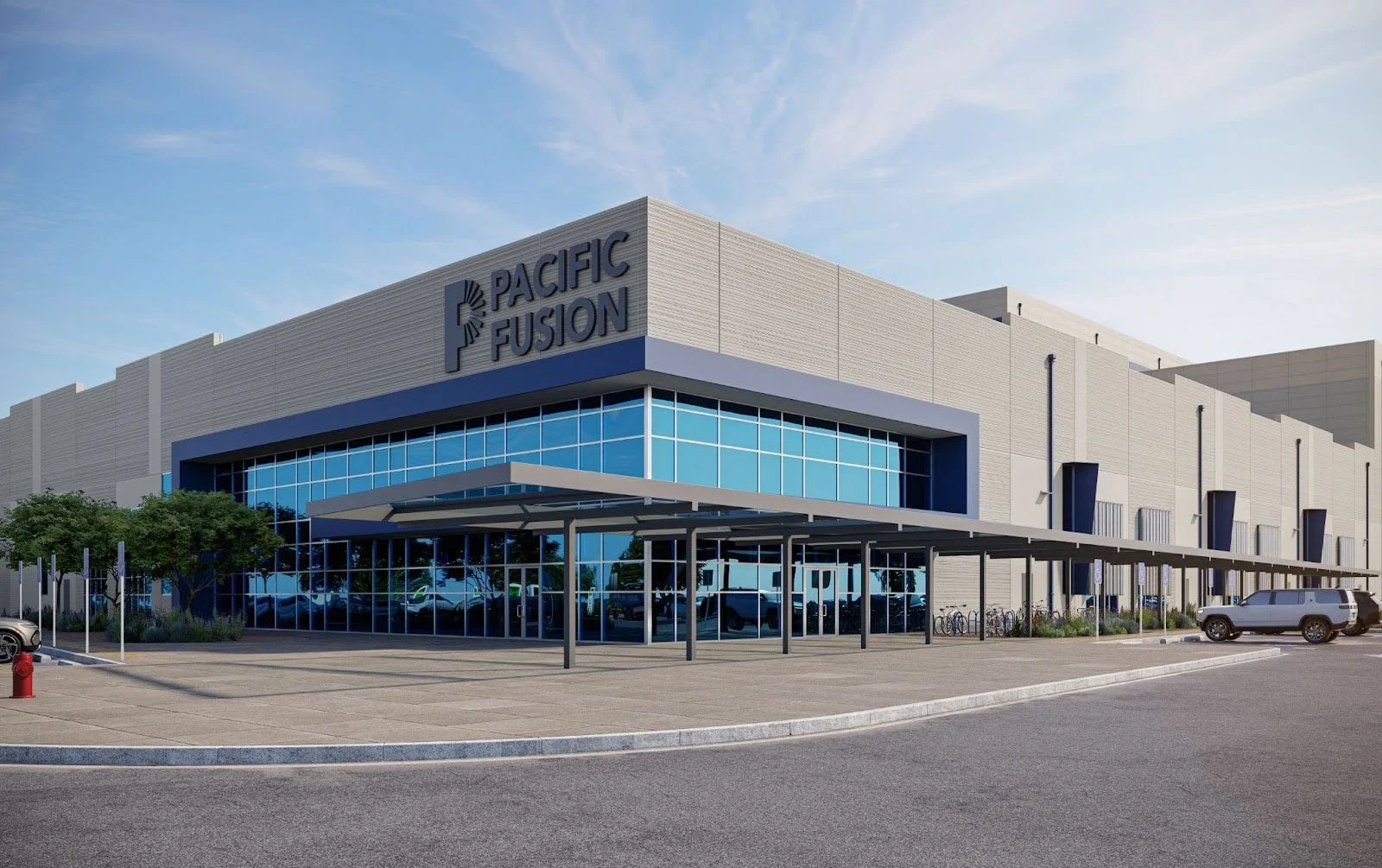
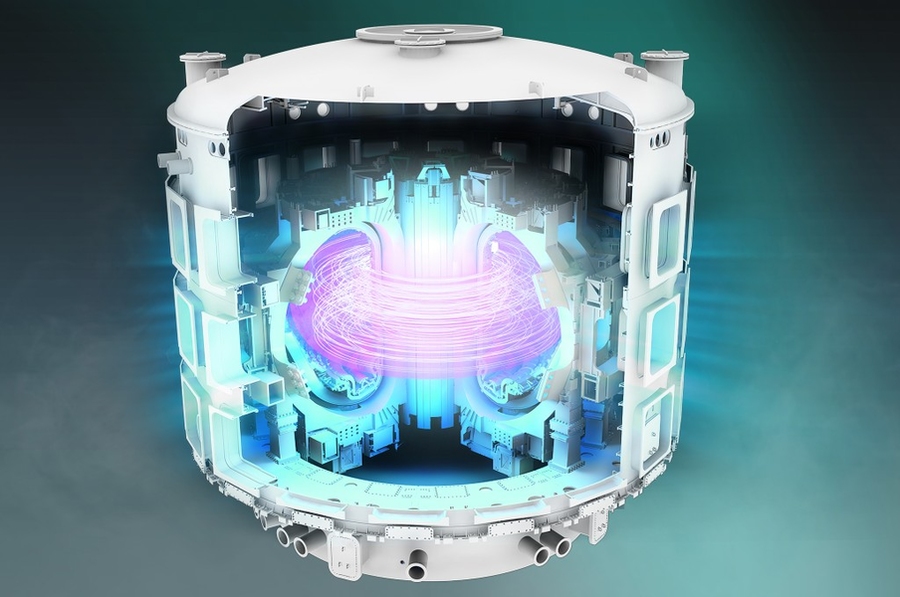
One of the most ambitious fusion companies in the country is based in Fremont. Pacific Fusion is pursuing pulsed magnetic fusion: using fast, enormous pulses of electric current to compress tiny capsules of fusion fuel.
In October 2024, it launched with more than $900 million in Series A commitments, led by General Catalyst. Its backers include Bill Gates' Breakthrough Energy Ventures and former Google CEO Eric Schmidt. Its leadership includes Eric Lander, a principal leader of the Human Genome Project.
Unusually, the money is released in stages as the company hits predefined technical milestones, according to Neutron Bytes. Co-founder and CTO Keith LeChien previously served as Director of Inertial Confinement Fusion at the National Nuclear Security Administration.
When funding is tied to milestones, every milestone is also a story waiting to be told.
The Milestones Are Arriving
Pacific Fusion has hit two major milestones in 2026.
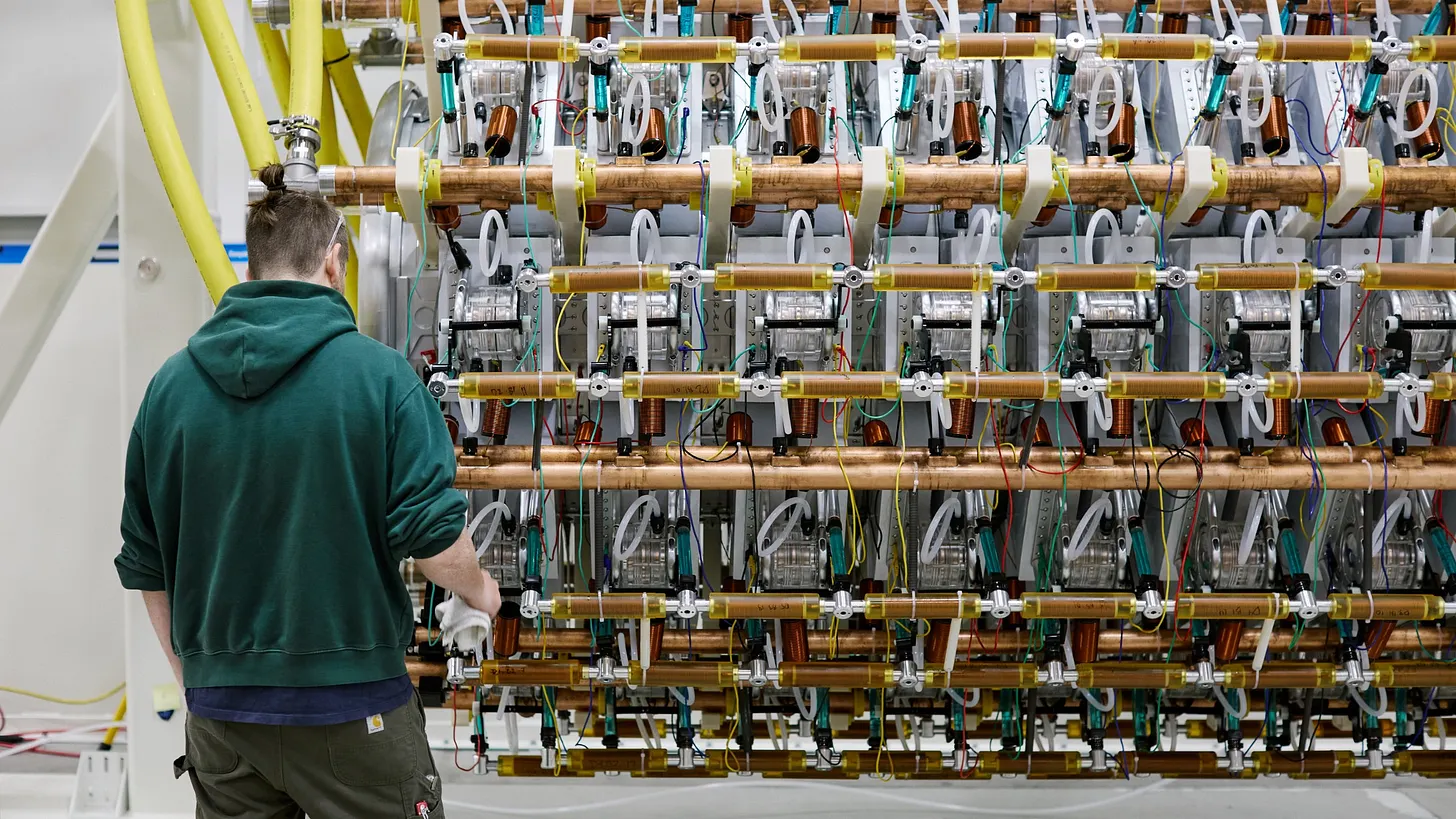
- June 2026: A one-third-scale pulser module released 440 gigawatts of peak power in 80 nanoseconds, TechCrunch reported. The test unlocked another tranche of its Series A. Each full-size module is designed to deliver more than a terawatt of peak power in a pulse of about 100 nanoseconds.
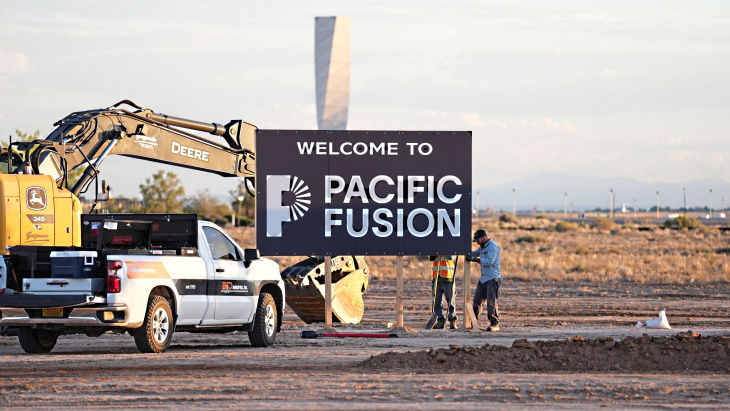
- August 2026: The company broke ground on a $1 billion research and manufacturing campus in Albuquerque, New Mexico, to house its Demonstration System.
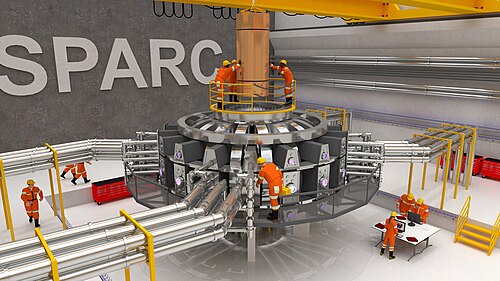
That system will use 156 pulser modules. It is designed to reach net facility gain by 2030, which World Nuclear News describes as producing more energy from fusion than the total energy initially stored in the machine.
The system is also expected to produce fusion bursts above 100 megajoules, which World Nuclear News says would make it the only high-yield fusion facility under construction in the US.
"This exists nowhere in the world," LeChien told TechCrunch.
Big Numbers, Small Understanding
Pacific Fusion's challenge is one every Bay Area fusion founder shares. The numbers are extraordinary, but they mean nothing to most investors, partners, or recruits until someone explains them.
What does 440 gigawatts actually mean? Why does 80 nanoseconds matter? Is a one-third-scale module a big deal or a small step?
Most readers cannot answer those questions on their own. That is not a weakness of the technology, but a gap in the story, and it is fixable.
A number without context is just noise. In a region where AI dominates the conversation, fusion cannot afford to be noise.
What Is Fusion Energy Marketing?
Fusion energy marketing is the work of explaining fusion technology, milestones, and timelines to investors, partners, policymakers, and engineers. Done well, it relies on plain-language explanation, accurate animation, documented milestones, and engineers on camera rather than big promises about limitless energy.
It also requires precision. Fusion has been promised for decades, so every claim needs a clear definition, a clear date, and a clear source.
4 Ways to Make Extreme Physics Understandable
These four approaches help Bay Area fusion startups turn complex milestones into clear stories.
1. Translate every number
Every headline number needs a plain-language translation. Eighty nanoseconds is 80 billionths of a second, far faster than the blink of an eye.
Explain why the number matters, not just how big it is. For Pacific Fusion, the point is that a module can store energy and release it almost instantly, which is what compressing fuel requires.
Also explain the difference between peak power and total energy. Peak power describes how intense a pulse is at its height, while total energy is what the pulse actually delivers. Precise language protects your credibility when technical readers check your claims.
2. Turn milestones into visual stories
Each milestone deserves its own short story: what was tested, why it matters, and what comes next. A 60-second clip with real footage of the test bay, plus a short animation of what happened inside, works far better than a press release alone.
Groundbreakings are visual too. Film the site, the people, and the plans, then return to the same spot as construction progresses.
Post each clip the day the news breaks, while journalists and investors are paying attention. Over time, those clips become a visible track record that matches the milestones your investors are tracking.
3. Explain your approach in plain language
Most people have never heard of pulsed magnetic fusion. Many do not know the difference between lasers, magnets, and pulsed power in fusion.
A short explainer animation can show the core idea in under a minute: electrical energy is stored, released in an enormous pulse, and used to compress a tiny fuel capsule. If investors cannot explain your approach to their partners, they will struggle to back it.
Every animation should be reviewed by your engineers before anything is animated, so the simplification stays accurate.
4. Recruit engineers who could work anywhere
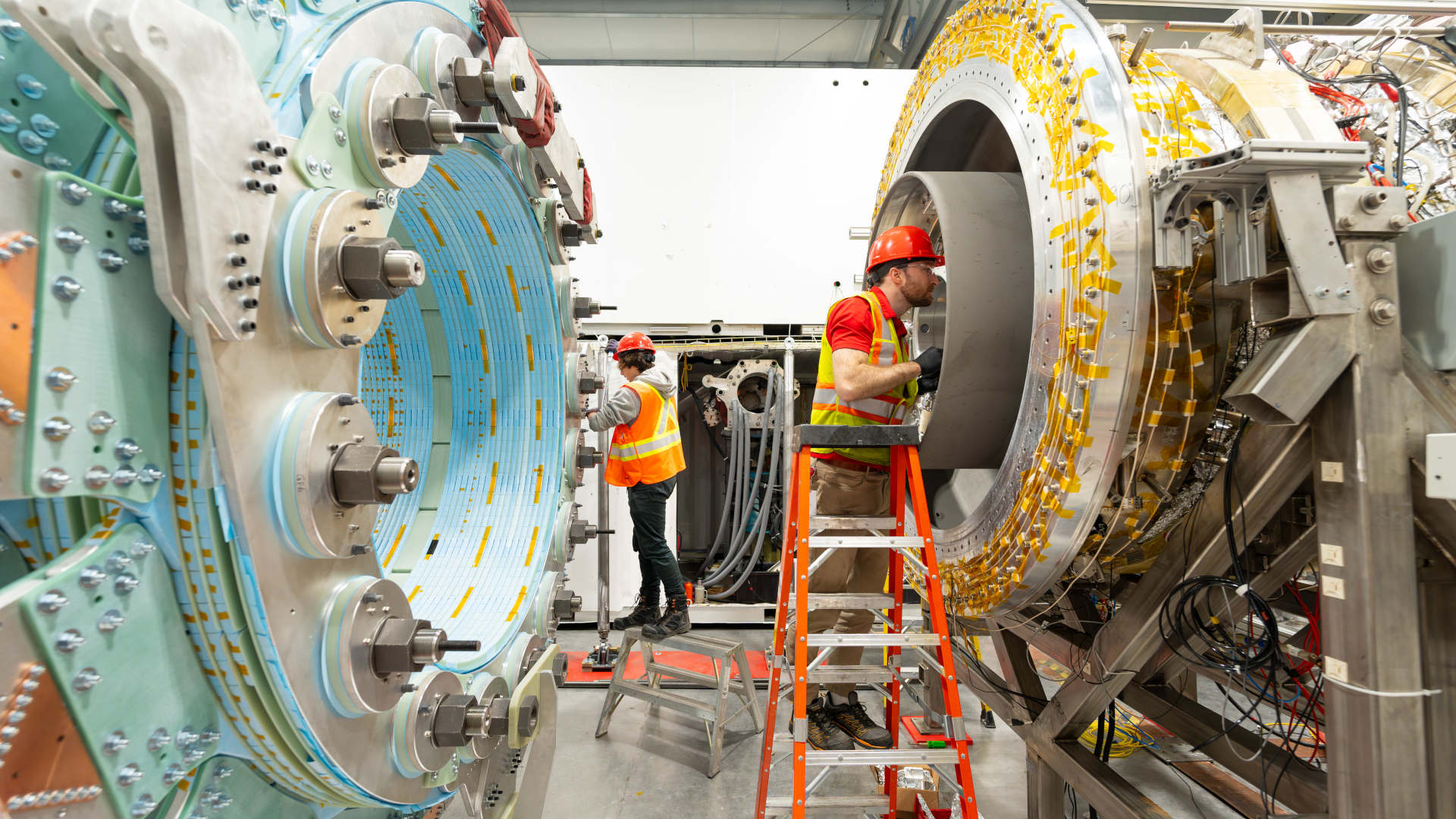
Bay Area fusion companies compete with AI labs, chip companies, and Big Tech for engineers. Pacific Fusion alone has more than 200 people across California and New Mexico.
Recruiting videos help. Show the hardware, the test bays, and the engineers explaining what they build. Engineers want to see the machines, not just read the mission statement.
Short clips of engineers explaining a single component, like a capacitor brick or a switch, make complex hardware feel approachable.
Be Precise About What a Milestone Means

Fusion milestones are easy to overstate. A test module is not a power plant. Net facility gain is not commercial electricity.
Even TechCrunch had to clarify that Pacific Fusion's demonstration system will not have a steam turbine, so it does not qualify as a power plant. The company itself targets a commercial power plant in the mid-2030s.
Clear definitions build long-term trust. They also protect the whole industry, which depends on public trust to keep investment flowing. Investors and journalists remember which companies described their progress accurately.
How the Bay Area Compares to Other Fusion Hubs
Each fusion hub tells its story differently.
For a closer look at two other leading approaches, read our Helion vs. Commonwealth Fusion comparison. Seattle's fusion cluster, home to Helion and Zap Energy, faces a similar mix of investor, recruiting, and community audiences.
Bay Area fusion founders also share challenges with the region's other climate companies, from fundraising cycles to staying visible, as we cover in our guide to climate tech marketing in San Francisco.
Make Your Milestones Mean Something
440 gigawatts is a headline. Explaining what it means is a strategy.
We've made fusion content before, repurposing keynote footage from Shine Technologies founder Greg Piefer into short-form clips. We create explainer animations that make your fusion approach clear to investors and recruits, and turn every test shot, groundbreaking, and conference talk into short-form content that keeps your milestones visible.
See more of our work in our case studies, then book a call to see what we would build for your team.

Frequently Asked Questions