5 Things NYC Robotics Startups Get Wrong About Video (And How to Fix Them)
Robotics marketing in NYC lives or dies on video, and most startups make the same five mistakes with it. They post overproduced demos, lead with spec sheets instead of deployments, skip the customer's real environment, keep founders off camera, and post great footage once before forgetting it. Each one has a simple fix.
This guide looks at New York's fast-growing robotics scene, why video matters so much for robot companies, and how to fix the five most common mistakes.
New York Is Becoming a Robotics City
New York is not the first city people associate with robots, but that is changing fast.
In early 2026, New York Robotics, a nonprofit that began as a meetup group in 2021, formally launched with founding partners including J.P. Morgan, NYU, and AlleyCorp. It counts:
- More than 160 robotics startups across the Tri-State region, nearly 100 of them in New York City
- 40+ robotics and embodied AI research labs
- 300+ venture capital firms actively investing in robotics
The city's companies are scaling too. Standard Bots, a New York industrial robotics company and one of the network's founding partners, raised a $200 million Series C in 2026.
Robots are already working in the city. At Brooklyn's Industry City, a campus with more than 700 companies, Y Combinator-backed Ultra Robotics deploys robots that handle up to 30% of the pick, tote, scan, and conveyor work for logistics company Highline Commerce.
New York's robotics story is no longer about potential. It is about deployment.
Why Video Matters So Much for Robotics
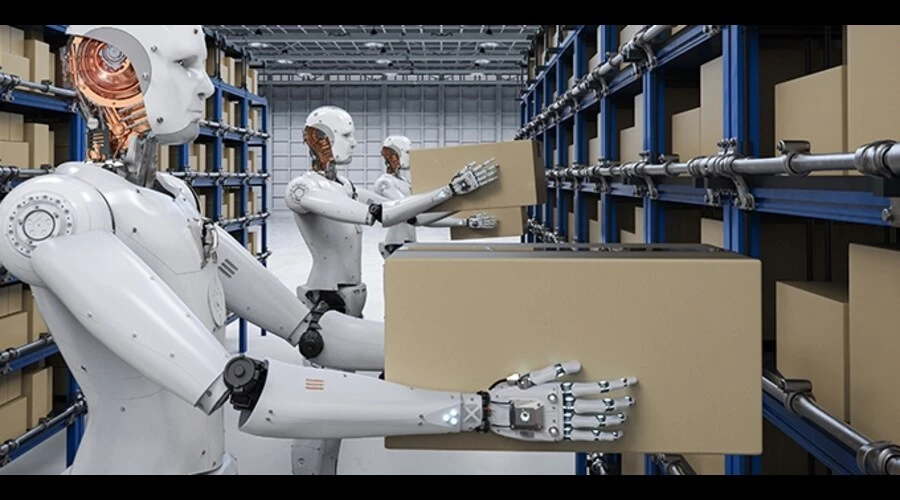
Robotics founders have every reason to lead with video. Their product moves, and movement is what video does best.
New York also gives them an advantage: it is the media capital of the country, full of journalists, investors, and buyers who consume video daily.
Yet most robotics startups still struggle to turn their robots into content that builds trust. The problem is rarely the robot. It is how the robot is shown.
A robot shown well can explain itself in seconds, and a robot shown badly can lose a buyer just as fast.
What Is Robotics Marketing?
Robotics marketing is the work of showing robots doing real jobs for buyers, investors, partners, and engineers. Done well, it relies on deployment footage, clear explanations of what the robot does, founders and customers on camera, and steady short-form content rather than one polished demo reel.
The goal is trust. Buyers want to know the robot will work in their space, with their products, on their schedule.
Mistake 1: Overproduced Demos Buyers Don't Trust
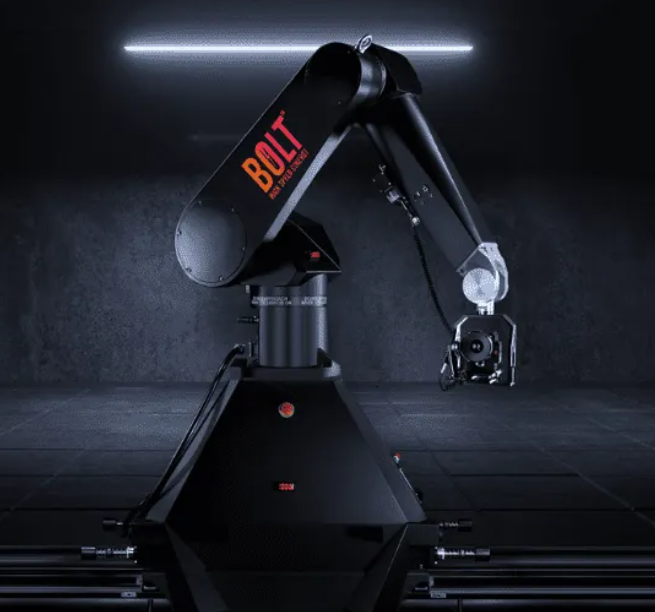
Many robotics videos look like movie trailers: dramatic music, perfect lighting, fast cuts, and a robot that never fails.
Buyers have seen too many of these. They know a perfect 20-second clip can hide hours of retakes, a staged setup, or a human operator off screen. The more polished the demo, the more questions it raises.
Viewers can also tell when a clip has been cut to hide something, and they assume the worst.
The fix: Show real-time footage with minimal editing. Let viewers see the full task, including the moments where the robot pauses or adjusts. Label clips clearly as real time or sped up, so nobody has to guess.
Mistake 2: Spec Sheets Instead of Real Deployments
Payload, speed, reach, and uptime matter. But a list of numbers does not show a buyer what the robot will do on their floor.
Ultra Robotics' story is powerful because it is specific: robots handling up to 30% of the pick, tote, scan, and conveyor work at a real Brooklyn logistics company. That is a deployment, not a spec.
The fix: Lead with what the robot does for a real customer, then use specs to support the story. A 30-second clip of a robot packing orders at a live site beats a page of technical data.
Specs still matter for engineers evaluating the system, so keep them available on your website and in sales decks.
Mistake 3: No Footage From the Customer's Environment
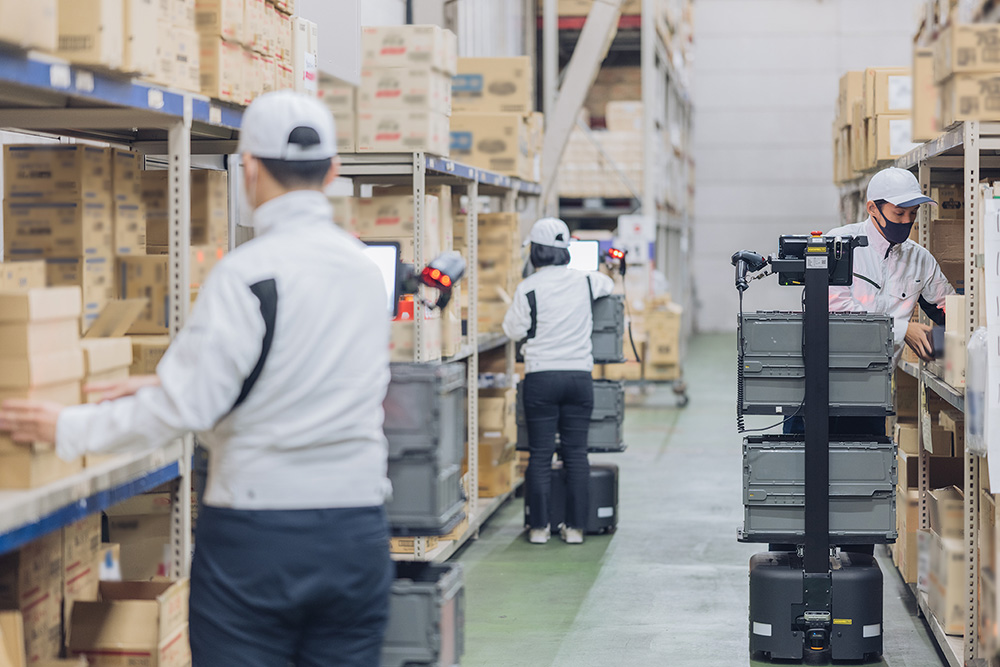
Lab footage is clean and controlled. Customer sites are not. They are crowded, noisy, and full of products and people.
Buyers want to see the robot in conditions like theirs. Lab-only footage makes them wonder whether the robot will survive the real world.
Highline Commerce makes this point clearly: its robots were tested in live production, not in a lab. Real environments make real believers.
The fix: Film at customer sites with permission, even if the setting is messy. Show the robot working around people, carts, and real products. Get customers to agree to filming rights early in the contract.
Mistake 4: Founders Who Never Appear
Many robotics companies let the robot do all the talking. That leaves buyers and investors with no sense of who is behind it.
In a city full of investors and media, the founder is a big part of the story. Buyers want to know who they will call when something goes wrong. Investors back people as much as products, especially in early rounds.
The fix: Put founders on camera regularly. Short clips where a founder explains a deployment, answers a common buyer question, or shares what the team learned build trust faster than any product video. Our guide to why founder-led video matters covers how to make founders comfortable on camera.
Mistake 5: Great Footage Posted Once and Forgotten
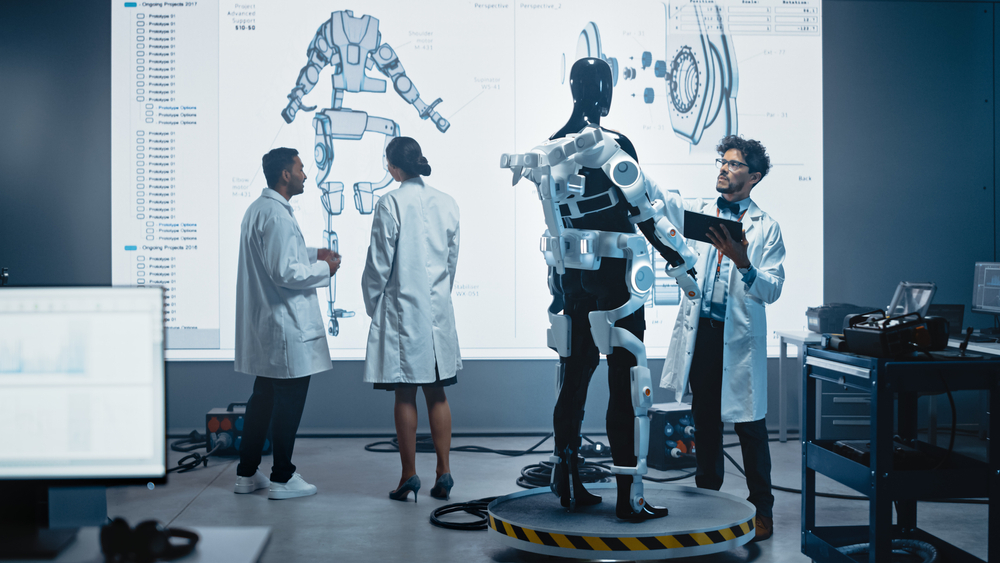
This is the most expensive mistake. A team spends a full day filming a deployment, posts one video, and never uses the footage again.
One day of filming can supply a month of content. A single deployment visit can produce wide shots, close-ups, customer interviews, founder commentary, and engineer explainers.
The fix: Plan every filming day as a content library. Cut the footage into short clips for LinkedIn, YouTube, and your website, and release them steadily over the following weeks. Our guide to repurposing one video into 15 content assets shows how.
A Bonus Mistake: Forgetting Recruiting
New York's robotics scene is growing fast, and so is competition for engineers. Robotics startups hire against finance, AI, and Big Tech companies across the city.
The same deployment footage that wins buyers can win candidates.
Show engineers the robots, the customer sites, and the team. Engineers want to see their work leave the lab. Short clips of engineers explaining what they built also work well on LinkedIn.
How NYC Compares to Boston and San Francisco
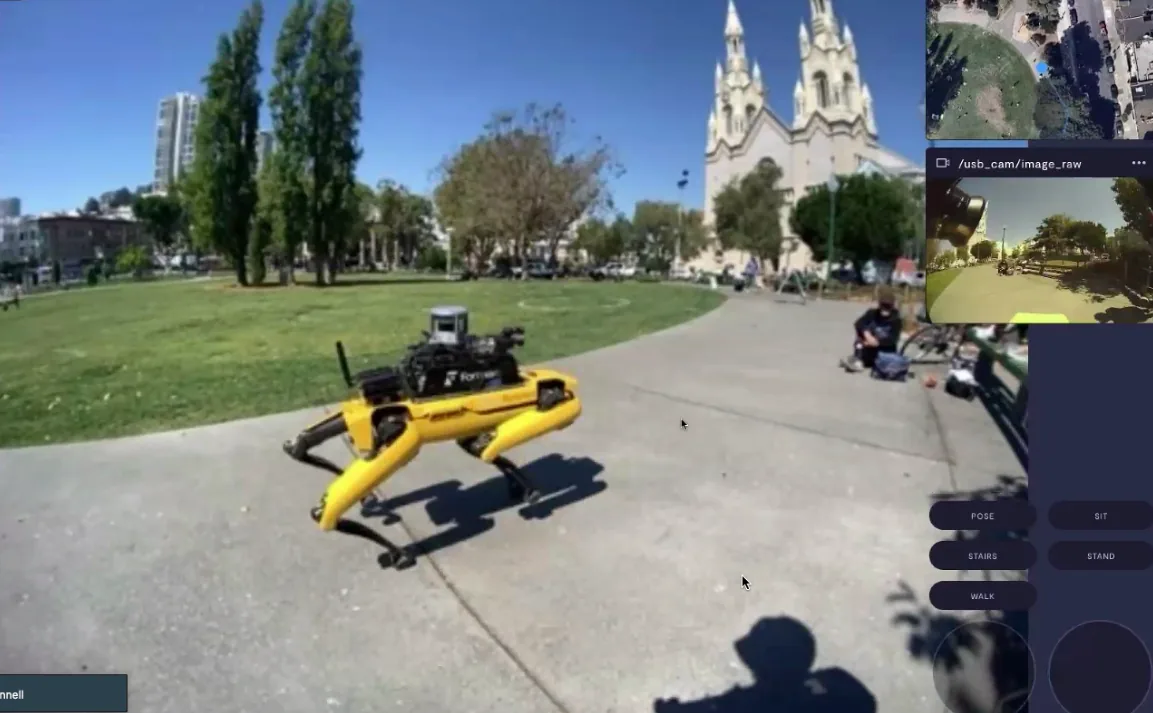
Each robotics hub has its own story. Boston's robotics companies sell robots that do specific jobs in warehouses, hospitals, and factories, as we cover in our guide to choosing a robotics marketing agency in Boston. San Francisco's physical AI startups sell the intelligence behind the machine.
Each city's story is different, but the same video mistakes show up everywhere. New York's advantage is deployment in one of the world's densest, busiest cities. Show that, and your robots will speak for themselves.
Show Your Robot Working
Your robot already works. Most people just never see it.
We turn your deployment footage into 60 pieces of short-form content per month, script founder-led videos that build trust with buyers, and make recruiting videos to help you hire in a growing NYC robotics scene.
See our work in our case studies, then book a call to see what we would build for your team.

Frequently Asked Questions