Hardware Nobody Will Ever Touch: Space Tech Marketing for San Francisco Startups
Space tech marketing in San Francisco has one unusual job: earning trust for hardware your customers will never see or touch. For Bay Area satellite and space startups, that means filming the build and test process, animating how the system works in orbit, and recruiting engineers in a city where AI companies compete hard for the same talent.
This guide looks at one of San Francisco's most successful hardware companies, why space buyers sign huge contracts on trust, and how founders can make invisible hardware feel real.
San Francisco Builds Satellites Too

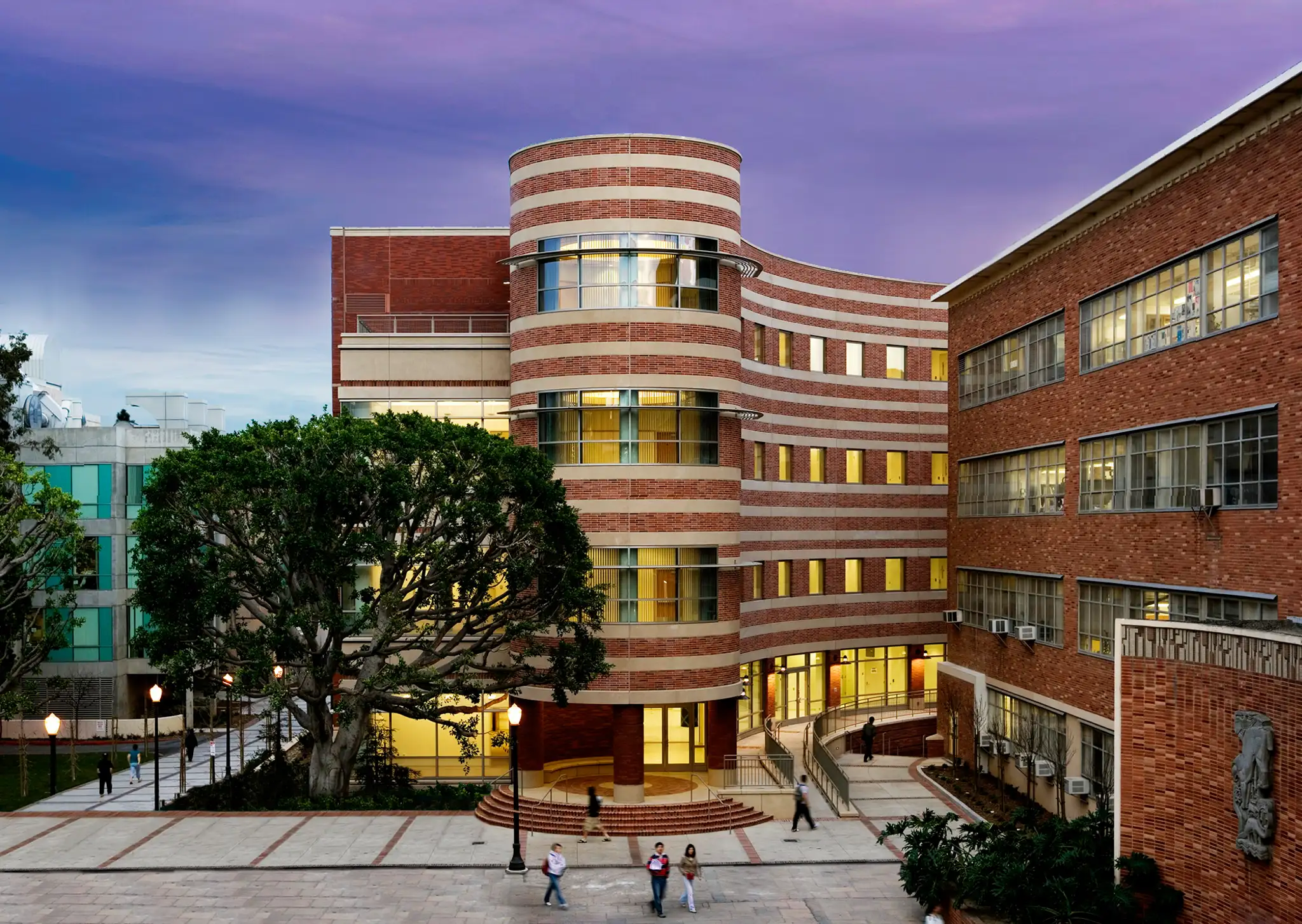
Most people do not think of San Francisco as a space city. But one of the most successful satellite makers in the country builds its spacecraft there.
Astranis designs, builds, and operates small satellites for geostationary orbit, which it calls MicroGEO. According to the Export-Import Bank of the United States, it works from a 153,000 square foot facility with about 500 engineers and entrepreneurs, has five satellites in orbit, and holds a backlog of more than $1 billion.
Its commercial customers include Gulf Space Technology in Thailand, Chunghwa Telecom in Taiwan, MB Group in Oman, and stc group in Saudi Arabia. CEO John Gedmark has said the company was built "to deliver satellites at speed and at scale."
The capital keeps coming. In May 2026, Astranis raised a $300 million Series E as part of about $450 million in new capital, co-led by Snowpoint Ventures and Franklin Templeton. On September 30, 2026, EXIM approved a $468 million credit facility to help ramp production.
San Francisco is not just where AI gets built. It is also where serious space hardware gets made.
Customers Sign Nine-Figure Contracts for Hardware They Will Never See
Space companies share a strange marketing problem. Their customers will never see or touch the product.
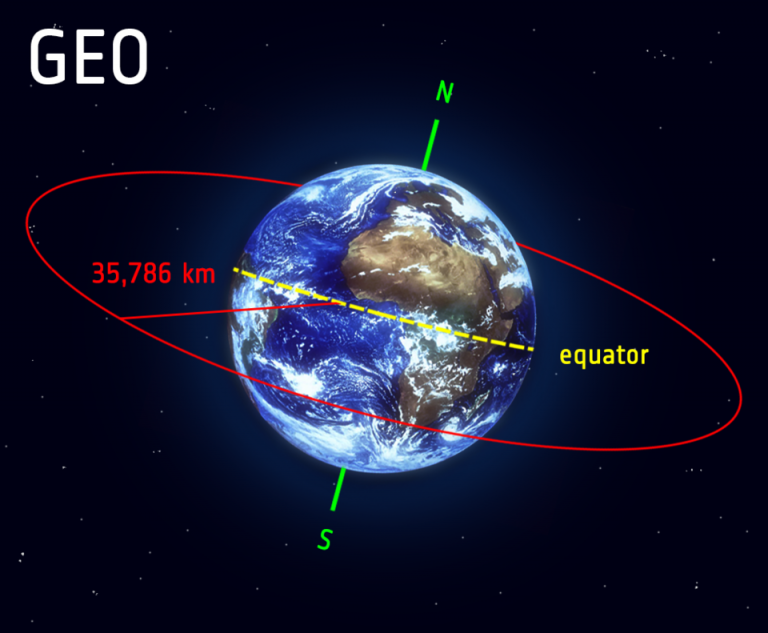
Once a geostationary satellite launches, it sits about 36,000 kilometers above the equator. The telecom operator or internet provider that bought it will never walk around it, open it up, or kick the tires.
Buyers are signing major contracts based on engineering credibility, track record, and a few photos from the cleanroom. That puts enormous weight on everything a buyer can see before signing: the team, the factory, the test results, and the satellites already working. In space, trust is the product you sell before the satellite is built.
Who Space Companies Have to Convince
A satellite company has to earn trust from several audiences at once:
- Telecom operators and internet providers who need reliable coverage for years
- National operators buying sovereign capacity for their country
- Investors and lenders who fund long, capital-heavy production cycles
- Engineers who could work at any AI company in the city
Each audience wants proof, but in a different form.
Operators want reliability. Investors want production progress. Engineers want to see hardware they would be proud to build.
What Is Space Tech Marketing?
Space tech marketing is the work of explaining satellites, spacecraft, and space infrastructure to customers, investors, partners, and engineers. Done well, it relies on real build and test footage, accurate orbital animation, and engineers on camera rather than dramatic launch hype.
Its main job is to replace the physical product demo that space companies can never offer. Content becomes the closest thing customers have to touching the hardware. It also requires consistency: the same claims and numbers in a sales deck, an investor update, and a short clip.
3 Ways to Market Hardware Nobody Will Touch
These three approaches help Bay Area space startups build trust with buyers who will never see the product.
1. Film the build and the tests
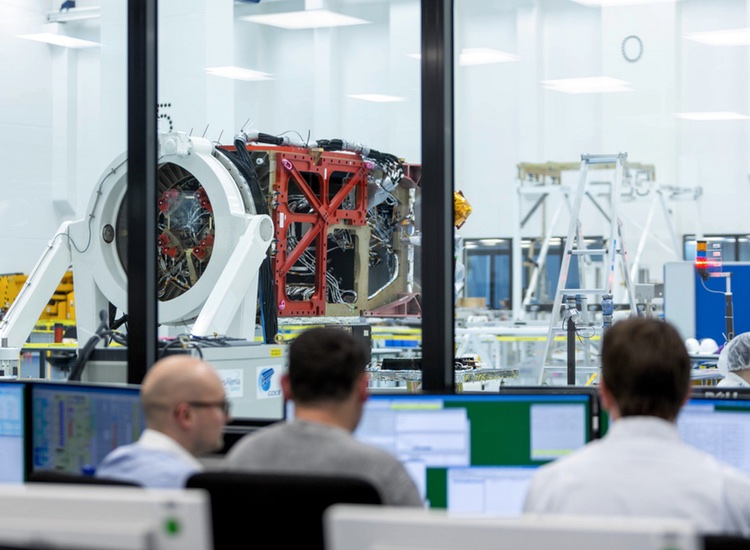
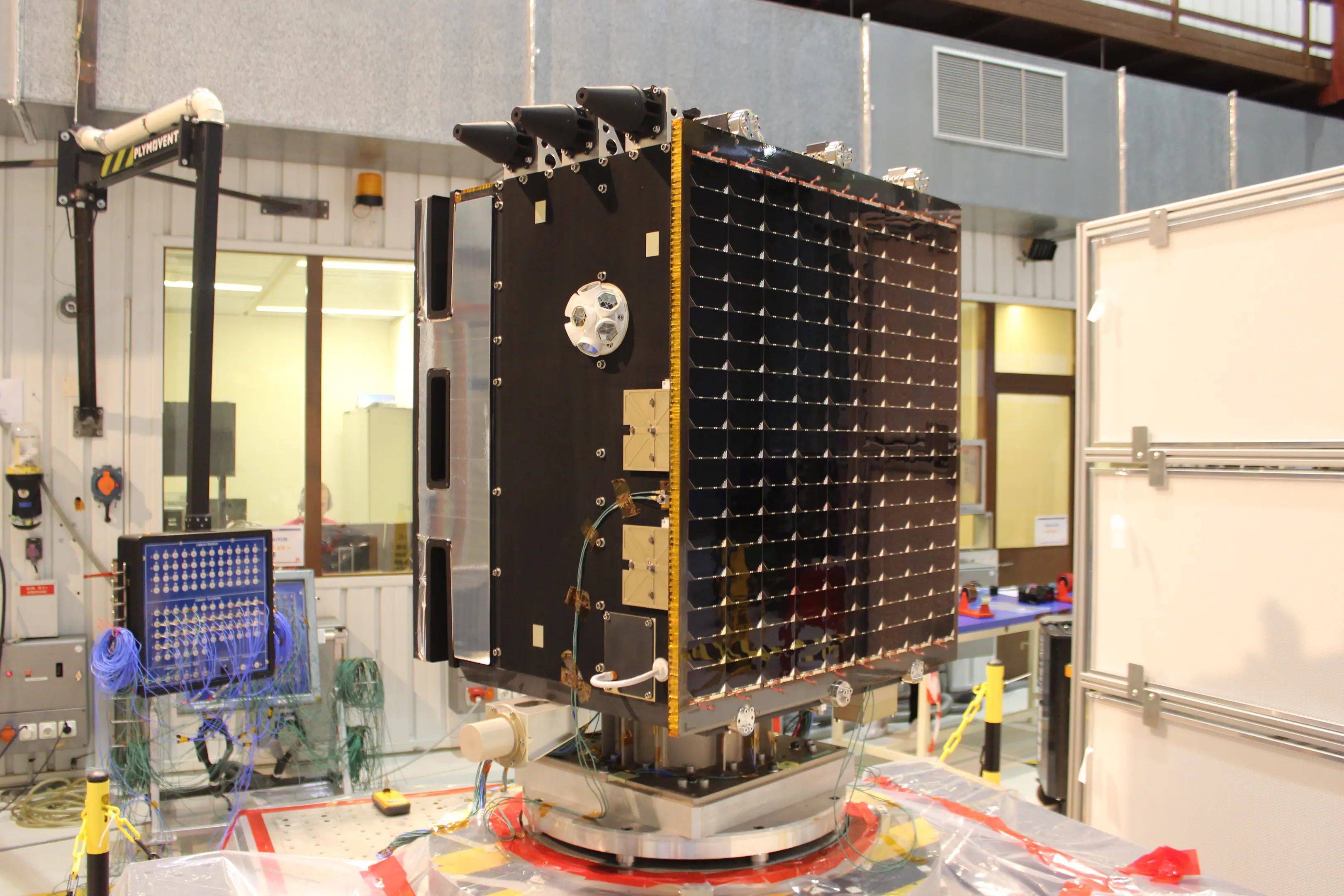
Your factory is your showroom. Film integration, cleanroom work, and every major test: vibration, thermal vacuum, and antenna checks.
Test footage is especially powerful. It shows buyers that the satellite has been pushed hard on the ground before it ever faces space. A clip of a satellite surviving a vibration test is worth more than a page of reliability claims.
Keep the camera rolling across the whole build. When a satellite ships, you should already have a library of clips showing how it was made. That library pays off in sales, recruiting, and investor updates.
2. Animate how the system works in orbit
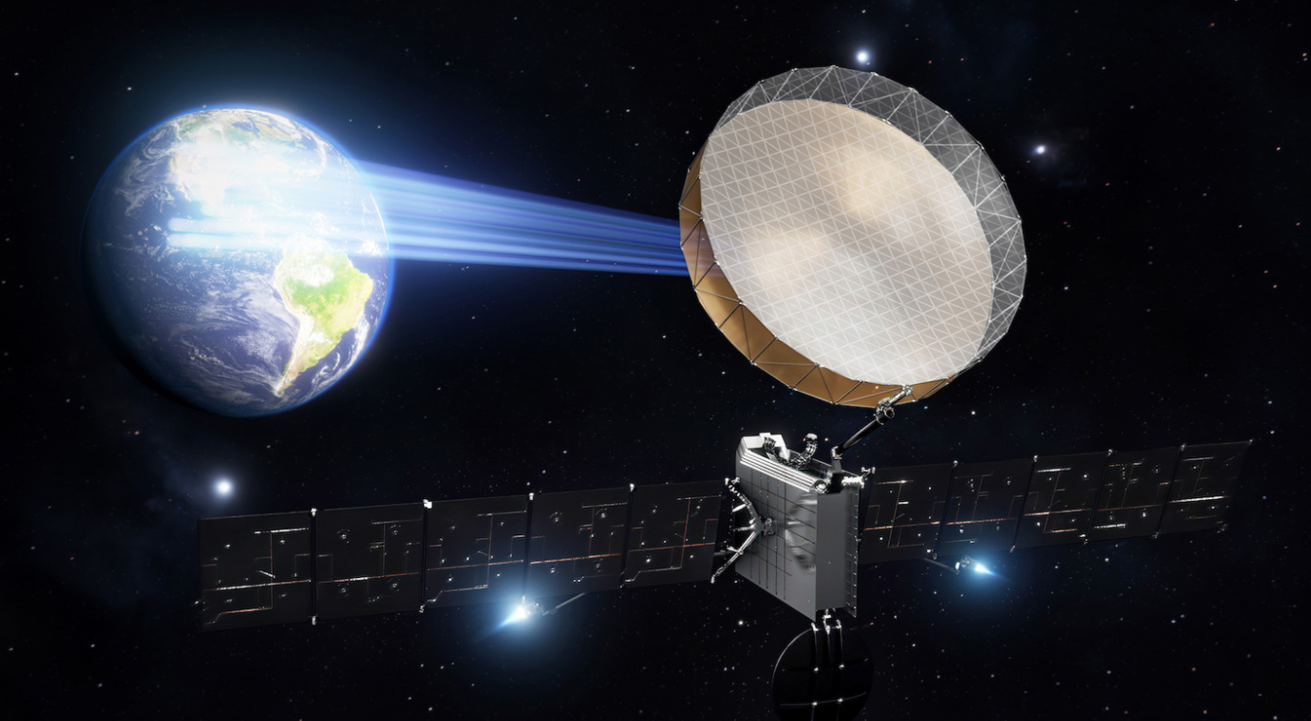
No camera can show a satellite delivering internet to a remote island from 36,000 kilometers away. Animation can.
A short animation can show the launch, the move into orbit, the coverage area, and how signals reach customers on the ground. It helps operators picture the service, and it helps investors understand why a smaller satellite can compete with much larger ones. Make a short version for social media and a longer one for sales meetings and trade shows.
Every animation should be reviewed by your engineers before anything is animated. Space buyers are highly technical, and one wrong detail can undo months of credibility.
3. Recruit engineers in an AI town
San Francisco is the center of the AI boom. Space companies hiring here compete with AI labs and startups that often pay a premium for the same engineering talent.
To win that competition, show what candidates cannot get anywhere else: the satellites, the cleanroom, the test chambers, and the moment their work leaves the planet. Engineers who love hardware want to see it, not read about it.
Put current engineers on camera explaining what they built and what it does in orbit. Those clips work on LinkedIn, on careers pages, and at university recruiting events.
Recruiting content also reaches customers. A team that looks proud of its work signals a company that will deliver.
Turn the Production Line Into a Content Line

A satellite company that builds spacecraft regularly has a built-in content calendar. Every satellite can become a short series:
- Integration: The satellite takes shape in the cleanroom
- Testing: Vibration, thermal, and performance tests
- Shipping: The satellite leaves the factory for the launch site
- Launch: The moment it leaves Earth
- First signal: The first sign it is working in orbit
- Customer handover: The operator starts serving users
Each step is a short clip for LinkedIn and YouTube. Together, they show customers and investors a company that ships, again and again. Plan filming for each step in advance, so the team is not scrambling when a milestone arrives.
Repeatable production is the strongest story a space company can tell. It turns an extraordinary achievement into a reliable process.
How San Francisco Compares to Other Space Hubs
Each space hub has its own marketing challenge. Seattle space companies compete with Big Tech for talent, as we cover in our guide to space tech marketing in Seattle. LA's Space Beach startups face a similar challenge with launch and reentry footage.
San Francisco's space founders also share a challenge with the city's other hard tech companies: getting noticed in an AI-dominated market. See how semiconductor startups explain invisible chips and how quantum companies avoid hype.
Make Your Satellite Feel Real
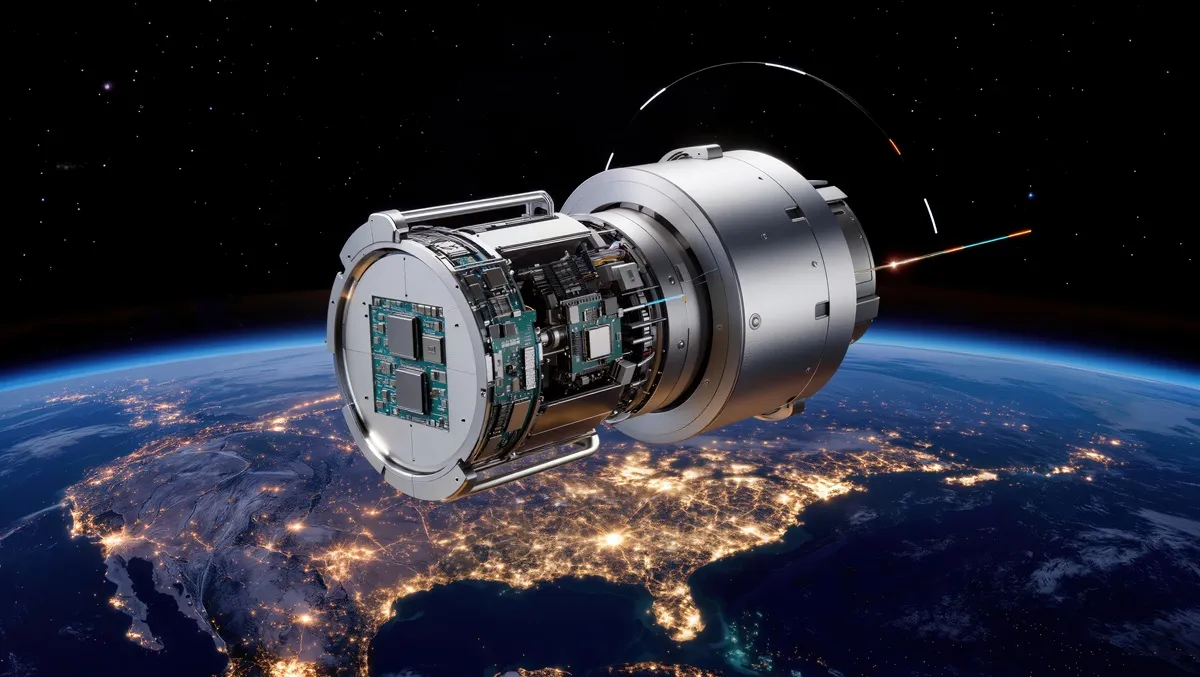
Your customers will never touch your satellite. Your content is the closest they'll get. Make every frame count.
We turn cleanroom, test, and launch footage into short-form content, animate what happens in orbit, and make recruiting videos that help you hire engineers in a city full of AI offers.
See our work in our case studies, then book a call to see what we would build for your team.

Frequently Asked Questions