Not Just Hollywood: Why LA Biotech Startups Need a Better Story Than Their Address
A biotech marketing agency in Los Angeles helps life sciences startups prove that LA is a serious biotech city, and that their science belongs in it. For LA biotech founders, that means explaining the science with Hollywood-level clarity, leaning on the region's hospitals and research institutions as proof, and recruiting scientists who might otherwise move to Boston or San Francisco.
This guide explains why LA's biotech story is stronger than its reputation, why perception is the real marketing problem, and how founders can turn the city's media strengths into an advantage.
LA Has a Serious Biotech Track Record
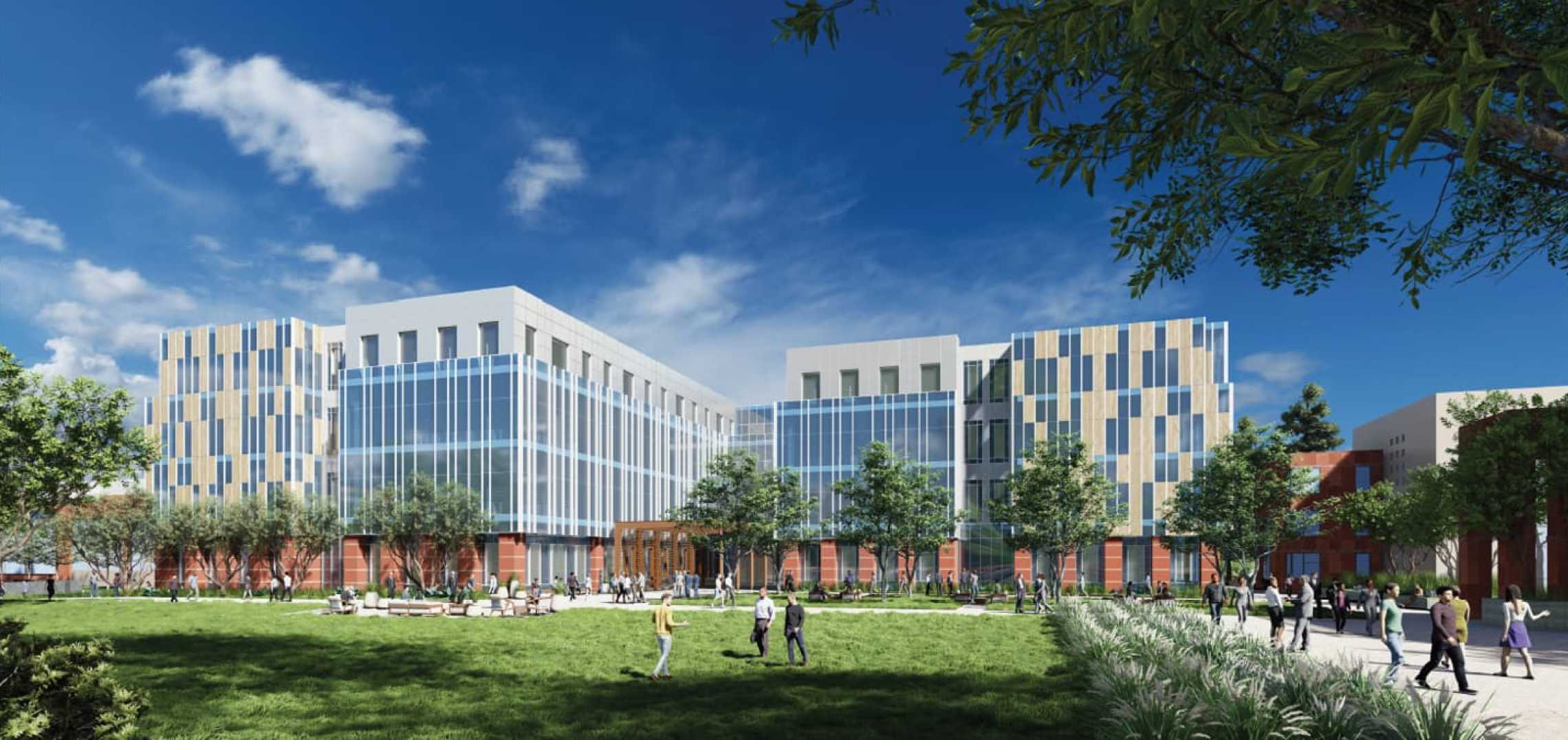
When investors think of biotech, they think of Boston and San Francisco. Los Angeles rarely makes the list, even though its track record is hard to ignore.
- Kite Pharma was founded in Santa Monica in 2009 by Arie Belldegrun. In 2017, Gilead agreed to acquire Kite for about $11.9 billion, one of the defining deals of the cell therapy era. Kite ran research from Santa Monica and manufacturing from El Segundo.
- Amgen was founded in Thousand Oaks in 1980 and is still headquartered there. In October 2025, it broke ground on a $600 million center for science and innovation at its Thousand Oaks campus.
- Capsida Biotherapeutics, a Thousand Oaks gene therapy startup, launched with a $140 million Series A and a major AbbVie collaboration in 2021. In January 2025, AbbVie paid $40 million to opt into one of its programs.
LA does not need to become a biotech city. It already is one. The challenge is getting the market to notice.
The Research Engine Behind It
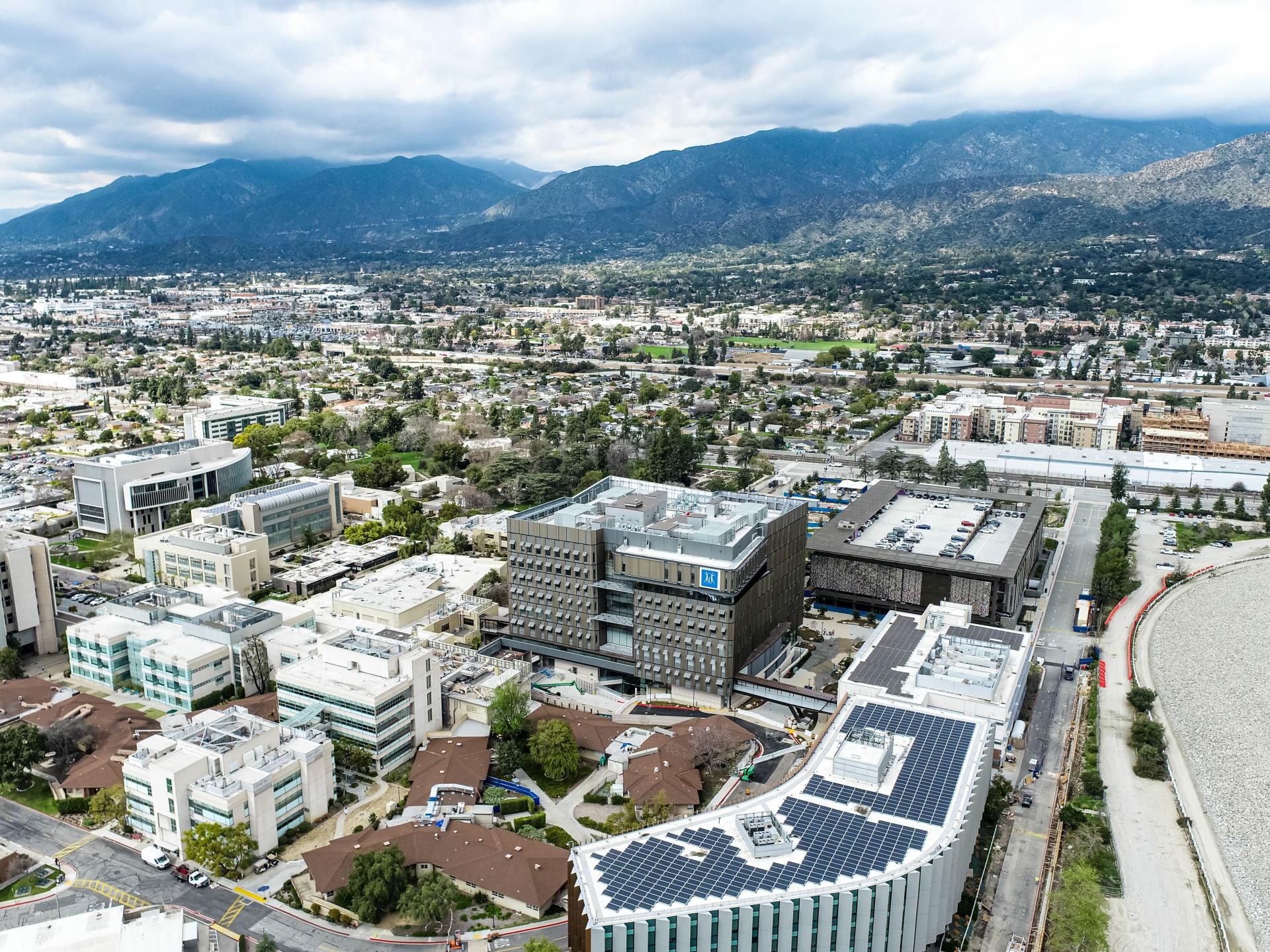
LA's biotech strength starts with its institutions: UCLA, USC, Caltech, Cedars-Sinai, and City of Hope in Duarte. Those institutions give startups access to clinical partners and investigators within their own region.
Biocom's economic impact report found that LA County received nearly $1.1 billion in NIH funding in a single fiscal year and has repeatedly received more NIH funding than any other California county. City of Hope alone runs about 500 clinical trials.
The talent pipeline is just as deep. The region produces more than 8,700 life sciences graduates a year, according to the LA County Department of Economic Opportunity, as reported by BioSpace in March 2026.
So Why Doesn't LA Make the List?

The problem is perception, not substance. LA's life sciences assets are spread across a huge region, from Thousand Oaks to Duarte to Torrance.
"We just have this embarrassment of riches," BioscienceLA CEO Stephanie Hsieh told BioSpace. "That's our biggest problem is we are so large and so spread out that you don't see the whole of what's here."
When investors cannot see the whole ecosystem, they assume it is not there. That puts the burden on each startup to show that its science, its partners, and its city are credible.
The Hollywood Paradox
There is a second challenge. LA is home to some of the best storytellers in the world, and investors know it.
That cuts both ways. A polished video can make a biotech look impressive. But a video that feels like entertainment can also make serious science look like hype.
Investors who back science want precision. They want to know exactly what a therapy does, who it helps, and what the data shows.
Most entertainment storytellers have never explained a mechanism of action, a clinical endpoint, or a regulatory pathway. In biotech, the story only works if the science is exact.
What Does a Biotech Marketing Agency in Los Angeles Do?
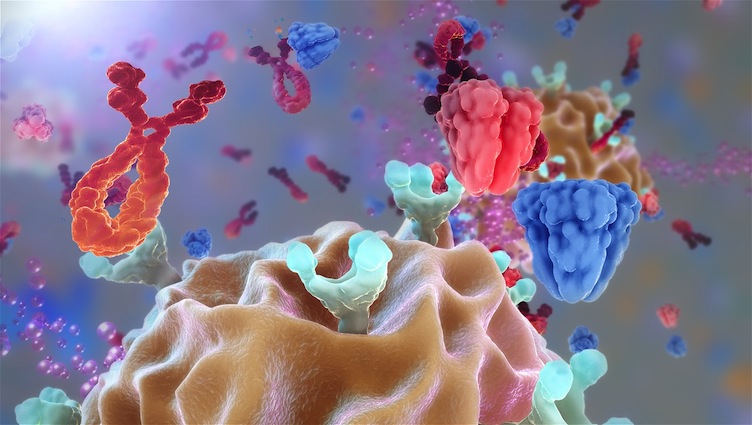
A biotech marketing agency in Los Angeles turns complex science into content that investors, partners, clinicians, and scientific talent understand and trust. Typical work includes mechanism of action animations, pitch films, recruiting videos, and short clips from conferences and milestones.
The difference from general creative agencies is scientific accuracy. Every frame has to hold up when a scientist, an investor, or a regulator looks closely. It also means planning content around scientific milestones and conferences, when investors and partners are paying attention.
3 Ways LA Biotechs Can Turn Their Address Into an Advantage
These three approaches help LA biotech founders use the city's strengths instead of fighting its reputation.
1. Explain your science with Hollywood-level clarity
LA founders have access to world-class production talent. Use that advantage, but aim it at clarity rather than spectacle. Hollywood-level clarity means simple visuals, a clear sequence, and narration a non-specialist can follow, without dropping any of the science.
A 60-second mechanism of action animation can show how your therapy works, where it acts, and why it matters. Every animation should be reviewed by your scientific team before production, and be ready for medical, legal, and regulatory review if it describes clinical programs.
Use the same animation in your pitch deck, partner meetings, conference talks, and website. One clear explanation, used everywhere, builds a consistent story.
2. Lean on LA's hospitals and research partners as proof
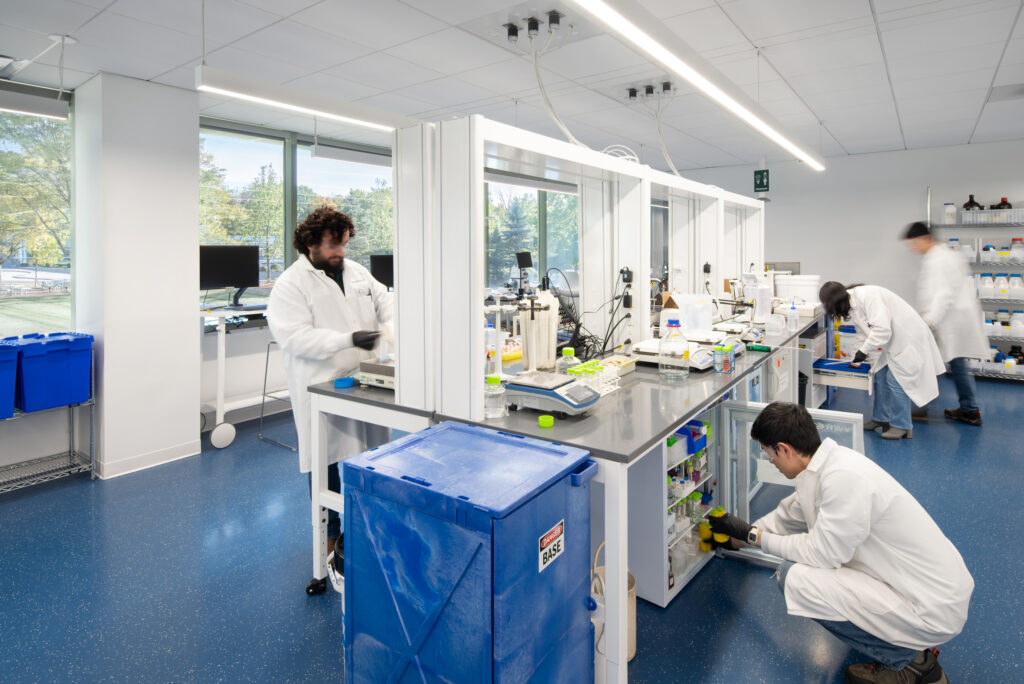
LA's strongest proof points are its institutions. If you collaborate with UCLA, Cedars-Sinai, City of Hope, or USC, that relationship tells investors your science has been tested by serious experts.
With permission, feature those partnerships in your content. Short clips with investigators explaining why they work with you carry more weight than any founder claim.
Clinical sites also give you visual proof. Footage of a working lab or clinic, filmed with permission, makes your progress tangible.
Your own milestones also count. A licensing deal, an IND clearance, or a first patient dosed is proof that your company is moving, so turn each one into a short clip on the day it happens.
3. Recruit talent who might otherwise move to Boston
Senior scientists often assume the best biotech careers are in Boston or San Francisco. Your recruiting content has to change that assumption.
A strong recruiting video sells both your science and your city. Show the lab, the team, and the problem you are solving, then show what it is like to build a career in LA.
Candidates join companies they can picture themselves in. Put current scientists on camera explaining their work and why they chose LA.
Show the life around the lab too, from the neighborhoods to the outdoors, so candidates can picture living there. The region's 8,700 annual life sciences graduates are a strong pipeline, but experienced leaders need a reason to come, or to stay.
How LA Compares to Other Biotech Hubs
Every biotech hub has its own marketing challenge. Boston founders compete in Kendall Square, New York founders compete with Boston, San Francisco founders compete with AI for attention, and Seattle founders make protein design clear. LA's challenge is different: proving the city itself belongs on the list.
For the wider LA scene, see our guides to medical device marketing in Los Angeles and choosing a deep tech marketing agency in Los Angeles.
Give Investors a Better Story Than Your Address
LA biotech founders are surrounded by the best storytellers in the world, but most of them have never explained a mechanism of action. We have. Clear science is the fastest way to change how investors see LA.
We make mechanism animations your scientific team reviews before production, pitch films for your next round, and recruiting videos that sell your science and your city.
See our work in our case studies, then book a call to see what we would build for your company.

Frequently Asked Questions