The Brain Without the Body: Marketing Physical AI Startups in San Francisco
Physical AI marketing works when it proves the model is real. For Bay Area physical AI and robot foundation model startups, that means labeling and sharing unedited robot footage, showing failures alongside wins, animating what the model is actually doing when a robot moves, and turning research releases into short clips that technical buyers and investors trust.
This guide explains why physical AI is San Francisco's hottest frontier, why it has a marketing problem unlike any other, and how founders can market honestly.
San Francisco's Hottest AI Has a Body
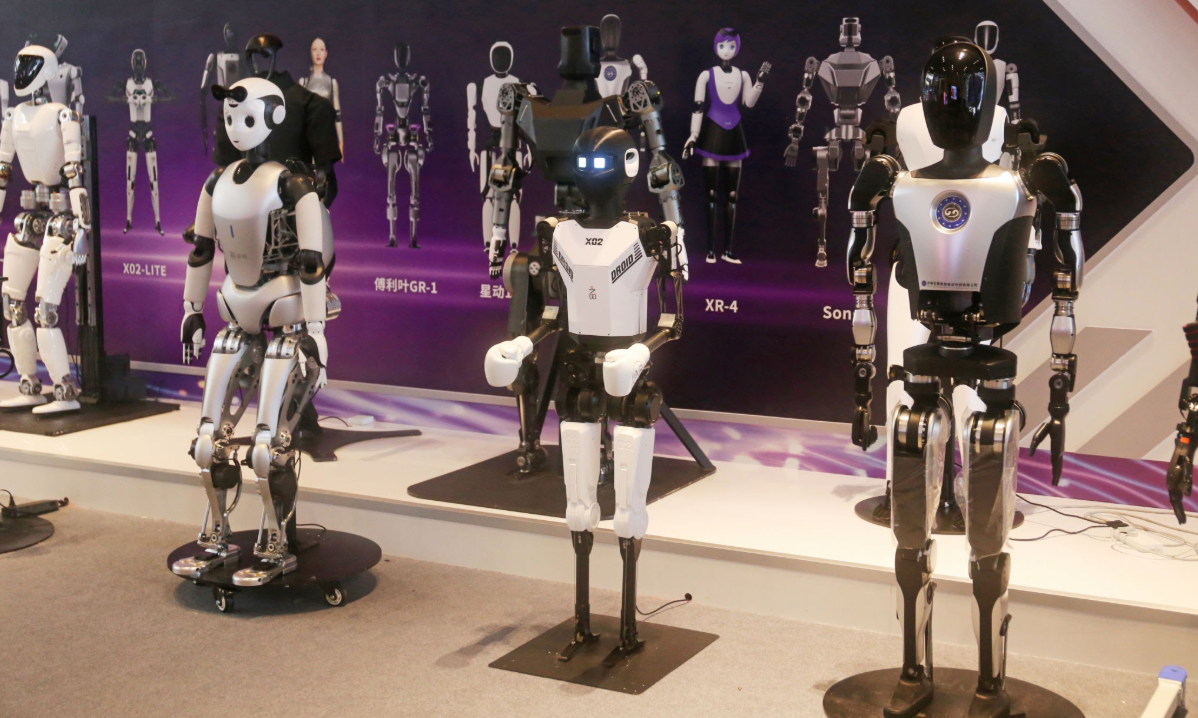
The most exciting corner of San Francisco AI is not chatbots. It is AI that controls physical machines.
Physical Intelligence, headquartered in San Francisco, builds models that let robots understand what they see, follow language instructions, and move. Its founders came from Google DeepMind, Stanford, and UC Berkeley.
The capital behind it is enormous. In November 2025, the company was valued at $5.6 billion after raising about $600 million, Bloomberg reported. In March 2026, Bloomberg reported it was in talks to raise $1 billion at around $11 billion, and later reporting put new talks near $20 billion.
In the South Bay, Figure AI, which builds a general-purpose humanoid robot, raised more than $1 billion in a Series C at a $39 billion valuation in September 2025. Figure builds the whole robot, but its demos face the same questions from skeptical viewers.
Physical AI has become one of the most heavily funded bets in the Bay Area.
Selling a Brain, Not a Robot
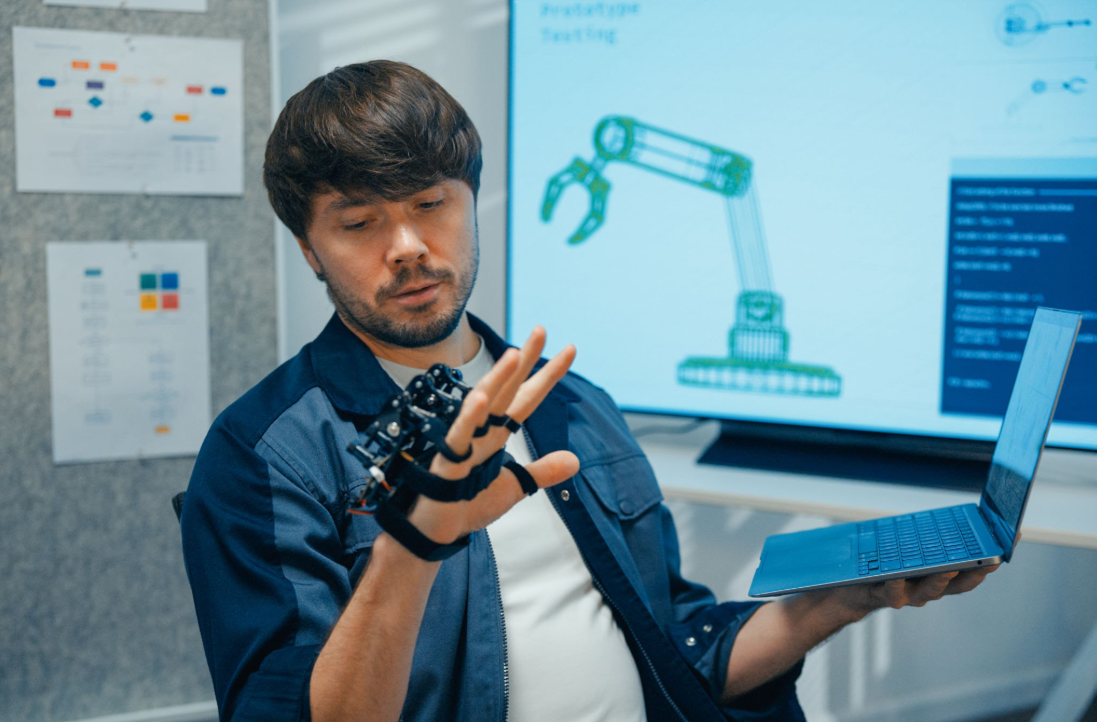
Physical AI has a marketing problem unlike anything else in the region. Many founders, like Physical Intelligence's, sell a "brain": a model, not a robot.
There is no product to hold up. The same model might run on a robot arm, a mobile robot, or a humanoid made by someone else. Investors and partners cannot touch what you sell, and they cannot see it working unless a robot shows it.
Partners also want to know the model will work on their hardware, in their environment. Footage from many robots and many settings answers that question better than one perfect demo.
Your robot footage is your product demo, your proof, and your brand at the same time. That makes the honesty of every clip critical.
A Decade of Staged Robot Videos
Investors have watched robot videos for years. Many were impressive. Some were not what they seemed.
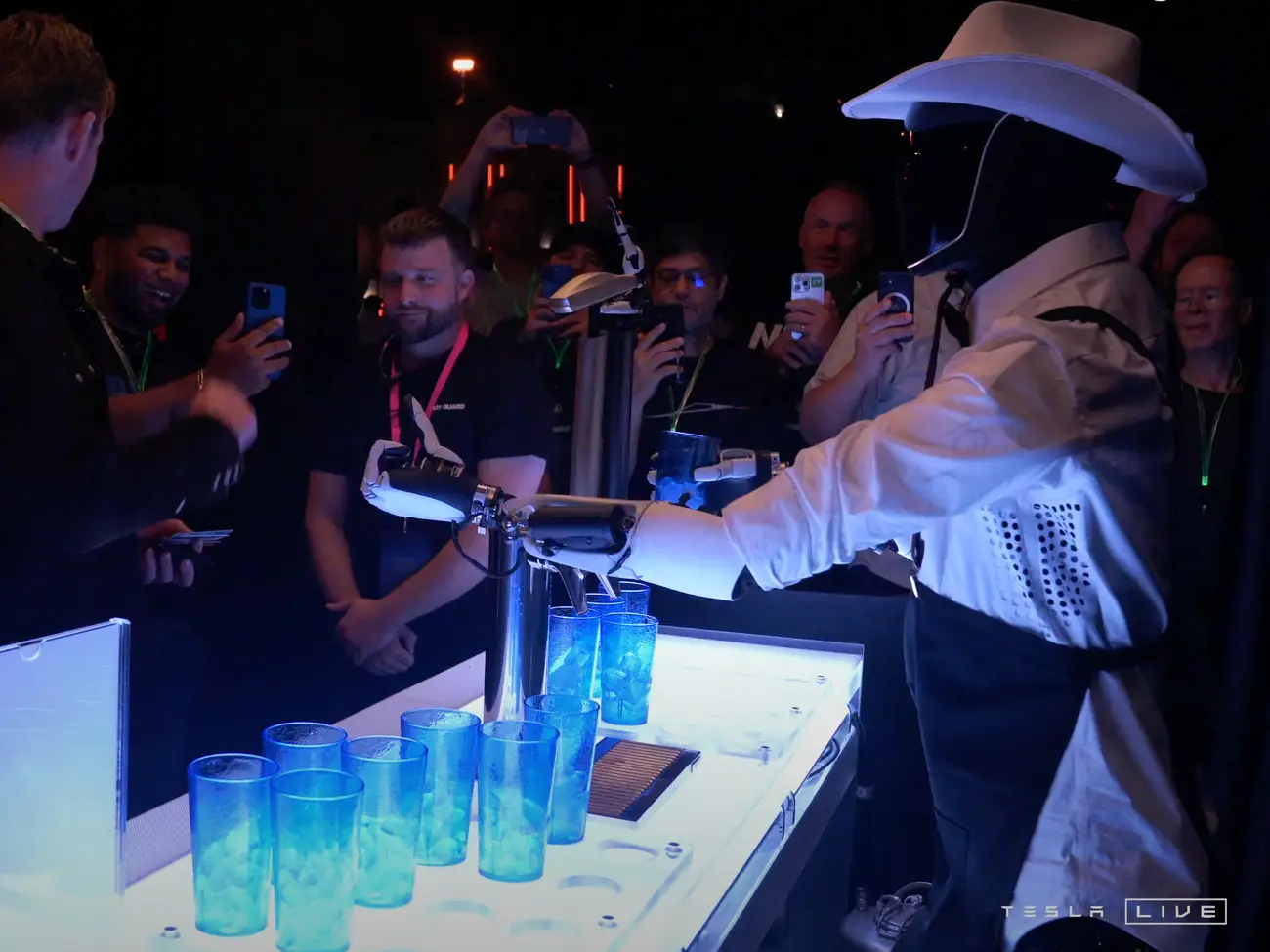
At Tesla's "We, Robot" event in October 2024, Optimus robots served drinks and talked with guests. Days later, reports said the robots had been controlled by humans during parts of the event.
Episodes like that train audiences to doubt what they see.
Sophisticated viewers now ask the same questions about every robot video: Was it teleoperated? Was it sped up? How many takes did it take?
If your video does not answer those questions, viewers will assume the worst. The upside is that honesty is now a real way to stand out.
What Is Physical AI Marketing?
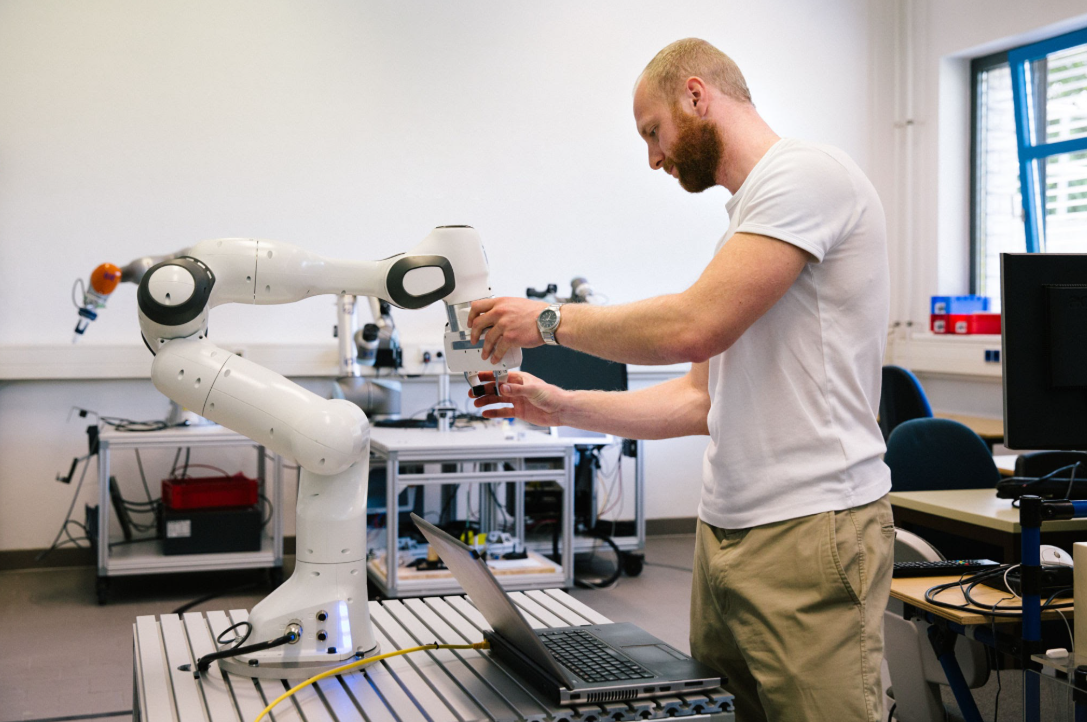
Physical AI marketing is the work of explaining AI models that control robots and other machines to investors, technical buyers, partners, and researchers. Done well, it relies on clearly labeled robot footage, honest success and failure data, model animation, and researchers on camera rather than polished demo reels.
It sits between AI research communication and robotics marketing. The audience includes some of the most technical and skeptical viewers in tech. It also requires consistency: the same claims, numbers, and labels in a pitch deck, a research post, and a short clip.
4 Ways to Market Physical AI Honestly
These four approaches help Bay Area physical AI startups earn trust in a market full of hype.
1. Label every clip
Add a simple line to every video: autonomous or teleoperated, real time or sped up, first attempt or best of several. Put it on screen, not buried in a caption.
This takes seconds and answers the questions skeptical viewers ask first. Keep a short note on your website explaining how you label footage, so viewers know you have nothing to hide. Labels turn a clip from "impressive" into "credible."
2. Show failures alongside wins
A robot that folds laundry perfectly in a 20-second clip tells viewers very little. A clip that shows ten attempts, with the success rate on screen, tells them a lot.
Failures also show how the model recovers and improves. Pair a failure clip with a later clip of the same task succeeding, and you have a story about learning that investors and researchers respect.
Share the numbers you can stand behind, such as success rates across many trials, and explain how you measured them.
3. Animate what the model is doing
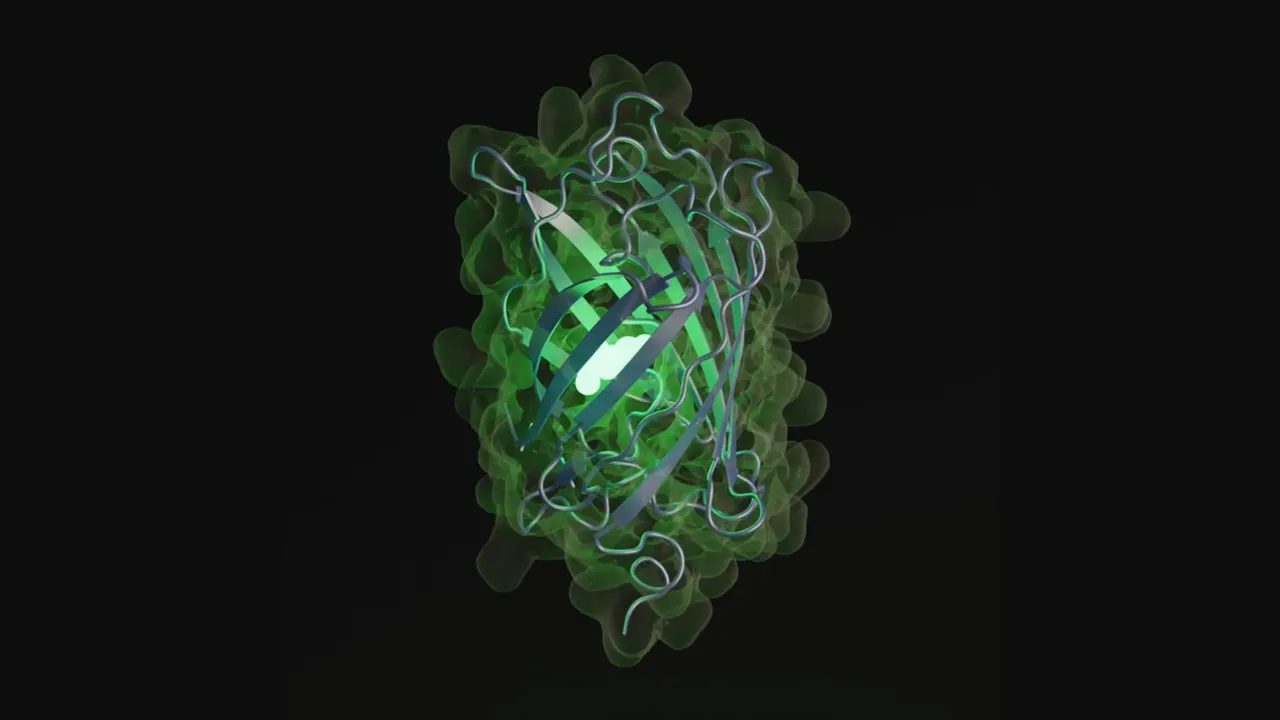
When a robot picks up a cup, viewers see the arm move. They do not see what the model sees, how it reads the instruction, or how it decides what to do next.
A short animation can show that process: camera images go in, the model interprets them along with a language instruction, and actions come out. Animation makes the invisible "brain" visible. Every animation should be reviewed by your researchers before anything is animated, so it stays accurate.
Use the same animation in investor decks, partner meetings, and recruiting, so every audience sees one consistent explanation.
4. Turn research releases into short clips
Physical AI companies publish papers, model releases, and technical blog posts. Most of that work reaches only researchers.
Turn each release into three or four short clips: one showing the result, one explaining the method in plain language, and one with a researcher talking about what surprised them. Post them the day the release goes out, while attention is highest. Include unedited footage from the evaluation itself, since researchers trust raw results more than a highlight reel.
Recruit the Researchers Everyone Wants
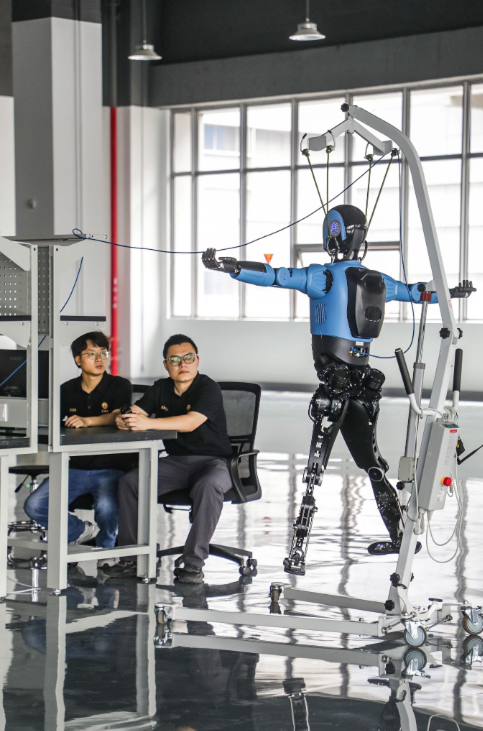
Physical AI companies compete for the same small pool of researchers and engineers as the biggest AI labs in the world.
Recruiting videos help. Show the lab, the robots, and the people. Let researchers explain what they work on and why it matters.
Candidates want to see real robots and real problems, not just a mission statement. Short clips of researchers explaining a recent result also work well on LinkedIn and X, where much of the robotics research community follows the field. The same honest footage that builds investor trust also attracts the best researchers.
Boston Builds Robots. San Francisco Builds Brains.
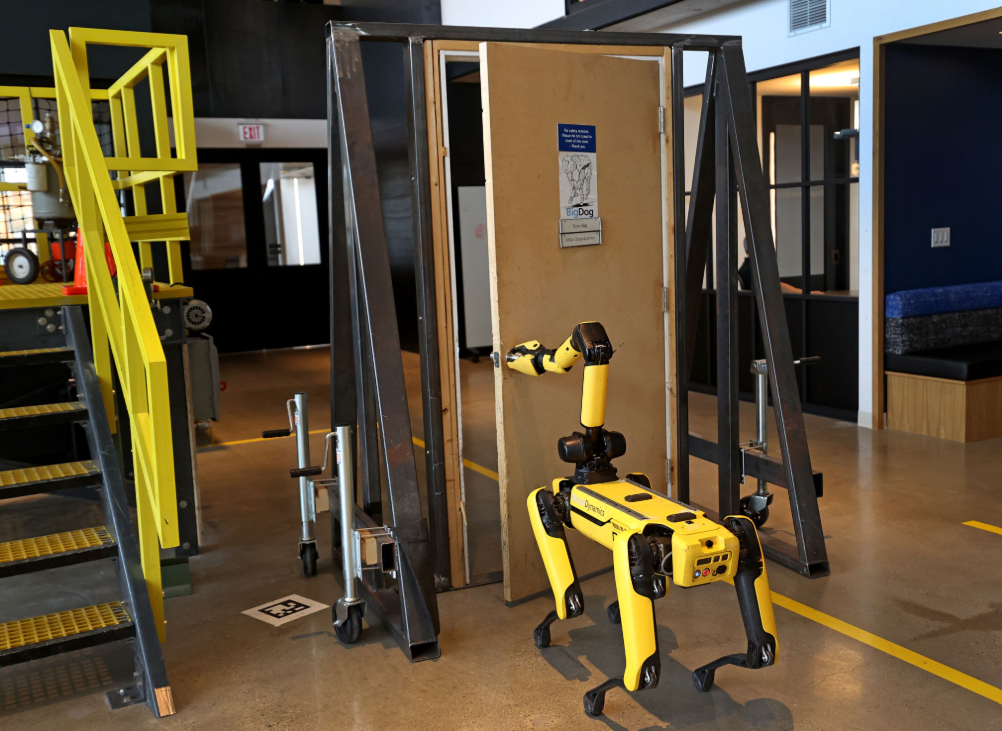
Boston's robotics scene sells robots that do specific jobs in warehouses, hospitals, and factories. Our guide to choosing a robotics marketing agency in Boston covers how those companies win customers with deployment footage.
San Francisco's physical AI startups sell something harder to see: the intelligence behind the machine. Both need honest footage, but SF model companies need it even more, because the product itself is invisible. They face the same challenge as other Bay Area hard tech companies, from semiconductor startups explaining invisible chips to quantum companies avoiding hype.
Show What's Real
In physical AI, everyone has a slick robot video. Trust comes from showing what's real.
We turn your lab footage and research releases into short-form content that's honest about what your model can do, and make explainer animations that show what's happening inside the model.
See our work in our case studies, then book a call to see what we would build for your team.

Frequently Asked Questions