When the Grant Disappears: Advanced Materials Marketing Lessons From Boston's Cement Startups
Advanced materials marketing has to work without a safety net. For Boston materials startups, that means showing your process visually, turning test results and pilot pours into proof content that conservative buyers trust, and building a story strong enough to carry your next raise and your next customer, with or without a government grant.
This guide looks at what happened to one of Massachusetts' most promising cement startups, why materials buyers are so hard to win, and how founders can build a story that does not depend on a single source of funding.
Sublime Was Massachusetts' Green Manufacturing Poster Child
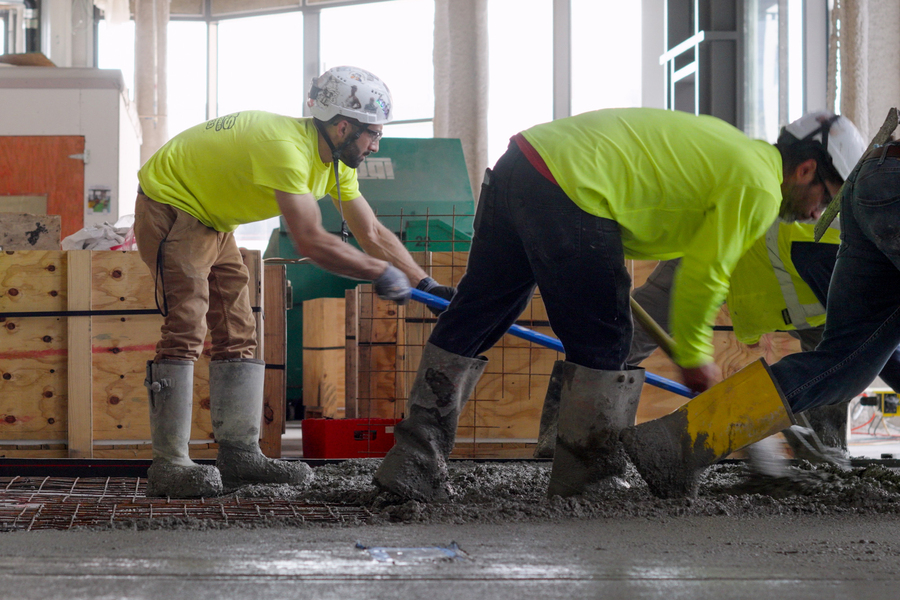
Sublime Systems was founded at MIT in 2020 by Dr. Leah Ellis and Professor Yet-Ming Chiang, who also co-founded Form Energy. The company makes cement without a kiln.
Conventional cement is made by heating limestone to about 1,450°C in fossil-fuel-powered kilns. Sublime's electrochemical process runs near room temperature and needs no limestone, which the company notes is roughly half carbon dioxide by weight.
The early proof was strong. Sublime ran a pilot plant in Somerville with a nameplate capacity above 250 tons per year. In September 2024, it secured a combined $75 million in equity investments and a pre-paid offtake reservation from CRH and Holcim, two of the world's largest building materials companies.
On top of that, the Department of Energy had selected Sublime for up to about $87 million, covering up to half the cost of a 30,000-ton-per-year plant in Holyoke.
Few climate startups have ever had that combination: a working process, global industry partners, and federal backing.
Then the Grant Disappeared

On October 1, 2025, the Department of Energy announced it had terminated 321 financial awards across 223 projects, worth about $7.56 billion.
Sublime's grant was one of them. In December 2025, the company paused construction in Holyoke and cut 10% of its staff, according to Construction Dive. Sublime said it was "actively working through a robust set of alternative scale-up plans."
The technology did not change. But a major part of the capital plan vanished overnight.
For a capital-heavy materials company, a gap like that can slow a first commercial plant by months or years.
The Lesson: Your Story Has to Stand on Its Own
Government grants are powerful validation. They signal that experts reviewed your technology and believed in it.
But grants can change with politics, budgets, and priorities. When public money disappears, your story has to carry the next raise and the next customer on its own.
That means investors and buyers should already understand why your material matters, how it performs, and who wants it, without needing a grant announcement to make the case. Companies that have built that understanding before a setback are in a much stronger position to recover from one.
Materials Buyers Buy Specs, Not Missions
Materials companies sell to some of the most conservative customers in the world:
- Ready-mix producers who need consistent performance batch after batch
- Contractors who cannot risk a failed pour on a job site
- Steelmakers and manufacturers who run processes built over decades
- Builders, architects, and engineers who specify materials and carry the liability
These buyers do not respond to climate slogans. They buy on test data, specifications, and proof that the material performs in real conditions.
They also move slowly. New materials often need to pass standards and specification reviews before a contractor can use them on a real project.
A mission statement opens the conversation. Test data closes it. Your marketing has to deliver both.
What Is Advanced Materials Marketing?
Advanced materials marketing is the work of explaining new materials, from low-carbon cement to green steel, to industrial buyers, specifiers, and investors. Done well, it relies on process animation, visible test results, pilot footage, and engineers on camera rather than broad sustainability claims.
It also has to protect intellectual property. The best materials content shows what a process achieves without exposing exactly how it works.
4 Ways to Market a New Material to Skeptical Buyers
These four approaches help Boston materials startups earn trust with buyers and investors at the same time.
1. Show the process visually
Most people have never seen how cement, steel, or any building material is actually made. A short animation can show the difference between a 1,450°C kiln and an electrochemical process at room temperature in under a minute.
Make two versions: a public cut that shows the principle, and a detailed cut for partners under NDA. We took this approach for C-Biotech, which works with bio-based construction materials, creating videos that explained its features and processes without revealing proprietary information.
2. Turn test results into proof content
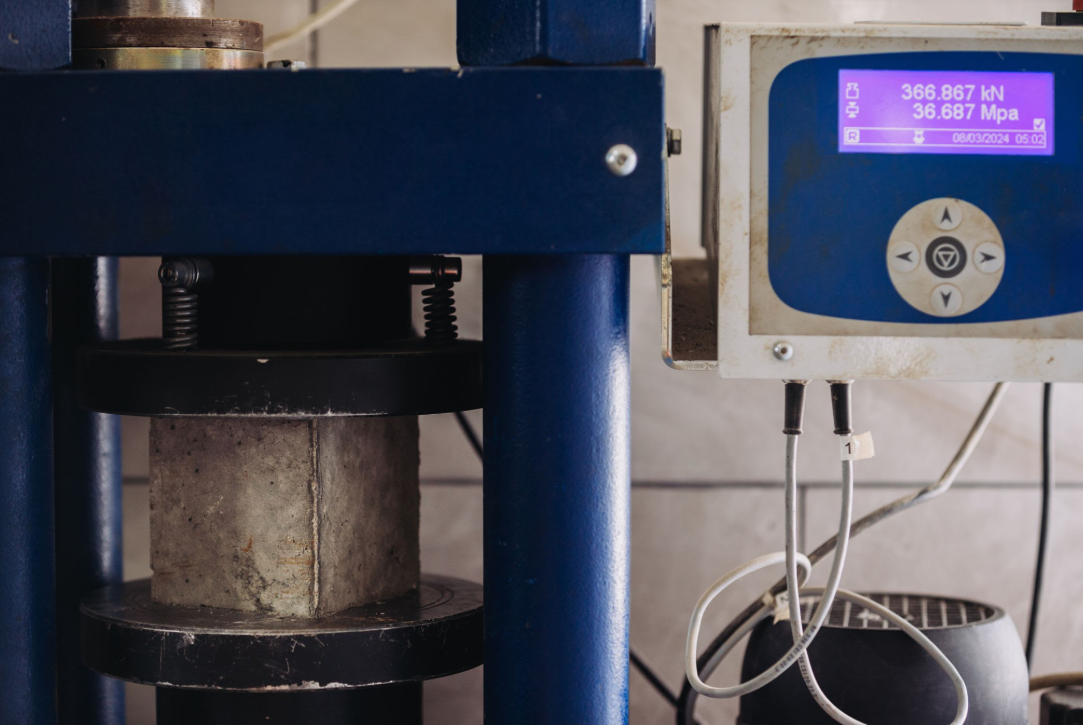
Strength tests, durability data, and certification milestones are your most persuasive assets. Most companies bury them in PDFs.
Film the test itself. A short clip of a concrete cylinder being crushed, with the result on screen, is more convincing than any brochure. Buyers trust what they can see break, or not break.
3. Film pilot pours and real projects
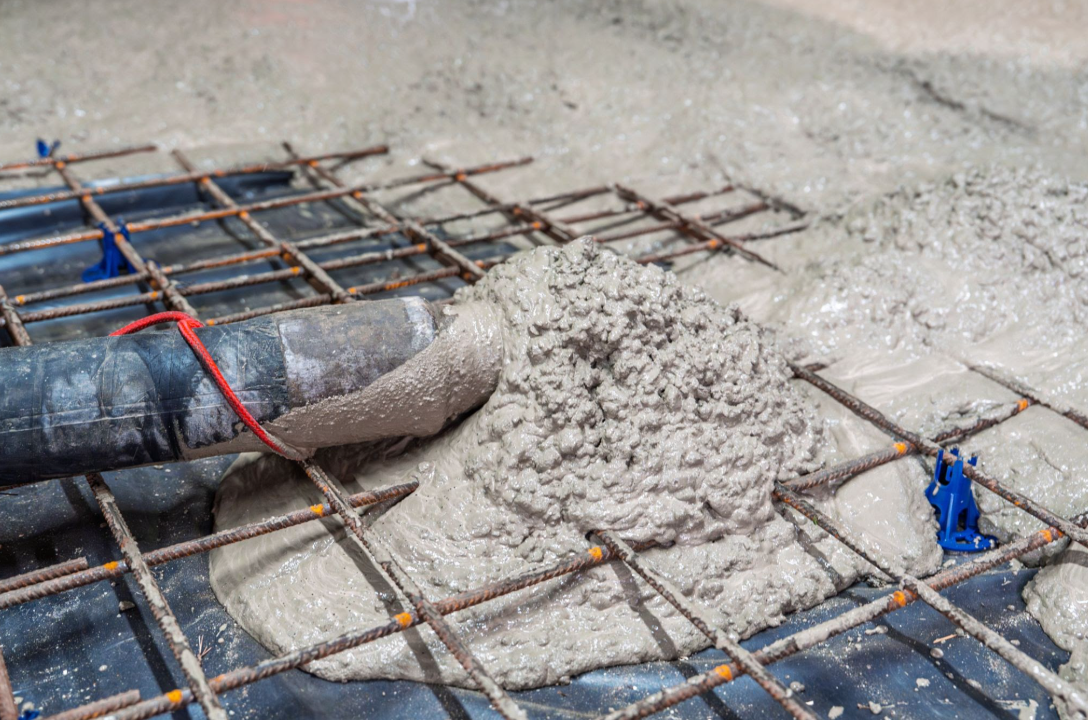
Every pilot pour, demonstration slab, or partner project is proof the material works outside the lab. Capture the site before, during, and after. Shoot wide shots of the site, close-ups of the material, and short interviews you can cut for LinkedIn.
Include the people who used it. A short comment from a contractor or ready-mix operator carries more weight with other buyers than any claim from your founder.
4. Build a story that does not depend on one grant
Make your customers, partners, and test results the center of your story. Those are assets no budget decision can take away.
When you mention a grant, present it as one source of validation, not the foundation of the business. Investors want to see a company that can keep moving if one funding source changes.
A Resilient Content Checklist for Materials Founders
Before your next raise or sales push, make sure you have:
- A 60-second process animation with an IP-safe public version
- A test results reel showing your key performance data on screen
- Pilot and project footage with buyers and partners on camera
- A founder pitch film that explains the market, the material, and the traction without relying on any single grant
- A steady stream of short clips from conferences, site visits, and milestones
With these assets in place, a funding setback becomes a chapter in your story, not the end of it. They also make every future grant application, investor update, and sales meeting easier.
Learn From Boston's Other Materials and Climate Companies
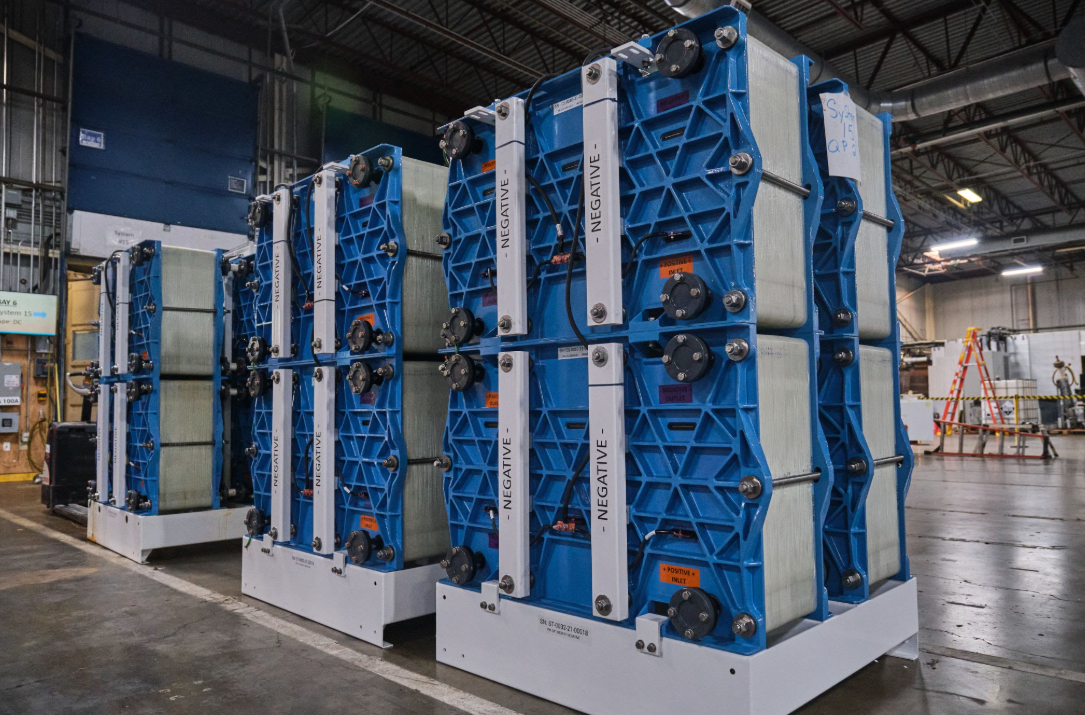
Boston has strong examples of companies that sold complex industrial processes to conservative markets. Our green steel marketing breakdown covers Boston Metal, and our look at how Form Energy made rust a feature shows how a simple story can sell a complex chemistry.
For the wider scene, see our guides to choosing a climate tech marketing agency in Boston and a deep tech marketing agency in Boston.
Prove the Material Performs

Materials buyers don't buy mission statements. They buy proof the material performs.
We create mechanism animations that show your process, with IP-safe versions that protect what matters, and turn your pilot plant footage and test results into short-form content that reaches builders, buyers, and investors.
See our work in our case studies, then book a call to see what we would build for your material.

Frequently Asked Questions