Deep Tech Marketing Agency in Boston: How to Choose (2026)
Choosing a deep tech marketing agency in Boston comes down to three tests. Can they explain your science accurately in under a minute, show how your technology works without exposing your IP, and turn the footage you already have into steady content? If an agency fails any one of these, keep looking.
This guide is for founders coming out of MIT, Harvard, and The Engine. We cover what to look for, the red flags, and how to use Boston's event calendar as a year-round content engine.
What Is Deep Tech Marketing, and Why Does Boston Call It Tough Tech?
Deep tech marketing is the work of explaining science-based products, like fusion magnets, engineered materials, robotics, and synthetic biology, to the people who will fund, buy, or build them. It moves slower than SaaS marketing because the product often takes years to reach the market.
Boston has its own name for what others call deep tech or hard tech. Tough tech is The Engine's term for breakthrough science and engineering companies, the kind that need more time and capital than software. MIT founded The Engine in 2016 to back exactly these companies.
The ecosystem is now big enough to have its own week. According to The Engine's 2026 announcement, Tough Tech Week runs October 26 to 30, 2026, with 50+ organizations hosting events and a Demo Day expo of 75+ startups. Last year's edition drew more than 4,000 founders and ecosystem leaders.
Why Most Boston Agencies Are the Wrong Fit for Deep Tech
Boston has plenty of good marketing agencies. Most are built for consumer brands and SaaS.
A generalist agency will ask you to simplify the message before it understands what the message is. The result is vague copy that could describe any startup, or a claim your engineers would never approve.
Founders face a gap too. Most come out of labs where they explain their work to rooms full of PhDs. Explaining the same idea in a 45-second LinkedIn clip is a different skill, and it is the one investors, customers, and hires will judge you on.
Emily Knight, CEO of The Engine, put it this way: "We are entering the age of builders, and Tough Tech builders take on the hardest version of that work: longer timelines, scarcer infrastructure, harder-won capital." Longer timelines mean your marketing has to hold attention for years, not weeks.
5 Things to Look for in a Deep Tech Marketing Agency in Boston
Use these five criteria to filter your shortlist.
1. Science literacy you can test on the first call
Ask the agency to explain your technology back to you in plain English after one conversation. If they can't, they will need you in every script review for months.
Good partners read your public papers, patents, and pitch deck before the call. The best signal is a question that shows they understand what makes your approach different from the incumbent method.
2. IP-safe mechanism animation
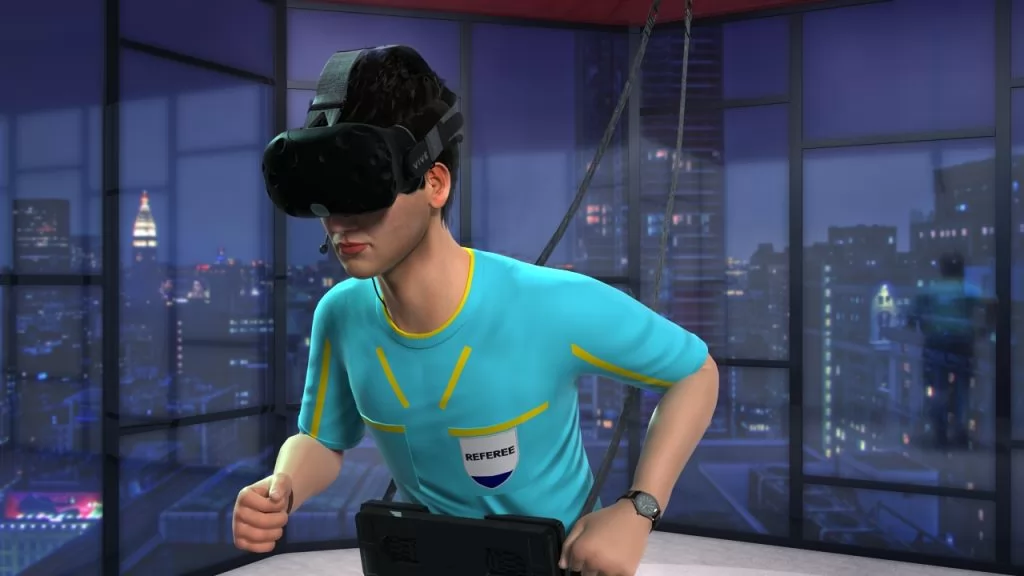
Your investors want to see how the technology works. Your patent attorney wants you to show as little as possible.
A strong deep tech agency solves both with mechanism animations. These show the principle, such as how a material captures carbon or how a magnet confines plasma, without revealing proprietary geometry, formulations, or process settings.
Ask every agency how they decide what to leave out of an animation, and who signs off. At Alluvium, scripts are reviewed before any animation starts, and we sign NDAs before seeing anything sensitive.
3. A system for turning lab and event footage into content
Most Boston founders already have hours of footage: lab walkthroughs, investor pitches, conference panels, and podcast interviews.
The right agency starts with a footage sweep, not a new shoot. They pull the strongest moments and cut them into clips for LinkedIn, YouTube Shorts, and Instagram. We break down this method in our guide on how to repurpose one video into 15+ content assets.
4. Messaging for investors, buyers, and hires at the same time
A tough tech company sells to three audiences at once. Investors want proof of progress, industrial buyers want proof of performance, and engineers want proof the mission is real.
Ask the agency to show how one piece of footage becomes three different clips for three different audiences.
5. Proof from companies like yours
Ask for work with hardware, climate, biotech, or materials companies.
Commonwealth Fusion Systems, an MIT spinout, built trust with documentary footage instead of glossy renders, which we unpack in our fusion energy startup marketing breakdown. Boston Metal took a similar proof-first path, as we show in how Boston Metal sells green steel.
Red Flags to Avoid When Hiring a Deep Tech Agency
Watch for these warning signs:
- They pitch a brand refresh before asking about your technology.
- Their portfolio is all consumer, SaaS, or lifestyle brands.
- They want to shoot everything from scratch and ignore your existing footage.
- They promise viral reach instead of qualified reach with investors and buyers.
- They have no review process for technical accuracy or IP exposure.
- They measure success in likes rather than meetings, pilots, or hiring interest.
One red flag is a reason to slow down. Two is a reason to walk away. In deep tech, one inaccurate claim can cost you credibility with the people you need most.
How to Turn Tough Tech Week Into a Year of Content
Boston's event calendar is a free content library, if you plan for it.
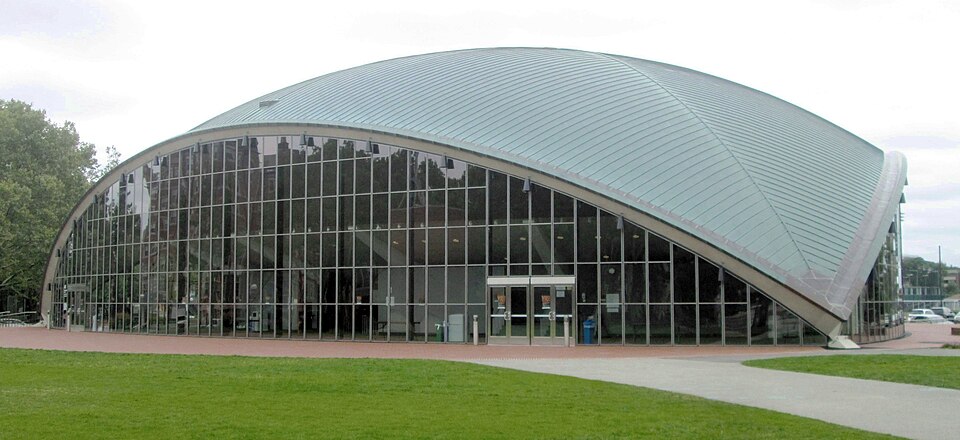
MIT's delta v Demo Day took place on September 16, 2026, with 13 student teams presenting at Kresge Auditorium. Tough Tech Week follows with the Tough Tech Summit on October 27 and Demo Day on October 28.
The 2026 Tough Tech Summit alone features 40 fundraising-ready companies pitching across four tracks. That is 40 founders with fresh pitch footage and, usually, no plan for it.
Here is how to turn one event into months of content:
- Before the event, ask whoever films your pitch or panel for the raw files, not just the recap.
- On the day, capture vertical phone clips of your booth, demos, and conversations.
- Within a week, run a footage sweep. Pull every strong answer, clear explanation, and audience reaction.
- Over the next 8 to 12 weeks, publish two to three clips a week, paired with one mechanism animation of the core idea.
- Reuse your best clips in investor updates, recruiting pages, and your deck.
This works because video does the explaining for you. Wyzowl's 2026 research found that 93% of video marketers say video has helped increase user understanding of their product or service. For a founder selling superconducting magnets or engineered enzymes, understanding is the whole battle.
For investor-focused clips, see our guide to what investors actually want to see in a startup pitch video.
Make Your Next Demo Day More Than a One-Day Moment

Boston gives tough tech founders a steady stream of stages. Good tough tech marketing keeps that moment working long after the event ends.
Every Tough Tech Week pitch, panel, and demo day slot is hours of footage most founders never use again. At Alluvium, we sweep your existing footage and turn it into 60 pieces of short-form content per month. We also build mechanism animations that show how your technology works without exposing your IP.
See the results in our case studies, then book a call and we will show you what we would build from your footage.

Frequently Asked Questions