From Caltech Lab to $5.4 Billion: What Pasadena's Quantum Boom Teaches About Quantum Marketing
Quantum computing marketing in Los Angeles works when it sells credibility, not demos. Pasadena's quantum boom shows what investors reward now: a clearly explained path to a fault-tolerant machine, backed by scientists the field already trusts. For LA quantum founders, that means making the roadmap visible, animating the hardware without overselling it, and letting researchers explain the science on camera.
This guide looks at how Pasadena became a quantum boomtown, what investors are actually paying for, and how LA quantum startups can market the same way.
Pasadena's Quantum Boom
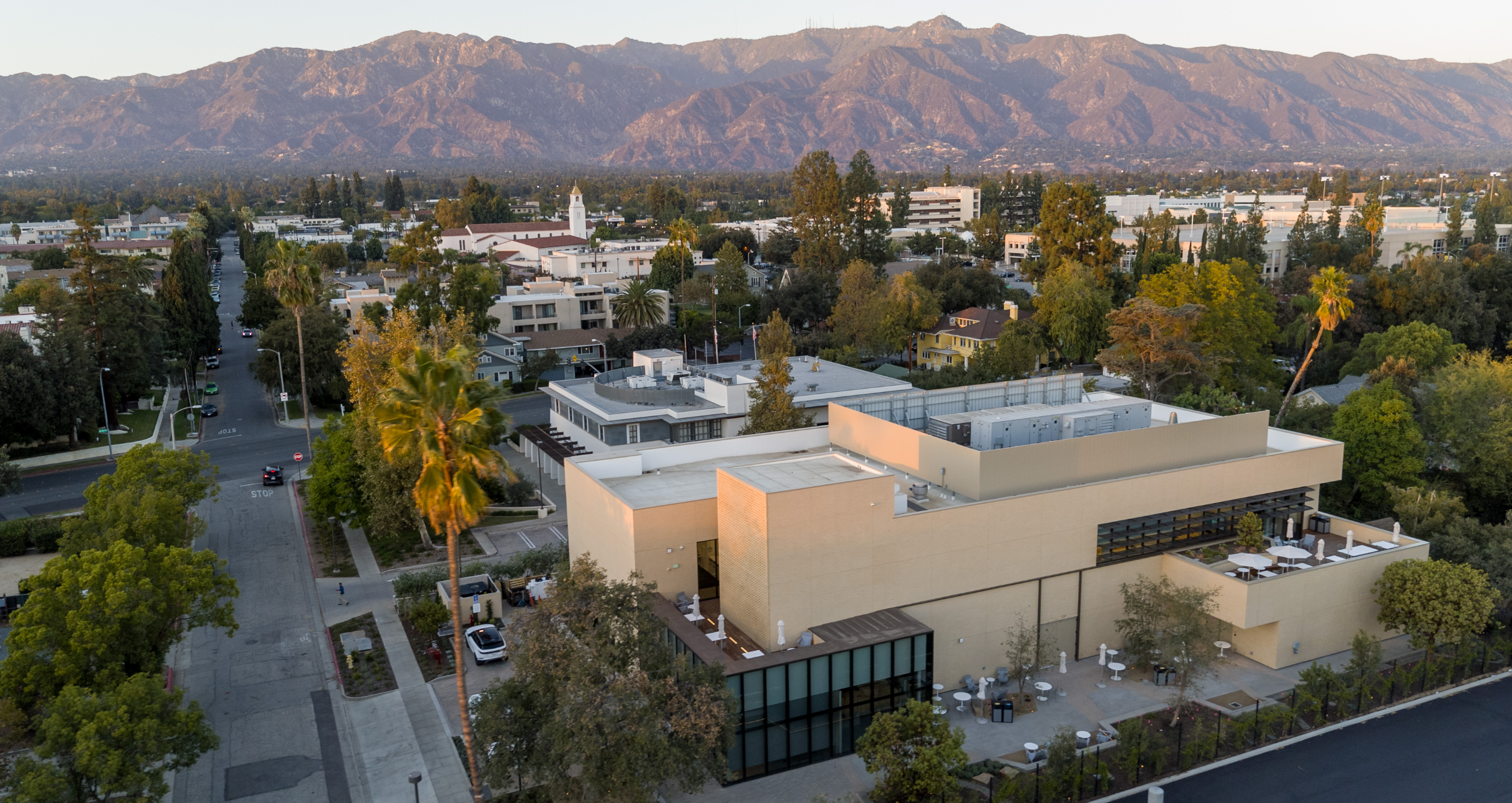
Pasadena has gone from quantum research town to quantum boomtown in under a year.
- March 2026: Oratomic, a neutral-atom quantum computing startup with deep Caltech ties, came out of stealth.
- July 2026: It raised a $300 million Series A, co-led by ARCH Venture Partners, Spark Capital, and Khosla Ventures.
- October 2026: It raised a $475 million Series B at a $5.4 billion valuation, bringing total funding to $775 million.
The Series B came just three months after the Series A, when the company was valued at about $1.5 billion.
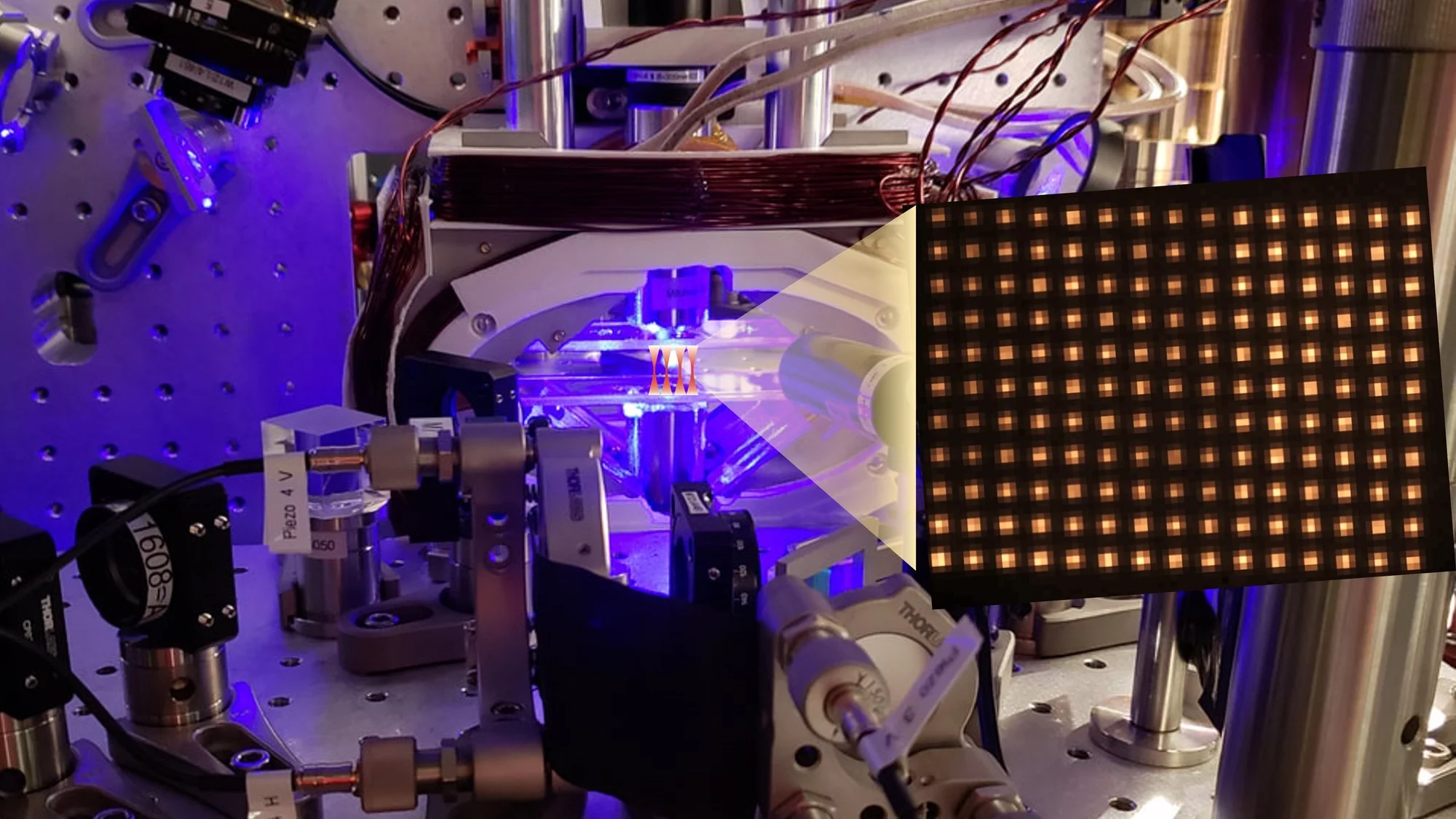
Dealroom called it the largest US Series B ever raised in quantum technologies. Its founding team includes Caltech physicist Manuel Endres, whose lab has demonstrated arrays of roughly 6,000 trapped atomic qubits, and theoretical physicist John Preskill.
Amazon is betting on Pasadena too. AWS has run a quantum computing center with Caltech since 2021, and in December it bought a 168,000 square foot building in Pasadena for about $78 million to expand its quantum work.
Pasadena now has one of the most valuable quantum startups in the world and one of the biggest tech companies building next door.
What Investors Are Actually Paying For
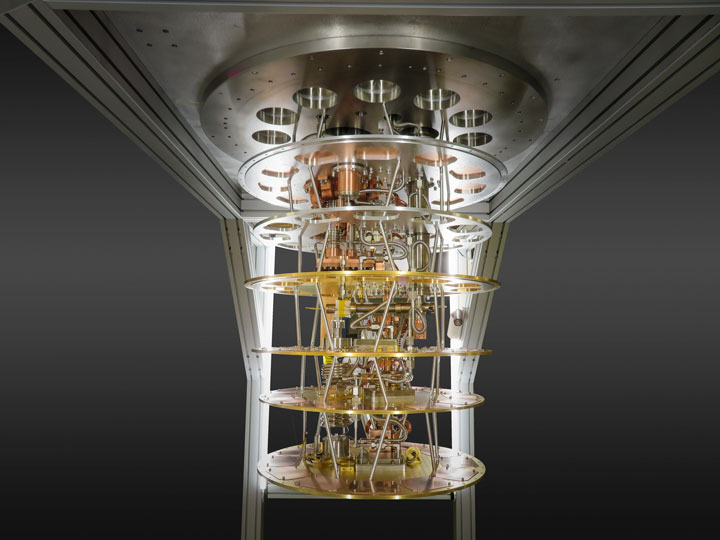
Oratomic does not sell a quantum computer today. Investors are paying for something else: a believable path to one.
The company argues that a useful, fault-tolerant machine may need about 10,000 reconfigurable neutral-atom qubits, not the million or so often cited. That is a clear, testable claim, and it changes how investors think about cost and timing.
CEO Dolev Bluvstein has been careful about the timeline. He called a fault-tolerant machine by the end of the decade "plausible, although not guaranteed," according to The Quantum Insider.
He has also been clear about the goal. "We need to cross this tipping point where we can build a working computer that is cheap and manufacturable," he told The Wall Street Journal.
That kind of measured confidence is a marketing asset. It tells investors the team understands the risks as well as the opportunity.
The Quantum Hype Problem
Quantum computing is one of the most hyped fields in technology. Bold claims about breaking encryption, curing diseases, and transforming finance have made many investors and buyers skeptical.
Every quantum startup now faces the same question: is this real, or is it another overpromise? That skepticism is healthy, and it means quantum founders have to earn attention differently from AI or software startups.
The companies that win are the ones that answer with science, people, and a roadmap that holds up under scrutiny. In quantum, credibility is the product you sell first.
What Is Quantum Computing Marketing?
Quantum computing marketing is the work of explaining quantum hardware, software, and roadmaps to investors, enterprise partners, researchers, and talent. Done well, it relies on clear animation, scientists on camera, and honest milestones rather than sweeping promises.
It also requires restraint. The best quantum content explains what is possible, what is still uncertain, and how the company plans to get there.
3 Ways LA Quantum Startups Can Market Like Oratomic
These three approaches help Pasadena and LA quantum founders turn credibility into visibility.
1. Make the roadmap visible
Investors want to see where you are, where you are going, and what has to be true along the way. Most quantum startups bury that in a pitch deck.
Turn your roadmap into a short animated sequence or pitch film. Show each milestone, the key technical assumption behind it, and how you will know it worked.
Be honest about uncertainty. A roadmap that admits risk feels far more credible than one that promises everything on schedule. It also gives your whole team one story to tell, from the CEO in a pitch meeting to an engineer at a conference.
2. Animate the hardware without overselling
Most people have never seen a qubit, and cameras cannot show one doing useful work. Animation can.
For a neutral-atom company, a short animation can show atoms held by focused lasers, rearranged during a calculation, and checked for errors. Every animation should be scripted with your physicists before anything is animated, so the simplification never becomes misleading.
Avoid dramatic visuals that suggest more than the science supports. Glowing particles and sci-fi effects may look exciting, but technical audiences read them as hype. Use the same accurate animation in pitch decks, partner meetings, recruiting, and on your website.
3. Let researchers explain the science on camera
Oratomic's credibility starts with its people. Researchers like Endres and Preskill carry trust that no marketing team can create.
Put your scientists on camera. If your founders include well-known scientists, feature them, and if not, let your strongest researchers and their work speak. Short clips where a researcher explains a result, a paper, or a design choice in plain language build trust with investors, partners, and future hires.
Keep these clips simple. One idea per clip, explained clearly, works better than a long lecture.
Turn Papers and Talks Into a Steady Stream

Quantum companies produce a lot of valuable material: research papers, conference talks, university lectures, and technical blog posts. Most of it reaches only specialists.
A simple system can change that:
- For each paper, make a 60-second clip with a researcher explaining the result
- For each talk, cut three to five short clips around single ideas
- For each milestone, publish a short update that connects it to the roadmap
- Every quarter, refresh the roadmap animation so it reflects your progress
Consistency builds a public track record. Over time, that record becomes your strongest argument for the next round.
Recruit Physicists in a Competitive Market
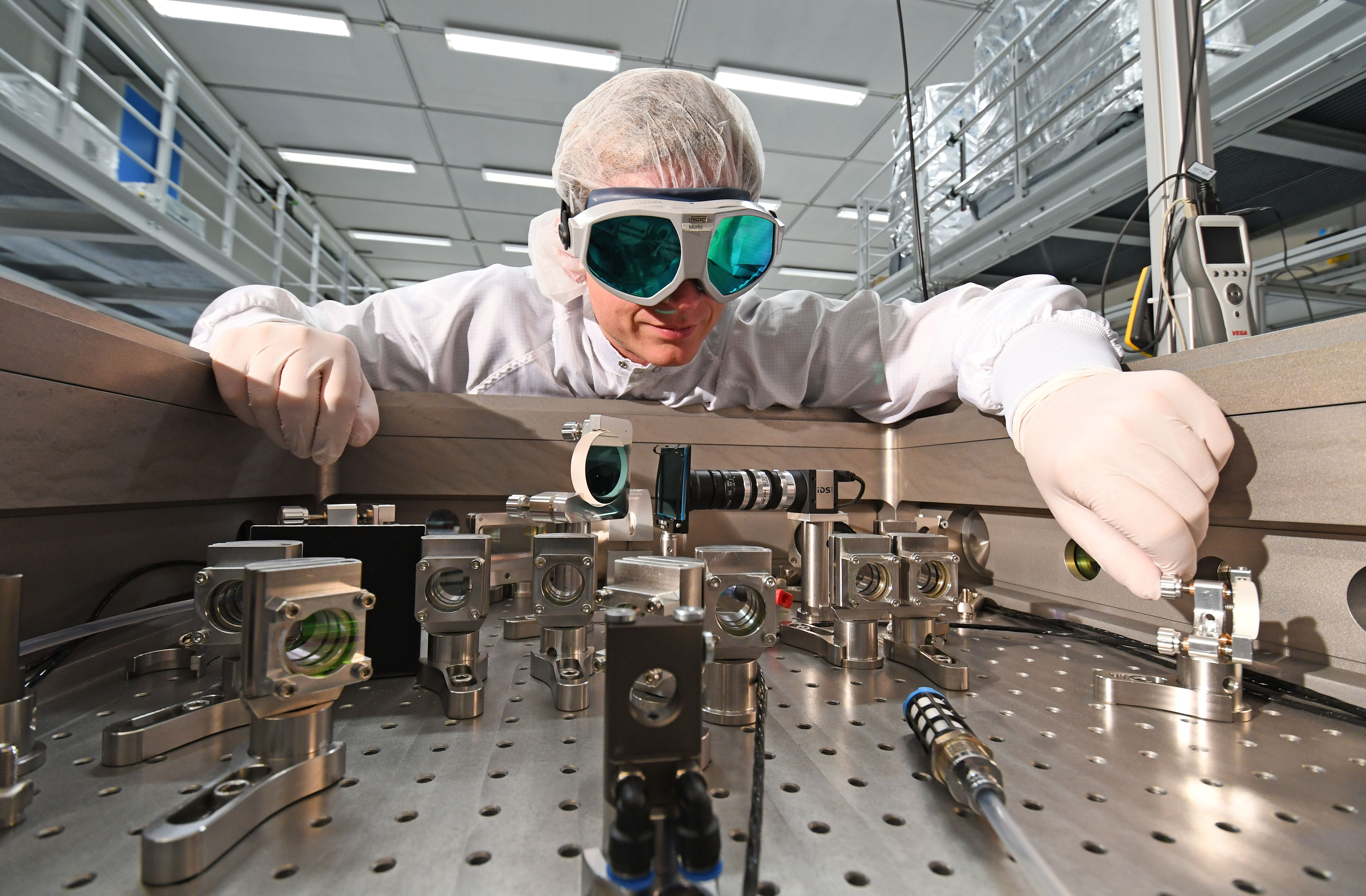
Pasadena quantum startups compete for talent with AWS, Caltech, and well-funded rivals across the country. AWS's growing presence in Pasadena makes that market even tighter.
Recruiting videos help. Show the lab, the hardware, and the researchers, and explain the problems still unsolved. Physicists want to work where the hardest problems are being tackled seriously.
How LA Compares to Other Quantum Hubs
Each quantum hub has its own marketing challenge. Bay Area quantum companies compete for trust in a hype-heavy market, as we cover in our guide to quantum computing marketing in the Bay Area. New York quantum founders need to make entanglement clear to generalist investors.
For the wider LA hard tech scene, see our guide to choosing a deep tech marketing agency in Los Angeles.
Sell Credibility, Not Demos
Quantum investors are paying for credibility, not demos.
We create explainer animations of how your qubits work, scripted with your physicists before anything is animated, pitch films that make your roadmap clear, and short-form content from your talks and papers.
See our work in our case studies, then book a call to see what we would build for your team.

Frequently Asked Questions