The Ultrasound Capital You've Never Heard Of: Medical Device Marketing in Seattle
Medical device marketing in Seattle works best when it tells a story most local founders leave out: this region has already changed medicine once. For Seattle medtech startups, that means showing devices in realistic clinical settings, using the region's ultrasound legacy as credibility, and turning every FDA milestone into proof content for clinicians, hospital buyers, and investors.
This guide looks at how a suburb north of Seattle shaped modern ultrasound, how the region is changing, and how today's medtech founders can market to the people who decide what gets used.
Bothell Quietly Shaped How the World Does Ultrasound
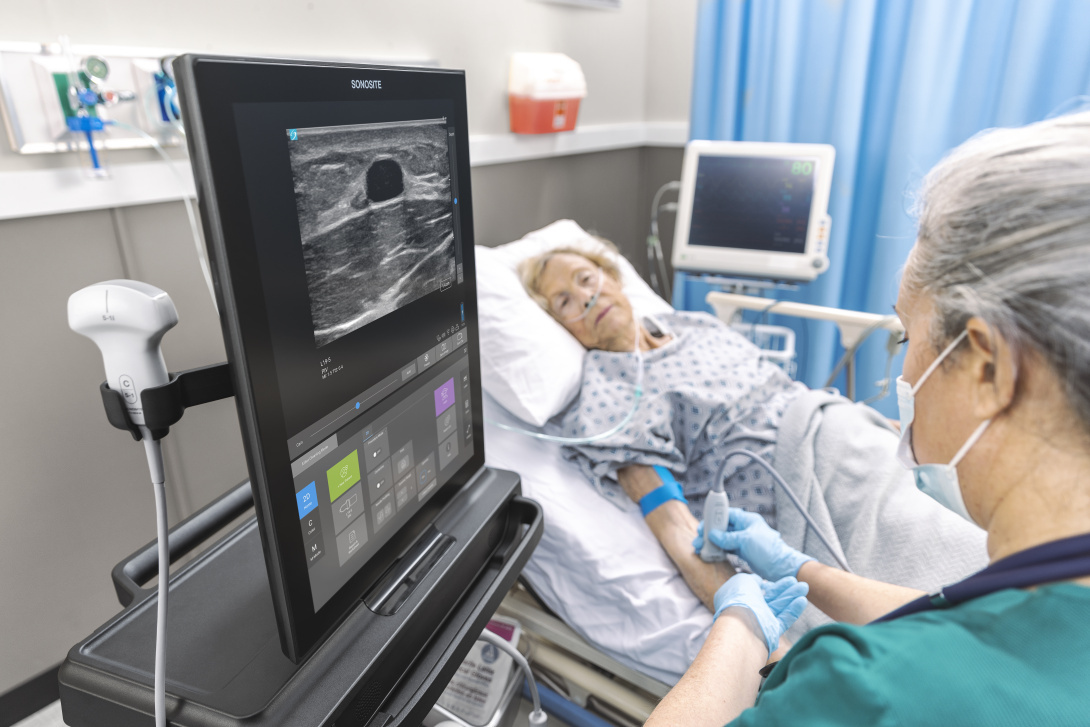
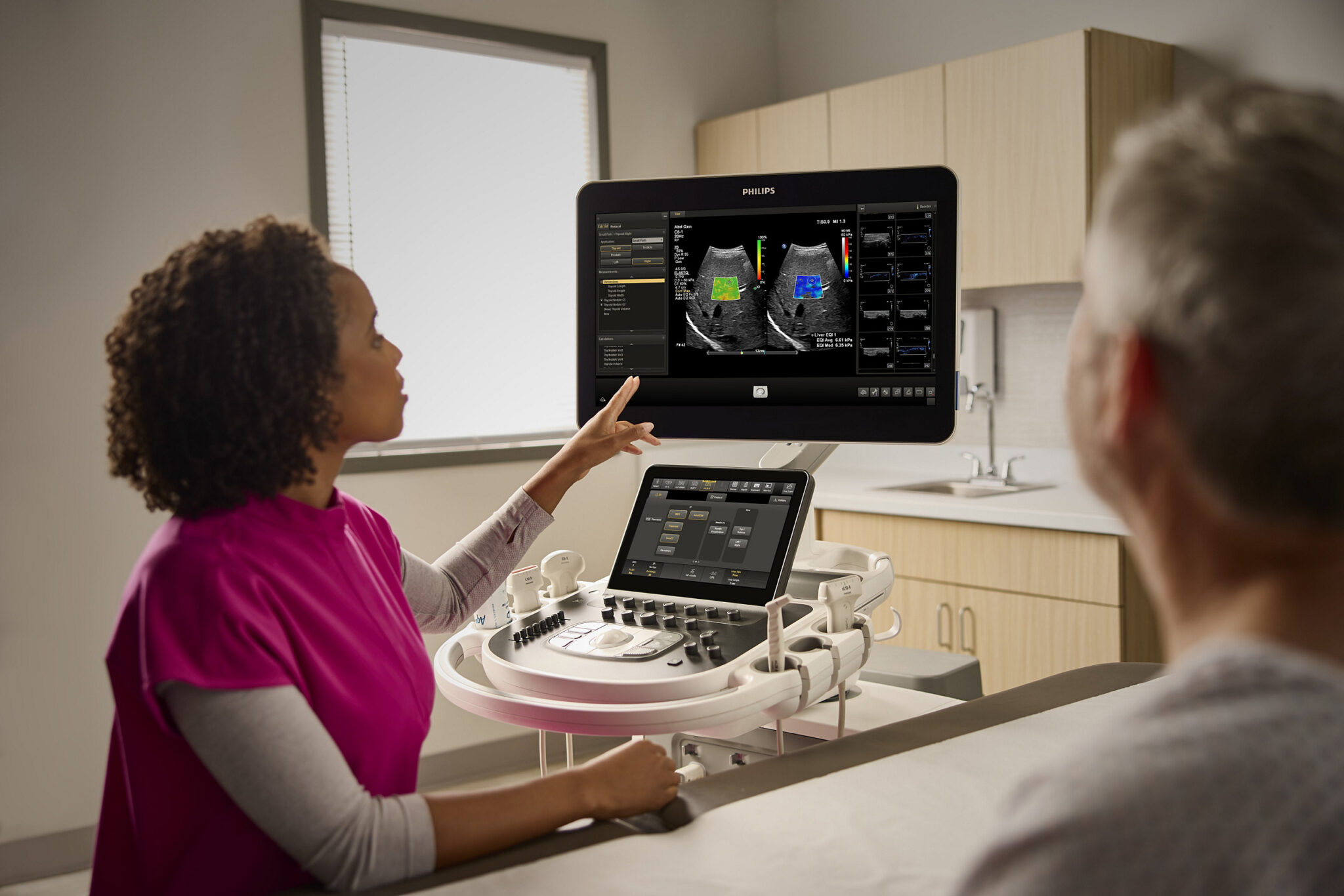
Bothell, a suburb north of Seattle, has one of the richest medical device histories in the country.
- ATL Ultrasound was a pioneer in the field. Philips acquired it in 1998 for $800 million, making Bothell a global hub for its ultrasound business, according to GeekWire.
- SonoSite was spun out of ATL before the Philips deal and helped popularize portable ultrasound. Fujifilm agreed to acquire it for $995 million, completing the deal in 2012.
- Heartstream, founded in 1992, was an early pioneer of automated external defibrillators and later became part of Philips.
Few regions can say they helped invent the tools doctors use every day. Bothell can.
A Region in Transition
The region is now going through a major shift.
In May 2026, Philips said it intends to list its Bothell campus for sale. About 1,500 people worked at the Canyon Park facility, GeekWire reported, and Philips said the decision would not affect jobs and that it plans to keep a presence in the region.
Meanwhile, Heartstream is back. In January 2026, a Bridgefield Capital platform relaunched Philips' former emergency care business as an independent company under the Heartstream name, with a Bothell dateline. The company points to firsts including the first biphasic defibrillation waveform and the first defibrillator with over-the-counter FDA designation.
The wider industry is large and growing. Life Science Washington's 2026 Economic Impact Report puts the state's life sciences industry at $43.4 billion in total economic impact, with more than 1,100 organizations.
The Next Generation Is Already Here
A new wave of Seattle-area startups is building on that legacy.
Dopl Technologies (Bothell) raised a $6.3 million seed round in July 2026 for a remotely operated robotic ultrasound platform. A sonographer in another location can perform the exam with haptic feedback, which could bring ultrasound to rural patients. It is pursuing FDA clearance.
"People say that ultrasound is the new stethoscope," CEO Ryan James told GeekWire. Dopl also has a letter of intent with a rural collaborative covering 31 critical access hospitals in Washington.
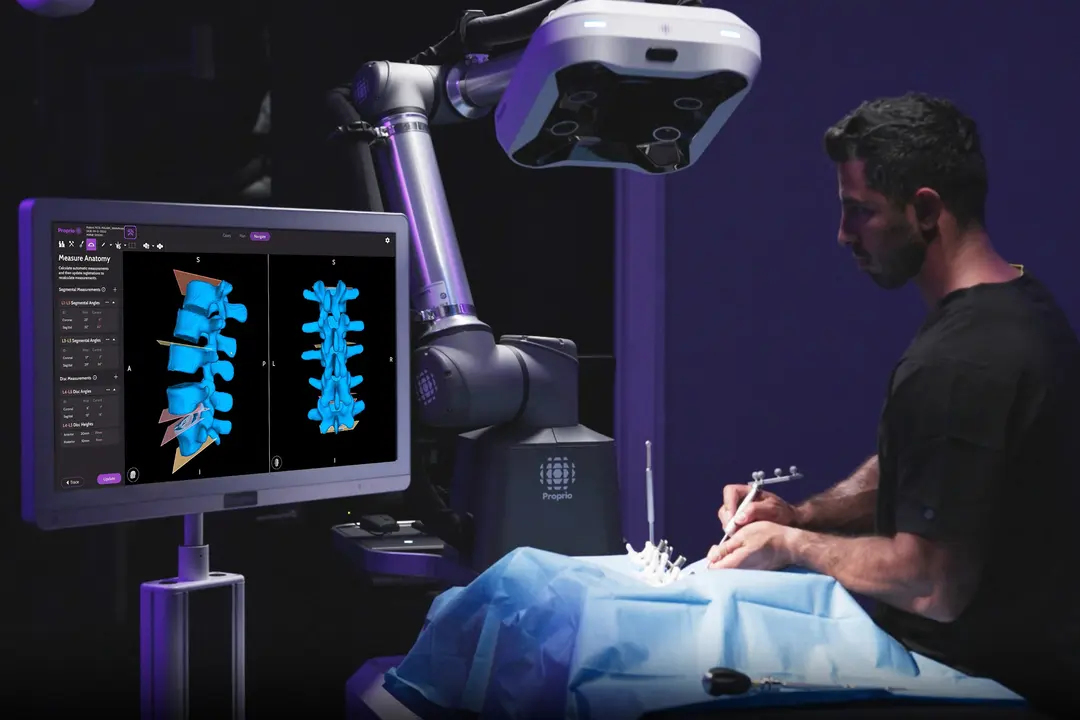
Proprio (Seattle) uses AI to give spine surgeons continuous 3D measurements during surgery. In January 2026, it announced its fourth FDA-cleared capability within its Paradigm platform.
The ultrasound capital is reinventing itself, one startup at a time.
The Seattle Medtech Marketing Problem

Seattle medtech founders face the city's familiar challenge: Big Tech gets the attention and the engineers.
Investors who think of Seattle think of cloud and software. Engineers who could build devices are recruited hard by Amazon and Microsoft. Clinicians, meanwhile, want evidence before they will even look at a new device.
That leaves medtech startups fighting for attention on three fronts at once. The answer is not louder marketing. It is clearer proof.
What Does Medical Device Marketing in Seattle Involve?
Medical device marketing in Seattle is the work of explaining device technology and clinical evidence to clinicians, hospital buyers, investors, and engineers in a region better known for software. Typical work includes procedure and mechanism animations, clinical setting footage, recruiting videos, and short clips from milestones and conferences.
Everything has to be accurate and ready for medical, legal, and regulatory review. In medtech, one overstated claim can cost years of trust with clinicians.
3 Ways Seattle Medtech Startups Can Tell Their Story
These three approaches help Seattle medtech founders turn their technology and their region into credibility.
1. Show devices in realistic clinical settings
Clinicians want to see a device working where they work. Film it in a realistic exam room, operating room, or rural clinic, with clinicians using it the way they would in real life.
Include the people around the device too: nurses, technicians, and patients, with consent. Clinicians judge a device partly by how easily the whole team can use it.
Dopl's story is a good example. Showing a remote sonographer guiding a robot to scan a patient in a small-town hospital makes the value instantly clear. A device shown in a real setting answers questions a spec sheet cannot.
Where cameras cannot go, use procedure animation. Every animation should be reviewed by your clinical team before anything is animated.

2. Use the region's legacy as credibility
Seattle medtech founders build in a place that has already changed medicine. That history is a powerful story, and most startups never tell it.
If your team includes alumni of the region's ultrasound and device companies, say so. If your device builds on ultrasound, cardiac, or imaging expertise that grew up here, explain that connection. A short history segment in your pitch film or website can connect your company to that legacy in under a minute.
Be careful to describe these links accurately. Never imply a partnership or endorsement from a company you are not formally working with.
3. Turn FDA milestones into proof content
Every FDA clearance, clinical evaluation, and first patient is evidence that your device is moving forward. Proprio's run of clearances is the kind of steady progress clinicians and investors notice.
Turn each milestone into a short clip that explains what happened, why it matters, and what comes next. Be precise about status. A device pursuing clearance is not a cleared device, and clinicians will notice the difference.
Post each clip the day the news breaks, and pair it with a short animation of what the cleared feature does.
Recruit Engineers Away From Big Tech
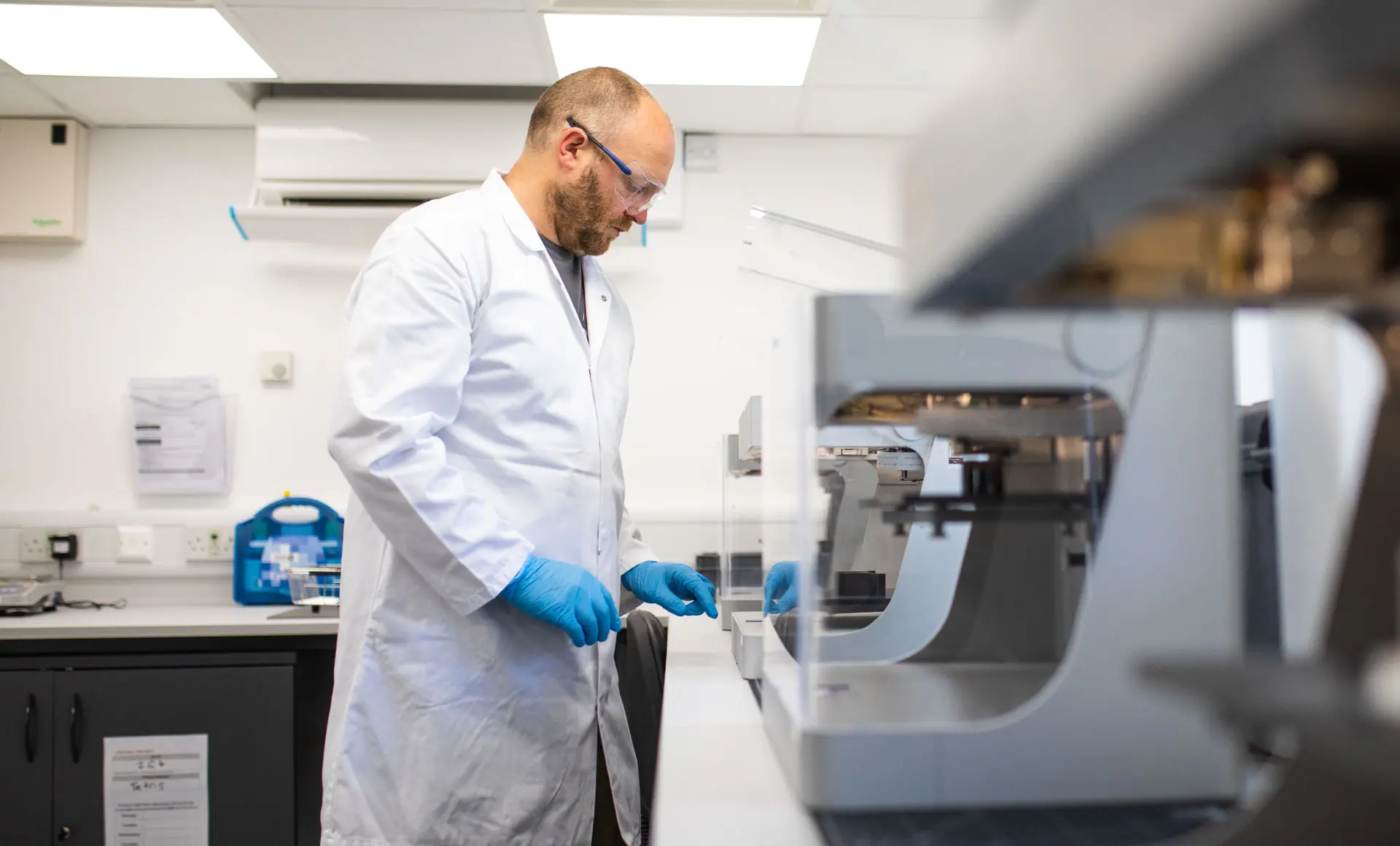
Seattle medtech companies compete with Amazon, Microsoft, and well-funded AI startups for engineers.
To win, show what Big Tech cannot offer: hardware that touches patients, problems that matter in a clinic, and a direct line from an engineer's work to a better outcome. Film the lab, the prototypes, and engineers explaining what they build.
Engineers who want their work to matter want to see the patient at the end of it. Put that on camera. Short clips of engineers talking about the patients their work will help also perform well on LinkedIn.
Learn From Other Medtech Companies
Device companies everywhere face the same adoption challenge. Our Butterfly Network breakdown shows how a handheld ultrasound company won doctors over, and our guide to medical device marketing in Los Angeles covers how Southern California companies win surgeons.
For the wider region, see our guides to choosing a biotech marketing agency in Seattle and a deep tech marketing agency in Seattle.
Change Medicine Again
Seattle has already changed medicine once. Your content should show how you'll do it again.
We create mechanism and procedure animations reviewed by your clinical team, recruiting videos that compete with Big Tech for engineers, and short-form content from every milestone and conference.
See our work in our case studies, then book a call to see what we would build for your device.

Frequently Asked Questions