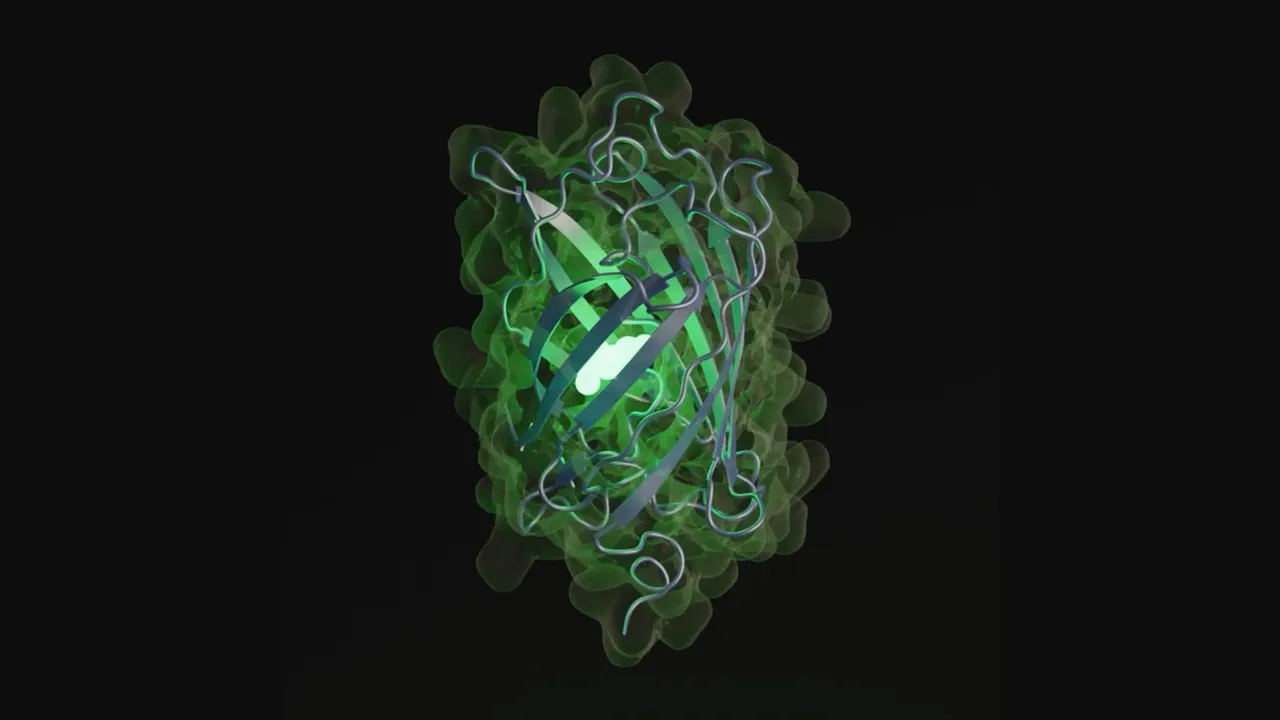
Biotech Marketing Agency Seattle: Protein Design Made Clear
A biotech marketing agency in Seattle helps life sciences startups make invisible science easy to see. For protein design startups, that means animating what a designed protein actually does, putting scientist-founders on camera, and recruiting talent in a city where Amazon and Microsoft are bidding for the same people.
Seattle has some of the most valuable science in the world right now. The challenge is that most investors, pharma partners, and job candidates cannot picture it. This guide shows how to fix that.
Seattle Has a Nobel Prize-Winning Protein Lab
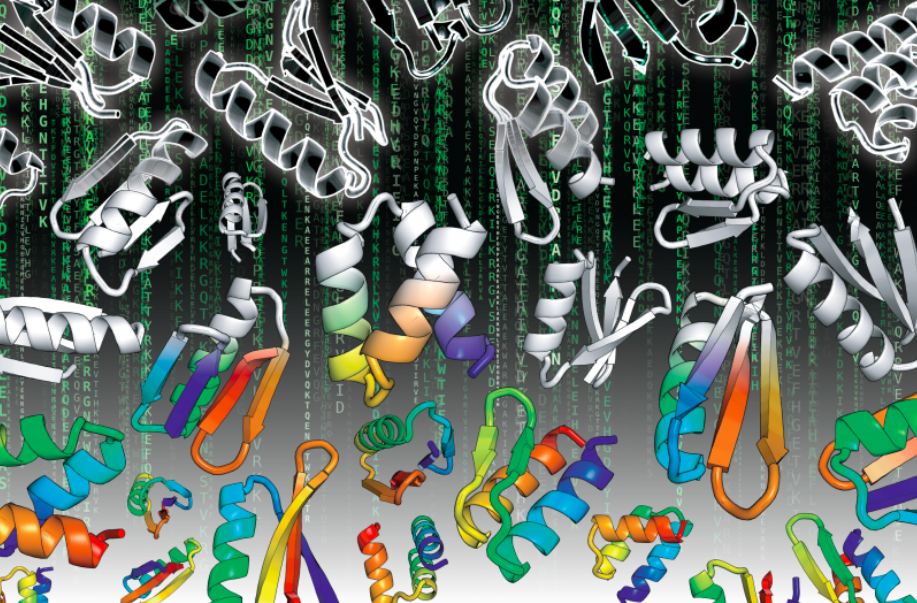
David Baker directs the University of Washington's Institute for Protein Design (IPD). In 2024, he shared the Nobel Prize in Chemistry with Demis Hassabis and John Jumper of Google DeepMind, recognized for computational protein design: creating proteins that have never existed in nature. His lab's open tools, such as RFdiffusion and ProteinMPNN, have made design faster and easier for non-experts to use.
"With AI, we can now design these molecules from scratch, tailored precisely to the task at hand," Baker said in GeekWire.
The science is already turning into companies. More than 20 startups have spun out of Baker's lab, according to GeekWire, and some have already sold to big pharma:
- Icosavax, a computationally designed vaccine company, was acquired by AstraZeneca for up to $1.1 billion
- PvP Biologics was acquired by Takeda for $330 million
More is coming. In March 2026, the Washington Research Foundation committed $7 million to a new four-year IPD program built to move designer enzymes and proteins from the computer to the lab to the market. The UW is providing additional lab and office space in South Lake Union, and Fred Hutchinson Cancer Center anchors the rest of the region's life sciences scene.
Grant funding is expected to begin flowing around June 2026, and the program will also train new scientists and support startups.
The Problem: "AI-Designed Proteins" Sounds Abstract

To a protein scientist, a de novo binder is thrilling. To almost everyone else, including many investors, pharma partners, and job candidates, "AI-designed proteins" is an abstract phrase with no picture attached.
When people cannot picture your science, they cannot repeat it, and science that cannot be repeated does not spread. It does not travel through an investment committee, a pharma partnering team, or a candidate's dinner-table conversation.
Most non-specialists are quietly asking three questions:
- What does this protein actually do inside the body or the reactor?
- Why is a designed protein better than an antibody, a small molecule, or a natural enzyme?
- Why is this possible now, and not ten years ago?
Your marketing should answer all three in under two minutes, without a single slide of structural biology jargon.
What Does a Biotech Marketing Agency in Seattle Do?
A biotech marketing agency in Seattle turns complex life sciences work into content that investors, partners, and talent can understand and share. For protein design companies, that usually means explainer animation, founder-led video, recruiting films, and pitch films, all scripted with your scientists so nothing is oversimplified into something untrue.
The goal is not to make the science sound simple. It is to make it visible. Once people can see what your molecule does, the business case follows.
How to Make Designed Proteins Visible
These four approaches work especially well for protein design and computational biology startups.
1. Animate the design loop
Your process is your story. A short animation can show the full loop: a target, a protein designed on screen to fit it, the molecule tested in the lab, and the result feeding back into the next design.
Then show the protein doing its job. A designed binder locking onto a target or an enzyme speeding up a reaction is a picture anyone can follow. In protein design, shape is function, and animation is the clearest way to show shape.
Keep it to one target and one result, since a second idea in the same animation usually blurs both.
We script every animation with your scientists before anything is animated, so the visuals stay accurate and claims stay defensible.
2. Show the lab, not just the screen
"AI-designed" can make investors wonder whether anything has left the computer. Real lab footage answers that.
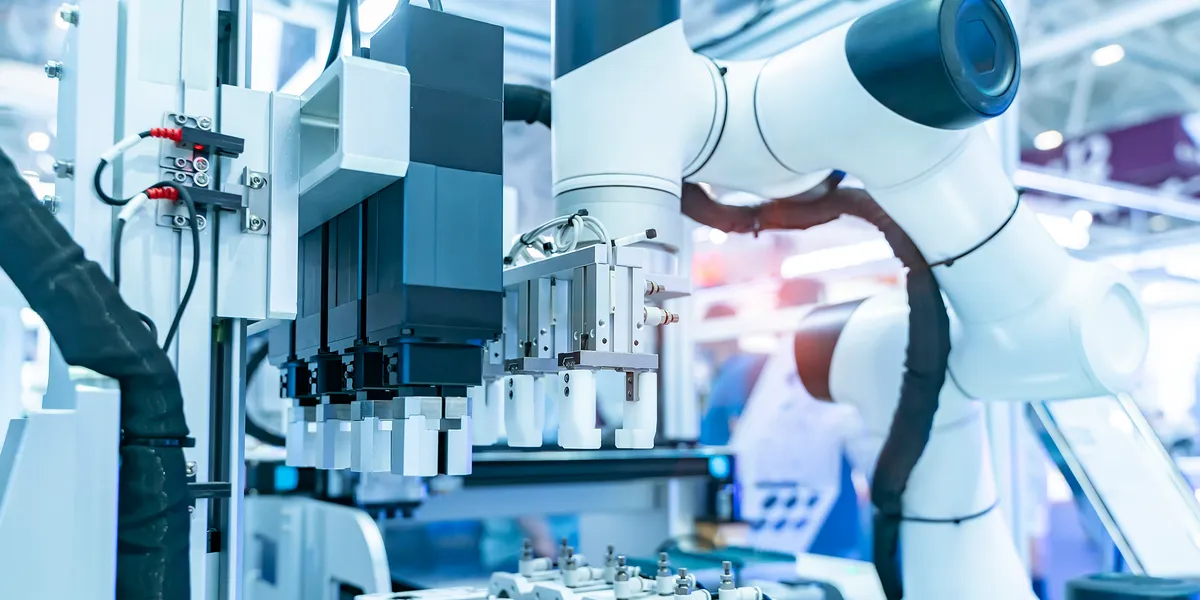
Film the wet lab, the assays, and the robots running experiments. A few seconds of real validation work does more for credibility than any rendering of a protein spinning in empty space. Pair each clip with a caption that says what was tested and what happened.
3. Put scientist-founders on camera
Many Seattle protein design founders trained in or near the IPD. That lineage is a real asset, but only if people hear from them directly.
Short clips where a founder explains one idea at a time build trust faster than a polished brand film. Good topics include why a target matters, what a new result means, or what the team still needs to prove. We help script these so they stay clear without becoming hype.
Record several clips in one session so you can publish steadily without pulling scientists from the bench every week.
4. Borrow lessons from platform biotechs
Protein design startups often sell a platform as much as a single drug. Two of our spotlights show how to tell that story.
Our Ginkgo platform marketing playbook shows how a company can market biology as infrastructure. Our breakdown of Recursion's biotech marketing strategy shows how to build credibility before an approved drug by showing the process in public.
Recruiting Against Amazon and Microsoft

Seattle protein design companies need machine learning engineers as much as biologists. Those engineers are also being recruited by Amazon, Microsoft, and the region's AI startups.
You will rarely win on salary. You can win on meaning. A short recruiting film filmed in your lab, with scientists and engineers explaining the disease or problem they are working on, speaks to people who want their code to end up in a medicine.
Show the path from code to experiment, so an engineer can see exactly where their work would land.
Keep it under two minutes, and let the team, not the executives, do most of the talking. Our guide to choosing a deep tech marketing agency in Seattle covers how other Seattle hard tech companies compete with big tech for talent.
A Simple Content Starter Kit
If you are starting from zero, build these five assets first:
- One 60 to 90 second explainer animation of your design loop and lead molecule
- One founder introduction video explaining the problem and why your team can solve it
- A steady stream of short clips from talks, lab updates, and new data, two to three a week
- One recruiting film for engineering and science roles
- One pitch film for your next round, as covered in our guide to what investors want to see in a startup pitch video
Together, these give every audience a clear way into your science. Start with the animation, because every other asset can reuse it.
Make Your Breakthrough Visible
Designing a protein from scratch is a breakthrough nobody can see.
We make explainer animations that show what your molecule actually does, scripted with your scientists, plus recruiting videos that help you hire in a city full of Big Tech offers.
See our work in our case studies, then book a call to see what we would build for your company.

Frequently Asked Questions