Space Tech Marketing in Seattle: Win the Race for Talent
Space tech marketing in Seattle is mostly a hiring problem disguised as a branding problem. Washington's space startups win talent, customers, and capital by showing their work: hot-fire tests, factory floors, and engineers explaining what they build, plus animation for the parts of a mission no camera can reach.
This guide covers why Washington is a bigger space hub than most people realize, who you are really competing with, and how to turn the footage you already have into recruiting, sales, and fundraising content.
Washington Builds Most of the World's Satellites
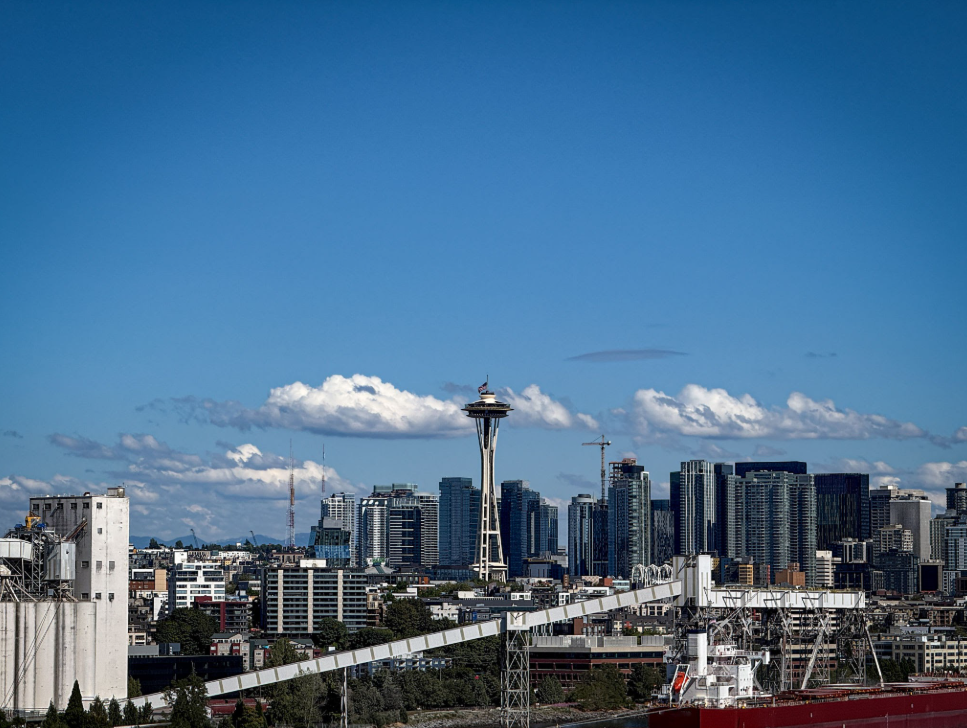
Most people think of Florida or Southern California when they think of space. But according to the Washington governor's office, approximately two-thirds of the world's operational satellites are built in Washington.
On September 28, 2026, Governor Bob Ferguson signed an executive order at Seattle's Museum of Flight creating a Governor's Space Council. The state's space sector includes:
- More than 90 space companies
- More than 13,000 workers
- About $4.6 billion in annual economic activity
- About $1.6 billion in annual payroll
"To remain a national leader, we cannot be complacent," Ferguson said. The 24-member council includes leaders from Blue Origin, SpaceX, Amazon, Starfish Space, Gravitics, and Stoke Space.
The Kent Valley is the core
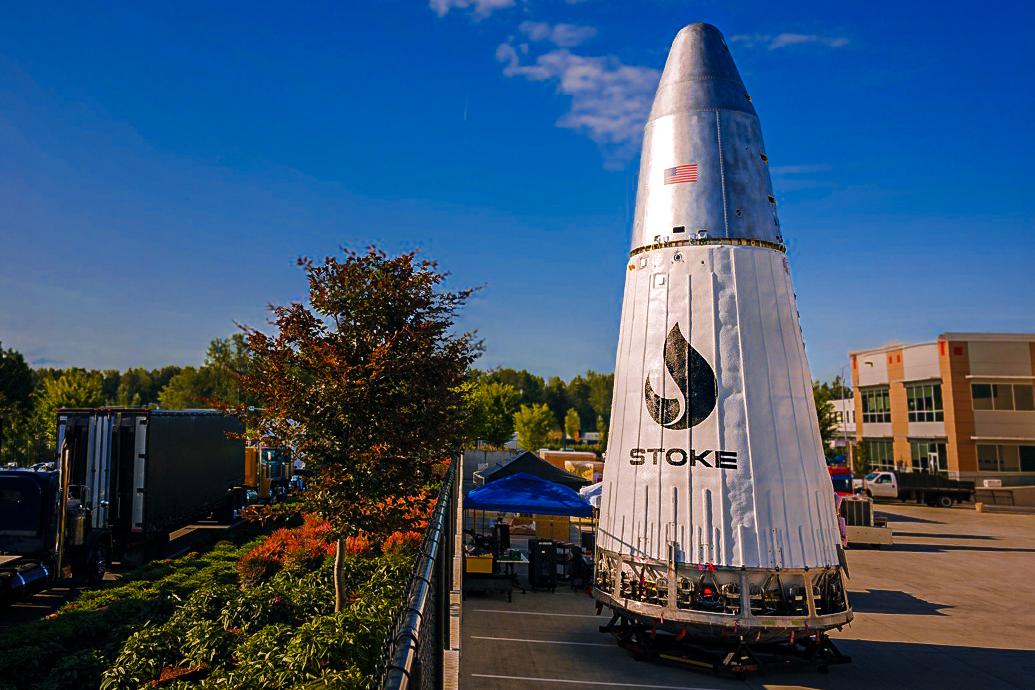
Kent has been doing this for decades. Boeing workers there built the lunar rovers that explored the moon during the Apollo missions.
Today it is home to Blue Origin's headquarters and Stoke Space, which is building Nova, a fully reusable rocket. Stoke runs a 168,000 square foot factory and headquarters in Kent, employs about 400 people, and raised roughly $1 billion in September 2026, according to GeekWire.
Its CEO, Andy Lapsa, now sits on the governor's council. Nova's first launch, from Cape Canaveral, is now scheduled for early 2027.
New arrivals keep coming. Cowboy Space, which raised a $275 million Series B in May 2026, leased a 291,035 square foot former Costco distribution center in Kent. It will build hardware for orbital data centers, working with Nvidia, and is expected to add about 300 jobs.
Your Real Competition Is for Engineers
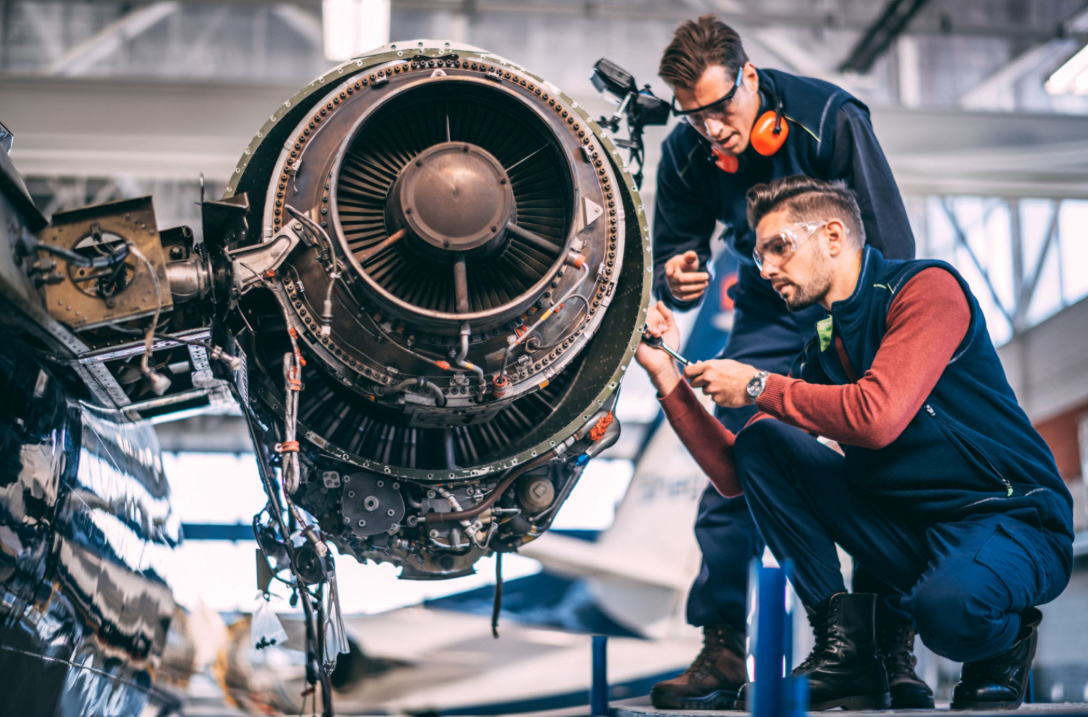
Washington space startups compete for customers and capital like any other company. But their hardest competition is for people.
Every propulsion engineer, avionics lead, and test technician in the region is being recruited by Blue Origin, SpaceX's Redmond satellite operation, Amazon, and Microsoft. Those companies have famous names, strong salaries, and large recruiting teams.
A startup cannot win that fight on brand recognition. It wins by showing candidates something the giants cannot: ownership of a whole system, a small team, and a mission they can see moving week by week. Workforce is one of the first issues the new council is tasked with assessing.
That is a content problem. If candidates never see your test stand or your factory floor, they have no reason to choose you over a company they already know.
What Is Space Tech Marketing?
Space tech marketing is the work of explaining launch vehicles, spacecraft, satellites, and space infrastructure to the people who build, buy, and fund them. For Washington startups, that means four audiences:
- Engineers and technicians deciding where to spend the next five years of their careers
- Commercial customers, such as satellite operators and payload companies, who need to trust your schedule and reliability
- Investors who want to see milestones arrive on time
- Public partners, from state agencies to local cities, who support the industry's growth
The same footage can serve all four. A clip of a successful engine test recruits engineers, reassures customers, and shows investors progress.
The Space Startup Content Library
These four types of content cover most of what a Washington space startup needs.
Hot-fire and test footage
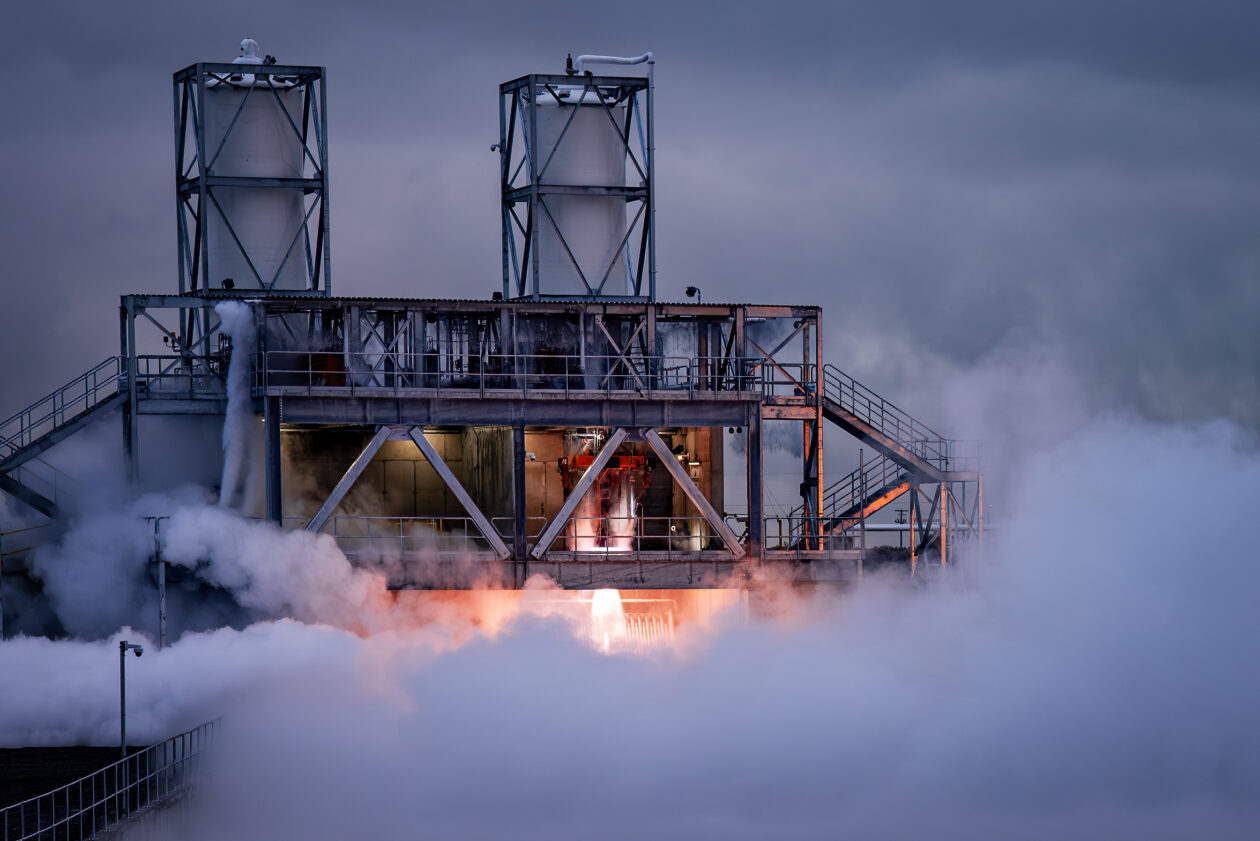
Nothing in space tech is as watchable as an engine firing on a test stand. Stoke, for example, tests at a site in Moses Lake and is expanding it from 75 to 550 acres.
Test footage proves the hardware exists and works. Film every test from multiple angles, including the ones that end early, because recovery stories build trust too.
A 20-second clip of a hot-fire can outperform months of written updates. Add a simple caption with the test goal and result so viewers know what they are watching.
Factory floor tours
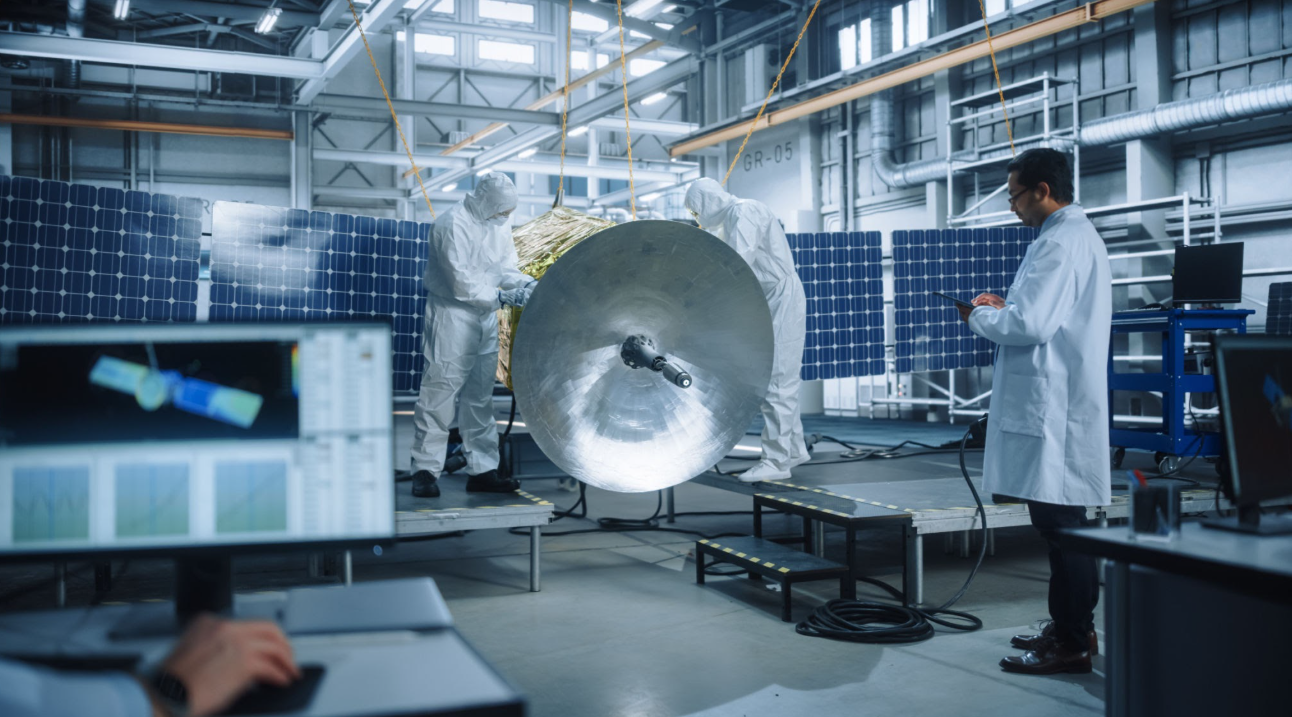
Cowboy Space is converting a warehouse into a factory. Stoke builds in a 168,000 square foot facility. These spaces are some of the most convincing content a space company owns.
A factory tour shows customers you can build at scale and shows candidates exactly where they would work. Keep tours short and focused: one station, one process, one engineer explaining it.
Film during a normal shift, not a staged visit. Real activity is more convincing than a tidy, empty floor.
Founder and engineer explainers
Short clips of your founder or lead engineers explaining one decision at a time build credibility with every audience. Good topics include why you chose an engine cycle, a target orbit, or to build parts in-house. Record them in batches, since one afternoon with a founder can produce a month of clips.
These clips also humanize your company for recruits. Candidates want to hear from the people they would work with, not from a careers page.
Mission animation for what cameras cannot reach
No camera can follow your spacecraft through orbit insertion, docking, or re-entry before it flies. Animation fills that gap.
A 60 to 90 second mission animation shows customers and investors exactly what your system will do. It should be accurate enough that your engineers sign off on every frame, and it should leave out any design details you need to protect. Our guide on how to make a startup explainer video that gets watched covers the scripting side.
How to Turn Footage Into Recruiting, Sales, and Fundraising

Most Washington space startups already capture plenty of footage. The gap is a system for using it.
- Run a monthly footage sweep. Collect test videos, factory clips, and talks into one place, then pull the strongest moments.
- Cut for each audience. The same hot-fire becomes a recruiting clip with an engineer's voiceover, a customer clip with schedule context, and an investor update with the milestone it represents.
- Make one recruiting film. Two minutes, filmed on your floor, with engineers explaining why they chose a startup over a giant.
- Post on a steady rhythm. Two to three clips a week on LinkedIn and YouTube keep your progress visible between launches.
- Share wins with partners. Customers, suppliers, and groups like Space Northwest can reshare milestone clips and extend your reach.
If your rocket or spacecraft has not flown yet, that is normal. Our guide to building demand before your product exists covers how to market the journey to first flight.
The same approach works across hardware. Our robotics marketing guide shows how robotics startups use real footage to win buyers, and our guide to choosing a deep tech marketing agency in Seattle covers the wider Seattle hard tech market.
Let People See Your Hardware
Your hot-fire tests and factory floor are the best recruiting tools you have, if people actually see them.
We turn test and factory footage into short-form content, make recruiting videos that compete with the biggest names in aerospace, and animate the parts of your mission no camera can reach.
See our work in our case studies, then book a call to see what we would build from your footage.

Frequently Asked Questions