Robotics Marketing Agency Boston: Turn Demos Into Customers
A robotics marketing agency in Boston helps robotics startups turn what their robot does into video that buyers trust. The content that sells is not a spec sheet. It is footage of your robot doing a real job, in a setting that looks like your customer's factory, warehouse, or hospital.
That means filming pilot deployments, lab tests, and demo days, then turning them into a steady stream of short clips. This guide shows how Boston robotics startups can do it, and why a 30-second clip of a robot working often does more than a 20-page brochure.
Boston Taught the World That Robots Sell on Video
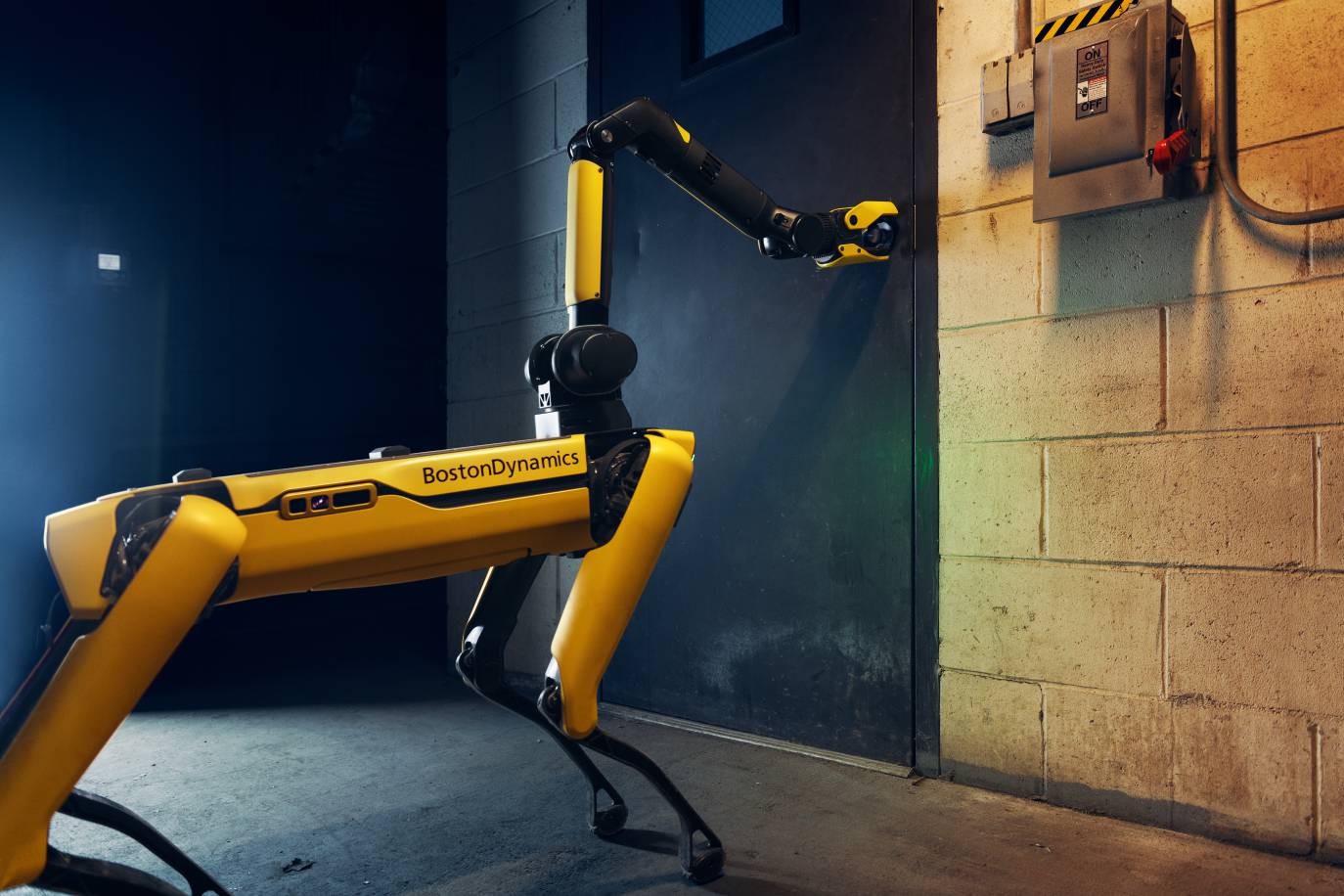
Boston is where robots became video stars. Boston Dynamics, founded in 1992 as a spinoff of MIT's Leg Laboratory and based in nearby Waltham, built global fame largely through videos of robots running, dancing, and getting back up after being shoved.
A 2017 clip of its Spot robot opening a door became a viral hit and topped YouTube's trending list, according to Wikipedia. Spot went on sale in 2020.
But notice how the story evolved. When Boston Dynamics launched Stretch, its warehouse robot, the videos focused on the robot moving boxes, the kind of work a warehouse buyer actually pays for.
The first videos made people say "wow." The commercial videos made buyers say "that could work in my building."
That shift is the lesson for every Boston robotics startup today.
Boston Is Crowded With Robots, and With Competitors
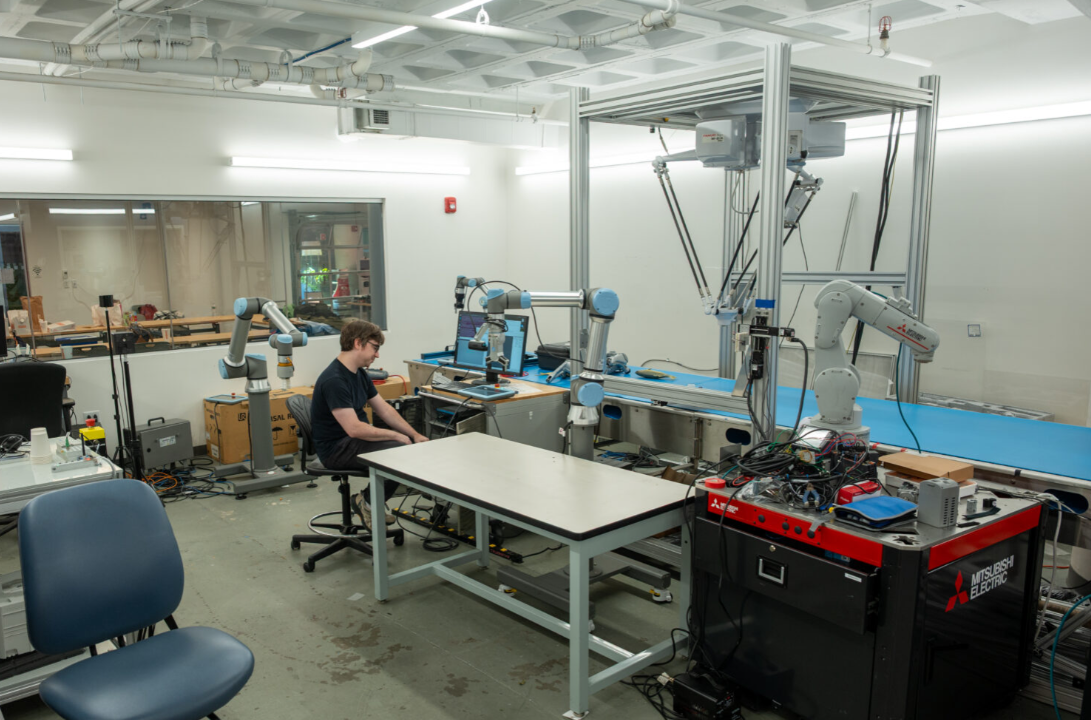
Massachusetts now has more than 500 robotics companies, research labs, and innovation hubs, according to MassRobotics, the nonprofit innovation hub in Boston.
Its resident startups have raised a combined $2 billion in venture funding since 2017, as of March 2026. Executive director Tom Ryden put it plainly: "The strength and growth of robotics startups in the Boston ecosystem is unparalleled."
Recent rounds show where buyers are heading. Watertown's Tutor Intelligence, founded by graduates of MIT's CSAIL, raised a $34 million Series A led by Union Square Ventures to scale its fleet of AI-powered warehouse robot workers. Its customers include a Fortune 50 supply chain network and several Fortune 500 packaged food companies.
More robotics startups means more pitches landing on the same operations leader's desk. The ones that get a meeting are the ones whose robot the buyer has already seen working.
What Does a Robotics Marketing Agency Actually Do?
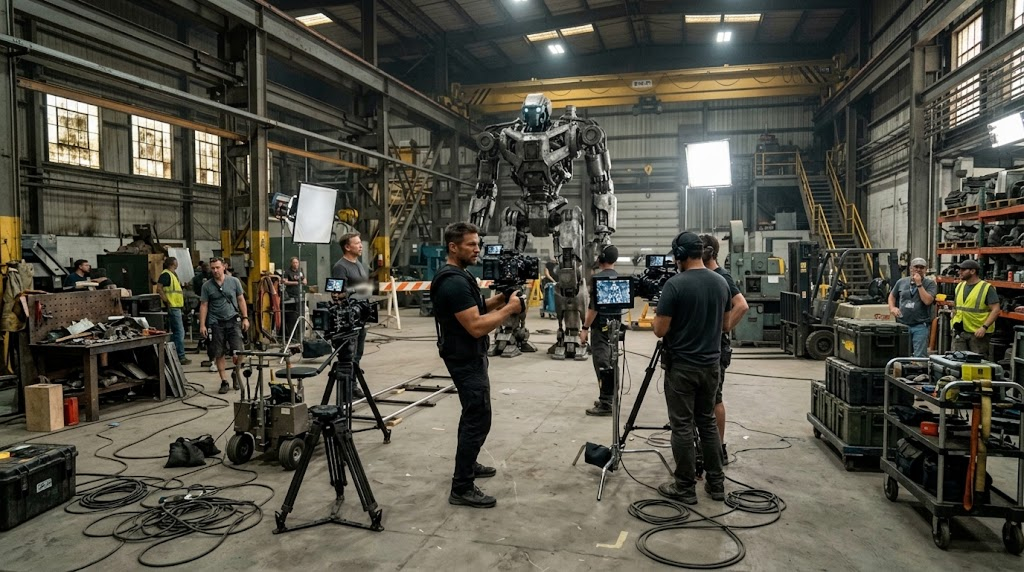
A robotics marketing agency turns robot footage and technical capability into content that three audiences act on:
- Operations leaders at factories, warehouses, and hospitals who need proof the robot will handle their real conditions
- Investors who want to see deployments, not just prototypes
- Engineers deciding which robotics company to join
Generalist agencies often treat robotics like software and lead with features. Robotics marketing should lead with motion, because the robot moving through a real task is the most convincing proof you have.
Ask any agency you are considering to show robotics or hardware work. If every example is a software demo or a consumer ad, they will struggle to film a robot in a working facility.
Why Spec Sheets and Trade Show Booths Don't Close Deals
Most robotics startups still market with spec sheets, payload charts, and a booth at a trade show. Those have a place, but they rarely win the buyer.
An operations leader is asking practical questions:
- Will it keep up with our line speed?
- What happens when a box is crushed or a label is missing?
- Can it work safely around my people?
- How long until it is running?
A spec sheet answers those questions in theory. A short clip of your robot handling a messy, real-world task answers them in seconds. Footage from a pilot or a busy lab test does the job better than a polished render.
Short clips also travel. A plant manager can forward a 30-second LinkedIn video to their VP in a way they will never forward a PDF. Our guide to short-form video for B2B startups explains why the format works for technical buyers.
5 Robot Videos That Sell
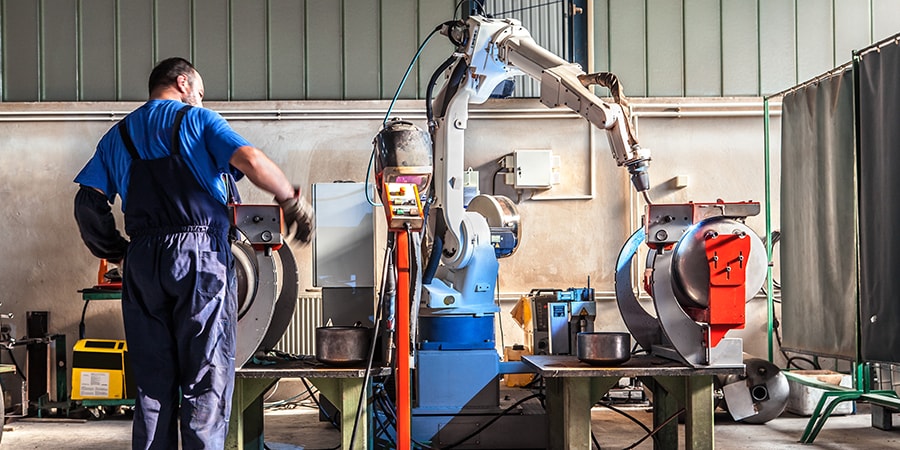
Every robotics startup should be building a library of these five clips.
1. The pilot deployment clip
Show your robot working at a real customer site, with written permission. If the customer cannot be named, blur logos and keep the focus on the task. This is the clip buyers trust most.
Even ten seconds of real throughput in a real facility can anchor a sales email, a deck, and a LinkedIn post.
2. The recovery clip
Boston Dynamics made "getting back up" famous. Your version is showing what happens when something goes wrong: a dropped item, an odd-shaped package, an unexpected obstacle. Showing graceful recovery builds more confidence than pretending nothing ever fails.
3. The long-run clip
Buyers worry about uptime. A time-lapse of a full shift, with a simple on-screen counter of picks or cycles, shows reliability in a way no claim can. Pair it with the number your buyer cares about most, such as picks per hour or hours without intervention.
4. The side-by-side clip
Show your robot working next to people. Operations leaders need to see how it fits into their existing team and safety rules, not just how it performs alone. Include safety features in action, such as the robot slowing, pausing, or rerouting when a person steps close.
5. The engineer clip
Let one of your engineers explain a single design choice on camera, in under a minute. These clips help buyers understand the product and double as recruiting content for one of the most competitive robotics talent markets in the world.
How to Build a Steady Stream of Robot Video
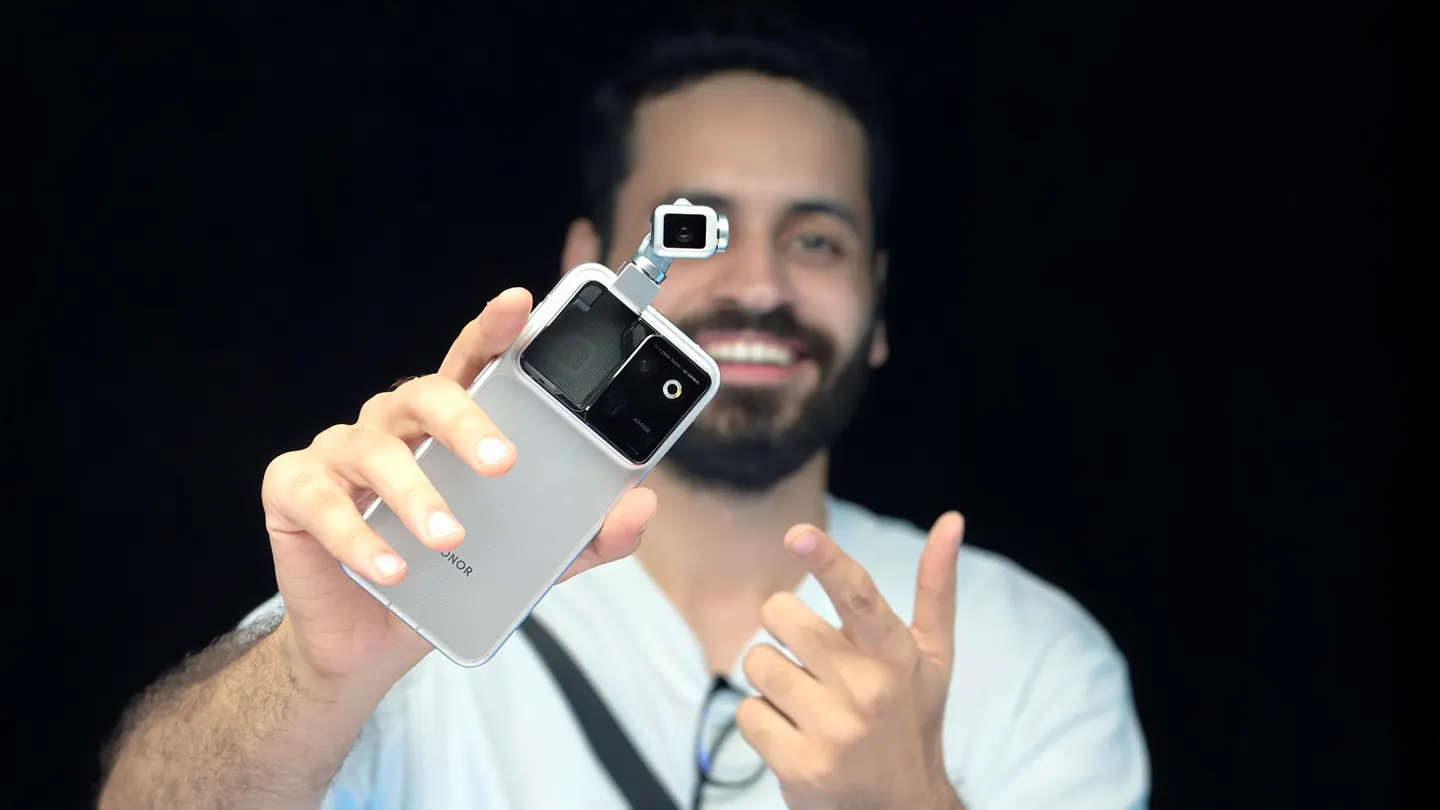
Most robotics startups already film a lot. Test runs, customer pilots, investor demos, and events like MassRobotics showcases all create footage. The problem is that it sits in a shared drive.
Here is a simple system:
- Get filming permission into pilot agreements. Agree on what can be shown before the robot arrives on site.
- Film every test, even the boring ones. Phone footage is fine. Volume matters more than polish.
- Run a monthly footage sweep. Pull every clip where the robot completes a task, recovers from a problem, or works beside people.
- Post on a steady rhythm. Two to three clips a week on LinkedIn and YouTube Shorts keeps your robot in front of buyers. Our guide to YouTube marketing for startups covers building a channel around this footage.
- Use demo days and events as content days. Boston's event calendar is a free source of footage, as we explain in our guide to choosing a deep tech marketing agency in Boston.
Hiring video belongs in the same system. Boston robotics companies compete for the same engineers as big tech and the city's biotech sector, which we cover in our biotech marketing agency in Boston guide.
Your Robot Is Your Best Salesperson
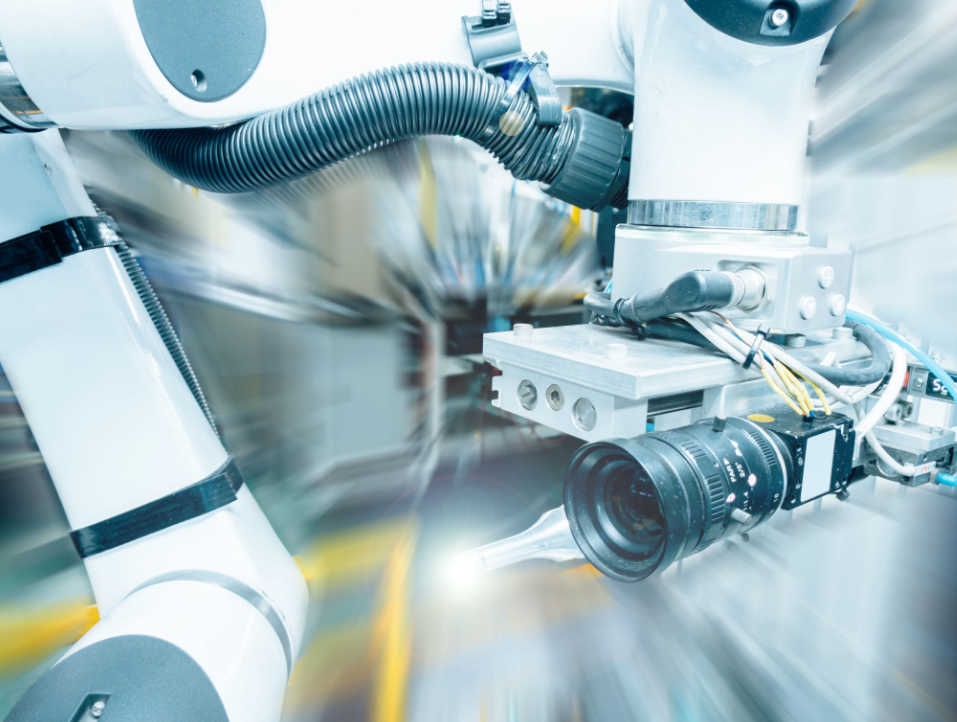
Your robot is the most watchable thing in deep tech. Most robotics startups just don't film it.
We turn your pilot deployments, lab tests, and demo days into 60 pieces of short-form content per month. We also make recruiting videos to help you hire engineers in one of the most competitive robotics talent markets in the world.
See our work in our case studies, then book a call to see what we would build from your footage.

Frequently Asked Questions