Biotech Marketing Agency in Boston: How to Stand Out in 2026
A biotech marketing agency in Boston helps startups turn strong science into a story that investors, pharma partners, and recruits understand fast. In 2026, that comes down to four jobs: mechanism of action animation, content that clears MLR review, founder visibility on LinkedIn, and recruiting video.
The reason is simple. In Kendall Square, almost everyone has great science. The companies that get funded, partnered, and staffed are the ones people can actually understand.
Why Great Science Is No Longer Enough in Kendall Square

Massachusetts biotech is growing again, but the money is not spread evenly. MassBio's 2026 Industry Snapshot shows both sides.
The opportunity is real:
- Massachusetts companies raised $3.45 billion in venture capital in the first half of 2026, up 25% year over year.
- That is 25% of all US biopharma venture funding.
- Eight Massachusetts companies went public, nearly two-thirds of all US biotech IPOs in that period.
- Eleven companies were acquired for about $18.0 billion combined.
- The state holds 17% of the national drug pipeline.
The pressure is just as real. Biopharma employment fell 3.1% in 2025, the first annual decline in more than two decades of MassBio tracking.
The average Series A is now $79.6 million, while the average seed round fell to $4.65 million, down from $7.65 million. For a seed-stage founder, the jump to Series A is steeper than it has been in years.
That gap tells the story. Capital is concentrating in bigger bets, and every bet gets judged on how clearly the company explains its science.
MassBio CEO Kendalle Burlin O'Connell summed up the upside in the report announcement: "Capital is flowing, companies with compelling data are going public, and science is getting rewarded." The key word is compelling. Data only compels people who understand it.
What Does a Biotech Marketing Agency in Boston Actually Do?

A biotech marketing agency translates your science for three audiences who each need something different.
- Investors need to see why your approach wins and what the next milestone proves.
- Pharma partners need a clear mechanism, credible data, and nothing that creates regulatory risk.
- Scientists and operators need a reason to leave a stable job for your mission.
A general Boston agency can make your brand look good. A life sciences marketing partner makes your science easy to follow without making it less true. That difference shows up in every deck, video, and LinkedIn post you publish.
The 4 Jobs Your Biotech Marketing Partner Must Handle
These four jobs cover most of what a Boston biotech needs between seed and its first partnership.
1. Turn your mechanism of action into clear animation

Your mechanism of action is the core of your story. It is also the hardest part to explain in a slide.
A good mechanism of action animation shows what your molecule, cell therapy, or platform does inside the body in 60 to 90 seconds. It gives investors a picture they can repeat to their partners, and it gives BD teams something to share inside pharma companies. Then cut a 15-second version for LinkedIn and conference booths, so one asset works in three places.
The animation must be scientifically correct before it is beautiful. That is why we have your scientific team review the script and storyboard before anything is animated.
Changing a storyboard takes minutes. Re-rendering a finished animation can take weeks.
2. Get content through MLR review the first time
MLR stands for medical, legal, and regulatory review. Pharma companies run their external materials through it, and partners are often held to the same bar. Many funded biotechs build a lighter version internally.
Even before you have a product, the rules apply. Under FDA regulation 21 CFR 312.7, a sponsor cannot represent in a promotional context that an investigational drug is safe or effective.
An agency that writes "breakthrough cure" in a first draft is costing you review cycles. Ask any agency how they handle claims and citations before you sign. The basics are simple: cite every data point, describe results as findings, and never imply approval.
Our explainer work is written to survive MLR review from the first draft.
3. Make founders and scientists visible on LinkedIn
In Boston biotech, LinkedIn is where investors, BD leads, and candidates check you out before a meeting. A silent founder profile reads as a company with nothing to say.
The fix is not daily posting. It is a steady flow of short clips where your founder or CSO explains one idea at a time: a new dataset, a conference takeaway, or why the team chose a specific target. One filmed interview day can supply a month of these clips.
We cover the format in our guide to LinkedIn video marketing for B2B. If your founder hates being on camera, start with our take on why founder-led video matters.
4. Use recruiting video to compete for talent

After a year of cuts, experienced scientists weigh startup risk more carefully. They want proof that a startup is funded, focused, and worth the risk.
A short recruiting video does that better than a job post. Show the lab, the team, and the problem you are solving, and let your scientists explain it in their own words. Candidates trust peers more than job descriptions.
Use it on your careers page, in LinkedIn job posts, and in outreach from your hiring team.
What Good Biotech Marketing Looks Like in Practice
The best biotech marketing makes the platform or the data the hero. Boston's Ginkgo Bioworks positioned itself as infrastructure for biology, a story we break down in our Ginkgo platform marketing playbook.
Recursion built a following without an approved drug by showing its process in public. We cover how in our biotech marketing strategy without an approved drug breakdown.
Both companies proved the same point. When your science is hard to see, video is how people see it. Wyzowl's 2026 research found that 96% of people have watched an explainer video to learn more about a product or service.
How to Tell If a Boston Agency Understands Biotech
Before you hire a life sciences marketing agency in Boston, ask these questions:
- Who on your team reads our papers and patents before scripting?
- How do you handle scientific review before animation starts?
- How do you keep claims compliant for an investigational product?
- Can you show a mechanism animation you made for a real therapeutic?
- How do you turn one filmed day into LinkedIn clips, a pitch film, and a recruiting video?
If you are building outside therapeutics, such as robotics, materials, or climate, see our guide to choosing a deep tech marketing agency in Boston.
Your Science Is Part of Your Pitch
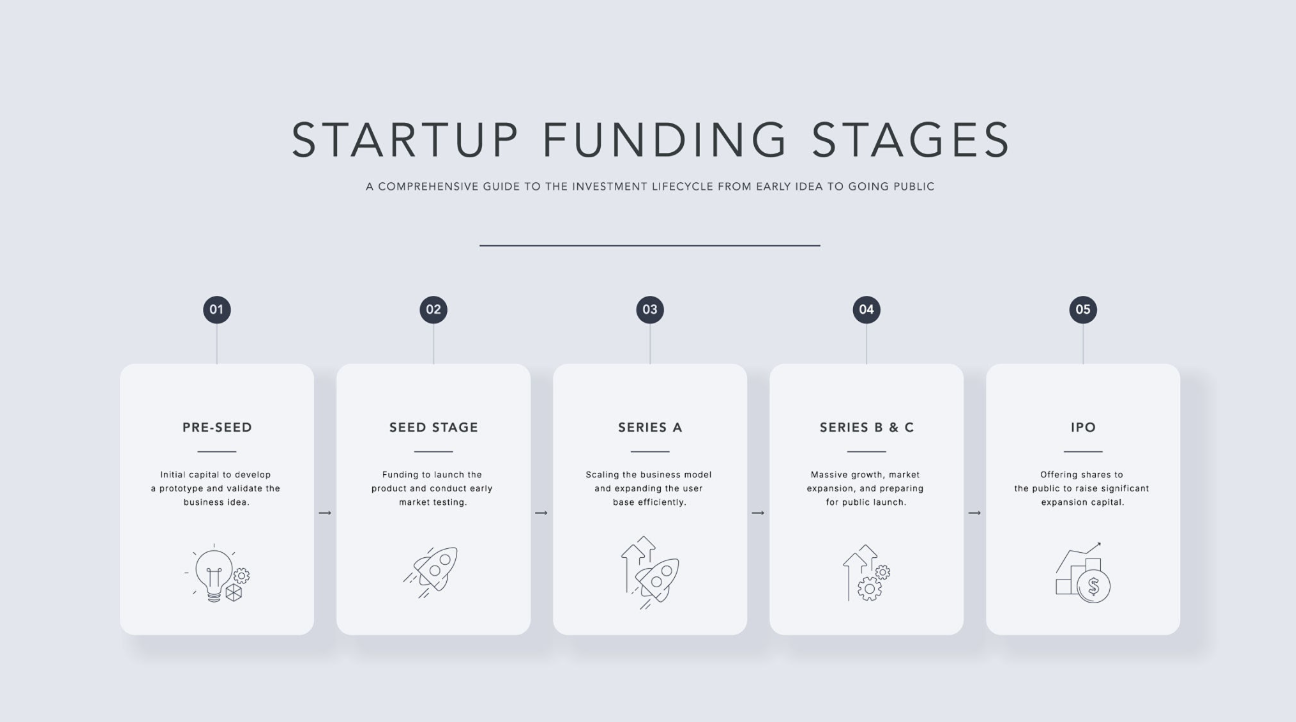
In a market where the average Series A is nearly $80 million, how clearly you explain your science is part of your pitch. Investors are writing bigger Series A checks, and they fund what they understand.
We build mechanism of action animations that your scientific team reviews before anything is animated. We also make pitch films for your next round, as covered in our guide to what investors want to see in a startup pitch video, and recruiting videos that help you win talent in a crowded Kendall Square.
See our work in our case studies, then book a call to see what we would build for your company.

Frequently Asked Questions