

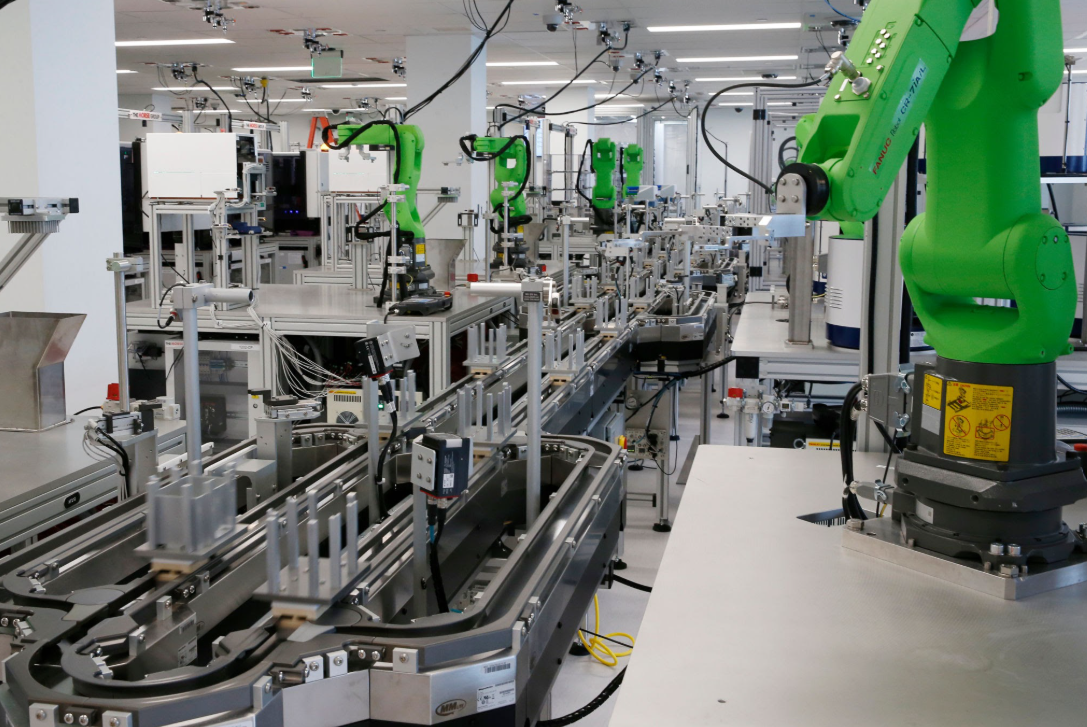
Biotech Platform Marketing: Ginkgo's AWS of Biology Playbook
Ginkgo Bioworks (NYSE: DNA) is a Boston synthetic biology company that never marketed a drug, a test, or a therapy. It marketed a cell programming platform, sold with one borrowed idea: cloud computing.
Biotech platform marketing is the practice of selling a capability instead of a finished product. For Ginkgo, the "AWS of biology" analogy shaped its pitch, its pricing, its flagship conference, and its 2026 pivot.
Here is how it worked, where it cracked, and what synthetic biology founders can copy.
What Is Biotech Platform Marketing?
Biotech platform marketing is the practice of selling the engine behind many products instead of one product. The buyer pays for access to lab capacity, data, or design tools, then builds its own products on top. The job is to make an invisible capability feel concrete and worth a multi-year commitment.
In our deep tech marketing work, this is the most common gap: the science is strong, but outsiders cannot picture it.
Who Is Ginkgo Bioworks?
Ginkgo Bioworks is a cell programming company that designs engineered organisms and runs lab work for other companies. Five MIT scientists, including CEO Jason Kelly, founded it in Boston in 2008. Its customers span pharma, agriculture, food, and industrial chemicals.
- 2014: First biotech company accepted into Y Combinator (YC).
- 2021: Went public on the New York Stock Exchange through a merger valued at roughly $15 billion.
- 2023: Over 100 active programs with partners such as Bayer, Merck, Novo Nordisk, and Syngenta, plus a five-year AI partnership with Google Cloud.
- 2026: Divested its biosecurity unit in April to focus on autonomous labs.
Why Is Synthetic Biology Marketing So Hard?
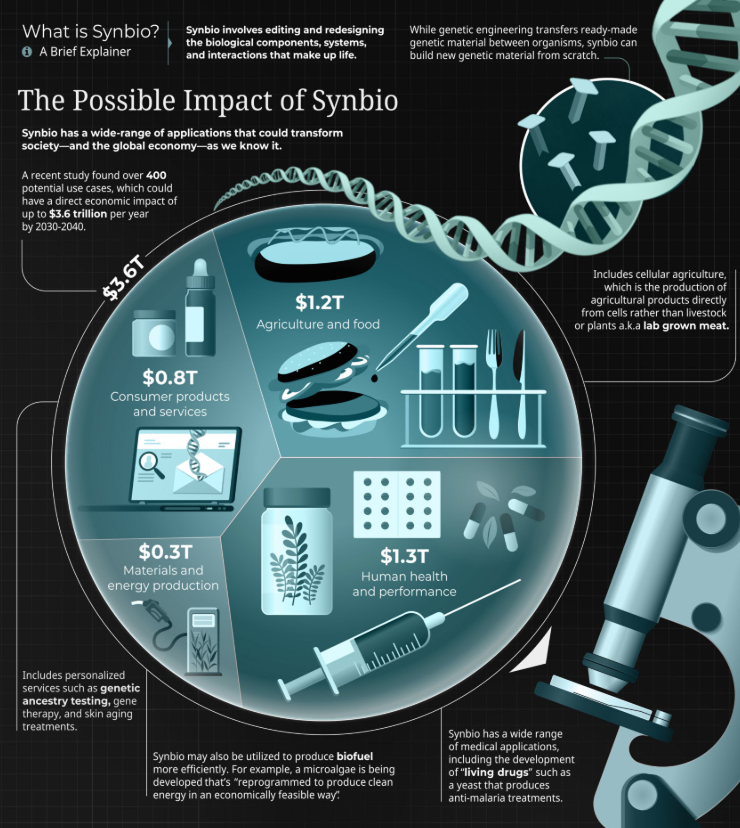
Synthetic biology marketing is hard because the buyer cannot see what it is buying, and often cannot picture how it works. Jason Kelly once described Ginkgo's deliverable as a tiny tube holding a single engineered cell, which the customer then grows in its own tanks.
Like most B2B biotech marketing, the sales cycle is slow. Programs run for months or years, and buyers are R&D leaders who already run their own labs.
The category also barely existed, so Ginkgo first had to explain what "programming a cell" meant. We saw the same challenge in the Recursion biotech marketing strategy.
How Did Ginkgo Brand Itself as the AWS of Biology?
Ginkgo branded itself as the AWS of biology in three moves. It framed genetic engineering as a software problem, priced its services like a tech platform, and built its own conference to tell the story. Together, these moves formed the core of the Ginkgo Bioworks marketing strategy.
Move 1: Borrow a Category Investors Already Understand
Kelly and his cofounders came to biology as engineers. In a 2021 talk at the SALT conference, he noted that every cell reads the same DNA code, then asked: "Where's the Amazon Web Services?"
Ginkgo called itself "the organism company," and at its 2014 YC demo day, Kelly said biotech was still in its punch card era. Even the ticker, DNA, explains the business.
That is synthetic biology startup branding at its simplest: borrow a category investors already trust.
Move 2: Let the Analogy Set the Price
The AWS framing was more than a tagline. It became the biotech go-to-market strategy.
Before going public, Kelly told Axios that Ginkgo would charge for its automated lab, the Foundry, "like AWS does for data center cycles." It would also take royalties or equity in products built on the platform, like an app store.
That meant service fees up front, then "downstream value share" later. By the end of 2023, Ginkgo reported to the SEC about $2.4 billion in potential milestone payments, plus royalties.
Move 3: Build a Stage You Own

Ginkgo built Ferment, its own annual conference, instead of waiting for invitations. At the 2024 edition, Kelly and Chief Technology Officer Barry Canton gave keynotes, and Ginkgo launched "Lab Data as a Service."
The sessions were livestreamed and posted on YouTube, with Kelly as the face of an abstract platform. That is the core case for founder-led video.
You do not need a conference to copy this. Here is how to repurpose one webinar into 8 video assets.
Where Did the AWS of Biology Analogy Break Down?
The AWS of biology analogy broke down on repeat revenue and on pricing, a common trap in biotech platform marketing. AWS earns money every month a customer runs servers, while Ginkgo earned most of its money during the research phase of each program.
- Held: Customers outsource lab work, just as startups rent servers.
- Cracked: Once a customer has its engineered organism, it can grow it without returning to Ginkgo.
- Cracked: Many buyers refused to negotiate royalties for early research.
In Q2 2024, Ginkgo shifted to simpler deal terms. On a February 2025 earnings call, Kelly described a customer who once walked away over royalties and now buys like any contract research client.
Ginkgo completed a 1-for-40 reverse stock split in August 2024, and its second-quarter 2026 filing shows revenue of $20.2 million, down from $39.1 million a year earlier.
This is the hidden risk in biotech platform marketing: the story can outrun the business model.
How Did Ginkgo Rebuild the Platform Story in 2026?
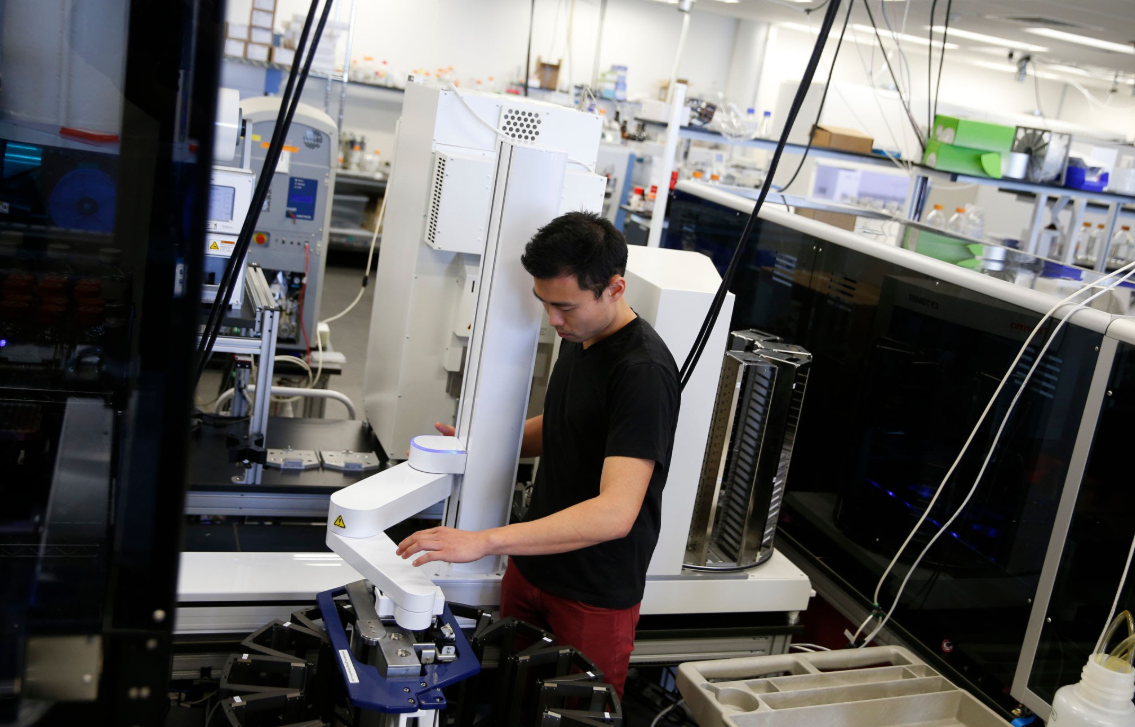
Ginkgo rebuilt the platform story in 2026 by making the AWS analogy literal. Instead of dropping the cloud pitch, it launched a service that works like cloud computing, with browser access and upfront pricing for each experiment that scientists run.
Most commentary calls the AWS label failed hype. Our read: the analogy was right, and the pricing was wrong.
In March 2026, Ginkgo launched Ginkgo Cloud Lab. Scientists describe a protocol in plain language, and an AI agent checks it and quotes a price. It offers remote access to more than 70 instruments, part of a plan to move all R&D work into Nebula, Ginkgo's autonomous lab in Boston.
Kelly now says on X that starting a biotech on Cloud Lab should be as easy as starting a software company on AWS.
Biotech Platform Marketing Lessons for Synthetic Biology Startups
The main biotech platform marketing lesson is that an analogy is a strategy, not a slogan. It decides what you build, how you charge, and what you publish. Before you commit to one, run it through five checks we call the Platform Analogy Test.
- Category: Does your analogy give buyers a mental model in seconds, like "the AWS of X"?
- Price: Do you charge the way your analogy promises?
- Stage: Do you own an event or lab tour that creates footage you control?
- Proof: Can buyers see the mechanism? A clear startup explainer video shows what a lab tour cannot.
- Break point: Do you know where your analogy fails before investors find it for you?
Ginkgo passed every check except price, and that is where its trouble started.
How Can Deep Tech Founders Make a Platform Story Visible?
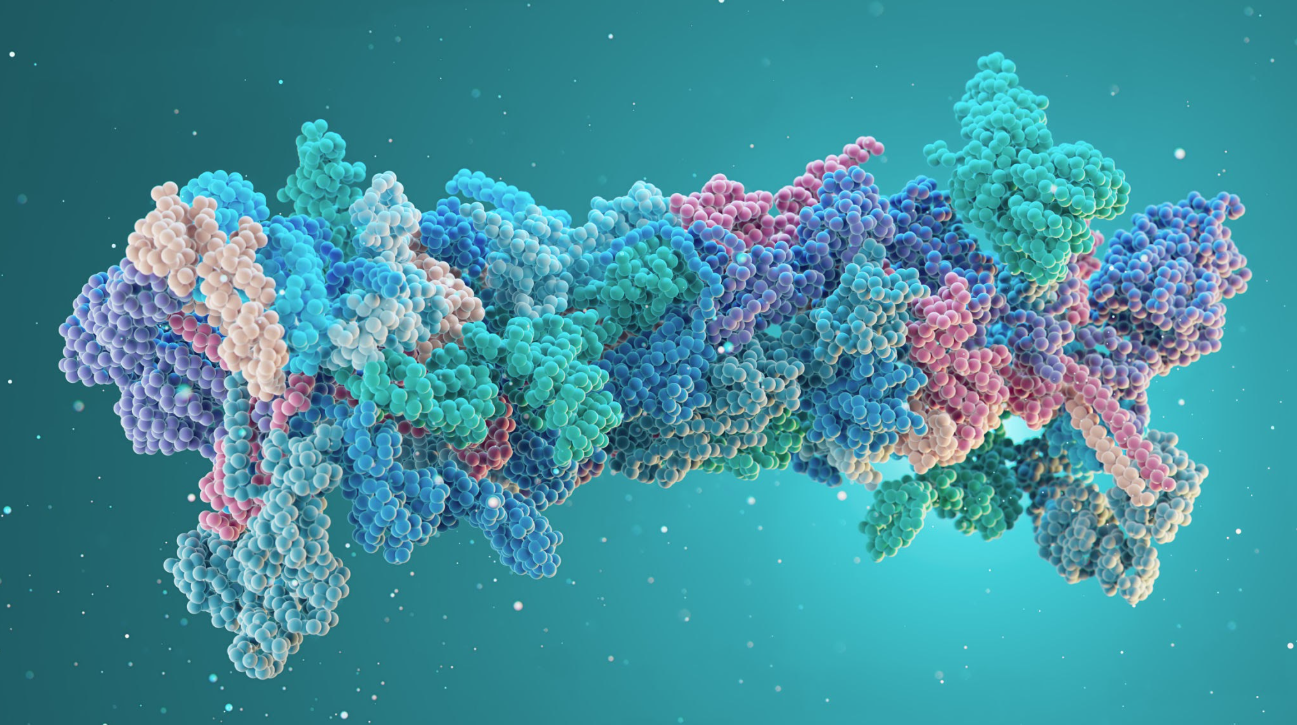
Ginkgo turned a complex B2B biotech platform into a story investors and partners can see. They did it with polished video, founder-led content, and explainer animations that make cell programming feel as intuitive as cloud computing.
That's exactly what we do for DeepTech founders. We create mechanism animations that make your science tangible, and we build content systems that turn your founder's talks, panels, and interviews into 60 pieces of short-form content per month.
Browse our deep tech video case studies. Whether you're selling a platform, a product, or a process, we make the invisible visible.

Frequently Asked Questions


.png)