Green Chemistry Marketing: How Solugen Built a $2B Company Without a Green Premium
Green chemistry marketing is how companies that make cleaner chemicals persuade industrial buyers to switch suppliers. Solugen, the Houston company behind the Bioforge, does it by leading with price, performance, and safety. The environmental benefit comes second, as a bonus buyers discover after the numbers already work.
That order is deliberate. Solugen does not ask customers to pay extra for being green. The approach helped it raise more than $640 million and reach a valuation of about $2 billion.
What Is Solugen and How Does It Make Chemicals?
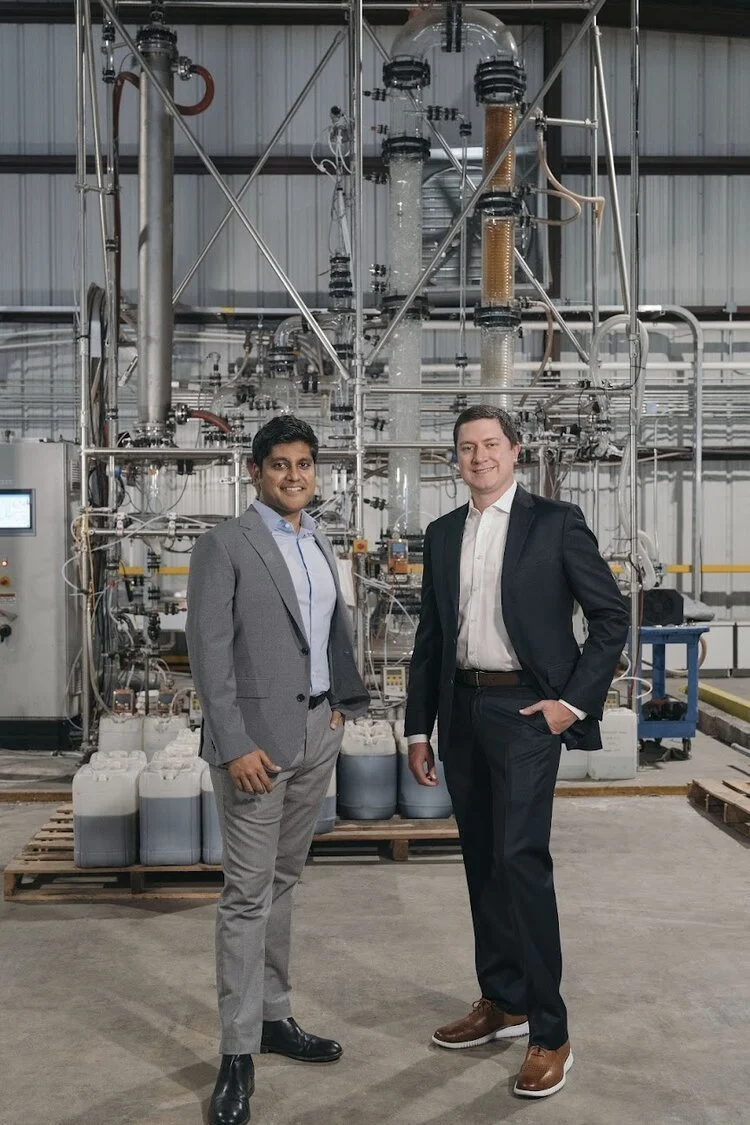
Solugen is a Houston-based green chemistry company that makes bio-based chemicals from corn sugar, replacing chemicals usually made from fossil fuels. Gaurab Chakrabarti, a physician-scientist, and Sean Hunt, a chemical engineer trained at MIT, founded it in 2016.
During his MD-PhD at UT Southwestern, Chakrabarti found an enzyme that turns sugar into hydrogen peroxide. At MIT, Hunt had studied making the same chemical with metal catalysts. They met at a poker game and combined the ideas.
Their chemienzymatic process works in three steps:
- Plant-based sugar (dextrose), water, and air flow into a reactor with enzymes engineered using machine learning.
- A metal catalyst finishes the reaction, with no combustion or extreme heat.
- The result is a chemical like hydrogen peroxide or glucaric acid, used in water treatment, agriculture, concrete, energy, and cleaning.
According to Contrary Research, Solugen has shown commercial-scale yields of 95% or higher, while petrochemical yields often top out near 60%.
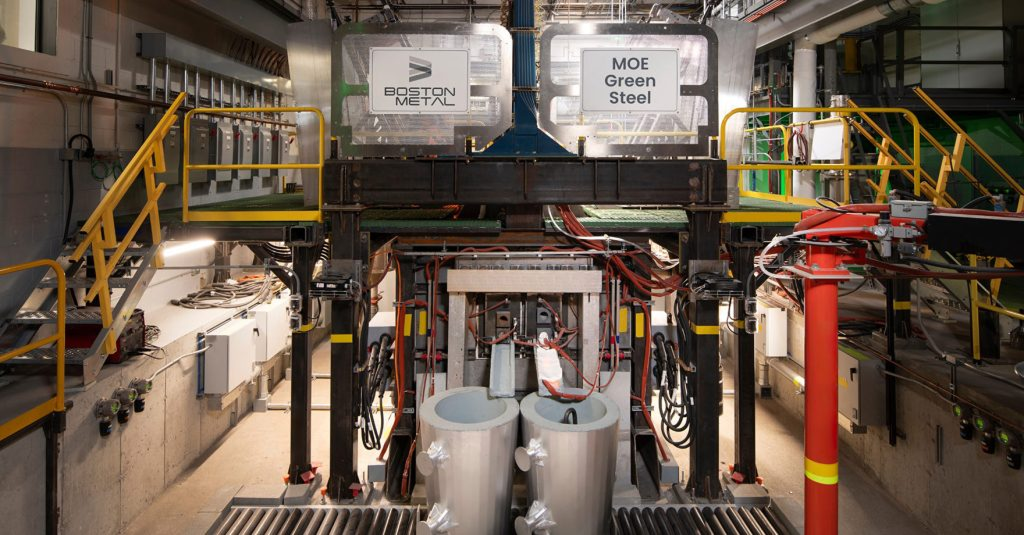
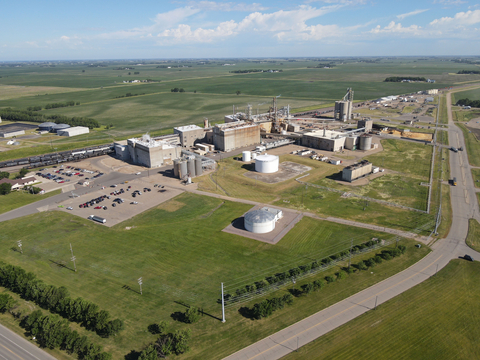
Solugen calls its plants Bioforges. Bioforge Houston came online in 2021 with 10,000 tonnes of annual capacity. Minnesota's governor's office reported that the Houston plant cut greenhouse gas emissions by over 80% compared with petroleum-based methods.
In 2024, Solugen broke ground on Bioforge Marshall in Minnesota, next to an ADM (Archer Daniels Midland) corn plant. It is backed by a conditional $213.6 million loan guarantee from the US Department of Energy.
Why Is Green Chemistry Marketing So Hard?
Green chemistry marketing is hard because industrial buyers purchase chemicals on price, specification, and reliability. A sustainability story rarely survives a procurement review if it costs more or adds supply risk.
These buyers run oil fields, power plants, and water systems, so they change suppliers slowly.
Early on, Solugen's founders learned from first-wave cleantech founders that asking customers to pay more to be green does not scale.
On the My Climate Journey podcast, Chakrabarti said buyer objections were rarely about the molecule. They were about delivery, quality control, and consistent supply.
How Did Solugen Make Sustainability the Secondary Selling Point?
Solugen made sustainability secondary through four moves: competing on price, reframing green as safety, proving profit and loss (P&L) impact before carbon claims, and selling domestic supply security.
1. Compete on price and performance first
Hunt put it plainly: "we do not lead into any customer engagement with some sort of green premium."
Instead, Solugen targets specialty chemicals, where Hunt said in 2021 it priced at or below incumbent suppliers. Even the company's mission statement lists "high performing, cost competitive" ahead of the word sustainable.
The pitch: better chemistry that also happens to be green.
2. Translate "green" into safety
Hunt noted that for plant operators, ESG (environmental, social, and governance) mostly means safety. Solugen's products avoid hazmat shipping and reduce the protective gear crews need to wear.
A field supervisor notices that benefit immediately. A carbon reduction chart does not.
3. Prove the P&L, then bring in the sustainability team
Solugen runs a field trial, shows the savings, and only then approaches the customer's sustainability team, offering to model the carbon impact of a company-wide rollout.
Contrary Research reports that Verza360, one product line, saved Texas saltwater disposal operators $2.6 million by cutting fouling and downtime. By the time sustainability comes up, the budget case is already made.
4. Sell supply security
Many chemicals Solugen replaces are imported and pass through several middlemen. Solugen makes its products in the US and ships directly to customers.
That message appeals to industrial and defense buyers, and Solugen's website lists oil and gas, renewable fuels, and defense first.
What Results Did Cost-First Positioning Deliver?
The approach attracted customers and capital:
- More than $640 million raised, including a $357 million Series C in 2021 led by GIC and Baillie Gifford.
- A post-money valuation of about $2 billion after a $200 million Series D in 2022, led by Kinnevik, Lowercarbon Capital, and Refactor Capital.
- Revenue on pace to pass $100 million in 2022, with gross margins near 60%, according to Chakrabarti.
- Partnerships with ADM, Sasol Chemicals, and Kurita America, plus a 2023 US Department of Defense contract.
- The Environmental Protection Agency's Green Chemistry Challenge Award in 2023.
One caveat: Bioforge Marshall is Solugen's biggest scale-up test yet, and holding cost leadership there is the next proof point.
What Can a Sustainable Manufacturing Startup Learn From Solugen?
A sustainable manufacturing startup can copy Solugen's core idea: win on cost, then let the climate benefit support the decision.
- Lead with the buyer's metric: cost per ton, uptime, and yield. Emissions data comes later.
- Translate impact into operator language. Safety and simpler logistics are benefits plant managers feel.
- Sequence your audiences: operators, then procurement, then the sustainability team.
- Obsess over boring proof. On time, on spec, every time.
- Keep claims measurable. Our guide on how to avoid greenwashing in climate tech marketing explains why precise claims protect you.
If your product costs more, see how Twelve sells premium jet fuel by leading with mandates instead.
Why Does Solugen's Story Work So Well on Video?
Solugen's story works on video because it has two assets most chemical companies lack: a founder who explains hard science in plain language, and a factory worth filming.
On long-form podcasts like My Climate Journey and The Chemical Show, Chakrabarti explains Solugen with simple analogies, such as comparing its breakthrough to how Intel learned to mass-produce chips.
Video mattered from the first sale. A float spa owner saw their MIT pitch video and shared it with roughly 400 other owners, Hunt has said, creating Solugen's first paying customers.
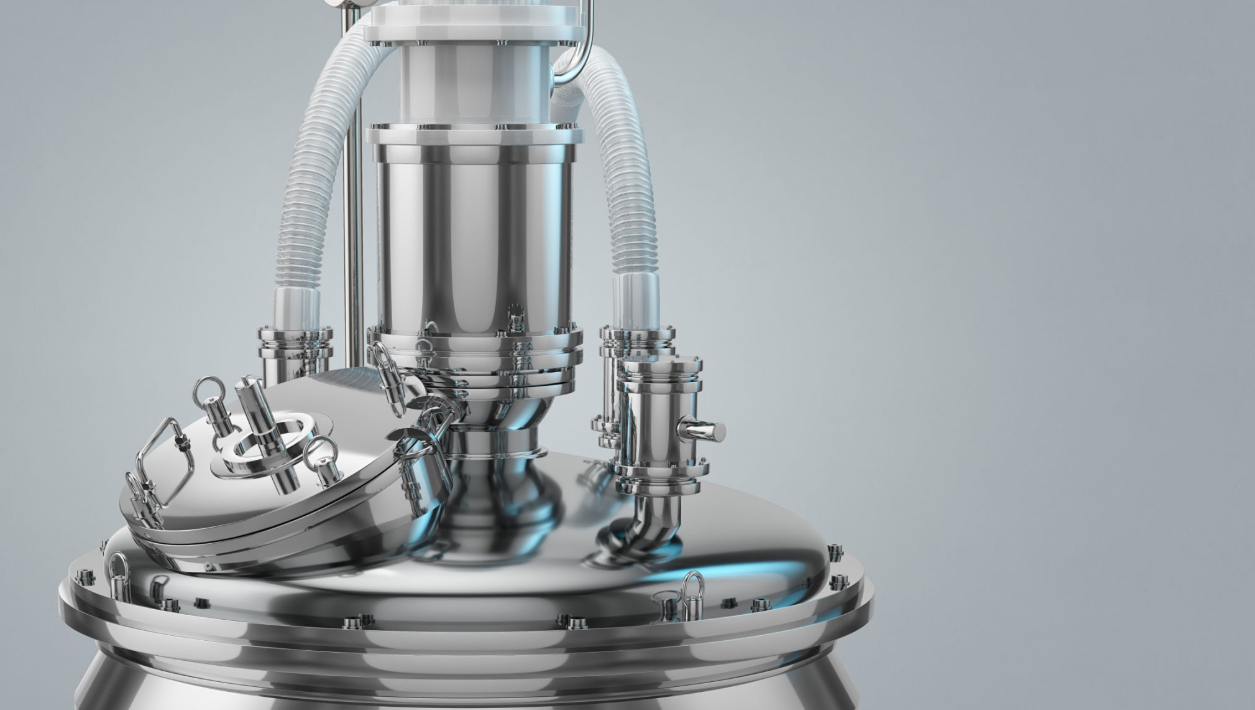
The Bioforge supplies the visuals, turning an invisible chemical reaction into steel reactors and lab work buyers can see.
In our work with DeepTech founders, the raw material usually exists: podcasts, keynotes, and facility tours that sit unused. We cover the fix in why founder-led video matters and how to repurpose one video into 15+ content assets.
Put Your Founder and Your Facility on Screen
Solugen's CEO builds trust through long-form content, then Bioforge footage does the rest. That is the playbook: founder on camera, facility on screen, science made simple.
At Alluvium, we build this entire content engine for DeepTech founders. We script your founder-led videos, animate your mechanism of action, and sweep your existing footage for the strongest moments.
Then we repurpose everything into short-form content for LinkedIn, TikTok, Instagram, and YouTube Shorts. Every 60 minutes of raw footage becomes 60 pieces of content. See the results in our case studies.

Frequently Asked Questions

.png)