.png)
How Twelve Sells Jet Fuel Made From CO2: A Sustainable Aviation Fuel Marketing Playbook
Sustainable aviation fuel marketing is how producers of sustainable aviation fuel (SAF) convince airlines, fuel suppliers, and investors to pay a premium for low-carbon jet fuel. Twelve, the CO2 utilization startup behind E-Jet fuel, does it by selling compliance and supply security instead of climate goals.
Its message to airlines is simple. SAF mandates are already law, so the real question is not "should we buy?" but "who can supply us?"
What Does Twelve Do?
Twelve is a Berkeley, California company that turns captured CO2, water, and renewable electricity into jet fuel and chemicals through a power-to-liquid (PtL) process. Its main product, E-Jet fuel, is a type of eSAF: sustainable aviation fuel made from electricity and CO2 instead of oil or crops.
Twelve was founded in 2015 as Opus 12.
Its process works in four steps:
- Captured CO2 and water enter an electrolyzer powered by renewable electricity.
- A proprietary catalyst converts them into carbon monoxide and hydrogen, a mix called syngas.
- The syngas is turned into a synthetic crude oil.
- That crude is refined into E-Jet fuel and E-Naphtha, a building block for plastics, packaging, and fibers.
In June 2026, Twelve opened AirPlant One in Moses Lake, Washington, the first commercial-scale US plant making this kind of fuel. The company says E-Jet meets ASTM International jet fuel standards, needs no aircraft changes, and cuts lifecycle emissions by up to 90%.
Why Is Sustainable Aviation Fuel Marketing So Hard?
.png)
Sustainable aviation fuel marketing is hard because the product costs far more than fossil jet fuel, and airlines have almost no profit margin to absorb the difference. A climate-first pitch asks buyers to accept higher costs voluntarily, which few airline finance teams will approve.
Trellis reports that industry estimates put eSAF at five to ten times the cost of conventional fuel. Meanwhile, the International Air Transport Association (IATA) forecast a global airline net margin of just 3.9% for 2026, or about $7.90 in profit per passenger.
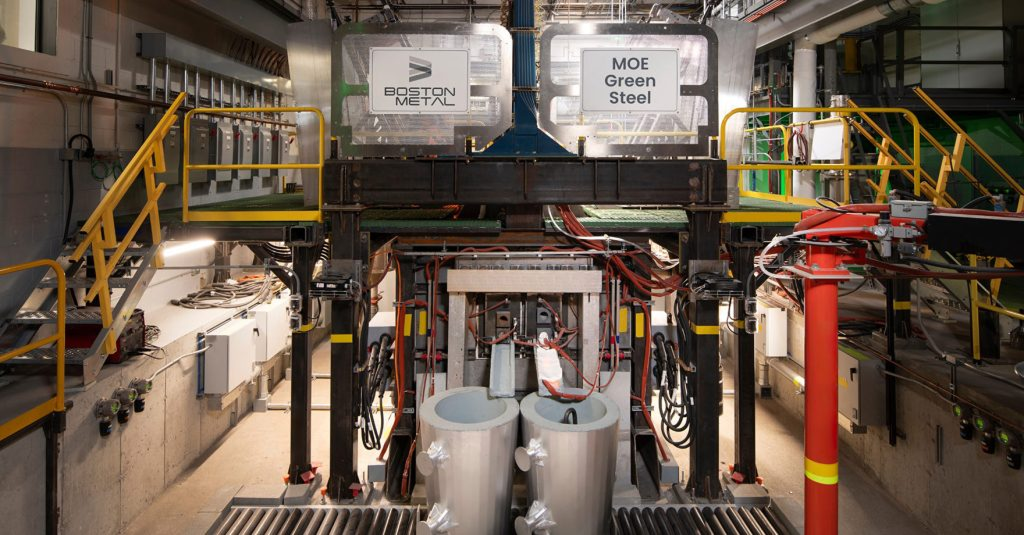
Green steel faces the same barrier, as our breakdown of how Boston Metal sells green steel to steelmakers shows.
How Did Twelve Reframe the Sale?
Twelve reframed the sale from "should we?" to "who will supply it?" with four moves: selling regulatory mandates instead of climate goals, presenting price as predictability, turning buyers into investors, and borrowing credibility from demanding early customers like the US Air Force.
1. Sell the mandate, not the mission
Under the EU's ReFuelEU Aviation regulation, fuel supplied at EU airports must include 2% SAF from 2025, rising to 6% in 2030 and 70% in 2050.
Inside that target sits a separate quota for synthetic fuels like E-Jet: an average of 1.2% across 2030 and 2031, climbing to 35% by 2050. Member states set their own penalties, and Germany has confirmed fines of €17,000 per tonne of missing eSAF.
That turns eSAF into a supply problem, because very few producers exist at scale.
In February 2024, International Airlines Group (IAG) signed a 14-year agreement with Twelve for 785,000 tonnes (260 million gallons) of eSAF for British Airways, Iberia, Aer Lingus, Vueling, and LEVEL.
IAG CEO Luis Gallego said the deal would help the group "meet future mandate requirements in key markets." When a buyer explains the purchase in compliance language, the positioning is working.
2. Present price as predictability
Instead of quoting a price per gallon, Twelve pitches 10+ years of potential price predictability, because its costs follow long-term power contracts rather than oil markets.
The premium becomes a hedge against oil price swings, not a donation.
3. Turn buyers into investors
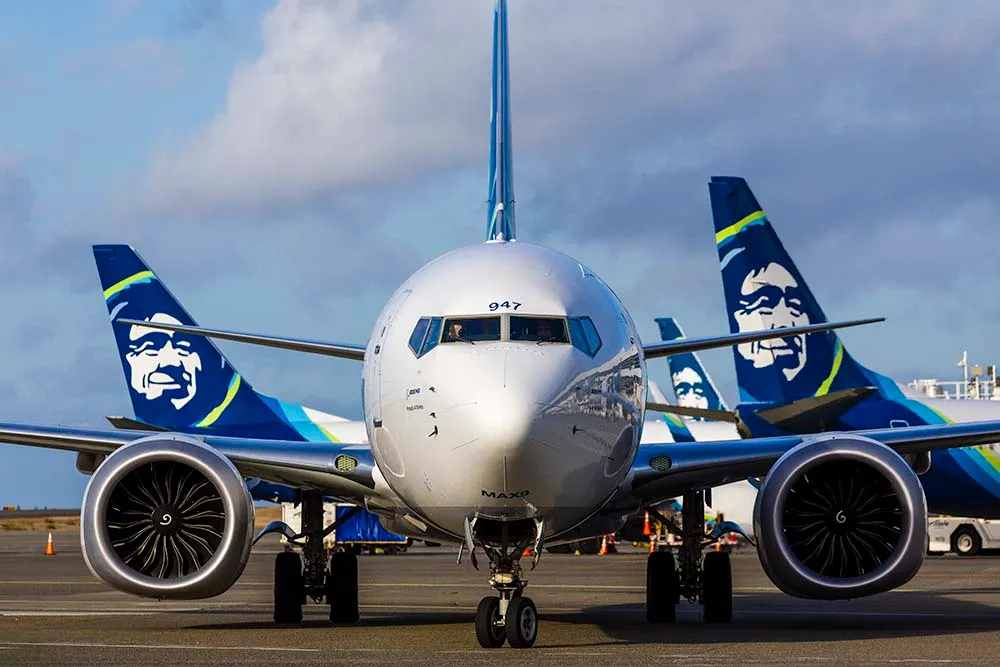
In 2022, Alaska Airlines and Microsoft jointly committed to buy output from Twelve's first plant. Twelve says that commitment made financing and construction possible.
Alaska then invested through Alaska Star Ventures in Twelve's $645 million raise in September 2024., led by TPG Rise Climate.
A customer on the cap table tells other airlines the supply is real.
4. Borrow credibility from demanding customers
Before any airline deal, the US Air Force funded the project that produced Twelve's first E-Jet batch in 2021.
It also delivered proof-of-concept projects with Procter & Gamble (CO2-based ingredients for Tide), Mercedes-Benz, and PANGAIA. Each name answers a question every buyer has: does this molecule actually work?
What Happened When AirPlant One Opened?
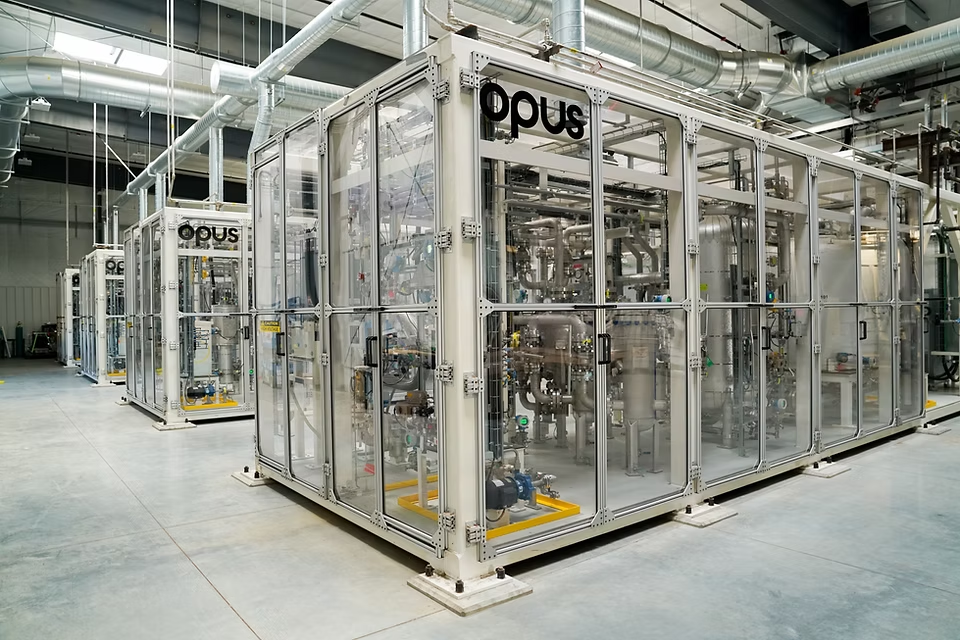
AirPlant One opened on June 10, 2026, with Alaska Airlines and Microsoft at the ribbon cutting. The plant makes roughly 50,000 gallons a year, a first step rather than full scale, and its launch included a delayed first flight. Its buyers stayed committed anyway.
According to The Seattle Times, Alaska postponed its first flight on Twelve fuel after some of it showed a higher-than-expected carbon intensity.
Alaska still called its support "full-steam ahead." In September 2026, Twelve closed a credit facility of up to $45 million to expand the site, with Alaska flights on its fuel expected later this year.
The lesson: buyers who sign for compliance reasons stay through early setbacks, because their obligation does not disappear.
What Can CO2 Utilization Startups Copy From Twelve?
CO2 utilization startups and other climate tech companies selling a premium product to a cost-focused industry can copy five moves from Twelve. Each one replaces a climate argument with a business argument that a CFO can approve.
- Find the rule that forces demand. Lead with mandates, penalties, and deadlines, not with the planet.
- Speak in your buyer's risk language. Supply shortages, fines, and price swings move CFOs faster than emissions charts.
- Turn your premium into a hedge. Show buyers what your price protects them from.
- Put customers on the cap table. Joint offtakes and strategic investment work as public endorsements.
- Keep claims precise. Twelve says "up to 90%" and "lifecycle." Our guide on how to avoid greenwashing in climate tech marketing explains why that precision protects you.
Why Does an Invisible Chemical Process Need Video?
An invisible chemical process needs video because buyers struggle to trust what they cannot picture. Nobody can watch CO2 turn into jet fuel, and most fuel buyers, investors, and policymakers will never read a technical paper. A 60-second animation can show them the whole process.
In our work with deep tech founders, we see this gap constantly. The proof exists, but it lives in press releases, PDFs, and conference halls.
Two formats close that gap:
- Mechanism animations show CO2, water, and electricity becoming fuel, molecule by molecule, without exposing proprietary catalyst details.
- Conference repurposing turns one founder keynote or panel into weeks of LinkedIn, YouTube Shorts, and Instagram clips.
For examples, see our 4 deep tech video marketing playbooks and our framework for repurposing one video into 15+ content assets.
Make Your Molecular Process Visible
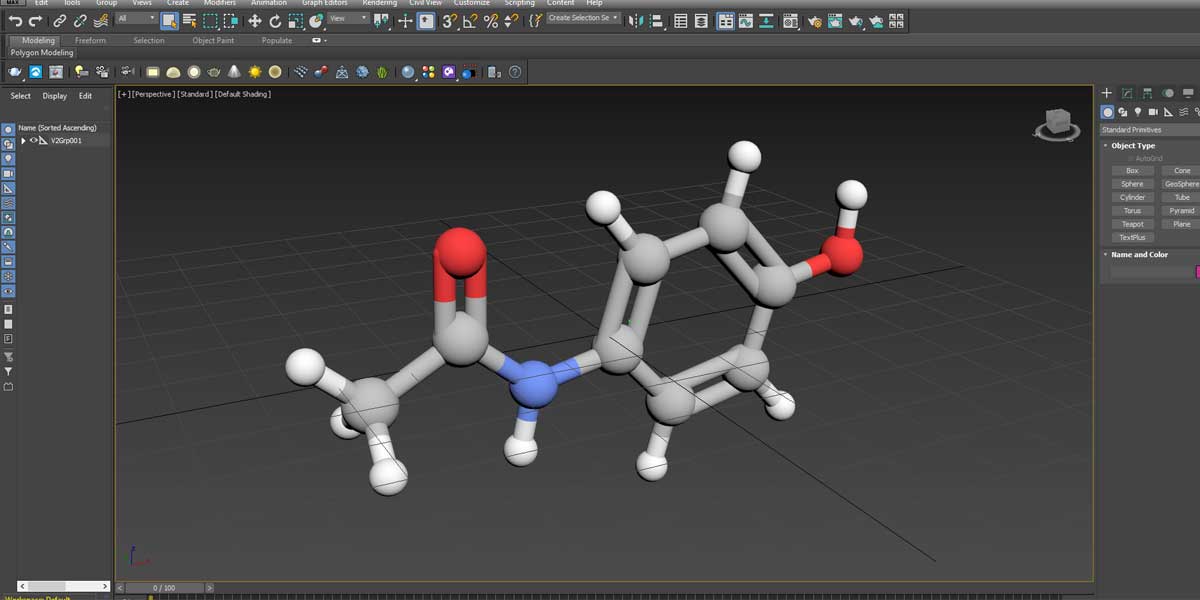
When your product is a chemical transformation nobody can see, your marketing succeeds or fails on how well you visualize it.
At Alluvium, we create mechanism animations that make molecular processes tangible for investors, buyers, and policymakers. We also build short-form content systems that turn your founder's conference appearances and media hits into clips for every platform. See the results in our case studies.
Your buyers already face a compliance deadline. Make sure they understand your solution before they sign with someone else.

Frequently Asked Questions