Soft Implants and Flickering Lights: Why Boston Neurotech Marketing Has to Earn Belief
Neurotech marketing in Boston has one job above all: earning belief. For Boston neurotech startups, that means showing exactly what the device does with mechanism animations, leading with trial design and data instead of promises, and putting clinicians and scientists on camera to explain the science.
This guide looks at two Cambridge companies taking opposite paths into the brain, why each faces a different trust problem, and how founders can earn belief without overselling.
Two Paths Into the Brain
Boston's neurotech scene is taking two very different routes to treating the brain. One goes inside. The other works from the outside.
Axoft: going in, softly
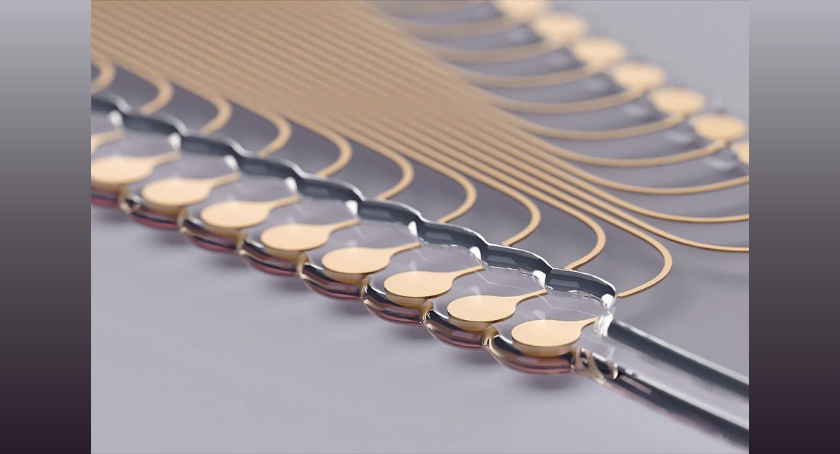
Cambridge-based Axoft builds implantable brain-computer interfaces from Fleuron, a material the company says is up to 10,000 times softer than the polyimide used in existing brain implants. The goal is an implant that behaves more like brain tissue than rigid electronics.
Axoft says Fleuron arrays captured stable single-neuron activity for more than a year and a half in preclinical models. Its first-in-human study was approved in late 2024, and on April 29, 2026, it raised an oversubscribed $55 million Series A to continue its global clinical trials.
Axoft has implanted its devices in more than 11 patients worldwide and plans to build a manufacturing facility in Boston.
Cognito: going in from the outside
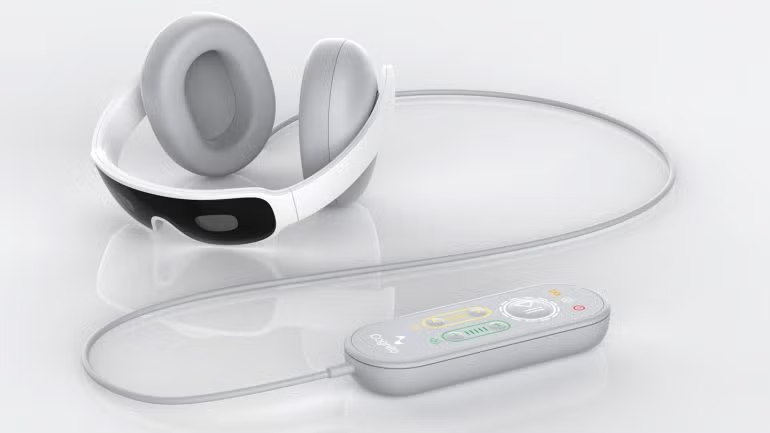
A few miles away, Cambridge-based Cognito Therapeutics takes the opposite approach. Its investigational device, Spectris, uses synchronized light and sound at 40Hz to evoke gamma brain activity in people with Alzheimer's disease.
In July 2025, Cognito completed enrollment of 670 participants across 70 US sites in its HOPE pivotal study. In March 2026, it presented new data at AD/PD 2026 linking EEG changes to function and brain volume in an earlier feasibility study.
Two companies, two directions, one shared challenge: getting people to believe.
Same Problem, Opposite Directions
Both companies face the same marketing problem, just from opposite sides.
For an implant, the barrier is fear. Patients and families worry about surgery, safety, and what it means to have a device in the brain.
For flickering lights treating Alzheimer's, the barrier is skepticism. It sounds too simple to be real, and many clinicians and investors will assume it is not.
Investors feel both. They worry about safety risk for implants and about efficacy risk for anything that sounds too easy.
In neurotech, the gap between "breakthrough" and "too good to be true" is one overhyped video wide.
What Is Neurotech Marketing?
Neurotech marketing is the work of explaining brain-computer interfaces, neuromodulation devices, and other brain technologies to clinicians, patients, investors, and regulators. Done well, it relies on clear mechanism animation, transparent trial data, and clinicians and scientists on camera rather than bold claims.
It also requires precision about status. Many neurotech devices, including Spectris, are investigational, and every piece of content needs to say so clearly.
4 Ways Boston Neurotech Startups Can Earn Belief
These four approaches help Boston neurotech founders build trust with every audience.
1. Show exactly what the device does
People fear what they cannot picture. A short mechanism animation can show where a device sits, how it interacts with the brain, and what it is designed to change. That picture does more to calm fear than any reassurance in text.
For a soft implant, that might mean showing how a flexible array moves with brain tissue instead of against it. For a light and sound device, it might show how 40Hz stimulation is intended to evoke gamma activity.
Every animation should be reviewed by your clinical team before anything is animated. Precision is what separates explanation from hype. Use the same animation in investor decks, clinician education, and conference talks, so every audience hears one consistent explanation.

2. Lead with trial design, then data
Before results arrive, your trial design is your strongest proof. A randomized, sham-controlled study with 670 participants across 70 sites tells clinicians the company is testing its idea seriously.
Explain the design in plain language: who is enrolled, how long the study runs, and what it measures. Cognito's HOPE study, for example, has participants use the device at home daily for 12 months, measured against a sham device.
Even early safety data can be powerful. Axoft's first-in-human study reported stable single-neuron signals with no drift over a 20-minute implant duration, a narrow but honest milestone.
When data arrives, share it with context. Explain what was measured, how big the effect was, and what it does and does not prove. Turn each milestone, from first patient enrolled to final data, into a short clip on the day it happens.
3. Put clinicians and scientists on camera
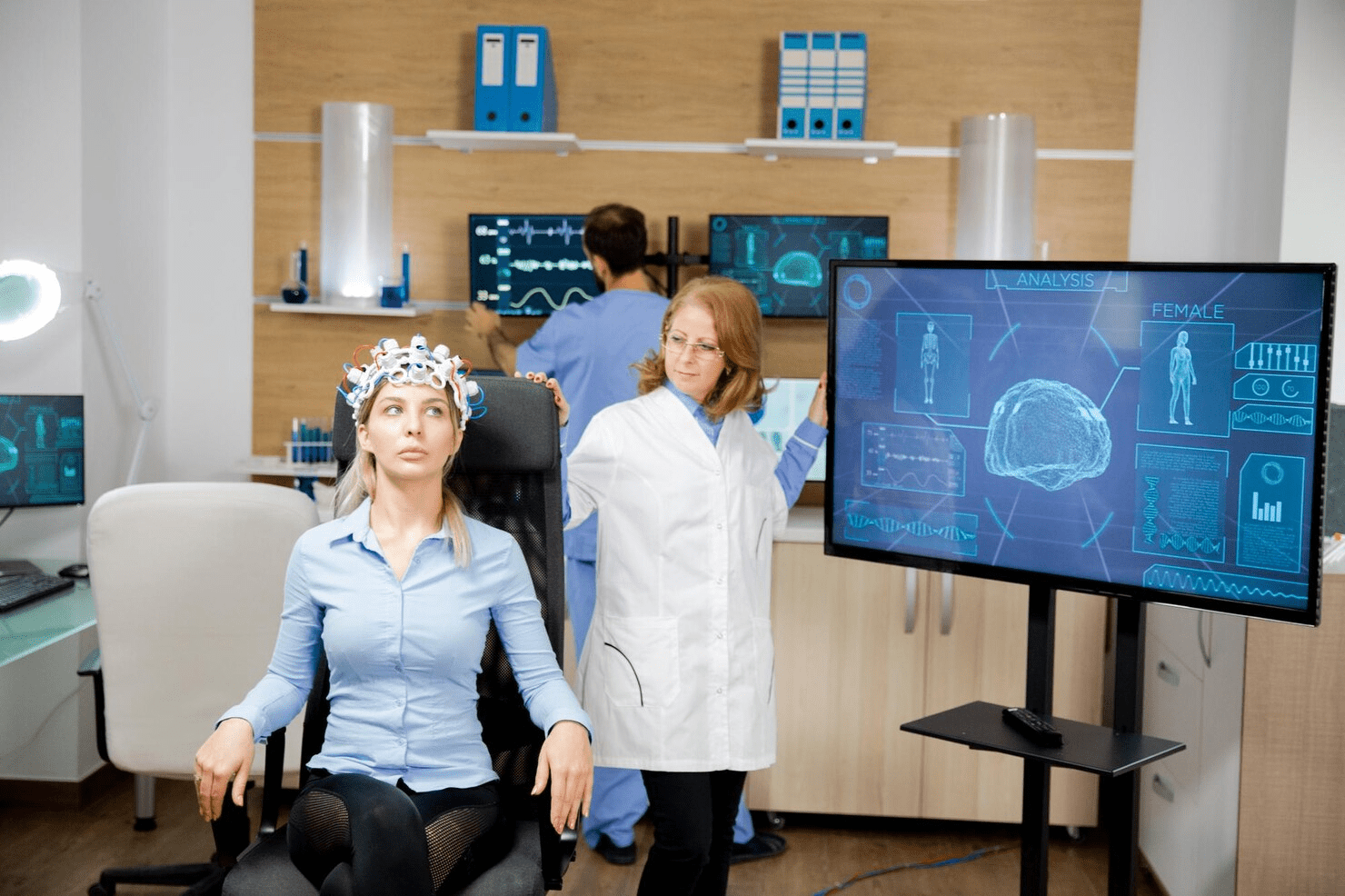
Clinicians trust other clinicians. Short clips where a neurologist or neurosurgeon explains the science, the study, or a case carry more weight than any founder pitch.
Scientists matter too. A researcher explaining why a softer material might reduce scarring, or why gamma activity matters, makes the science feel real. Patients and caregivers can tell powerful stories too, with informed consent and clear context that one experience is not a promise.
Keep each clip focused on one idea. Short, clear explanations build trust faster than long presentations.
4. Match the message to the fear
Different devices need different reassurance. An implant company should lead with safety: biocompatibility, surgical approach, and what the clinical studies have shown so far. A short video of the surgical team explaining the procedure step by step can calm fears faster than any brochure.
A non-invasive company should lead with mechanism and evidence. It needs to explain why something that looks simple has real science behind it.
Know which barrier your audience faces, and answer it first.
Words That Break Belief
Some words damage credibility in neurotech almost instantly. Avoid them unless your data truly supports them:
- "Cure" or "reverses," when the goal is slowing progression
- "Mind reading," when the device records specific neural signals
- "Restores," without the number of patients and the measured result
- "Simple," when the science behind it is anything but
Precise language feels less exciting at first. Over time, it is what makes clinicians, investors, and patients believe you. When in doubt, describe what the device is designed to do and what the data shows so far.
How Boston Compares to Other Neurotech Hubs

The Bay Area has headline-making implant companies, and New York builds its neurotech story inside some of the world's busiest hospitals. Boston's advantage is its depth: implants and non-invasive devices developed alongside world-class hospitals and universities. Each city's story is different, but the same rule applies everywhere: clarity builds belief.
For the wider Boston scene, see our guides to choosing a biotech marketing agency in Boston and a deep tech marketing agency in Boston. If your content includes patients, our guide to HIPAA-compliant short-form video covers how to film them safely.
Earn Belief One Explanation at a Time
In neurotech, belief is earned one clear explanation at a time. Clarity is what turns skeptics into believers.
We create mechanism animations that show exactly how your device works, reviewed by your clinical team before anything is animated, and turn your trial milestones and conference talks into short-form content that builds trust with clinicians, investors, and patients.
See our work in our case studies, then book a call to see what we would build for your device.

Frequently Asked Questions