Biotech Marketing Agency San Francisco: Cut Through AI Noise
A biotech marketing agency in San Francisco helps startups win attention in a city where most investors, journalists, and engineers are focused on AI. For Bay Area biotech founders, standing out in 2026 means explaining your mechanism of action in 60 seconds, getting content through MLR review without draining its life, staying visible to investors who follow AI, and using recruiting video to win scientists who could join any AI lab.
This guide covers why the birthplace of biotech now faces an attention problem, and the practical content moves that solve it.
Biotech Was Born in South San Francisco

Biotech as an industry started here. Genentech was founded in 1976 by venture capitalist Bob Swanson and UCSF biochemist Herbert Boyer.
According to KQED, they could not afford office space in San Francisco, so their first office landed in South San Francisco. Within a few years, the company had produced synthetic human insulin using genetically engineered bacteria.
The city still calls itself "the birthplace of biotechnology." According to the City of South San Francisco, it now has:
- More than 250 biotech companies
- 12 million square feet of biotech space
- Another 3.5 million square feet under construction
Add UCSF's Mission Bay campus and the rest of the region, and the Bay Area stands alongside Boston as one of the two leading biotech clusters in the world.
The 2026 Problem: Everyone Is Looking at AI
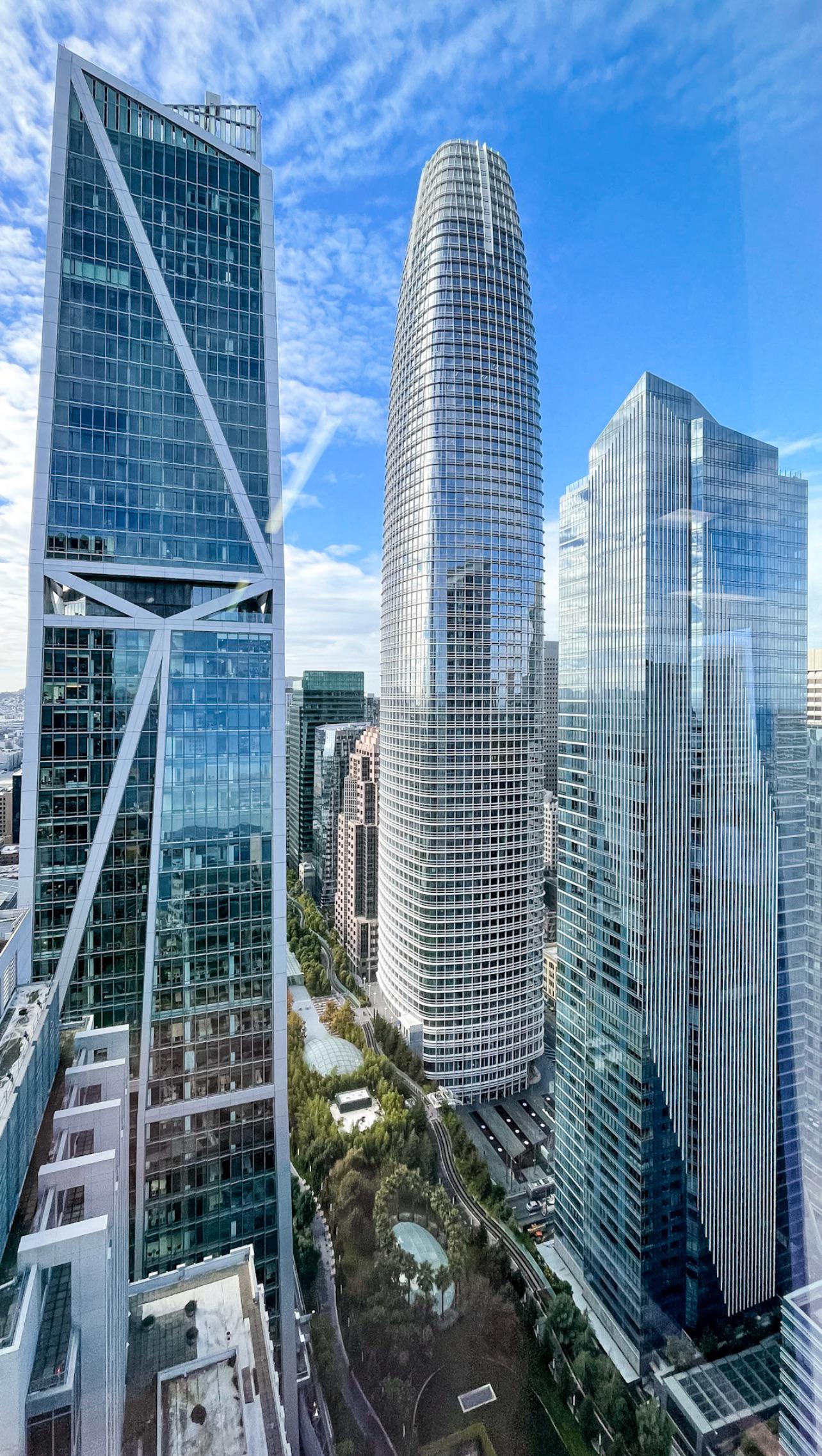
Bay Area biotech founders now face a problem their Boston peers feel far less: AI dominates the conversation in their own backyard.
The numbers show how lopsided it has become. According to Crunchbase, AI startups raised $102 billion in the third quarter of 2026, or 64% of all global venture capital. The San Francisco Bay Area alone took 24% of global venture investment that quarter.
AI startups can show growth in months. Biotech startups measure progress in clinical milestones that take years. When investors, journalists, and engineers are watching weekly AI launches, a preclinical dataset can disappear without a trace.
Talent follows the same pattern, with many of the region's strongest engineers and data scientists drawn toward AI companies.
That does not mean biotech is losing. It means biotech founders have to work harder to be understood quickly.
What Does a Biotech Marketing Agency in San Francisco Do?
A biotech marketing agency in San Francisco turns complex science into content that investors, pharma partners, and scientific talent understand fast. Its job is to make your science as easy to grasp as an AI demo, without making it less accurate.
Each biotech hub has its own version of this challenge. Boston founders compete inside the densest cluster, as we cover in our guide to choosing a biotech marketing agency in Boston. New York founders compete against Boston's reputation, which we cover in our NYC biotech marketing guide.
Bay Area founders compete against the AI story happening on every block around them.
4 Ways Bay Area Biotechs Can Win Attention Back
These four moves address the specific pressure of building biotech in an AI-first city.
1. Explain your mechanism of action in 60 seconds
An AI founder can open a laptop and show the product working in seconds. Your mechanism of action needs to land just as quickly.
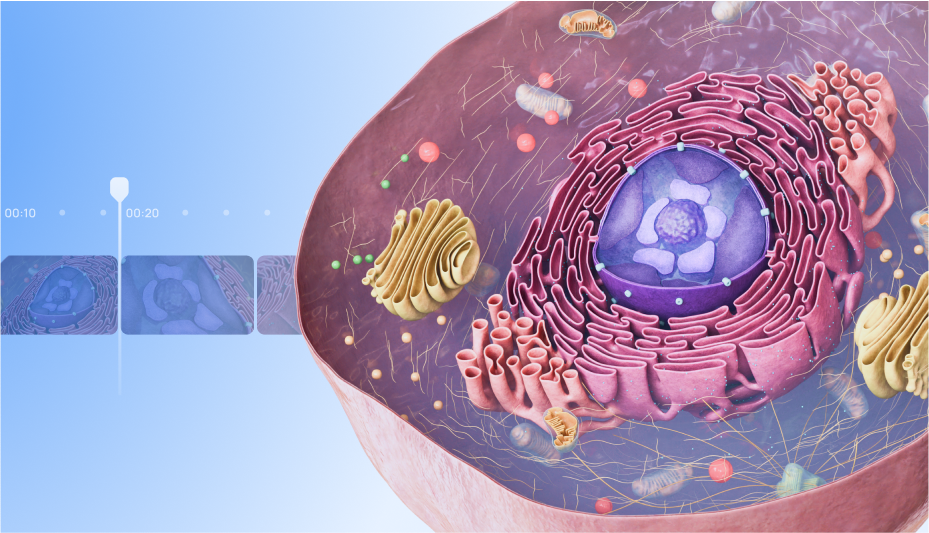
A 60-second mechanism of action animation shows what your therapy does inside the body, step by step, in a form investors can repeat to their partners. Use it in your deck, on your website, and at the start of every partner meeting. If a generalist cannot explain your science after one viewing, the animation is not done yet.
Accuracy comes first. We have your scientific team review the script and storyboard before anything is animated, which keeps changes cheap and the science right.
2. Get through MLR review without losing all the life
Medical, legal, and regulatory review keeps your claims accurate. It also tends to strip out every vivid word, leaving content that is correct and completely forgettable.
You can keep both accuracy and energy:
- Agree on a claims library early. Pre-approve the exact phrases your team can use, so writers start from safe language instead of guessing.
- Let visuals carry the emotion. A clear animation or a real lab scene can be compelling without a single risky claim.
- Use your scientists' own voices. A researcher explaining why they care about a disease is powerful and rarely raises compliance issues.
- Describe findings, not promises. "Our data showed" survives review far better than "our drug will."
3. Stay visible to investors who follow AI
Many Bay Area investors now spend most of their time on AI. To stay on their radar, your founder needs to show up where they already look, especially LinkedIn.
Post short founder clips on a steady rhythm: one dataset, one design choice, or one patient problem per clip. If you use machine learning in discovery, show it honestly, with what it does and does not do.
Investors who follow AI respect specifics and quickly spot borrowed buzzwords. A founder who posts consistently becomes the person investors think of when your therapeutic area comes up.
For the format, see our guide to LinkedIn video marketing for B2B.
4. Recruit scientists who could join any AI lab
Computational biologists and machine learning scientists in the Bay Area can choose between your lab and some of the best-funded AI companies in the world. You will rarely win that choice on salary.
You can win on meaning. A short recruiting video filmed in your lab, with scientists explaining the disease they are working on and why their work matters to patients, speaks to people who want their skills to change medicine. Keep it under two minutes, and let scientists, not executives, do most of the talking.
Use the Bay Area's Calendar and Talent to Your Advantage
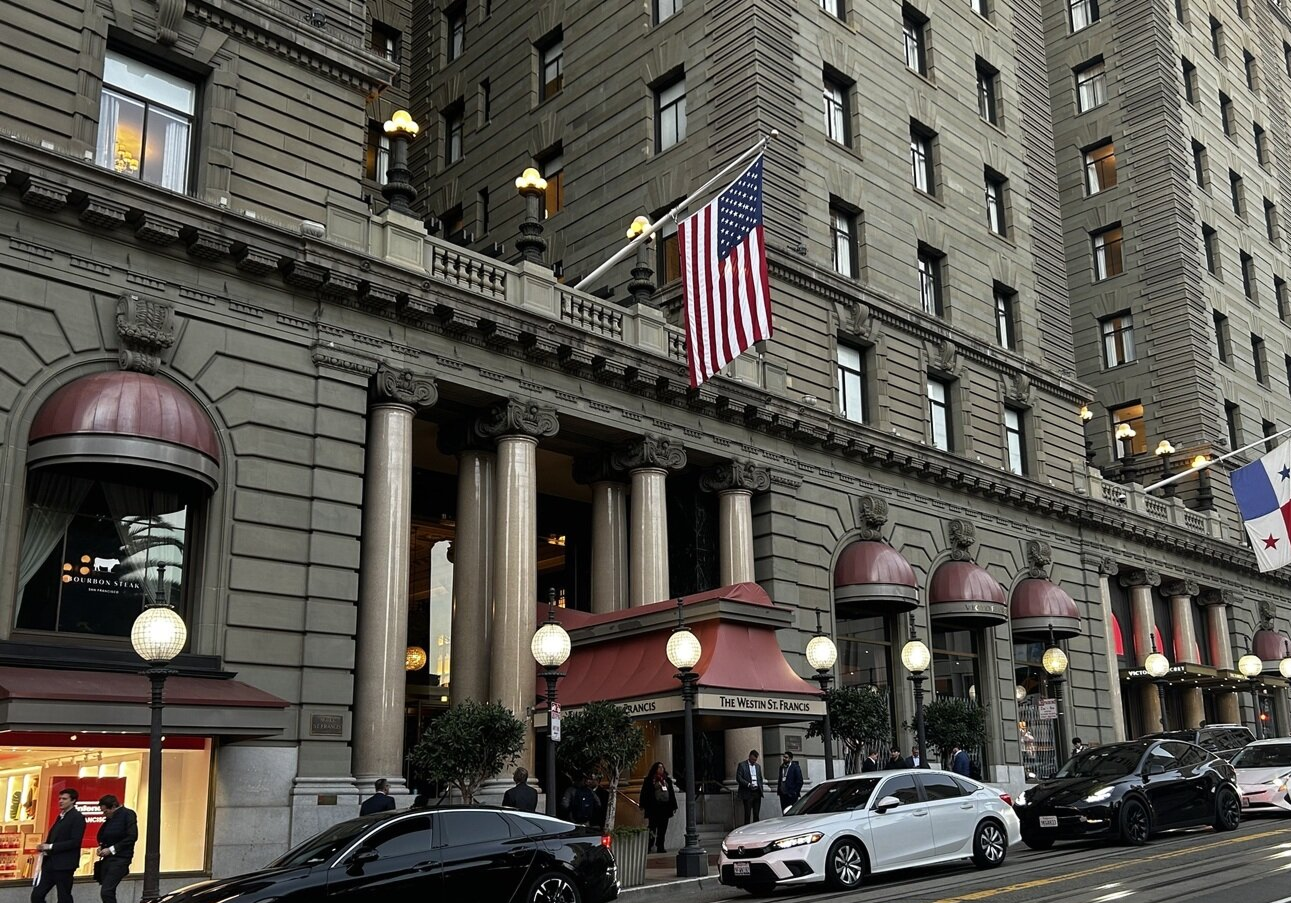
San Francisco hands biotech founders some of the best content moments in the industry. The J.P. Morgan Healthcare Conference brings much of the biotech world to the city every January, and most founders who attend leave with hours of talks, panels, and interviews they never use again.
Smaller events, such as partnering meetings and university demo days, work the same way.
A simple system fixes that:
- Record every talk and panel. Ask organizers for the raw files.
- Run a footage sweep within a week. Pull every clear explanation and strong answer.
- Publish two to three clips a week. Keep the momentum going long after the conference ends.
- Pair clips with one animation. Your mechanism of action video gives every clip context.
The Bay Area's deep technical talent also works in your favor. Other hard-to-explain industries in the region face the same challenge, as our guide for Bay Area semiconductor startups shows. For fundraising content, read our guide to what investors want to see in a startup pitch video.
Make Your Science Understood in Seconds
In a city where every investor is talking about AI, your science has to be understood in seconds.
We make mechanism of action animations that your scientific team reviews before anything is animated, pitch films for your next round, and short-form content from your talks and conference appearances. Biotech startups like Cellarim Labs are among the founders we have worked with.
See our work in our case studies, then book a call to see what we would build for your company.

Frequently Asked Questions