
Your First Customer Works Down the Street: Medical Device Marketing for Boston Startups
A medical device marketing agency in Boston helps medtech startups win over the clinicians who will decide whether their device gets used. For Boston medtech founders, that means procedure animations that show the device working in the body, physician founders and key opinion leaders on camera, and short-form content from every conference podium and clinical milestone.
This guide looks at Boston's strong year in medtech funding, why the region's clinicians are both your biggest advantage and your toughest audience, and how to market to the physicians next door.
Boston Medtech Had a Strong 2026
Boston's medtech startups raised serious money in the first half of 2026, often with major device companies on the cap table.
- CereVasc (Boston) raised an oversubscribed $85 million Series C in June for its eShunt system, which treats normal pressure hydrocephalus through a vein in the groin instead of a hole drilled in the skull. J&J's venture arm and Medtronic both invested, MedTech Dive reported.
- Axoft (Cambridge) raised an oversubscribed $55 million Series A in April for its soft brain-computer interface, after first-in-human studies with 11 patients.
- CoreMap (Burlington) closed an oversubscribed $37 million Series C in July, led by Medtronic, for a high-density mapping system that guides AFib ablation.
- Butterfly Medical, based in Boston and Yokneam, Israel, raised an upsized $21 million Series C in May for an implant that treats enlarged prostate without cutting or removing tissue.
When strategic device companies invest, they are betting that clinicians will adopt the product. Your marketing has to make that bet look smart.
Your First Customer Works Down the Street

Boston medtech founders have an advantage most startups would envy. Some of the world's best hospitals, and the physicians who will decide whether to adopt your device, are within a few miles of your office.
Axoft, for example, lists Mass General Brigham among its trial sites. That kind of proximity means your first users, investigators, and advocates can come from your own city. Investigators are close enough to record a short interview between cases.
The region even has its own industry stage. MEDevice Boston ran August 26 to 27, 2026, bringing engineers, executives, and investors into one room.
Why Clinicians Are the Hardest Audience
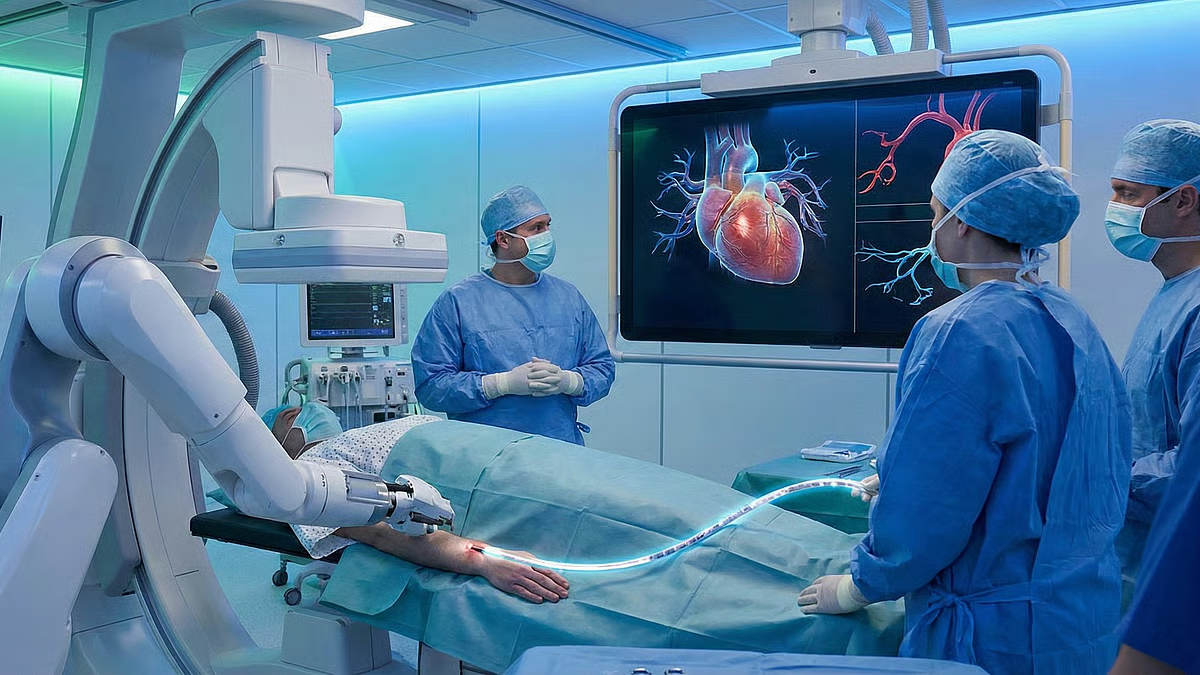
That proximity is also the challenge. Interventional cardiologists, neurosurgeons, and urologists are busy, skeptical, and trained to trust data over pitches.
They do not adopt a device because a video looks beautiful. They adopt it when they understand exactly how it works, believe the evidence, and can picture it fitting into a procedure like theirs.
They also have very little time. If a clip does not show something useful in the first few seconds, they move on.
A glossy brand video will not move a neurosurgeon. Seeing the device work in a procedure that looks like theirs will.
What Does a Medical Device Marketing Agency in Boston Do?
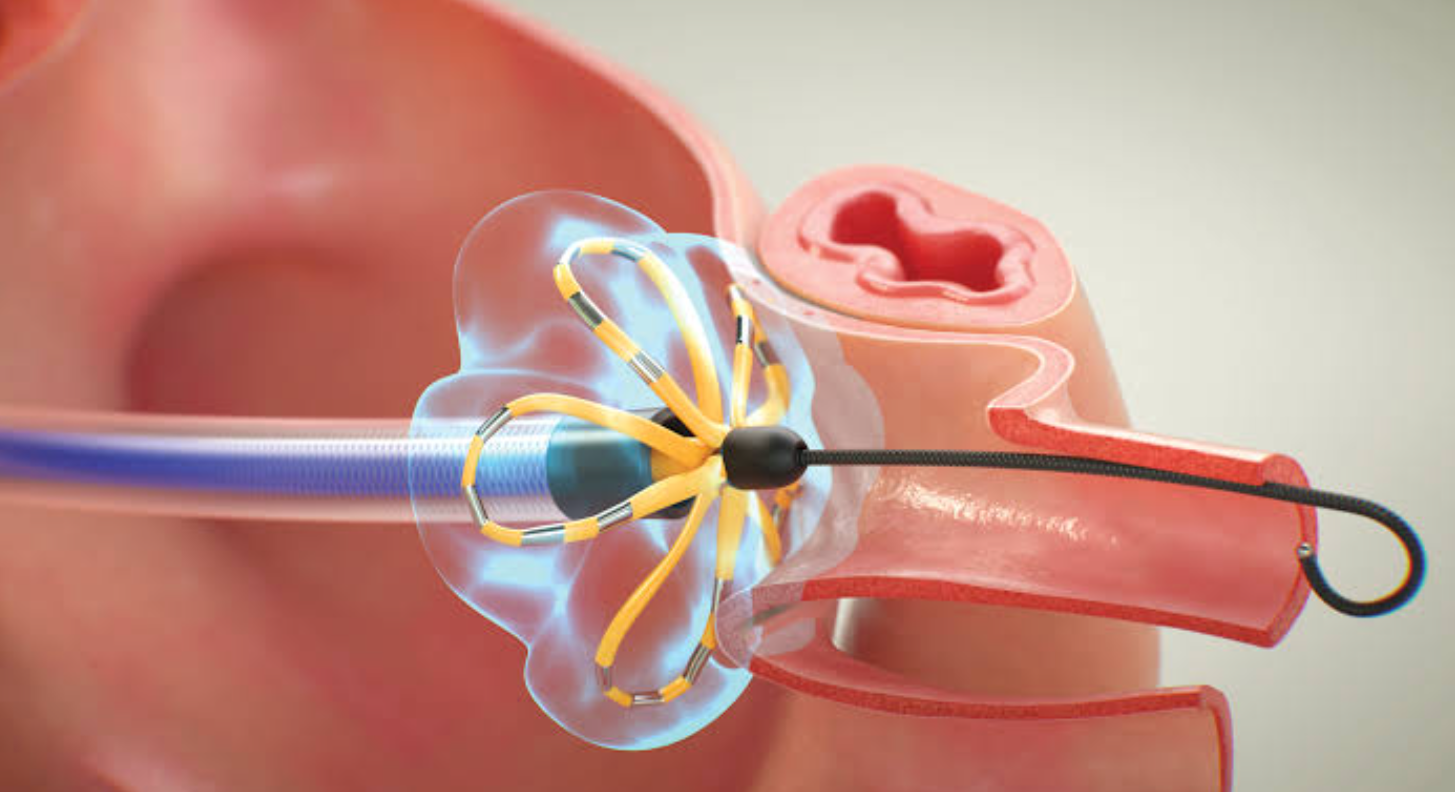
A medical device marketing agency in Boston turns device technology and clinical evidence into content that physicians, hospital buyers, and investors trust. Typical work includes procedure and mechanism animations, physician and key opinion leader videos, and short clips from conferences and clinical milestones.
Everything has to be accurate and ready for medical, legal, and regulatory review. In medtech, a single overstated claim can damage trust with clinicians and create problems with regulators. It also means timing content around trial milestones and conferences, when clinicians and investors are paying attention.
4 Ways to Market to the Clinicians Next Door
These four approaches help Boston medtech startups earn the attention of physicians who have seen it all.
1. Show the device in the body
Clinicians want to see what happens inside the patient. A procedure animation can show the access route, how the device is placed, and what it changes.
CereVasc's story is a good example. Explaining that eShunt reaches the brain through a vein in the groin, instead of requiring a hole in the skull, is powerful. Showing it in a 45-second animation makes the difference instantly clear.
Every animation should be reviewed by your clinical team before anything is animated, so it is accurate and survives regulatory review. Make a short cut for social media and a longer, more detailed version for sales meetings and physician training.
2. Let physician founders and KOLs do the talking

Clinicians trust other clinicians. A short clip of a physician founder or key opinion leader explaining a case carries more weight than any company spokesperson.
Script these videos around the questions clinicians actually ask, such as who the right patient is, what changes in the procedure, and what follow-up looks like. Keep them under two minutes.
Physician founders should be on camera often. Their credibility is one of the most valuable assets a Boston medtech startup has.
3. Turn every podium into short-form content
Boston medtech founders present at conferences, grand rounds, and investor events throughout the year. Most of those talks disappear when the session ends.
Film them instead, and ask organizers about recording rights in advance.
One 20-minute talk can become a month of short clips for LinkedIn, where many physicians, device executives, and investors follow the field. The best content you will make this year may already be on your conference schedule.
4. Be precise about regulatory status
Many Boston medtech devices are still investigational. CoreMap's system is in a U.S. study, and Butterfly Medical has a CE mark in Europe but remains investigational in the United States.
Every piece of content should state clearly where a device is cleared, approved, or still investigational. Mixing these up is one of the fastest ways to lose credibility with clinicians and regulators. When in doubt, name the market and the status in the same sentence as the claim.
A Clinician-First Content Plan
Most Boston medtech startups can build momentum with a simple sequence:
- Start with one procedure animation that shows how your device works, approved for public use
- Add a physician founder or KOL explainer that answers the questions clinicians ask first
- Capture every conference talk and cut it into short clips
- Publish a short clip for each milestone, from first patient enrolled to trial completion
- Update your animation and pitch film as clinical data comes in
Consistency matters more than volume. Start small and keep going. A steady stream of accurate, clinician-focused content builds familiarity long before a device reaches the market.
Learn From Other Medtech Companies
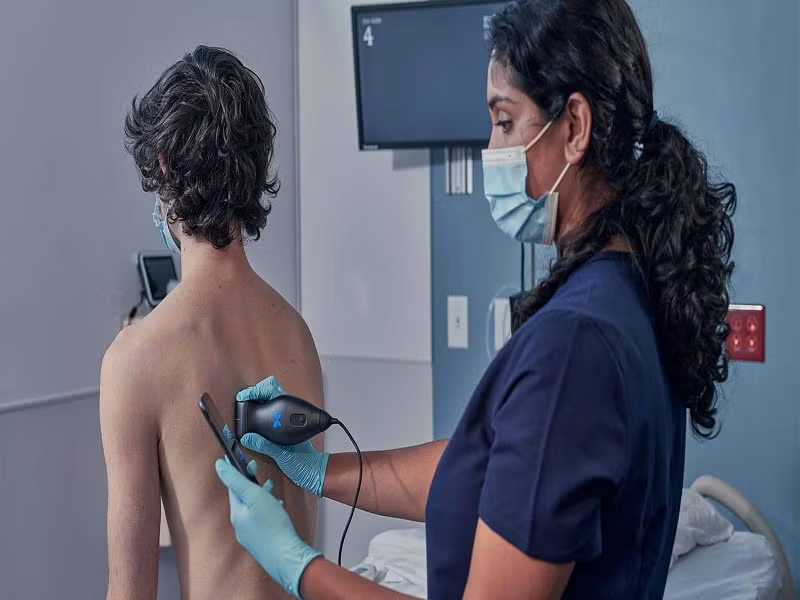
Device companies everywhere face the same adoption challenge. Our guide to medical device marketing in Los Angeles covers how Southern California companies win surgeons. Our Butterfly Network breakdown, not to be confused with Butterfly Medical, shows how a handheld ultrasound won doctors over, and our Viz.ai spotlight covers adoption in stroke care.
For the wider Boston scene, see our guides to choosing a biotech marketing agency in Boston and a robotics marketing agency in Boston.
Show Clinicians Your Device Working
Clinicians adopt devices they can see working. Clear content shortens the path from first impression to first case.
We create procedure and mechanism animations your clinical team reviews before anything is animated, so content survives MLR review, and turn your conference talks and clinical milestones into short-form content for the physicians who decide what gets used.
See our work in our case studies, then book a call to see what we would build for your device.

Frequently Asked Questions