Data Centers in Orbit: How Seattle's AI Infrastructure Startups Make the Impossible Sound Bankable
AI infrastructure marketing works when every bold claim is tied to a real milestone. For Seattle AI infrastructure startups, that means anchoring your story to hardware already built or launched, animating how your system works from end to end, and recruiting cloud engineers away from Amazon and Microsoft with a mission they can actually see.
This guide looks at how one Redmond startup made "data centers in space" sound bankable, and what other AI infrastructure founders can learn from it.
Seattle Built the Cloud. Now It Wants to Launch It.

Seattle is where the modern cloud grew up. Amazon Web Services and Microsoft Azure turned the region into the capital of data centers and the engineers who run them.
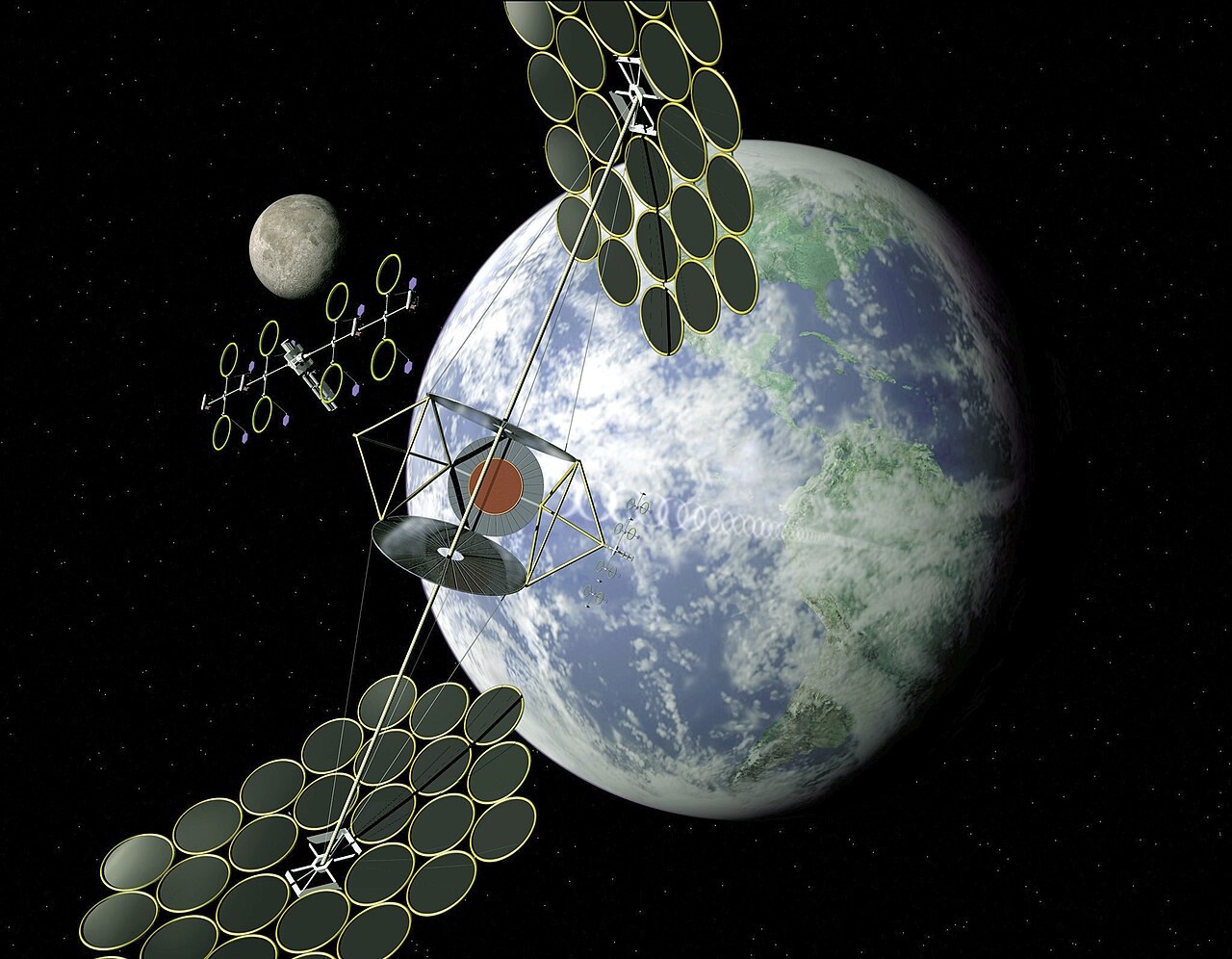
Now a Redmond startup wants to put those data centers in orbit. Starcloud, founded in 2024 by Philip Johnston, Ezra Feilden, and Adi Oltean, a former SpaceX and Microsoft Azure engineer, is building solar-powered data centers in space.
It is one of the most audacious ideas in AI infrastructure, and one of the fastest-growing companies behind it.
Starcloud's Story Is a Chain of Milestones
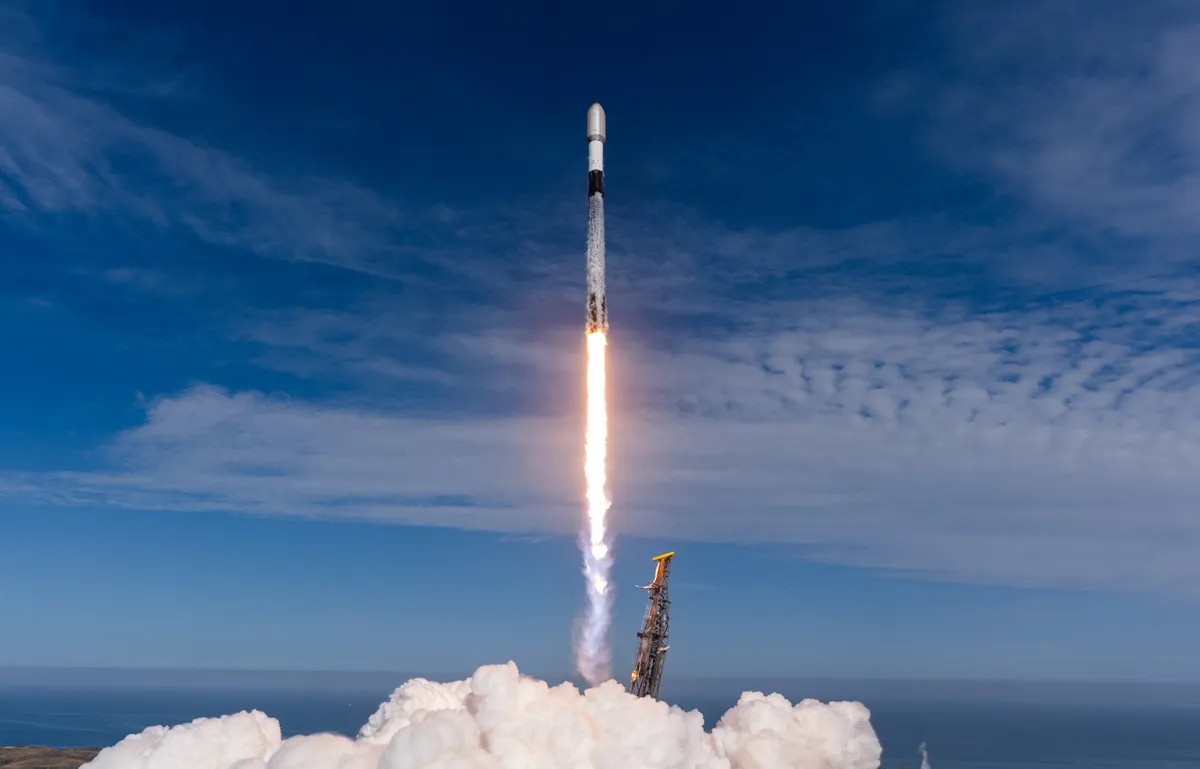
Starcloud did not ask investors to believe in a slide. It gave them a sequence of facts:
- November 2025: Starcloud-1 launched carrying an Nvidia H100 GPU, which the company describes as the first in orbit.
- February 2026: It filed a proposal with the FCC for a constellation of up to 88,000 satellites, in sun-synchronous orbits between 600 and 850 kilometers, according to Advanced Television.
- March 2026: It raised a $170 million Series A at a $1.1 billion valuation, led by Benchmark and EQT Ventures.
- August 2026: It added $250 million at a $2.3 billion valuation, led by Manhattan West, with Nvidia and Cisco Investments joining as new investors.
Each step made the next one easier to believe. A GPU already in orbit is worth more than a hundred renderings of one.
The Pitch Behind It: Power
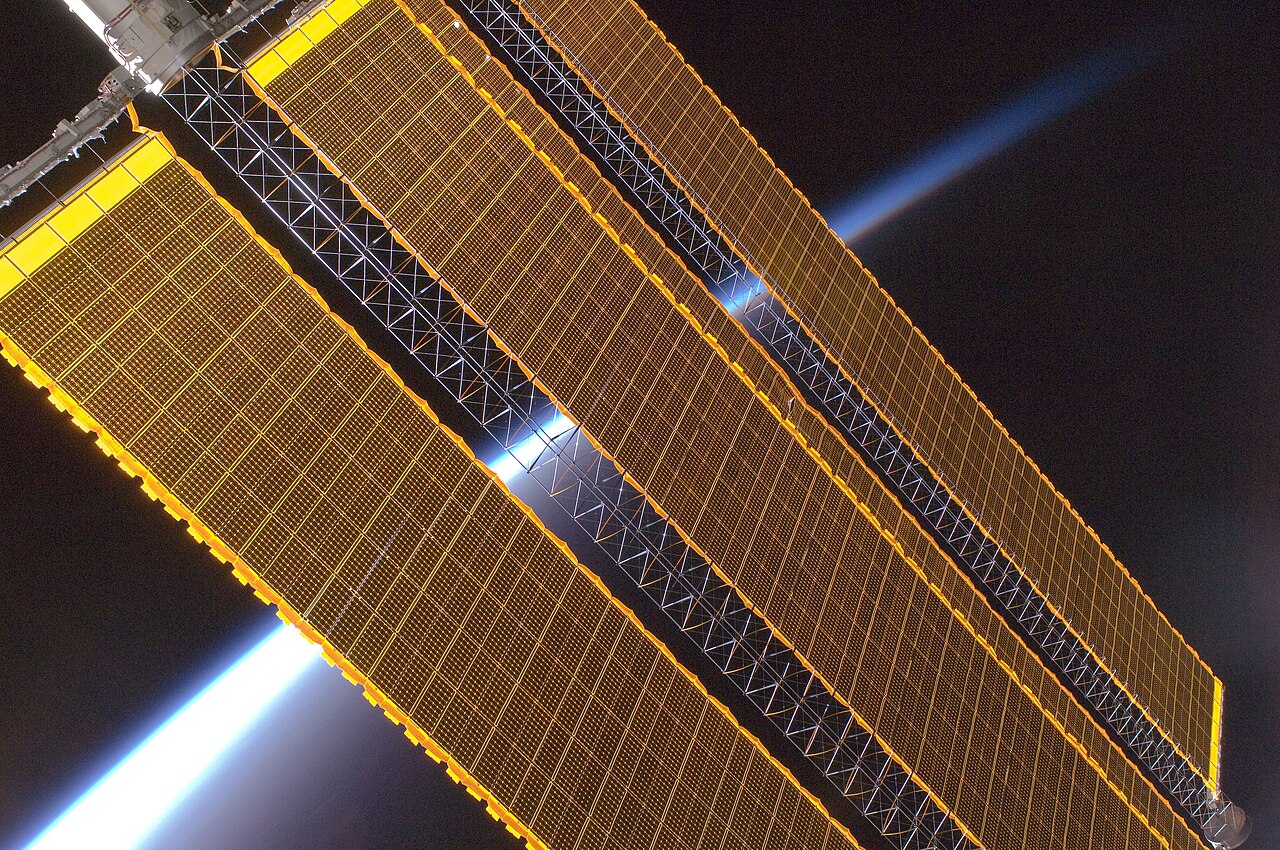
Starcloud's argument is simple. AI's appetite for electricity is running into the limits of the grid.
The International Energy Agency projects that data centers will use about 945 terawatt-hours of electricity in 2030, more than Japan uses today. In orbit, sunlight is nearly constant.
That framing gives investors a problem they already recognize. The solution is new, but the need is familiar.
"By moving AI compute to space, we unlock access to unlimited solar power and completely remove the energy bottleneck," CEO Philip Johnston said in the Series A announcement.
Why "Data Centers in Space" Is a Hard Sell
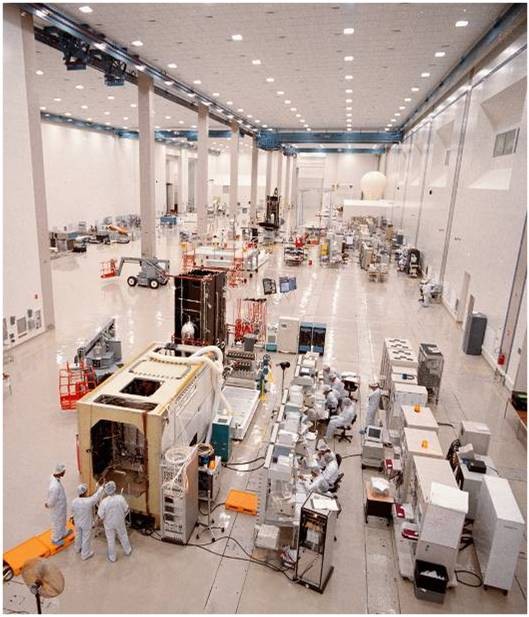
To most enterprise buyers and late-stage investors, data centers in space sounds like science fiction. The questions start immediately.
- How do you cool GPUs without air?
- What does it cost to launch and replace hardware?
- How does data get back to Earth, and how fast?
- What happens when something breaks?
These are fair questions. If your marketing ignores them, your audience assumes you have no answers. If it answers them clearly, the idea starts to feel like engineering instead of fiction.
The same challenge applies to any AI infrastructure startup with a bold idea, from new chips to new power sources to new cooling systems.
What Is AI Infrastructure Marketing?
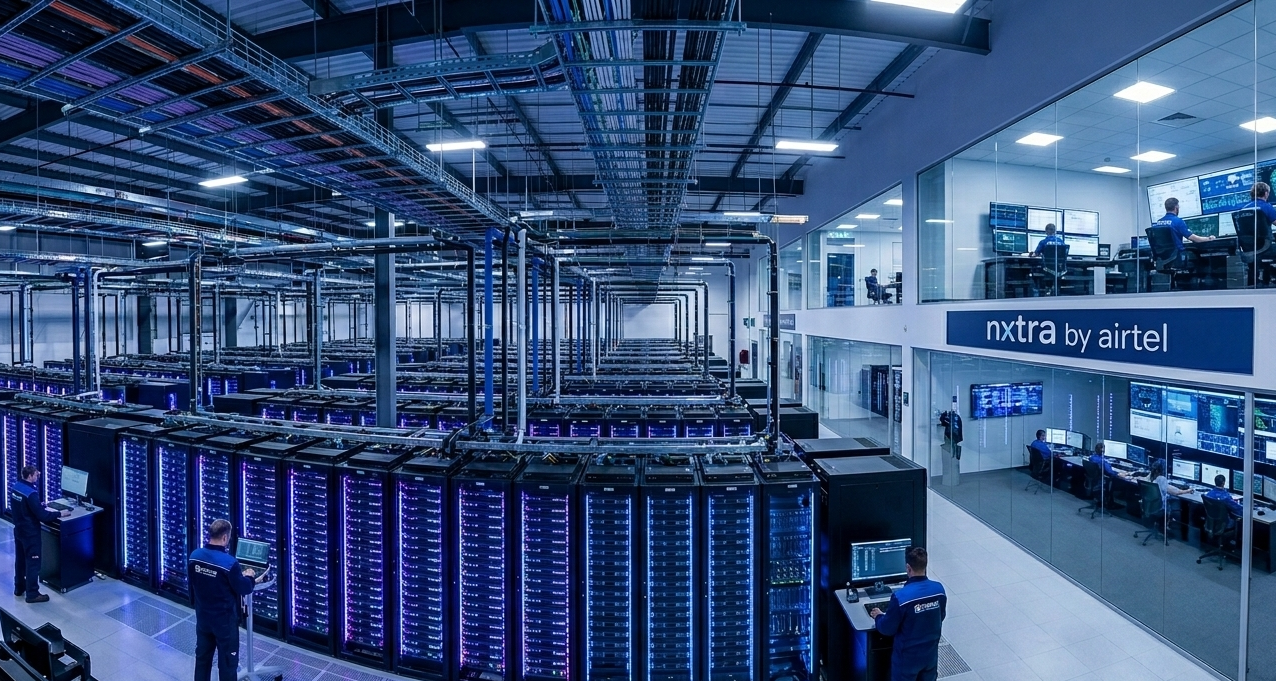
AI infrastructure marketing is the work of explaining the hardware, power, and systems behind AI computing to investors, enterprise buyers, partners, and engineers. Done well, it relies on documented milestones, clear system animation, and engineers on camera rather than futuristic promises. It also means speaking to two worlds at once: cloud buyers who care about uptime and cost, and space and energy experts who care about physics.
Its main job is to reduce perceived risk. Buyers and investors need to believe the system works, scales, and will still be running in five years.
3 Ways to Make an Audacious Idea Sound Bankable
These three approaches help Seattle AI infrastructure founders turn a bold idea into a credible business.
1. Anchor every claim to a milestone
Keep a simple list of every claim you make and the proof behind it: a launch, a test result, a partner, a filing, or a funding round. If a claim has no proof yet, label it as a goal.
Then build your content around that list. A short clip for each milestone, posted when it happens, creates a public record investors can check. Over time, that record becomes your strongest pitch.
Be precise about status. A filed proposal is not an approved license, and a planned satellite is not a launched one. Clear language protects your credibility when the details get checked.
2. Animate how the system works end to end
Nobody can film a data center in orbit from the outside. Animation can show the whole system in under two minutes: launch, deployment, solar power, cooling through radiators, computing, and sending results back to Earth.
That one animation answers most of the hard questions before anyone asks them. It also gives your sales team, recruiters, and investors the same clear explanation.
Every animation should be reviewed by your engineers before anything is animated. A beautiful animation with one wrong detail can undo months of credibility with a technical audience.
3. Recruit cloud engineers with a mission they can see
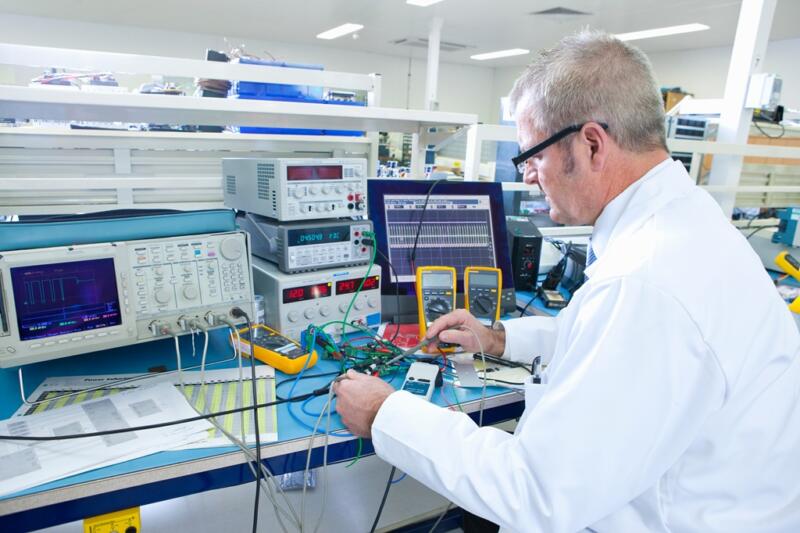
Seattle has some of the best cloud and data center engineers in the world. Most of them work at Amazon or Microsoft.
To pull them away, show them something they cannot work on anywhere else. Film the cleanroom, the hardware, the test bench, and the engineers explaining what they build. Engineers join missions they can see, not mission statements.
Starcloud's own team shows the pitch: a co-founder who worked at both SpaceX and Microsoft Azure. Put people like that on camera, and candidates can picture their own move. Pair those clips with clear details about the role, the team, and the problems still unsolved.
A Simple Milestone Content Plan
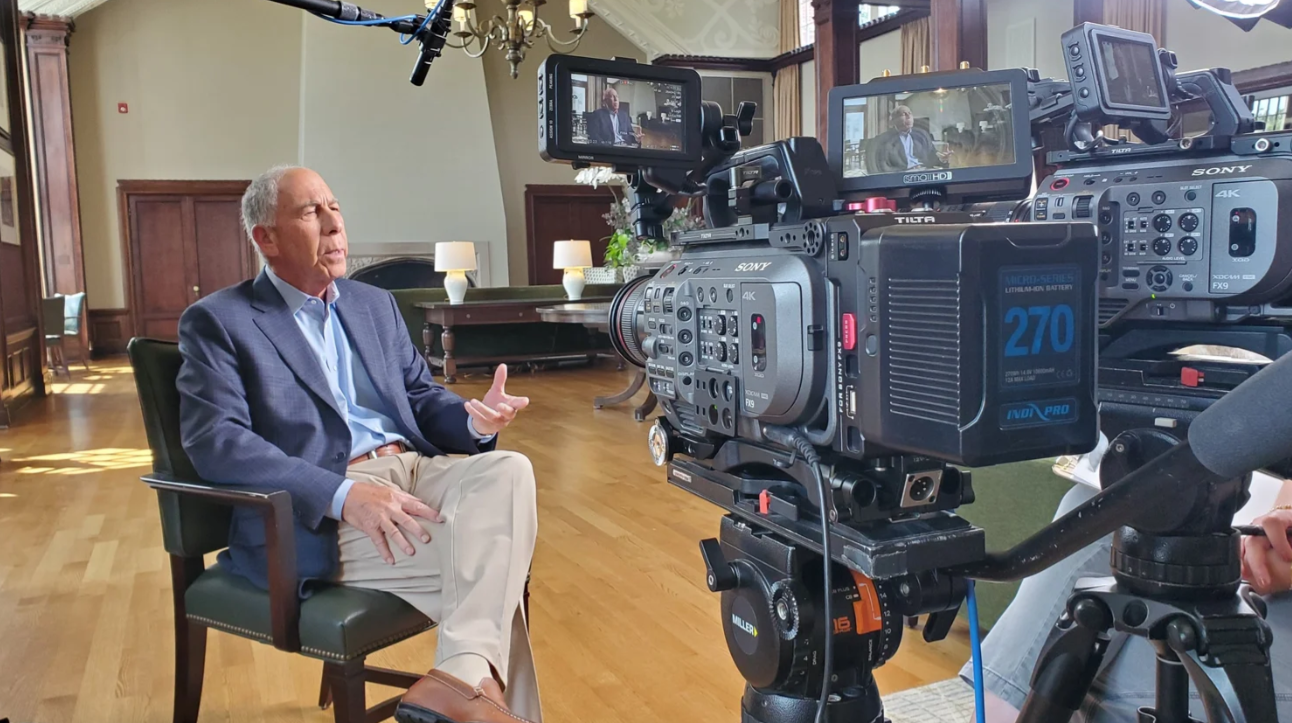
You do not need a large marketing team to stay visible. Most AI infrastructure startups can follow a simple rhythm:
- Before each milestone: Prepare a short explainer and captions so you can post the day news breaks.
- On the day: Publish a 30 to 60 second clip with the founder or an engineer explaining what happened and why it matters.
- Within a week: Cut the footage into two or three more clips for LinkedIn, X, and YouTube.
- Every quarter: Update your system animation and pitch film so they reflect your latest progress.
Repeat this for every launch, test, partnership, filing, and funding round. Consistency turns a bold idea into a visible track record.
More Guides for Seattle Hard Tech Founders
Seattle's other hard tech sectors face similar challenges. See our guides to space tech marketing in Seattle and choosing a deep tech marketing agency in Seattle.
If your product is still years from launch, read our guide to building demand when your product doesn't exist yet.
Make Every Frame Feel Like Engineering
When your pitch sounds like science fiction, every frame has to feel like engineering.
We create explainer animations that show how your system works from launch to compute, recruiting videos that pull talent from the biggest cloud companies in the world, and short-form content from every milestone.
See our work in our case studies, then book a call to see what we would build for your team.

Frequently Asked Questions