Medical Device Marketing Agency LA: How to Win Surgeons
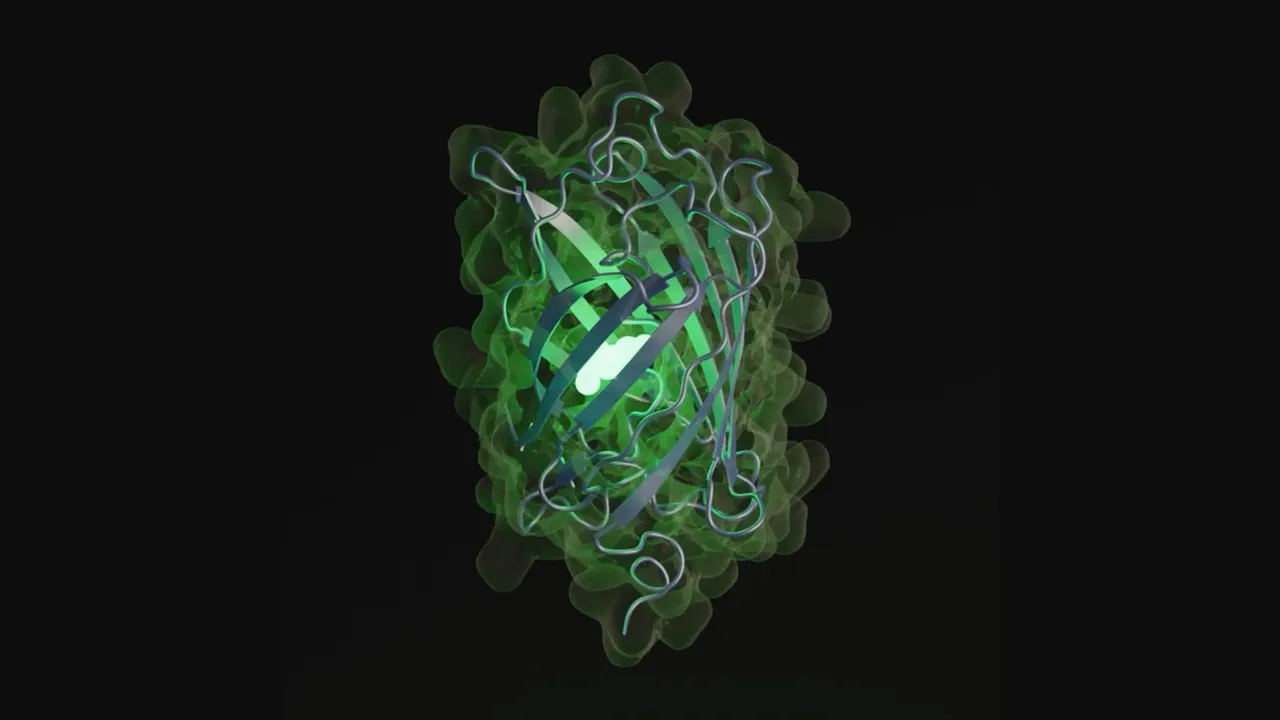
A medical device marketing agency in Los Angeles helps SoCal medtech startups get surgeons and hospitals to adopt a new device. Clinicians adopt what they can see working, and hospital buyers approve what they can justify. The content that works is a procedure animation showing the device in action, short clinical clips for surgeons, outcomes stories for hospital buyers, and founder-led video that builds trust before a sales rep ever walks in.
This guide covers why Southern California is a medtech powerhouse, who you are really selling to, and how to market a device without tripping regulatory rules.
Southern California Is a Medtech Powerhouse

Los Angeles and Orange County together form one of the strongest medtech regions in the country. According to Biocom California's 2026 Life Science Economic Impact Report:
- Orange County had 57,213 direct life science workers and $43.9 billion in economic output in 2025
- Greater Los Angeles had 85,940 direct life science workers and $59.7 billion in economic output
Together, that is more than 140,000 direct life science jobs across the two regions.
Medical devices lead the way in Orange County. Biocom's earlier figures, reported by the Orange County Business Journal, showed medical devices and equipment were the largest life science sub-sector at 42% of jobs.
The region's biggest names prove what is possible:
- Edwards Lifesciences, based in Irvine, built a market-leading business on transcatheter heart valves. TAVR sales were $4.1 billion of its $5.4 billion in 2024 sales, about three-quarters of the total, according to its fourth quarter results.
- Axonics, also in Irvine, was acquired by Boston Scientific for $3.7 billion.
- Inari Medical, another Irvine company, was acquired by Stryker for $4.9 billion.
Every Exit Started With Adoption
Each of those outcomes depended on the same thing: getting surgeons and hospitals to use a new device. In medtech, regulatory clearance opens the door, but clinical adoption is what builds the business.
That is a hard marketing problem. Surgeons are busy and skeptical, hospital purchasing is slow and committee-driven, and every claim has to survive regulatory and MLR review. A device can be clinically excellent and still stall if the people who decide never see it working.
Who You Are Actually Selling To

A device sale rarely depends on one person. Your content has to speak to several audiences, each with different questions:
- Surgeons and proceduralists: How does it work, how does it change my technique, and what is the learning curve?
- Nurses and OR staff: How does it affect setup, workflow, and turnover between cases?
- Hospital value analysis committees: Is there evidence it improves outcomes or lowers total cost?
- Supply chain and finance leaders: What does it cost, how is it reimbursed, and what does it replace?
- Patients: For some devices, patients ask their doctor about options they have already seen online.
A brochure written for one of these groups usually fails the other three. Video lets you cut the same core story into versions for each one.
What Does a Medical Device Marketing Agency Do?
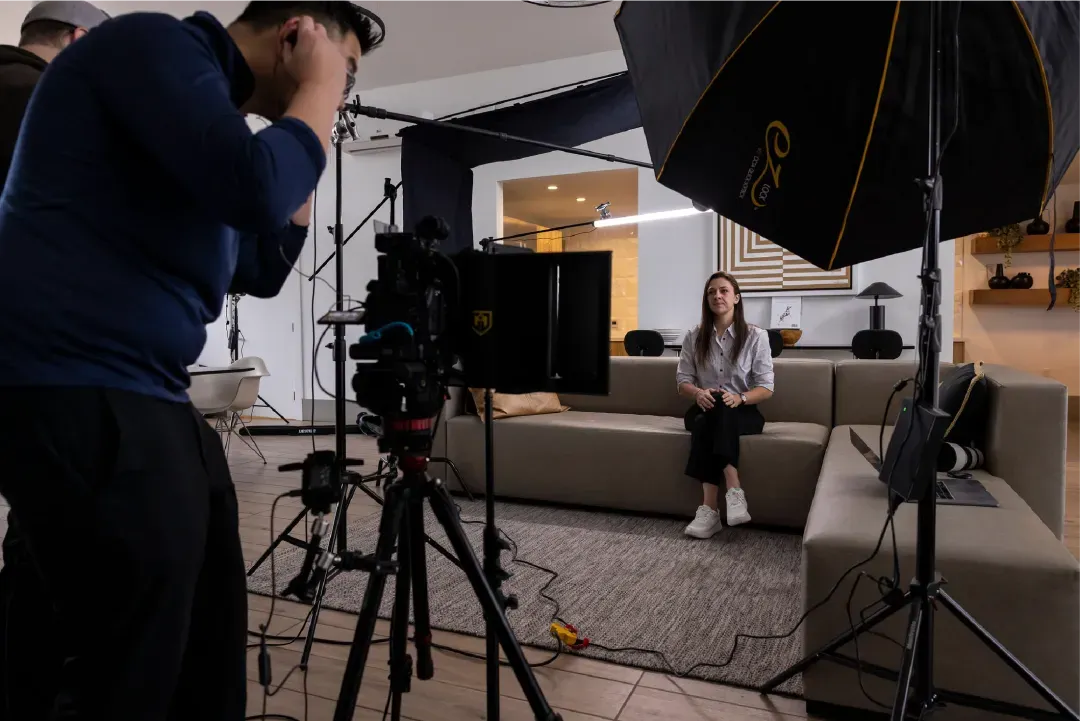
A medical device marketing agency turns clinical technology into content that surgeons, hospital teams, and investors understand and trust. That usually means procedure and mechanism animations, short clinical clips, outcomes-focused content, founder-led video, and pitch films, all reviewed for accuracy and compliance before release. Ask any agency for examples of medical or regulated work, and how they handle clinical review.
For SoCal startups, the agency also needs to understand the region's buyers, from large health systems to the device companies that may one day acquire you.
4 Content Formats That Drive Device Adoption
These formats are built for the way surgeons and hospitals actually evaluate new devices.
1. Procedure animations
Surgeons want to see a device working before they try it. A procedure animation shows the device inside the body, step by step: access, deployment, and result.
It is often the clearest way to show how your device differs from the current standard of care. Every frame should be reviewed by your clinical team before anything is animated, and every claim should match your cleared or approved indications.
Use the full version in sales meetings and at conferences, and cut 15 to 30 second versions for social media. Add short captions naming each step, so the animation still works with the sound off on a phone.
2. Short clinical clips for surgeons
Surgeons learn from other surgeons. Short clips where a physician explains a technique, a case, or a design choice reach that audience on LinkedIn, where many clinicians already follow peers and companies.
Keep each clip to one idea. One filmed session with a physician advisor can produce weeks of these clips. Any patient-related content must follow HIPAA rules, and our guide to HIPAA-compliant short-form video covers how to do it safely.
3. Outcomes stories for hospital buyers
Value analysis committees care about evidence. Turn your clinical data into short, clear visuals that show what the device changes, such as procedure time, complications, or length of stay, but only where your data supports the claim.
Hospital buyers trust a specific, sourced number far more than a broad promise. Pair the data with a short explanation of the study behind it, and keep the full study one click away for committee members who want to check it.
4. Founder-led trust content
Many medtech founders are engineers or clinicians themselves. Short videos where the founder explains the clinical problem and why the device was designed the way it was build trust long before a sales rep makes contact. Keep each clip under a minute and focused on one decision.
These clips also support fundraising and recruiting. For more on founder video, see why founder-led video matters.
Compliance Without Losing the Story
Medical device marketing is regulated, and that shapes every piece of content.
Before a device is cleared or approved, the rules are strict. Under FDA regulation 21 CFR 812.7, sponsors cannot promote an investigational device or represent that it is safe or effective for the purposes being investigated.
After clearance, claims still need to stay within the device's indications.
You can still tell a strong story. Explain the clinical problem, show the science, and let surgeons speak about their experience within the rules. Compliance limits what you can claim, not how clearly you can explain it.
Learn From Medtech Companies That Did It

Two of our spotlights show how device and health tech companies win clinicians. Butterfly Network sold a handheld ultrasound to doctors and hospitals, which we break down in our medical device marketing case study. Viz.ai built adoption by focusing on clinicians rather than patients, as we cover in how Viz.ai sold to doctors.
LA is also a hub for other hard tech, which we cover in our guide to choosing a deep tech marketing agency in Los Angeles.
Show Surgeons Your Device Working
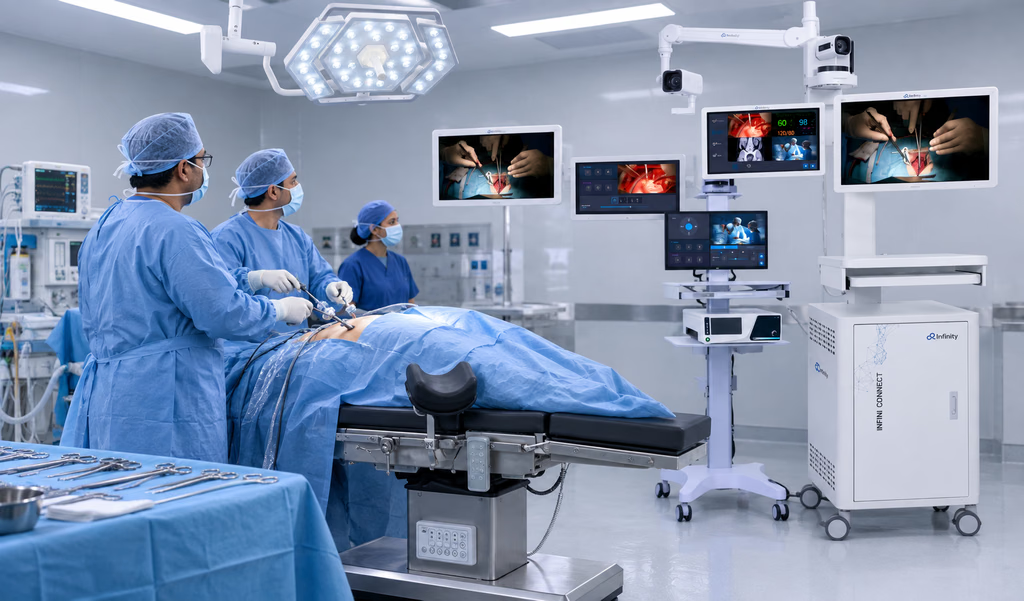
Surgeons adopt what they can see working. The clearer your device looks in action, the shorter the path from first meeting to first case.
We create procedure and mechanism animations your clinical team reviews before anything is animated, and short-form content that puts your device in front of the clinicians and hospital buyers who decide what gets used.
See our work in our case studies, then book a call to see what we would build for your device.

Frequently Asked Questions