Why Seattle Became a Fusion Capital, and What Clean Energy Marketing There Has to Get Right
A clean energy marketing agency in Seattle helps fusion and clean energy startups earn trust from three audiences at once. Seattle-area fusion companies need milestone content for investors, lab-tour and team video to recruit engineers away from Big Tech, and plain-language explainers that help communities and policymakers understand a fusion power plant.
This guide looks at why the Seattle area became a fusion capital, what makes fusion marketing different, and how founders can build one content system that serves every audience.
The Densest Fusion Cluster in the World
Few regions have as many fusion companies within a short drive of each other.
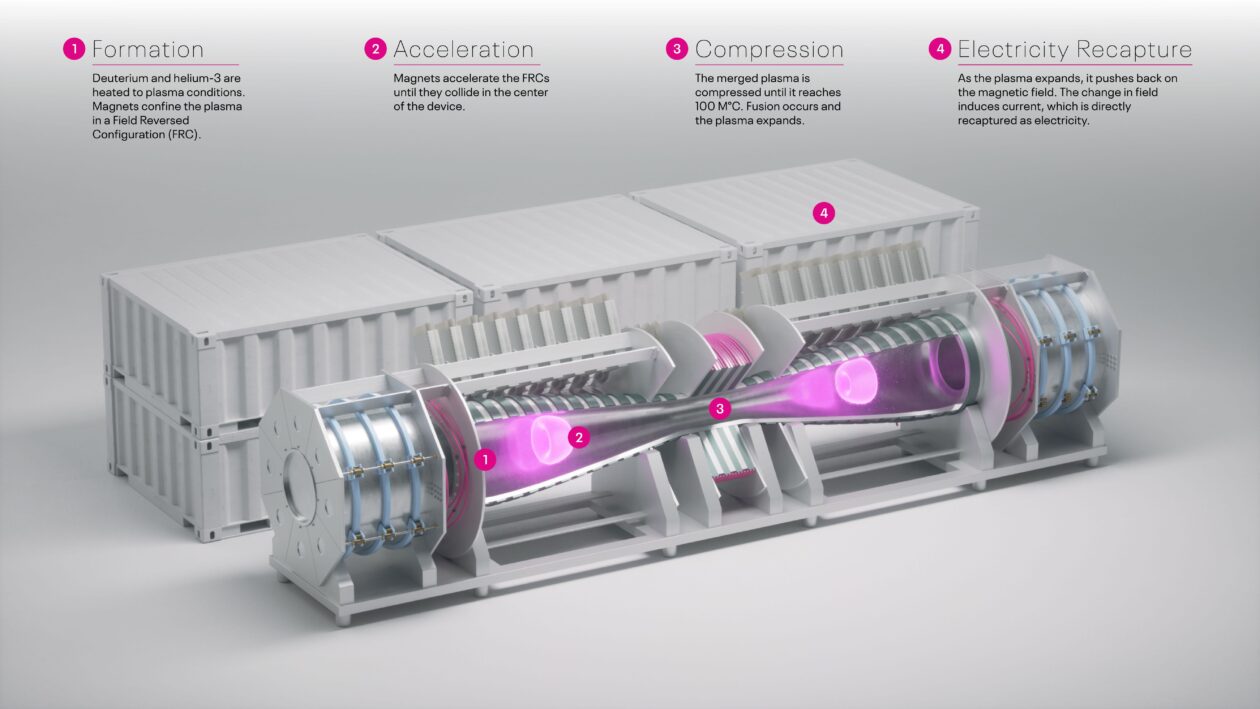
- Helion (Everett) is building Orion, a commercial fusion plant in Malaga, Washington, and has an agreement to supply Microsoft with electricity, according to GeekWire, with initial operations targeted for 2028. In June 2026, it raised a $465 million Series G at a $15.5 billion valuation.
- Zap Energy (Everett) has raised more than $330 million and, in April 2026, added a fission microreactor path alongside fusion, GeekWire reported.
- Avalanche Energy (Seattle) builds modular compact fusion machines and raised $29 million in February 2026. It also runs FusionWERX, a test facility in Richland.
- General Fusion works from its labs in Richmond, British Columbia, just across the border.
When four fusion companies share one region, standing out takes more than good physics. It takes clear, consistent content.
Helion's Chip Bet Shows How Fast the Story Moves

On October 22, 2026, Helion announced a letter of intent with the US Department of Commerce for up to $175 million in CHIPS Act funding over three years. The goal is to develop high-voltage semiconductors and power electronics for its fusion machines.
Helion is also putting $50 million of private money into the effort. The award still has to be finalized.
The reason is efficiency. Current devices lose about 5% to 10% of the electricity that passes through them. "If we can cut that loss in half, that's actually twice the power output of the fusion system," CEO David Kirtley told TechCrunch.
That is a powerful story, but only if people understand it. Most investors and residents have never thought about how electricity moves through a fusion machine. A short animation can explain it in under a minute.
One Company, Three Audiences
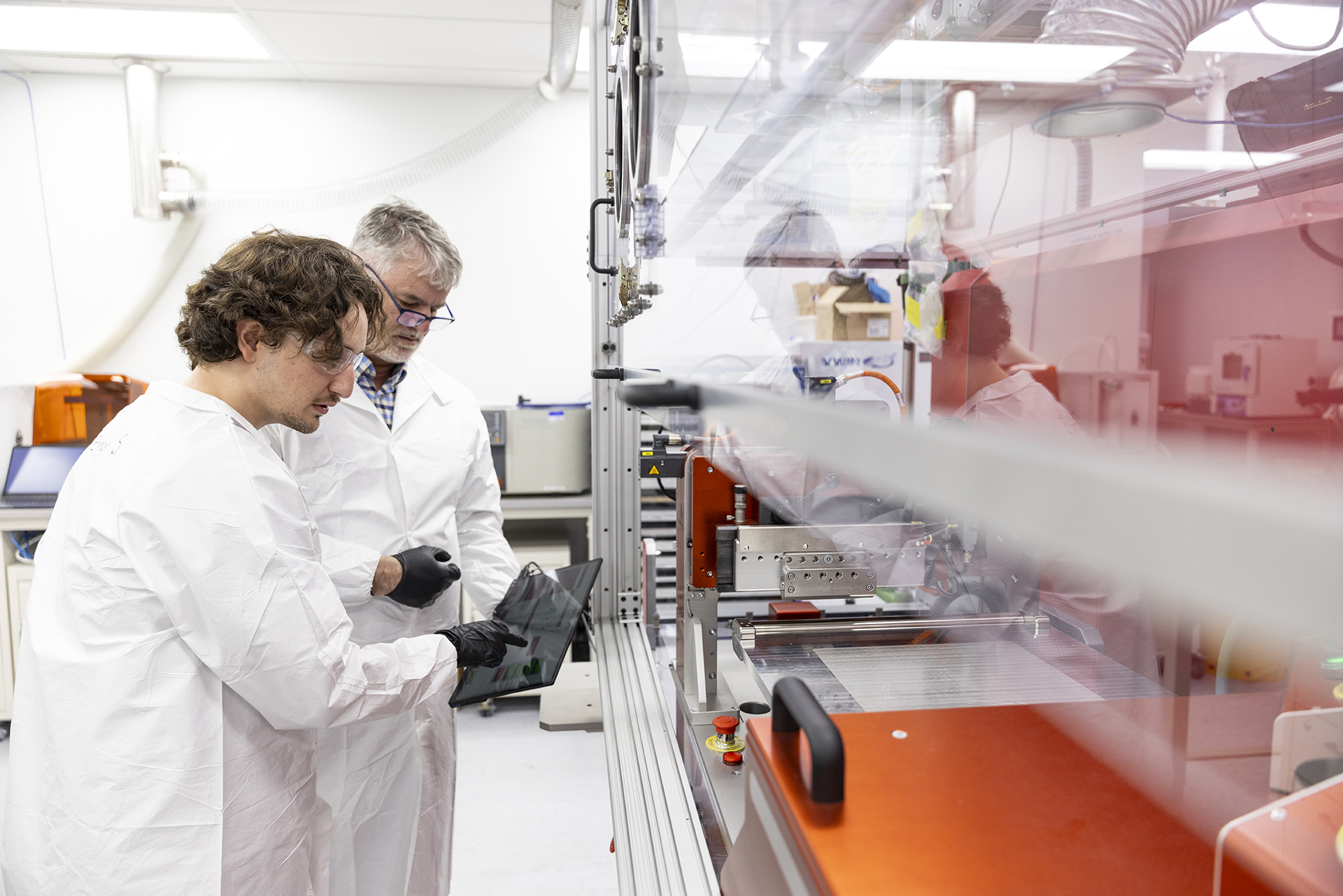
Fusion companies cannot focus on one buyer. They have to win three very different audiences at the same time:
- Investors who want proof that milestones arrive on schedule
- Engineers who could work at Amazon, Microsoft, or any well-funded AI lab
- Communities and policymakers who have to accept a power plant nearby
Each group asks a different question.
Investors ask "is it working?" Engineers ask "is this where I want to build my career?" Communities ask "is it safe, and what does it mean for us?"
One message cannot answer all three. One content system can.
What Is Clean Energy Marketing for Fusion?
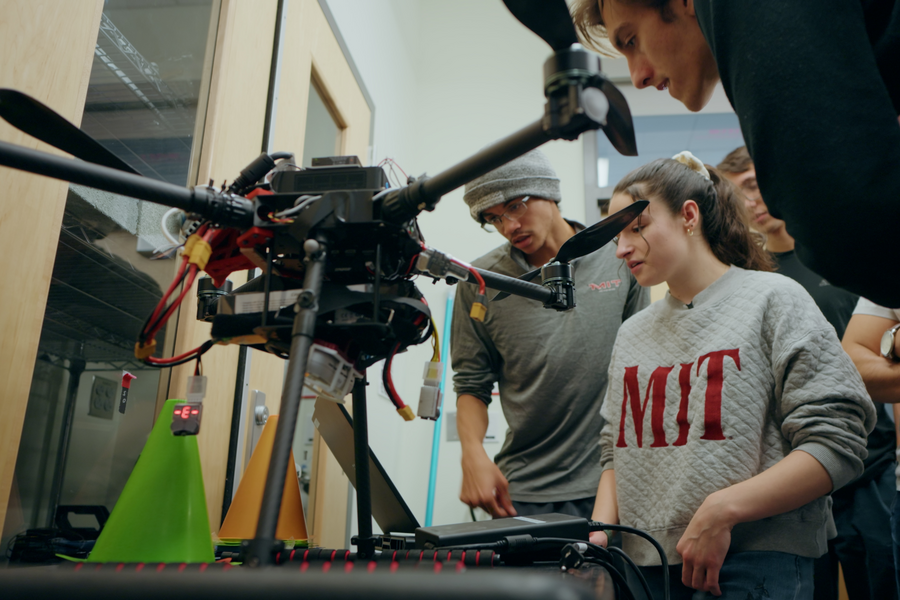
Clean energy marketing for fusion is the work of explaining fusion technology, progress, and safety to investors, engineers, communities, and policymakers. Done well, it relies on documented milestones, real lab footage, plain-language animation, and engineers on camera rather than big promises.
It also means honesty about timelines. Fusion has been "20 years away" for decades, so every claim needs a clear date, a clear measure, and a clear source.
A Video Plan for Each Audience
Most of this content can come from the same filming days.
Investors: milestone content
Fusion companies pass milestones constantly: new devices, plasma records, fuel tests, funding rounds, and government awards. Each one is proof of progress.
Turn every milestone into a short clip that explains what happened, why it matters, and what comes next. Post it the day the news breaks, while reporters and investors are paying attention. Pair each clip with a simple chart or animation so the number is easy to understand.
Be precise about status. Helion's CHIPS funding is a letter of intent, not a finalized award. Investors notice when a company overstates its news, and so do reporters.
Engineers: lab tours and team content
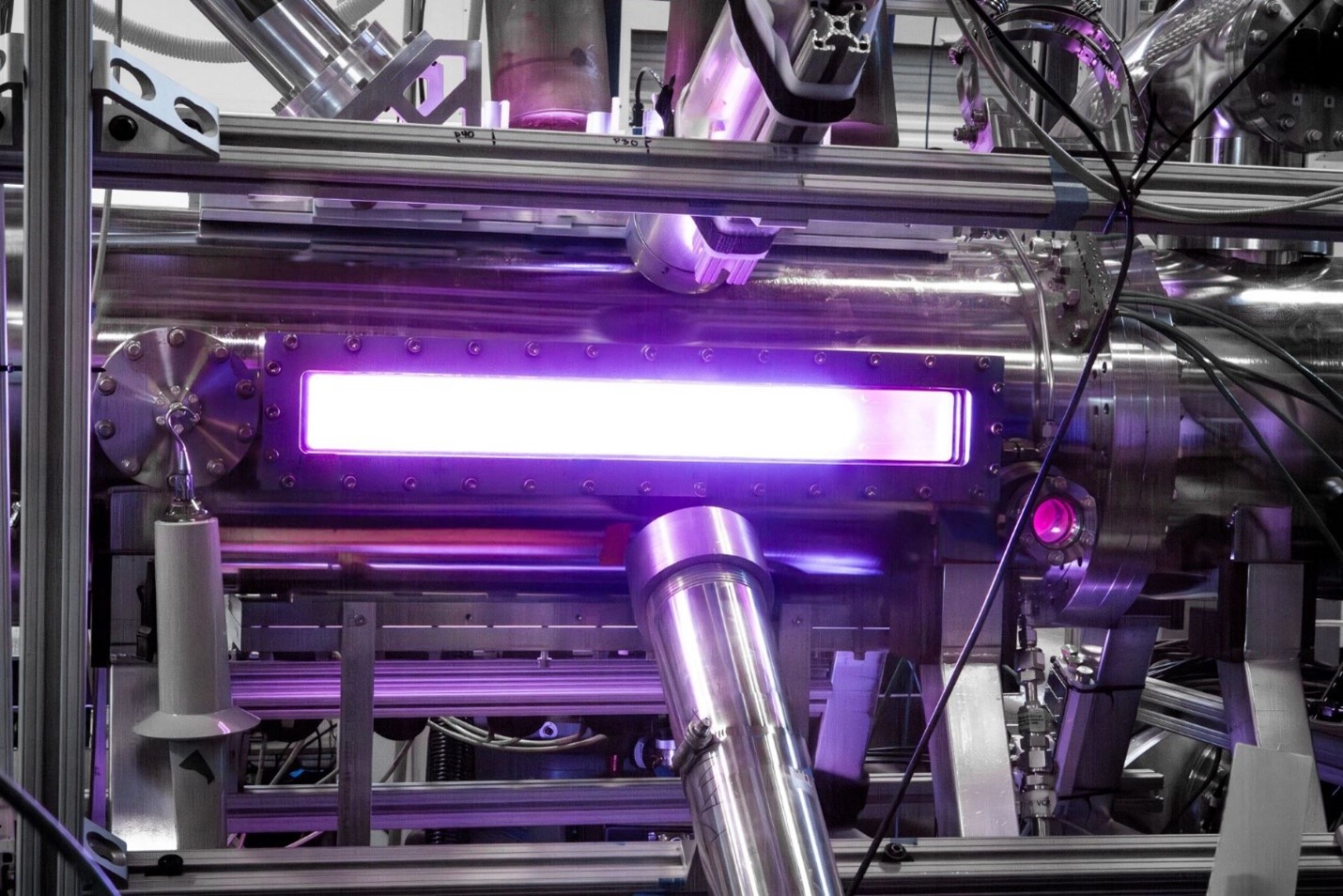
Seattle fusion companies compete for the same engineers as Amazon and Microsoft. Salary alone rarely wins that contest. The mission, the team, and the hardware do.
Film lab tours, test days, and short interviews with engineers explaining what they work on. Let candidates see the machines, the tools, and the people before they ever apply. Post these clips where engineers already look, such as LinkedIn and YouTube, and link them from every job listing.
Include technicians and early-career engineers, not just founders. Candidates want to see someone like them doing meaningful work.
Communities and policymakers: plain-language explainers
A power plant needs local support. Helion's Orion plant sits in Malaga, near the Columbia River, far from its Everett headquarters, so residents there need to understand the project too.
A plain-language explainer can show how fusion works, how it differs from fission, and what safety features the design includes. Avoid absolute claims like "completely safe." Explain what the design does, how it was tested, and who reviewed it.
Use the same explainer at community meetings, permit hearings, and on your website, so every audience hears one consistent story.
Clear explainers also help when the story gets more complex.
Zap now pursues both fission and fusion, and its new CEO, Zabrina Johal, summed it up: "Fission gives us a path to deploy. Fusion gives us a path to transform." A short animation can make that two-track strategy easy to follow.
Make Fusion Week Work All Year

The region even has its own fusion event. The 2026 Washington State Fusion Week, promoted by the CleanTech Alliance, ran from August 31 to September 2. It included panels at WSU Everett, a Zap and Avalanche lab tour in Tukwila, and panels and tours at PNNL in Richland.
Most companies treat an event like this as a single moment. It should be a content source for months.
Here is how to plan for it:
- Before the week: Confirm filming rights for panels and tours.
- During the week: Capture every talk, plus short interviews with engineers and partners.
- After the week: Cut each talk into short clips, sorted by audience: investors, recruits, and the public.
One panel can supply a month of LinkedIn posts. A lab tour can become your best recruiting video of the year.
How Seattle Compares to Other Climate Hubs
Each climate tech hub has its own marketing challenge. Boston founders need to turn pilots into customers, New York founders need to make Climate Week last, and San Francisco founders need to stay visible between climate weeks.
For a closer look at fusion, read our Helion vs. Commonwealth Fusion comparison. For the wider region, see our guides to choosing a deep tech marketing agency in Seattle and to space tech marketing in Seattle.
Win Investors, Engineers, and Communities at Once
We've made fusion content before, repurposing keynote footage from Shine Technologies founder Greg Piefer into short-form clips.
Fusion companies are competing with Amazon and Microsoft for engineers and need public buy-in before they break ground. We create recruiting videos, plain-language explainers, and short-form content from your lab tours and Fusion Week appearances.
See more of our work in our case studies, then book a call to see what we would build for your team.

Frequently Asked Questions