From Launch Pad to Feed: Aerospace Marketing for LA's Space Beach Startups
An aerospace marketing agency in Los Angeles helps commercial space startups prove that something extraordinary is real and repeatable. For Space Beach founders, that means turning launches, capsule recoveries, and cleanroom work into short-form content, using animation to show what happens in orbit, and building recruiting videos that compete with the biggest names in space.
This guide explains why LA's South Bay leads commercial space, why the most exciting pitches face the hardest credibility test, and how to market every phase of a mission.
Welcome to Space Beach
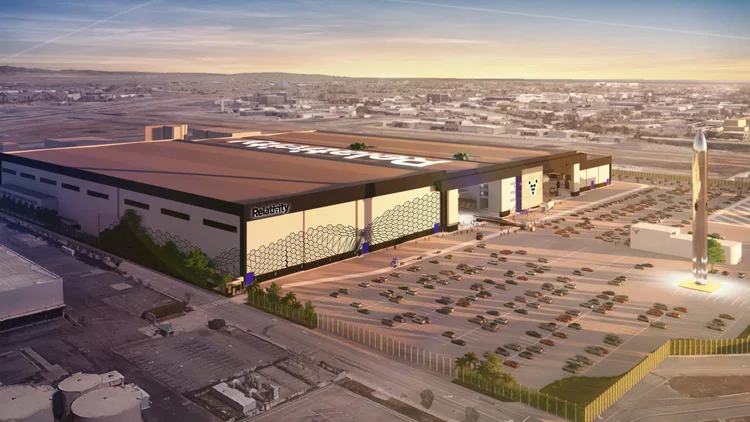
Long Beach and El Segundo sit at the center of a stretch of coastline locals call "Space Beach." Private space investment rose 48% to $12.4 billion last year, the Los Angeles Business Journal reported in April 2026, citing Seraphim Space.
The region's companies cover almost every part of the industry:
- Rocket Lab is based in Long Beach
- Relativity Space builds rockets at its Long Beach headquarters
- Vast, also in Long Beach, raised $500 million in March 2026 and plans to launch Haven-1, which it calls the world's first commercial space station, in 2027
- Varda Space Industries manufactures pharmaceuticals in orbit from El Segundo
Caltech and NASA's Jet Propulsion Laboratory, which Caltech manages, sit in nearby Pasadena. Few places on Earth have this much space talent, capital, and hardware in one region.
Today's startups also hire from the same deep aerospace engineering base that has defined the South Bay for decades.
Varda's Pitch Sounds Like Science Fiction
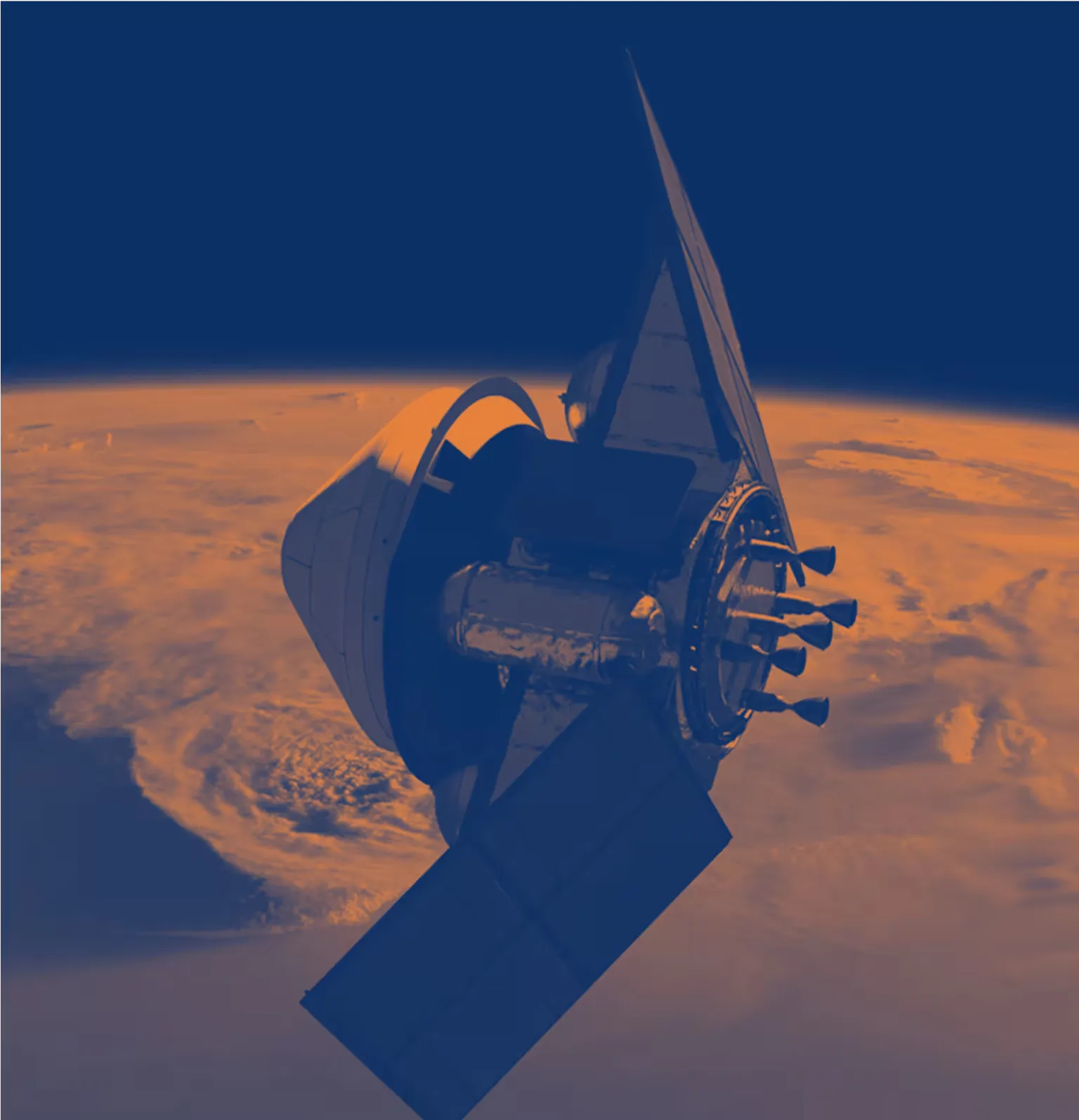
Varda shows both the promise and the marketing challenge of commercial space.
The company sends small capsules into orbit, processes drug ingredients in microgravity, and brings the capsules back to Earth. On October 1, 2026, it announced a $251 million Series D, bringing its total funding to $598 million after six successful reentry missions.
On October 20, Varda launched W-7, its third launch that month. The mission studies whether microgravity can help a class of next-generation cancer drugs called PROTACs form more soluble crystals.
Chief strategy officer Michael Reilly explained why that matters: "The most sophisticated molecule in the world doesn't help a patient if it can't be absorbed by the body."
That one sentence does more for credibility than any futuristic rendering. It connects a space mission to a problem every pharma partner already understands.
The Credibility Problem in Commercial Space

Making drugs in orbit, building private space stations, and printing rockets all sound like science fiction. That is exactly the problem.
Commercial space founders have to convince three skeptical audiences:
- Investors who need proof the business is repeatable, not a one-time stunt
- Commercial partners, such as pharma companies, who need data before they commit
- Engineers who could work at the region's largest launch and satellite companies
Each audience has seen bold space promises before. What convinces them is evidence: real hardware, real missions, and real results, shown again and again.
Varda's reentry record answers that question better than any slogan. Six successful reentries is a track record, and track records are what investors fund.
What Is Aerospace Marketing for Commercial Space?
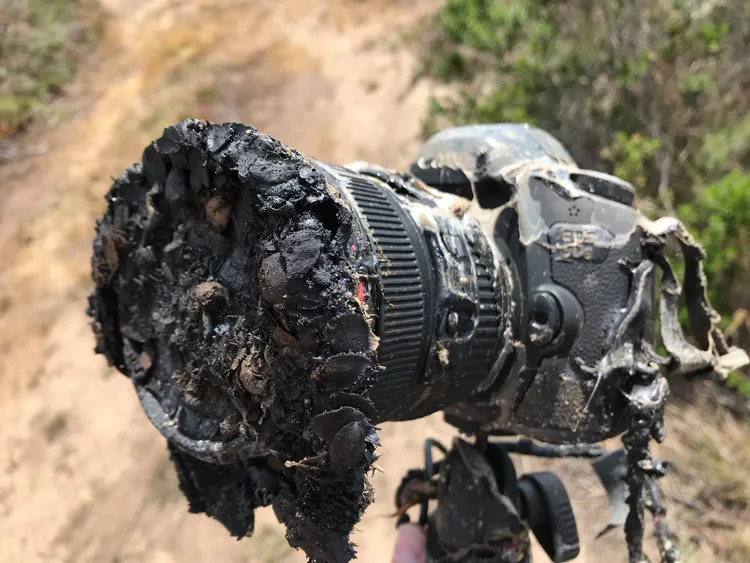
Aerospace marketing for commercial space is the work of turning launches, hardware, and mission results into content that investors, customers, and engineers trust. It usually includes mission footage cut into short clips, animation of what happens in orbit, recruiting videos, and founder-led explainers.
It differs from most tech marketing because the product often operates hundreds of kilometers away. The job is to make something people cannot see feel concrete and proven.
Market the Whole Mission, Not Just the Launch
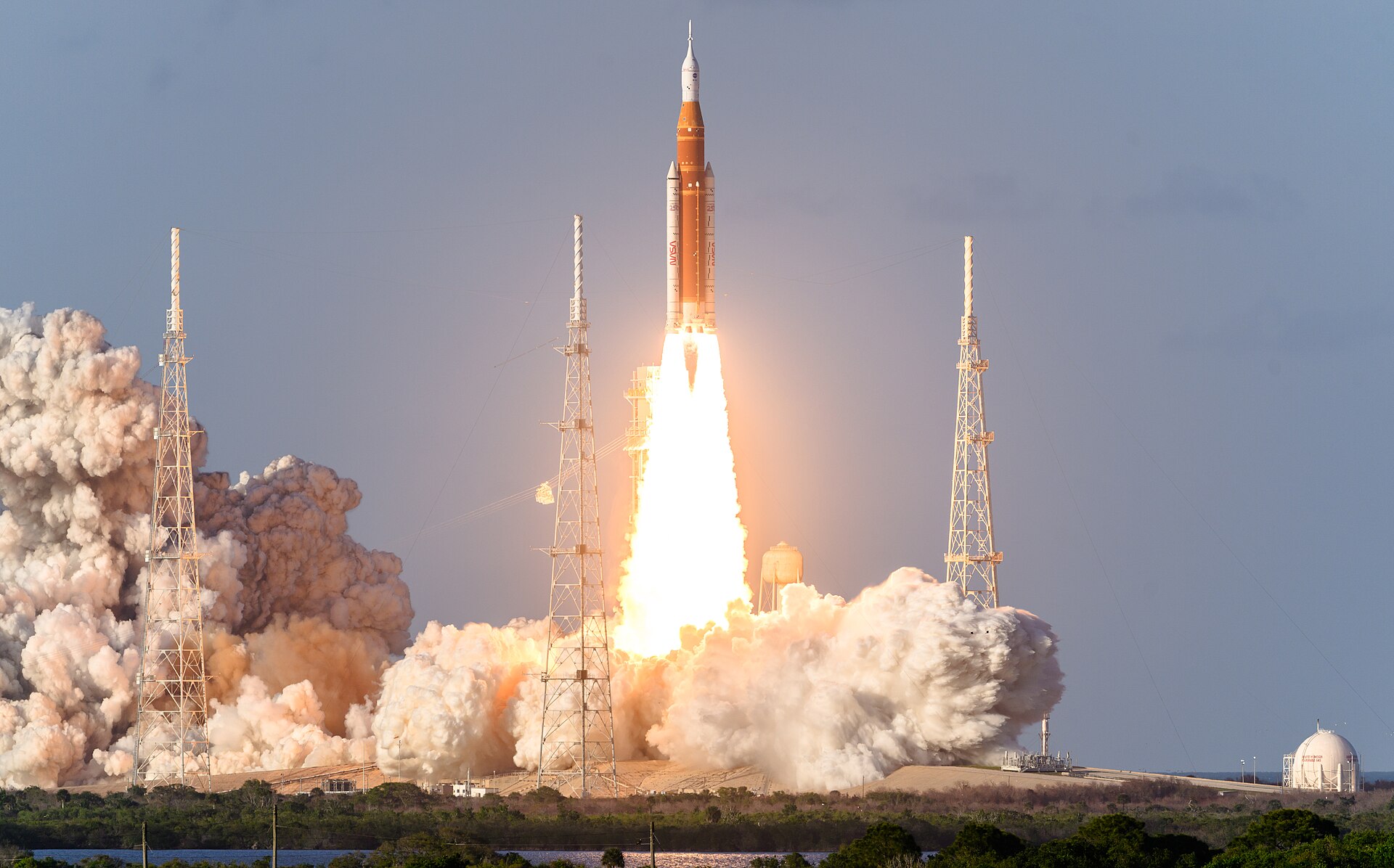
Most space companies post launch day and go quiet. Every phase of a mission is content.
Before launch: the cleanroom and the people
Film integration, testing, and the cleanroom where payloads are prepared. Show the engineers and scientists doing the work, and explain what each step is for.
This footage shows how much precision goes into every mission. It also becomes your strongest recruiting material.
Ask engineers to explain one task each on camera, in plain language. Those short explainers humanize a company that might otherwise feel like pure hardware.
Launch day: speed matters
A launch is when attention peaks. Have short clips ready to post within hours, not weeks, while investors, partners, and reporters are watching.
Keep each clip clear about the mission's goal. A 30-second video that explains what the payload will do is more useful than a minute of rocket exhaust.
Prepare captions, quotes, and a short explainer before launch day, so the team can publish fast without rushing approvals.
In orbit: animate what cameras can't capture
Nobody can film crystals forming inside a capsule in orbit. Animation can show it.
A short animation can explain what happens in microgravity, why it matters, and how it leads to a better product on Earth. Every animation should be reviewed by your engineers and scientists before anything is animated, so it stays accurate.
Recovery: the proof shot
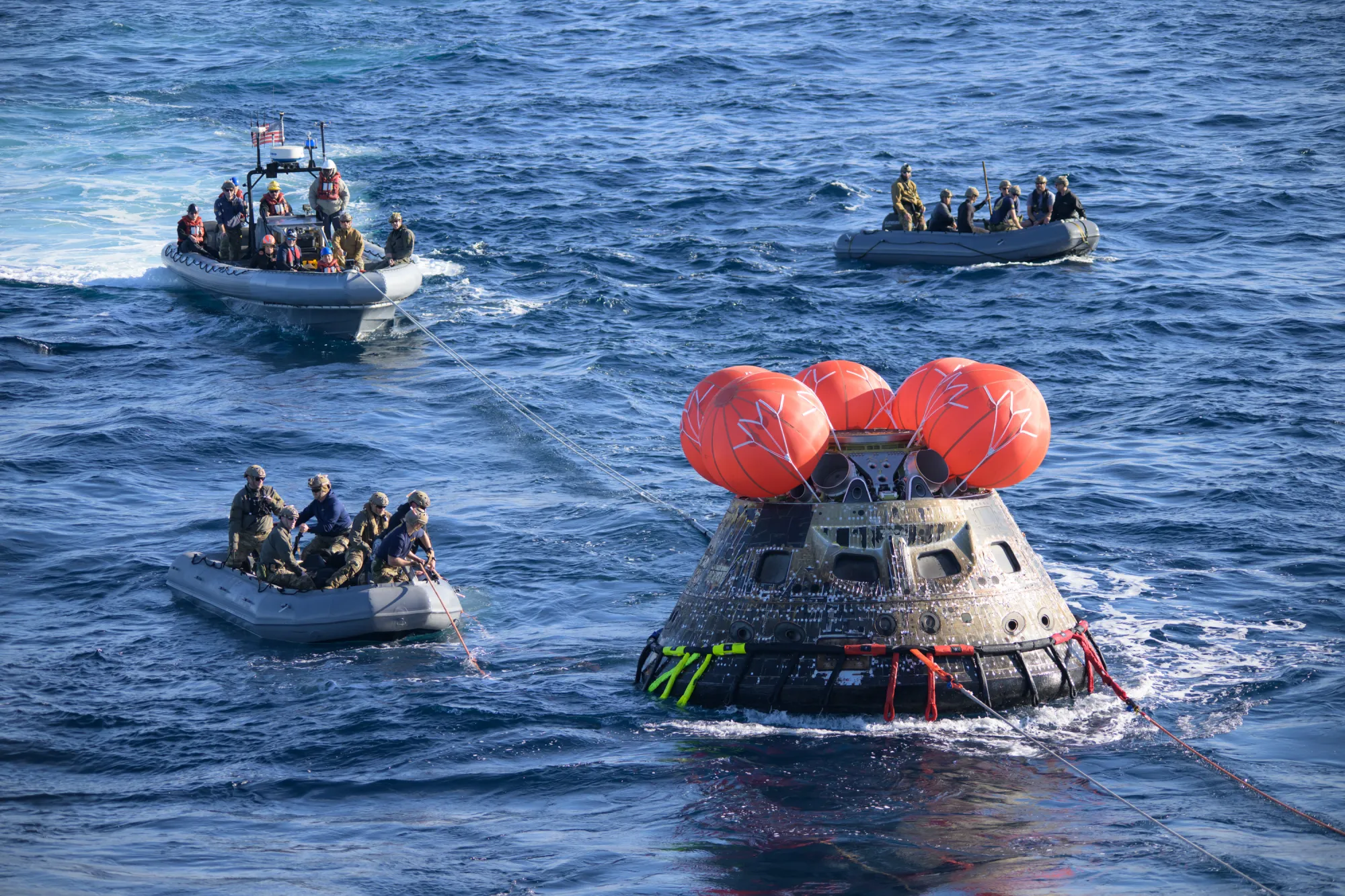
For reentry companies, the capsule landing is the most powerful image you have. It proves the mission came home.
Film the recovery team, the capsule on the ground, and the first look inside. Footage like this tells investors and partners that the process works.
Capture the moment from several angles if you can. A single strong recovery shot can anchor investor updates, conference talks, and recruiting posts for months.
After the mission: results and next steps
Close the loop. Share what the mission learned, what comes next, and how the results move the company forward. Even when a mission does not go as planned, a clear explanation of what you learned builds more trust than silence.
Repeatable missions build trust only if people can see that they are repeatable. A consistent series of mission videos does exactly that.
Cut Footage for Where Your Audience Watches
Great footage is wasted if it sits on a hard drive. Each audience watches on different platforms, so cut each clip for where it will be seen.
- LinkedIn reaches investors, pharma partners, and industry leaders. Short, captioned clips with a clear takeaway work best.
- YouTube is where engineers and space enthusiasts watch longer launch, recovery, and factory videos.
- X is where the space community follows launches in real time, so post short clips there during the mission.
- Your website and pitch deck need a short mission reel that explains the company in under two minutes.
Our guide to repurposing one video into 15 content assets shows how to plan this from the start. For recruiting, see how we approach the race for space talent in Seattle.
More Guides for LA Hard Tech Founders
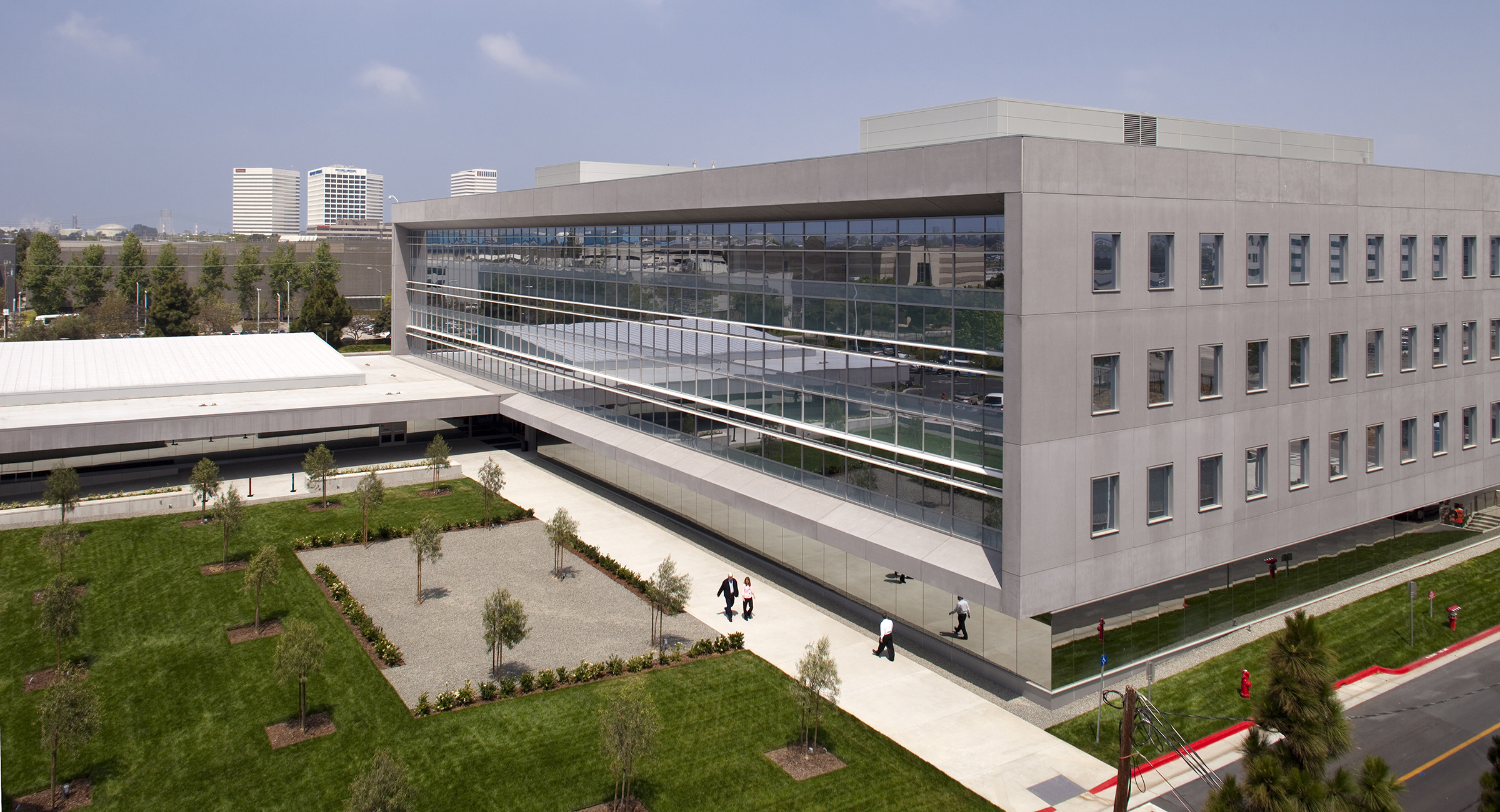
LA's hard tech scene goes far beyond rockets. Our guide to choosing a deep tech marketing agency in Los Angeles covers the wider El Segundo ecosystem. Medtech founders can read our guide to medical device marketing in Los Angeles.
Turn Every Mission Into Proof
Your launches, recoveries, and cleanroom footage are the most compelling content in deep tech, but only if someone cuts them for the platforms investors and engineers actually watch.
We turn mission footage into short-form content, animate what cameras can't capture, and build recruiting videos for teams competing with the biggest names in space.
See our work in our case studies, then book a call to see what we would build for your next mission.

Frequently Asked Questions