Quantum Valley Has a Startup Problem: How Seattle Quantum Founders Stand Out Next to Giants
Quantum computing marketing in Seattle starts with one hard fact: your neighbors are some of the biggest names in the field. For Seattle quantum startups, standing out next to Microsoft, Amazon, and IonQ means owning a specific technical niche instead of competing on scale, making the science visible with clear animation, and turning local talks and papers into steady content.
This guide looks at Washington's quantum giants, the gap a new state report found underneath them, and how quantum founders can win attention, talent, and capital in their shadow.
Washington's Quantum Giants
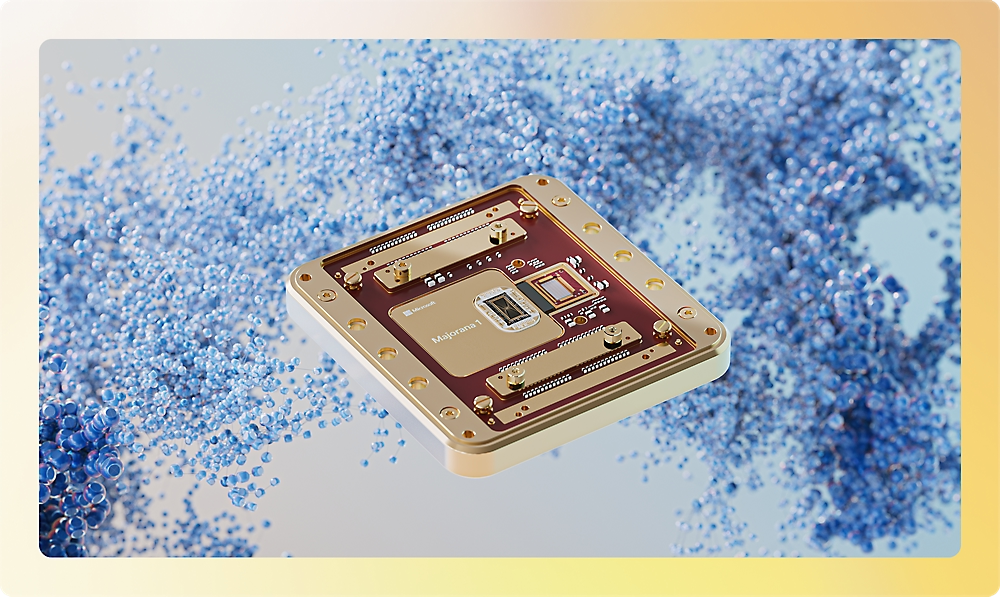
Washington is home to some of the most important names in quantum computing.
- Microsoft runs Azure Quantum from its Redmond headquarters and is developing its Majorana quantum chip.
- Amazon offers its Braket quantum computing service through AWS, headquartered in Seattle.
- IonQ opened the first dedicated quantum computing manufacturing facility in the US in Bothell in February 2024.
The state also has a cryogenics program at Pacific Northwest National Laboratory and ranks in the top three nationally for quantum computing patents, according to a 2026 state quantum report.
Few places have this much quantum firepower in one region.
IonQ's Bothell Bet
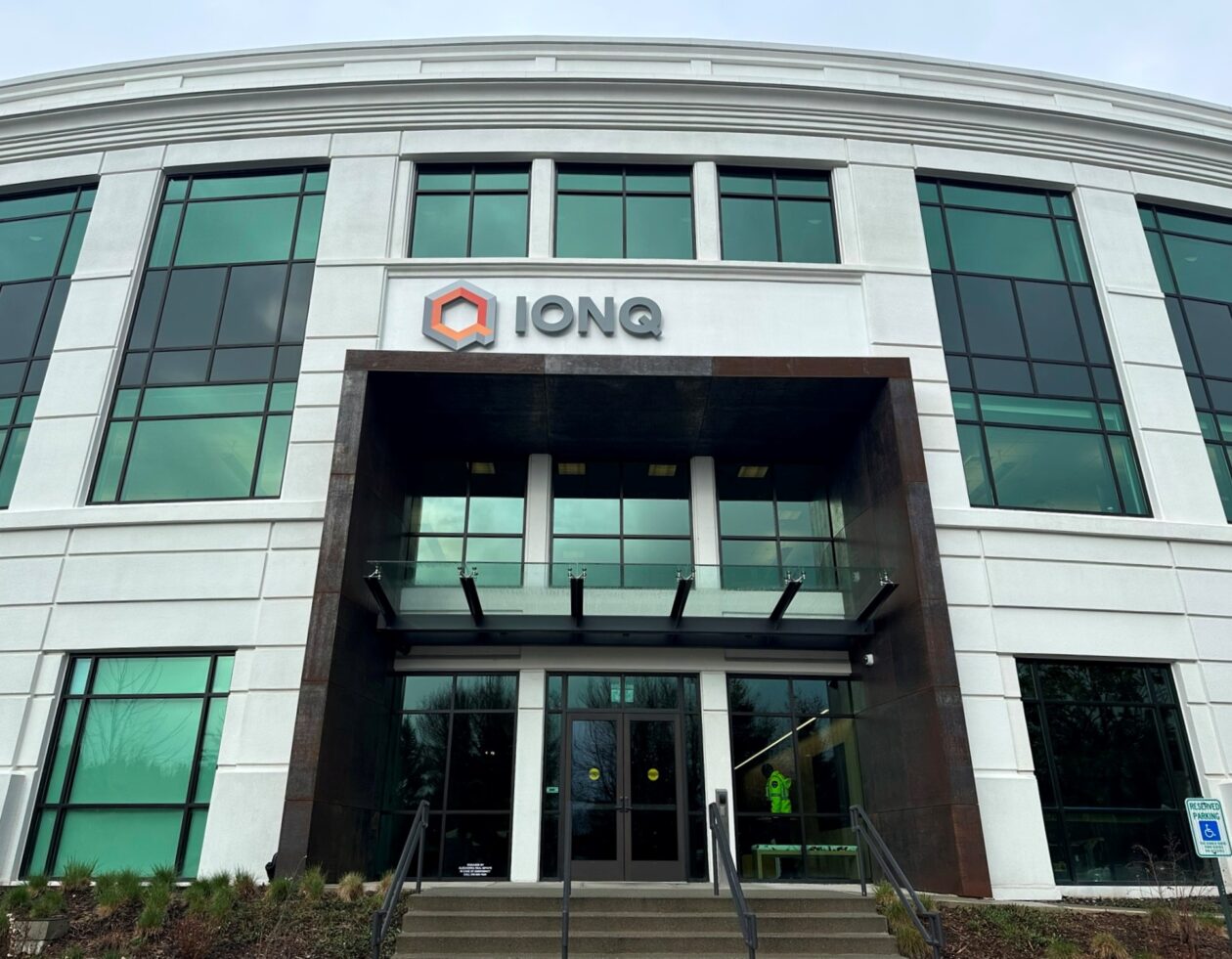
IonQ keeps growing in Bothell. On April 14, 2026, World Quantum Day, Governor Bob Ferguson directed $500,000 from the state's Strategic Reserve Fund toward IonQ's expansion into a 100,000 square foot hub for production, research, and a second quantum data center.
IonQ is adding more than $14 million in private investment. The state expects about 100 engineering jobs within 18 months, with an average salary of $177,000, and 1,200 to 2,000 jobs over five years. The Bothell plant already employs about 100 people, GeekWire reported.
"Quantum is the future and it's being built here," Ferguson said. Some local coverage has even called Snohomish County the "Quantum Valley of the West."
The Gap Under the Headlines

A report released in August 2026 tells a more complicated story. Quantum Technology in Washington State, from the Washington Technology Industry Association, Northwest Quantum Nexus, and the state Commerce Department, found that Washington received none of the $2 billion in CHIPS Act quantum incentives awarded this year.
It also found the state captured only about 3% of national quantum SBIR funding over the past decade. Among its five recommendations was strengthening Washington's thin startup and founder pipeline.
It compared Washington with peer states that made large public bets, including Illinois at over $500 million, Maryland at about $200 million, and Colorado at $127 million.
"This isn't a resource problem; it's a coordination problem, and that's the good news," WTIA's Nick Ellingson told GeekWire.
Washington has quantum giants. What it needs is more visible quantum startups.
The Shadow of the Giants

That is the marketing reality for Seattle quantum founders. They build next to some of the best-known technology companies in the world.
They compete with those companies for the same PhDs. They compete for the same investor attention. And when journalists write about quantum in Washington, they usually start with Microsoft, Amazon, or IonQ.
That can make even strong startups feel invisible. But it also creates an opening: giants talk about platforms, while startups can talk about specific breakthroughs.
You cannot out-scale a giant. You can out-explain one. Clarity is the one advantage a startup can always control.
What Is Quantum Computing Marketing for Startups?
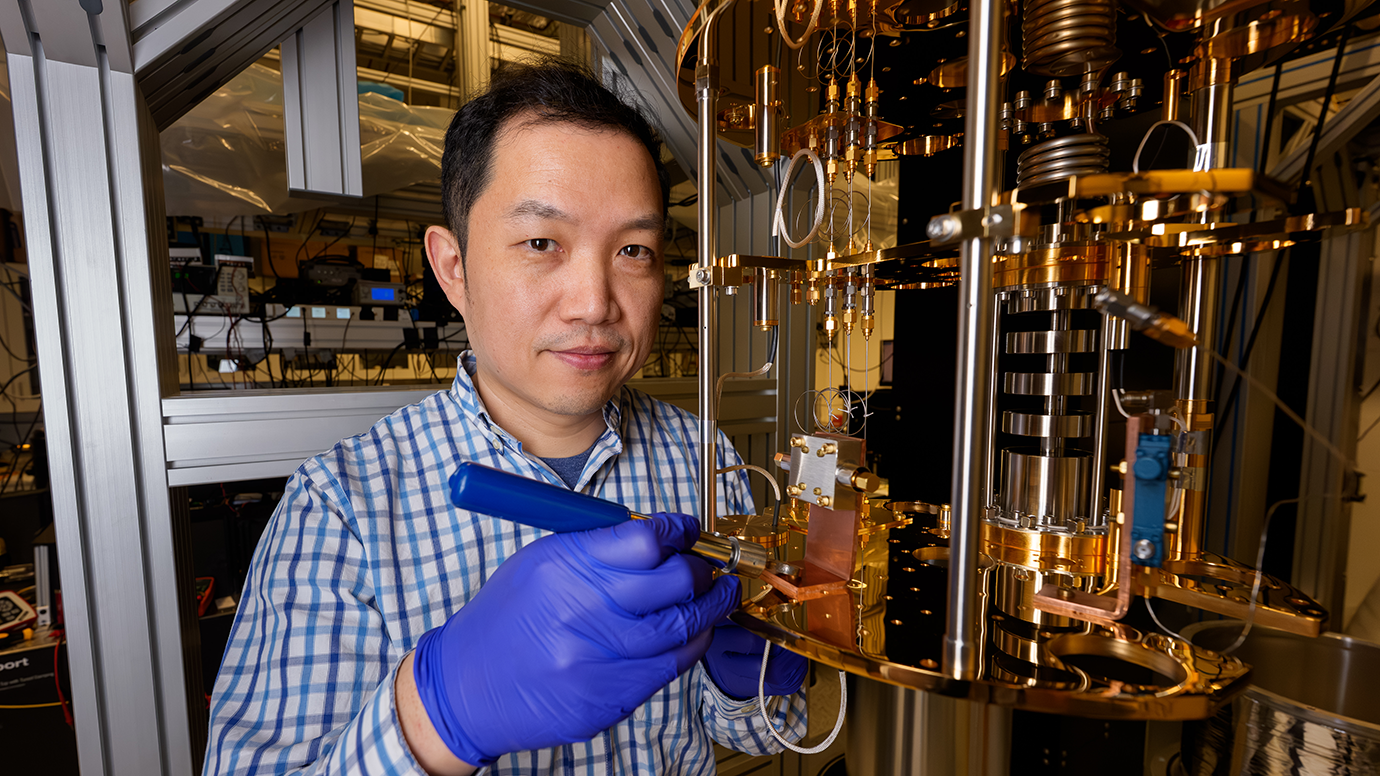
Quantum computing marketing for startups is the work of explaining a specific quantum technology, its progress, and its value to investors, partners, researchers, and recruits. Done well, it relies on clear animation, scientists on camera, and honest milestones rather than sweeping claims about the future of computing. It also means timing content around papers, conferences, and funding news, when attention is highest.
For startups near large incumbents, it also means defining a clear position. Your audience should know exactly what you do that the giants do not.
3 Ways Seattle Quantum Startups Can Stand Out
These three approaches help Seattle quantum founders build visibility next to much larger neighbors.
1. Own a specific technical niche
The state report recommends that Washington focus on one to three specialties, such as post-quantum cryptography, instead of competing on everything. The same advice works for startups.
Pick the problem you solve better than anyone, and make every piece of content point back to it. That might be a component, a software layer, an error-correction approach, or a specific application.
A narrow, clear position is easier to remember than a broad, vague one. It also helps investors see where you fit next to the giants instead of against them. Repeat that position everywhere: your website, pitch deck, conference bios, and every short clip.
2. Make the science visible with clear animation
Most investors and recruits have never seen how a qubit works, and cameras cannot show one doing useful work. A short animation can.
Show what your technology does, where it fits in a quantum system, and why it matters. Every animation should be reviewed by your scientists before anything is animated, so the simplification never becomes misleading.
Avoid the glowing, sci-fi visuals common in quantum marketing. Technical audiences read them as hype, and hype is exactly what a startup next to giants cannot afford. Use the same accurate animation in pitch decks, partner meetings, recruiting, and on your website.
3. Turn local talks and papers into content
Seattle quantum founders have a steady stream of speaking opportunities, from University of Washington seminars to Northwest Quantum Nexus events. Most of those talks disappear when the session ends. Ask organizers about recording rights in advance.
Film them instead, and cut each talk into three to five short clips around single ideas, and turn each paper into a 60-second explainer with the researcher on camera.
Over time, those clips build a public record of your expertise. That record is how a small company becomes known for its niche.
Recruit PhDs Away From Big Tech
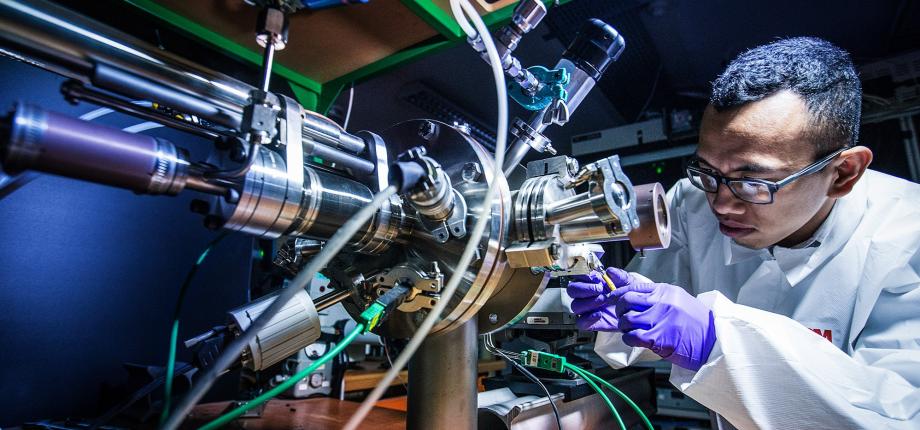
Seattle quantum startups compete for talent with Microsoft, Amazon, and IonQ, all of which can offer stability and scale.
Startups win by offering something different: ownership of hard problems, a smaller team, and work that clearly matters to the company's success. Recruiting videos should show exactly that.
Film your lab, your hardware or software, and your researchers explaining what they work on. PhDs choose problems, not perks. Show them the problem.
Short clips of researchers explaining one result also work well on LinkedIn, where many quantum scientists follow the field.
How Seattle Compares to Other Quantum Hubs
Each quantum hub has its own challenge. Bay Area companies compete for trust in a hype-heavy market, as we cover in our guide to quantum computing marketing in the Bay Area. New York founders need to make entanglement clear to generalist investors.
For the wider region, see our guides to choosing a deep tech marketing agency in Seattle and to space tech marketing in Seattle.
Win on Clarity
When your neighbors are Microsoft and Amazon, you can't win on size. You win on clarity.
We create explainer animations that show exactly what your quantum technology does, recruiting videos that pull PhDs away from Big Tech, and short-form content from every talk and paper.
See our work in our case studies, then book a call to see what we would build for your team.

Frequently Asked Questions