
Selling a Brain Implant Without the Hype: Neurotech Marketing in the Bay Area
Neurotech marketing works when it builds trust instead of chasing hype. For Bay Area neurotech and brain-computer interface startups, that means showing clinical outcomes instead of science fiction, using animation to explain exactly what a device does and does not do, and letting clinicians and patients tell the story.
This guide covers why the Bay Area leads the neurotech boom, why "brain implant" is such a hard thing to market, and four ways to communicate without overpromising.
The Bay Area Is the Center of the BCI Boom
The Bay Area is home to many of the most closely watched neurotech companies in the world.
- Neuralink (Fremont) raised $650 million in June 2025, according to Reuters. Semafor had reported a $9 billion valuation from its previous round. At the time, five people with severe paralysis were using its device to control computers and other devices.
- Science Corp (Alameda), founded by Neuralink co-founder Max Hodak, raised a $230 million Series C in March 2026, bringing its total funding to $490 million.
- NeuroPace (Mountain View) reported $100 million in 2025 revenue, up 25%, from its epilepsy device. Its RNS System alone brought in $81.7 million.
- Ceribell (Sunnyvale) reported $89.1 million in 2025 revenue, up 36%, from its point-of-care EEG system. It is FDA-cleared to help detect seizures and delirium in ICUs and emergency rooms, and it ended 2025 with 647 active accounts.
Science Corp's PRIMA retinal implant shows how strong clinical data changes the conversation. In results published in the New England Journal of Medicine, 38 patients with geographic atrophy were implanted, and 26 of the 32 assessed at 12 months, or 81%, showed clinically meaningful improvement in visual acuity.
Science bought PRIMA's assets from Pixium Vision in 2024 and completed the trials Pixium had started. In July 2026, PRIMA received its CE mark for sale in Europe.
The Bay Area has both sides of neurotech: headline-making implants and established companies already selling to hospitals.
Neurotech's Unique Marketing Problem
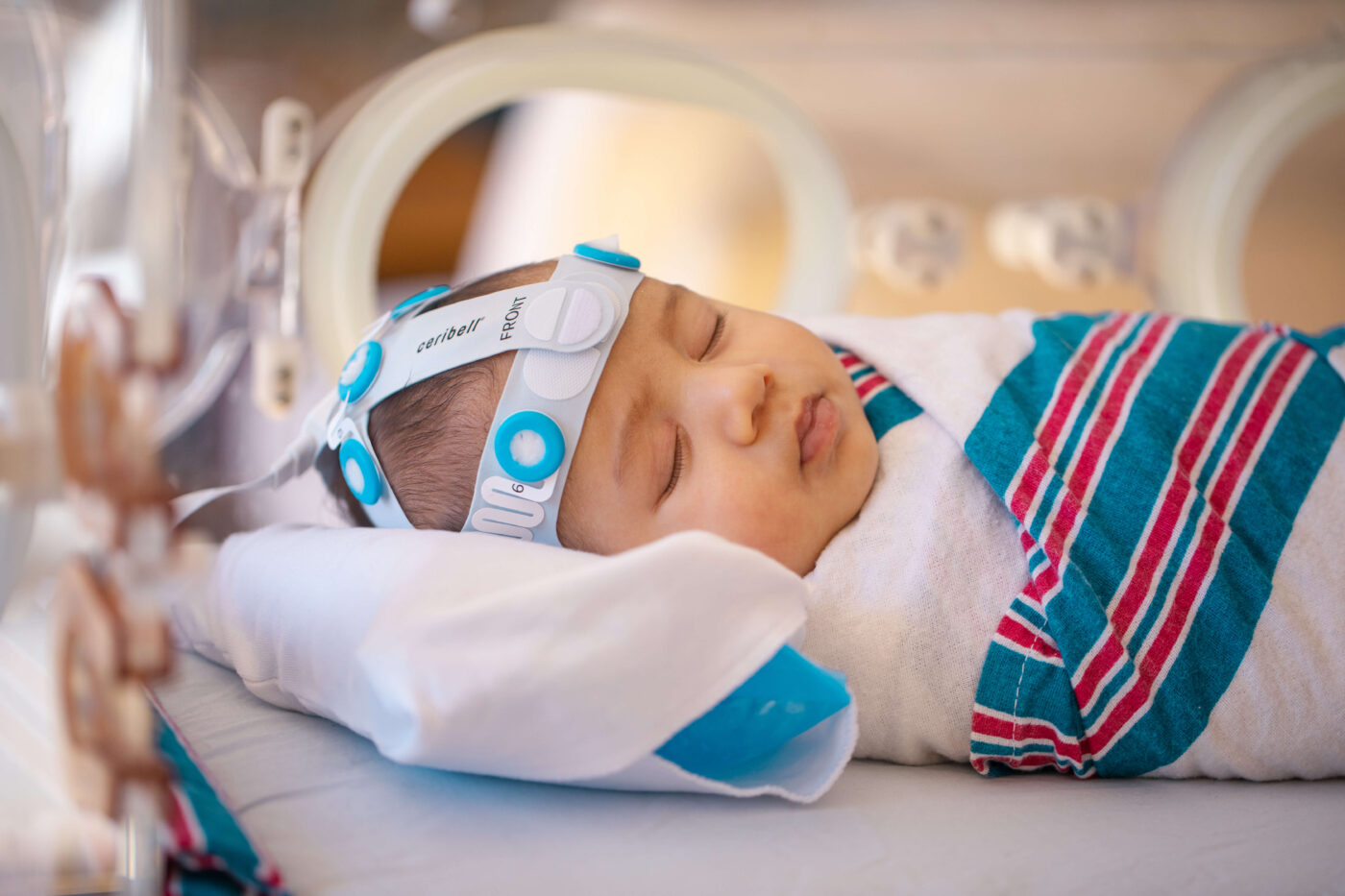
Neurotech is equal parts the most exciting and the most frightening technology in medicine. The same words that thrill an investor can alarm a patient.
Patients, neurologists, investors, and regulators all react to "brain implant" differently. A video that feels inspiring to one group can feel reckless to another.
Media coverage amplifies the problem. Headlines about mind reading or superhuman abilities shape what patients expect long before they meet a clinician.
Hype is especially dangerous here. One overstated claim can cost years of credibility with clinicians, and it can create problems with regulators who review every word about an investigational device.
Who Neurotech Companies Need to Convince
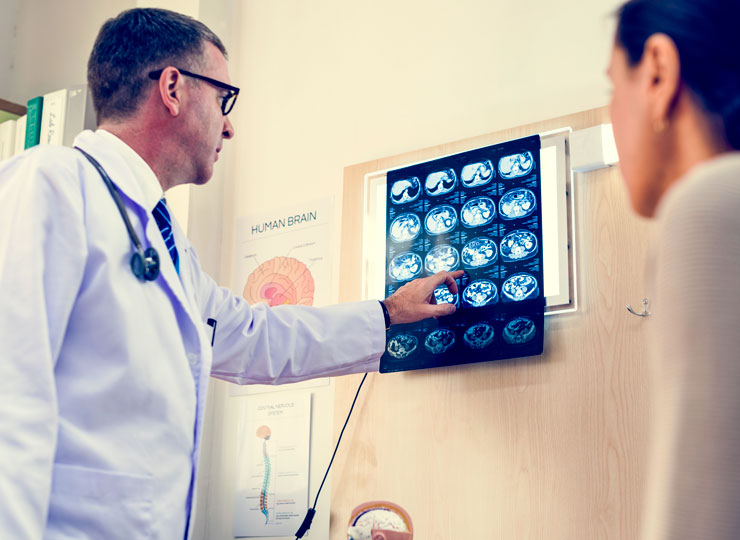
A neurotech company has to earn trust from several audiences at once:
- Patients and families who want hope but deserve realistic expectations
- Neurologists and neurosurgeons who need clinical evidence before they refer or implant
- Hospital buyers who weigh outcomes, workflow, and cost
- Investors who want to understand both the science and the regulatory path
- Regulators who scrutinize how claims are made
- Engineers and scientists who could work at any of the region's AI or chip companies
Patients and families often find you through news coverage, so your own content may be their first accurate explanation.
Each group needs the same facts told at a different level of detail. The common thread is precision. In neurotech, vague language reads as hype.
What Is Neurotech Marketing?
Neurotech marketing is the work of explaining neural devices, brain-computer interfaces, and neurodiagnostics to clinicians, patients, buyers, and investors. Done well, it relies on clinical outcomes, accurate animation, and real voices rather than futuristic promises. It also means planning content around clinical and regulatory milestones, since those are the moments when interest peaks.
It sits between medical device marketing and public education. Our Butterfly Network breakdown shows how another device company built clinician trust step by step.
4 Ways to Market Neurotech Without Overpromising
These four approaches help neurotech startups communicate clearly and credibly.
1. Show clinical outcomes, not science fiction
Neurotech coverage often reaches for mind reading, cures, and cyborgs. Your marketing should do the opposite.
Lead with specific outcomes and their context. Use the endpoint name the study used, then translate it into plain language underneath.
Saying that 26 of 32 assessed patients showed clinically meaningful improvement is more persuasive to a neurologist than saying a device "restores sight." The denominator is part of the claim. Clinicians notice when it is missing.
2. Animate what the device does, and what it does not

A short mechanism animation can show where a device sits, what signals it reads or delivers, and how that leads to a clinical effect. It can also show limits, which is just as important.
Every animation should be reviewed by your clinical team before anything is animated, and every claim should match the device's approved or investigational status. A clear, honest animation becomes the backbone of investor decks, clinician education, and conference talks. Cut 15 to 30 second versions for LinkedIn, where many neurologists and investors already follow the field.
3. Let clinicians and patients tell the story
Clinicians trust other clinicians. Short clips of neurologists and surgeons explaining a procedure or a result reach that audience far better than a founder pitch. They also make strong conference content, since one recorded talk can supply a month of short clips.
Patient stories are powerful, but they need care. Get informed consent, protect privacy, and avoid implying that one experience is typical.
Show what changed for the patient, and what did not. Our guide to HIPAA-compliant short-form video covers how to do this safely.
4. Be precise about regulatory status
Neurotech products often carry different statuses in different markets. PRIMA, for example, has a CE mark in Europe, while in the United States it holds FDA Breakthrough Device designation, which is not the same as approval.
Say exactly where a product is cleared, approved, or still investigational, and make it a rule that every piece of content names the market and status of the product it describes. Mixing these up is one of the fastest ways to lose credibility with clinicians and regulators. Our medical device marketing guide for Los Angeles covers the rules on promoting investigational devices.
Learn From Neurotech Companies Already Selling
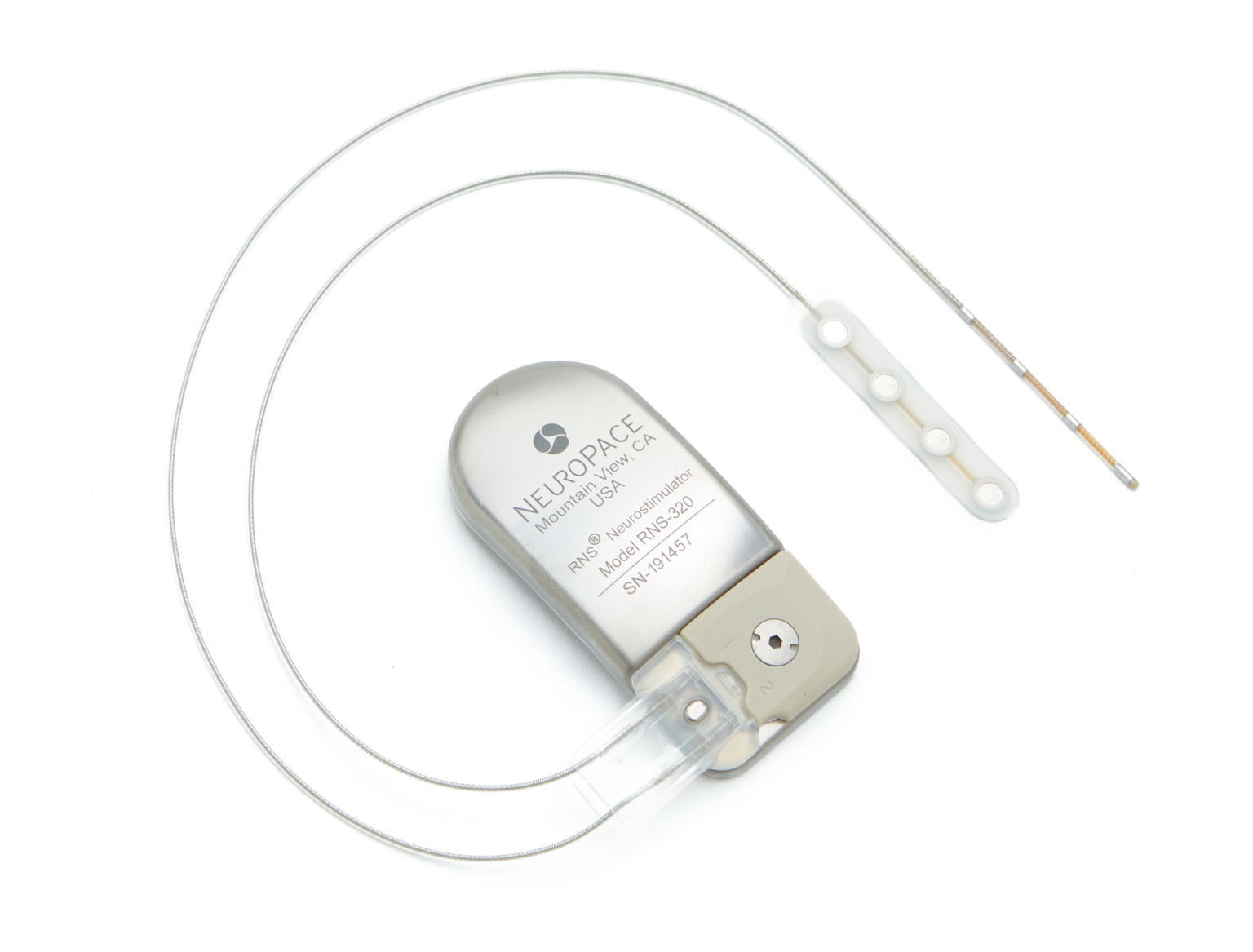
NeuroPace and Ceribell show what mature neurotech marketing looks like. They sell to hospitals and specialists, so their story centers on clinical workflow, diagnosis, and outcomes rather than futuristic vision. Ceribell's story, for example, is built around rapid EEG in ICUs and emergency rooms, a workflow clinicians recognize immediately.
Both companies earned trust by being useful to clinicians first.
Early-stage implant companies can borrow that discipline now. The Bay Area's other hard-to-see technologies face similar challenges, from biotech competing with AI for attention to semiconductor startups explaining invisible chips and quantum companies avoiding hype.
Build Trust Before the Headlines
In neurotech, one overhyped video can cost you years of credibility. Clear, precise content is how neurotech companies keep it.
We create mechanism animations that show exactly what your device does, reviewed by your clinical team before anything is animated, and turn your conference talks and clinical milestones into short-form content that builds trust with clinicians and investors.
See our work in our case studies, then book a call to see what we would build for your device.

Frequently Asked Questions