Two Reactors in Two Weeks: Nuclear Energy Marketing Lessons From LA's South Bay
Nuclear energy marketing works when it treats public trust as the first product. For LA's microreactor startups, that means explaining in plain language how a reactor works and why it is designed to be safe, turning every regulatory milestone into credibility content, and putting engineers on camera so people see who is behind the reactor.
This guide looks at the South Bay companies that just made nuclear history, why nuclear marketing is unlike any other deep tech sector, and how to build trust with investors, customers, and communities at the same time.
Two Reactors in Two Weeks
In June 2026, two companies from LA's South Bay made nuclear history within two weeks of each other.
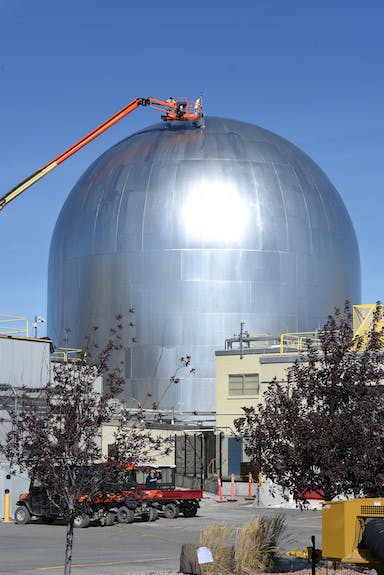
On June 4, Torrance-based Antares Nuclear's Mark-0 became the first advanced reactor to achieve criticality under the Department of Energy's Reactor Pilot Program, at Idaho National Laboratory. "For the first time in more than four decades," Energy Secretary Chris Wright said in the DOE announcement.
The program was set up under a May 2025 executive order with a goal of at least three advanced reactor criticalities by July 4, 2026. By February 2026, 11 projects from 10 companies had been selected.
On June 18, El Segundo's Valar Atomics followed with its Ward 250 reactor at the Utah San Rafael Energy Lab in Emery County. According to the DOE, it was the second advanced reactor to reach criticality under the program and the first DOE-authorized reactor built outside a national laboratory.
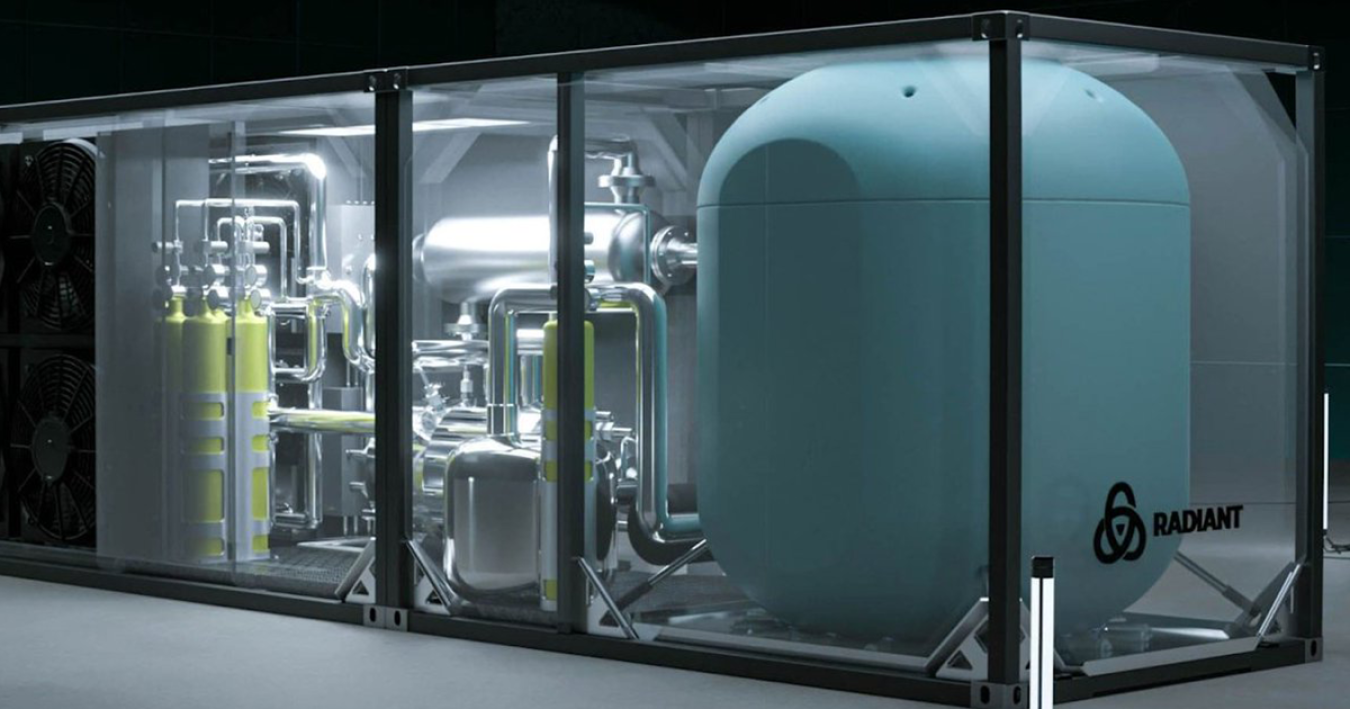
A few miles away, Radiant, also in El Segundo, received its first TRISO fuel in July at Idaho National Laboratory's DOME facility. Its test plan ends with at least 150 hours at full power without operator intervention. Chief nuclear officer Rita Baranwal said the company is "de-risking a commercial product that will be manufactured and delivered within 18 months."
In a matter of weeks, LA went from aerospace hub to the center of America's microreactor race.
Why Nuclear Marketing Is Different: Trust Comes First
Most deep tech startups need to convince investors and customers. Nuclear founders need both, plus something much harder to earn: public trust.
Decades of fear, strict regulation, and dramatic headlines mean that every community meeting, permit application, and customer conversation starts with skepticism.
Recent polling shows the gap clearly. According to Gallup in April 2026, 46% of Americans want more emphasis on nuclear power, the highest share Gallup has recorded. Yet 53% oppose building a nuclear plant in their own area, while 45% favor it.
Opposition is highest among women and adults over 55, groups many nuclear companies rarely address directly.
National support and local skepticism can exist at the same time. That gap is the marketing problem every microreactor company has to solve.
Who Nuclear Startups Need to Convince
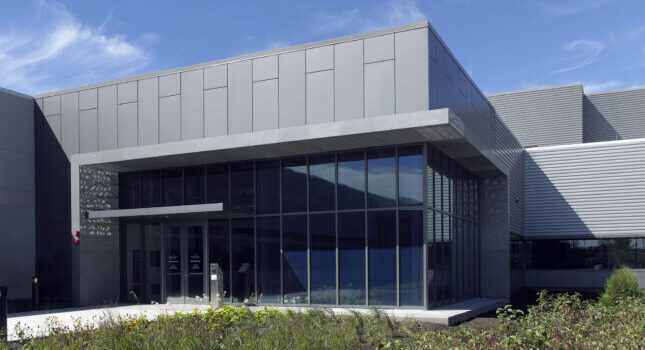
A microreactor company sells to more audiences than almost any other startup:
- Investors who want to see milestones arrive on schedule
- Customers such as data centers, utilities, and remote industrial sites that need reliable power
- Regulators who review every design and test
- Local communities and officials who decide whether a project feels welcome
- Engineers who could work anywhere in aerospace or energy
Each audience needs the same facts told at a different level of detail. The common thread is credibility, and credibility in nuclear comes from clarity and restraint.
What Is Nuclear Energy Marketing?
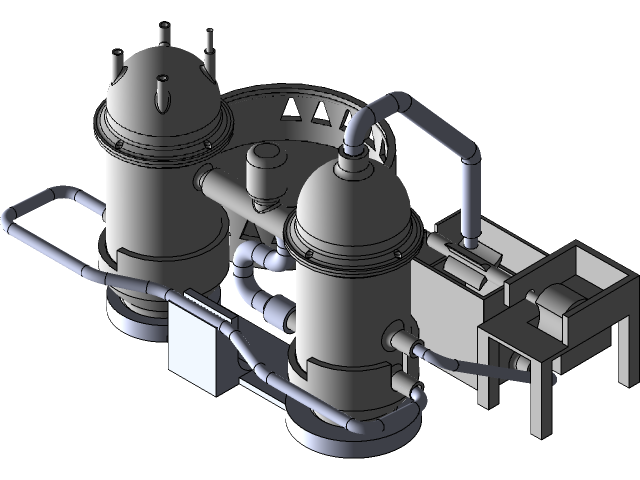
Nuclear energy marketing is the work of explaining advanced reactors, fuel, and safety to the people who fund, buy, regulate, and live near them. Done well, it relies on plain language, accurate animation, documented milestones, and visible engineers rather than slogans.
It is closer to public education than to product promotion. The goal is not excitement. The goal is understanding.
It also means consistency: the same facts, numbers, and tone in a pitch deck, a community meeting, and a LinkedIn post.
4 Ways LA Nuclear Startups Can Build Trust
These four approaches help microreactor companies earn trust with every audience.
1. Explain how a microreactor works in plain language
Most people have never had a nuclear reactor explained to them simply. A short explainer animation can show the core idea: fuel, the chain reaction, how heat is moved out, and how that heat becomes power.
Even milestone terms need translation. "Zero-power criticality," for example, means the reactor sustained a chain reaction at very low power, a key first step before generating electricity. If a term needs a footnote, explain it on screen.
Every animation should be reviewed by your engineers before anything is animated, so the simplification never becomes inaccurate. Use the same animation at community meetings, in investor decks, and on your website, so every audience hears one consistent explanation.
2. Talk about safety honestly
Safety is the first question for communities and customers alike. Answer it directly, and explain the specific design features that make your reactor safer, such as passive cooling or the fuel form.
Avoid absolute claims. Phrases like "completely safe" invite skepticism and can damage trust when scrutinized. It is more credible to explain what the design does, how it was tested, and who reviewed it.
Address the questions people actually ask:
- What happens to the used fuel?
- How is the reactor transported?
- What happens if something fails?
A short video series that answers one community question per clip works well.
3. Turn regulatory milestones into credibility content
Nuclear startups pass more formal milestones than almost any other industry: safety analysis approvals, fuel deliveries, shipments, and criticality. Each one is evidence that independent experts reviewed the work.
Turn each milestone into a short clip that explains what happened, why it matters, and what comes next. Post it the same day the milestone is announced, while journalists and investors are paying attention. A milestone explained clearly is worth more than a milestone announced loudly.
4. Put engineers on camera
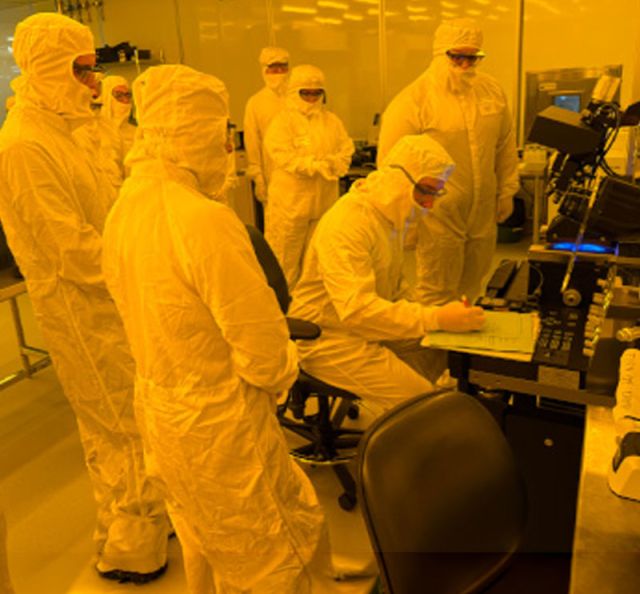
People trust people, not reactors. Short clips of the engineers who design, build, and test the reactor make the company human and accountable. Include technicians and operators, not just founders, since they often explain the work in the most relatable way.
Tone matters as much as content. After Mark-0 went critical, Antares CEO Jordan Bramble said, according to POWER Magazine, "Now that Mark-0 is critical, the real work is just beginning." That kind of measured confidence builds more trust than celebration.
Learn From Other Energy Companies
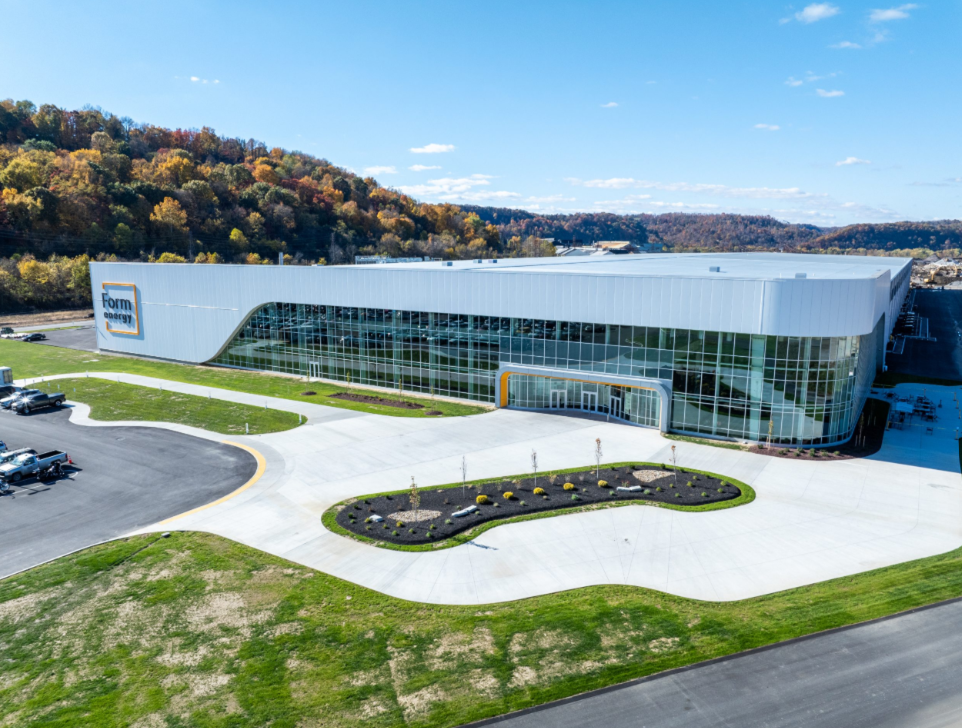
Other energy startups have faced similar trust problems. Fervo built credibility for a new kind of geothermal energy, which we cover in our Fervo marketing breakdown. Form Energy made a complex battery chemistry simple, as we explain in how Form Energy made rust a feature.
Fusion companies face the closest version of the nuclear challenge, which we explore in our Helion vs Commonwealth Fusion comparison. For the wider LA hard tech scene, see our guide to choosing a deep tech marketing agency in Los Angeles.
Trust Is the Product Before the Reactor Is
In nuclear, trust is the product before the reactor is.
We create plain-language explainer animations that show how your reactor works and why it is designed to be safe, scripted with your engineers before anything is animated, and turn every regulatory milestone into short-form content that builds public and investor confidence.
See our work in our case studies, then book a call to see what we would build for your team.

Frequently Asked Questions