Logical Qubits in Plain English: Quantum Computing Marketing for Boston Startups
Quantum computing marketing in Boston comes down to one hard job: explaining milestones that most people cannot follow. For Boston and Cambridge quantum startups, that means showing the difference between physical and logical qubits visually, turning Nature papers into short videos for investors and enterprise buyers, and presenting a credible roadmap instead of hype.
This guide looks at how one Boston quantum company's numbers can confuse even smart audiences, why the competition for attention is so intense in Boston, and how founders can make their milestones clear.
One Number, Two Very Different Machines
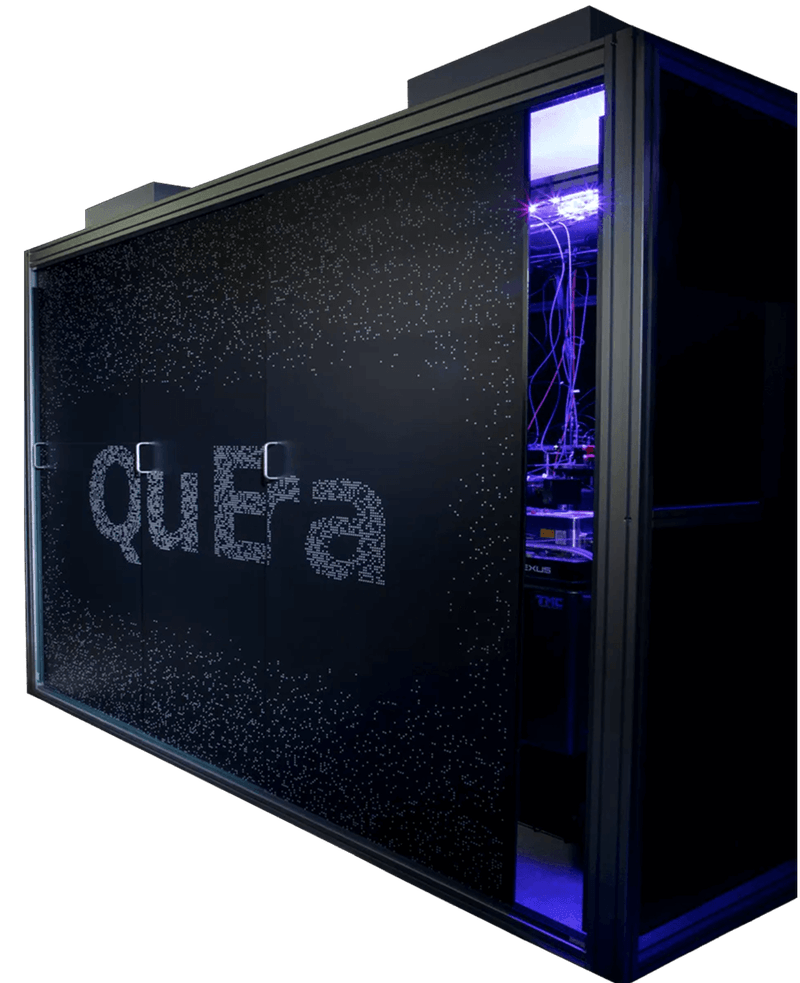
Boston-based QuEra Computing has a number that means two completely different things.
Its Aquila machine has been live on Amazon Braket since 2022, with 256 physical qubits. It was the first neutral-atom quantum computer available on Braket.
On June 15, 2026, QuEra announced Libra, its first fault-tolerant quantum computer, planned for Braket in 2028. According to The Quantum Insider, Libra is projected to have more than 256 logical qubits, with a logical error rate of one in a million.
Hyperion Research analyst Bob Sorensen called the 2028 plan "a significant inflection point" for the industry.
Same number, very different machine. To most investors and enterprise buyers, 256 qubits sounds like 256 qubits. To a quantum physicist, the gap between those two machines is the whole race.
What Is a Logical Qubit?
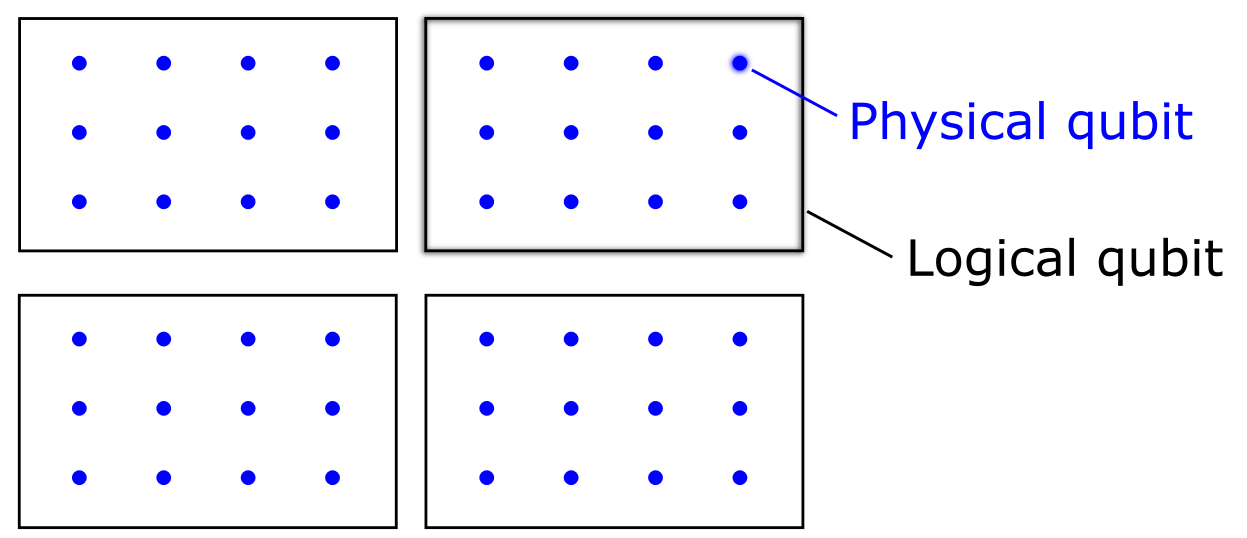
A physical qubit is a single quantum system, such as one atom held in place by a laser. Physical qubits are fragile. Heat, noise, and tiny disturbances introduce errors.
A logical qubit is built from many physical qubits working together. The information is spread across the group, so the system can detect and correct errors without destroying the calculation.
Think of it like a message sent through a bad phone line. One voice can be misheard, but a team checking each other's words can catch the mistakes. That is the basic idea behind quantum error correction.
Logical qubits are what make long, reliable calculations possible. That is why the industry's focus has shifted from "how many qubits?" to "how many good ones?"
Why Neutral Atoms Need Explaining Too
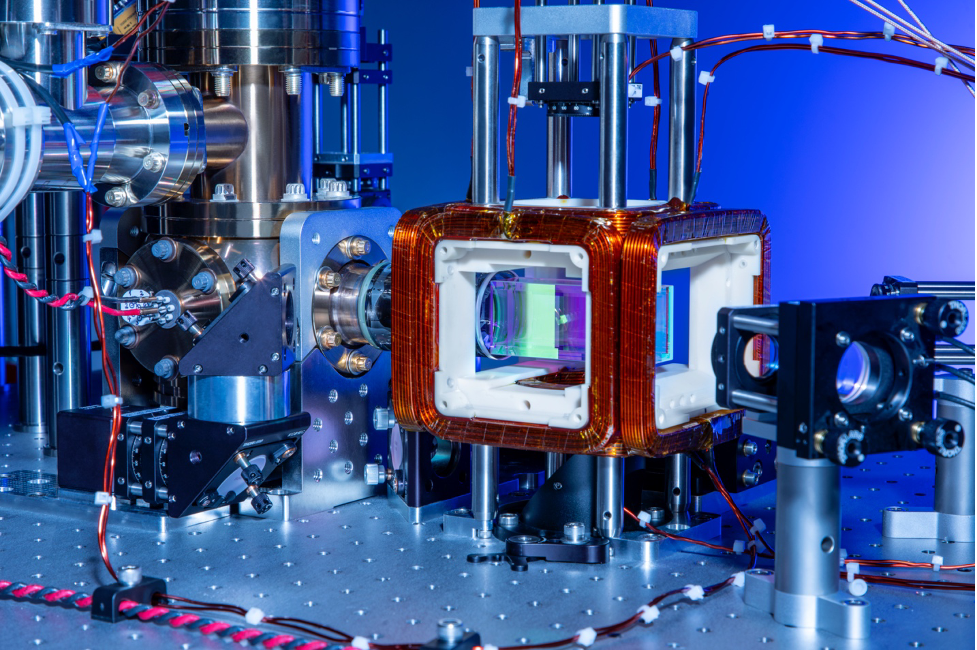
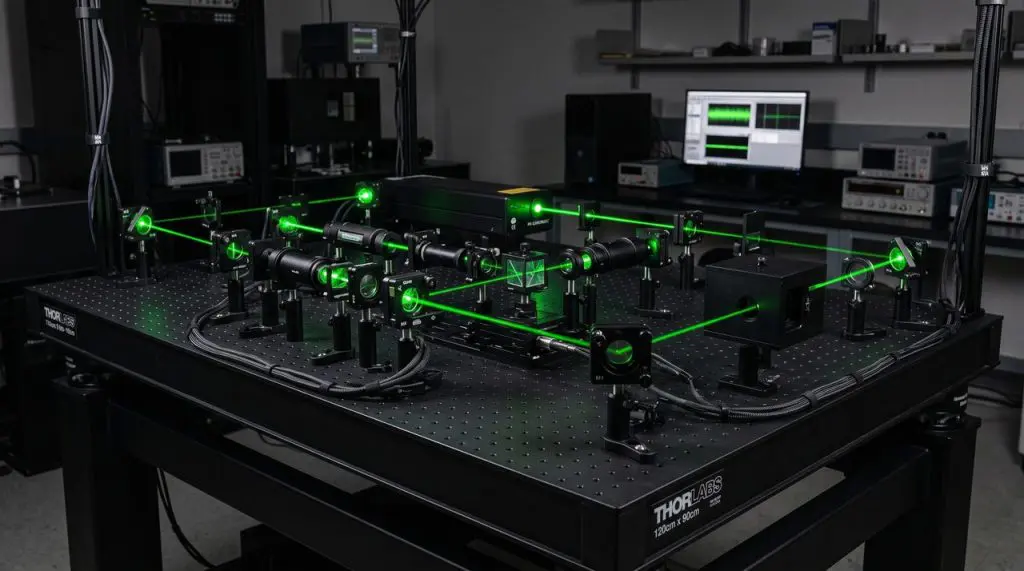
QuEra builds its qubits from neutral atoms: individual atoms held in place by tightly focused laser beams and arranged in large arrays. The atoms can be moved and rearranged during a calculation.
Other companies use superconducting circuits, trapped ions, or particles of light. Every quantum startup has to explain two things: what its milestone means, and why its approach is the right one. Most audiences have never seen either explained clearly.
QuEra's Record Year
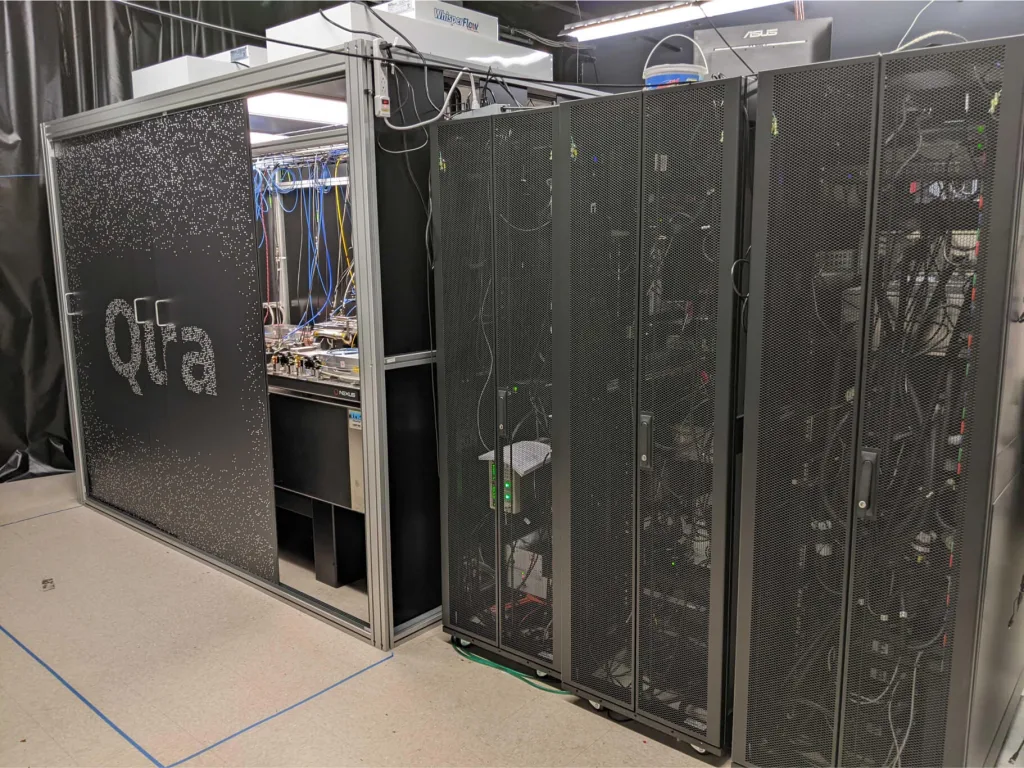
QuEra's neutral-atom technology came out of research at Harvard and MIT. In 2025, the company had what it called a record year, according to its year-end release:
- Funding: More than $230 million in new financing, led by Google Quantum AI and SoftBank Vision Fund 2, with a strategic investment from NVIDIA's NVentures
- Research: Four papers in Nature, including a 3,000-qubit array that ran continuously for over two hours
- Deployment: Its first on-site installation, at Japan's AIST, where a QuEra system operates alongside the ABCI-Q supercomputer
Another of those papers showed algorithms running on up to 96 logical qubits, with error rates that improved as the system grew.
These are major milestones. But each one needs a physics background to fully appreciate.
The Competition Comes From Inside the City

For Boston quantum startups, the toughest competition for attention is often next door.
Harvard and MIT labs publish breakthroughs constantly. Even QuEra shares the spotlight with its founders' labs at Harvard and MIT, where much of the underlying work began.
Well-funded neighbors make headlines too. In October 2025, Cambridge-based MIT spinout Atlantic Quantum joined Google Quantum AI.
In a city this crowded with quantum news, a milestone that cannot be explained in one sentence gets lost. Investors, partners, and recruits will remember the company that made its progress easy to understand.
What Is Quantum Computing Marketing?
Quantum computing marketing is the work of explaining quantum hardware, error correction, and roadmaps to investors, enterprise buyers, research partners, governments, and future employees. Done well, it relies on clear animation, plain-language summaries of research, and honest timelines rather than vague promises about changing everything.
Its main job is translation. Your audience needs to know what you achieved, why it matters, and what comes next.
3 Ways Boston Quantum Founders Can Turn Milestones Into Stories
These three approaches help Boston and Cambridge quantum startups make complex progress clear.
1. Explain physical vs. logical qubits visually
Words alone rarely make error correction click. Animation does.
A short animation can show individual atoms held by lasers, errors appearing, and groups of qubits working together to catch them. It can show why 256 logical qubits is a very different achievement from 256 physical ones.
Every animation should be reviewed by your physicists before anything is animated. One inaccurate frame can cost you credibility with the technical audience you most need.
2. Translate Nature papers into short videos
A Nature paper is a huge milestone. But most investors and enterprise buyers will never read it.
Turn each paper into a 60-to-90-second video: the problem, what you showed, and why it matters. Then cut shorter clips for LinkedIn and YouTube. Pair each video with a short summary page on your website, so the result is searchable and easy to share.
Put your researchers on camera. A scientist explaining one result in plain language builds more trust than any press release. Conference talks can be repurposed the same way.
3. Show a credible roadmap instead of hype
Quantum has a hype problem. Many buyers have heard big promises before.
Be specific. Show what you have achieved, what comes next, and when. QuEra's Libra announcement included a year, a logical qubit count, and an error rate, which gave audiences concrete targets to follow.
A clear roadmap with dates and numbers earns more trust than claims about revolutionizing every industry. Update it publicly as milestones are met.
Give enterprise buyers a reason to start now. QuEra's chief commercial officer, Yuval Boger, argued that waiting until 2028 to build a quantum strategy is a competitive risk. Content that helps buyers prepare today turns a future machine into a present conversation.
A Simple Milestone Formula
Every quantum milestone can be explained in four parts:
- What we did: One sentence, no jargon
- Why it was hard: The problem in plain language
- What it means: The impact for future applications
- What comes next: The next step on the roadmap
Use this structure in announcement videos, investor updates, and social posts. If someone outside the field can repeat it back, it works.
How Boston Compares to Other Quantum Hubs
This post completes our look at quantum computing across five US hubs. See how founders tell their stories in the Bay Area, New York, Seattle, and Los Angeles.
For the wider Boston ecosystem, read our guide to choosing a deep tech marketing agency in Boston.
Make Your Milestones Clear
Your roadmap is built on logical qubits. Your audience is still learning what a qubit is.
We create explainer animations that make error correction and neutral atoms clear in under 90 seconds, and turn your papers, talks, and milestone announcements into short-form content for investors, partners, and enterprise buyers.
See our work in our case studies, then book a call to see what we would build for your team.

Frequently Asked Questions