Pulling Carbon From the Pacific Without Losing the Public: Ocean Tech Marketing for LA Startups
Ocean carbon removal marketing has a harder job than almost any other climate category: winning public trust before anyone believes the science. For LA's ocean tech startups, that means showing exactly what happens to the water, publishing measurement and verification openly, and telling the founder and lab story before the climate pitch.
This guide looks at two ocean carbon removal companies born in LA university labs, why the sector faces such a steep trust problem, and how Los Angeles carbon removal startups can earn public confidence.
Two Ocean Carbon Startups, Both Born in LA Labs
Two of the most closely watched ocean carbon removal companies started a few miles apart, at Caltech and UCLA.
Pasadena-based Captura was founded in 2021 by Caltech professors Harry Atwater and Chengxiang "CX" Xiang. According to Caltech Magazine, Atwater's son tested the first prototypes in the family's backyard swimming pool.
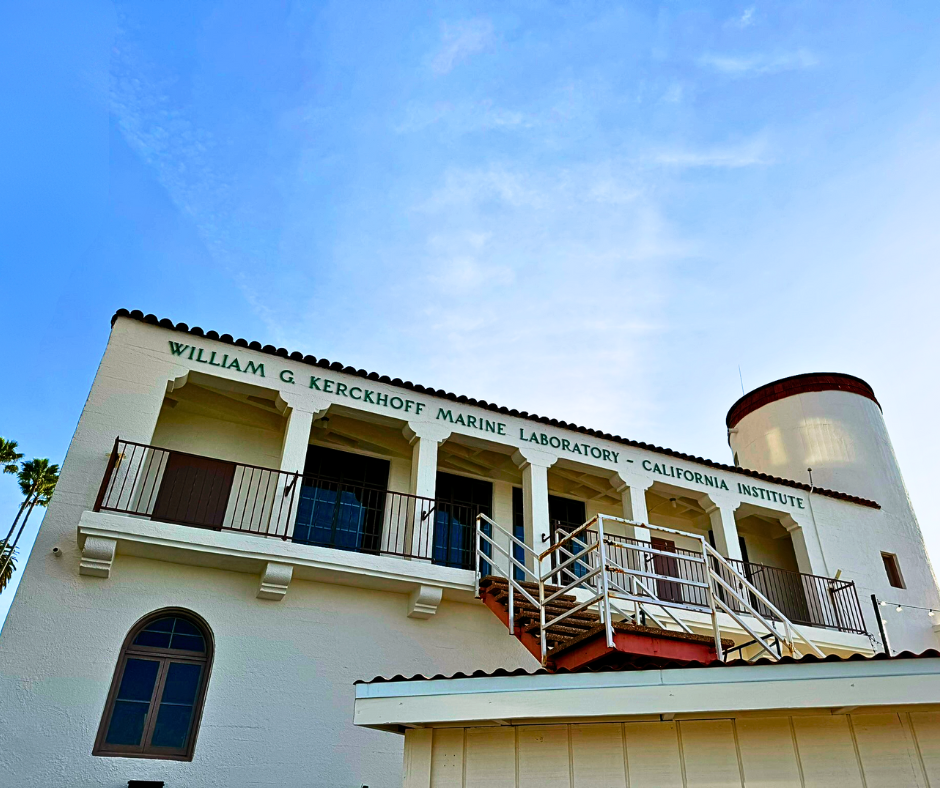
A small prototype then ran at Caltech's Kerckhoff Marine Laboratory in Newport Beach, removing about one ton of CO2 a year. In 2022, Captura won a $1 million award in the XPRIZE Carbon Removal competition.
Few climate companies have an origin story this easy to picture: a professor's family, a backyard pool, and a question about the ocean.
How Captura Works
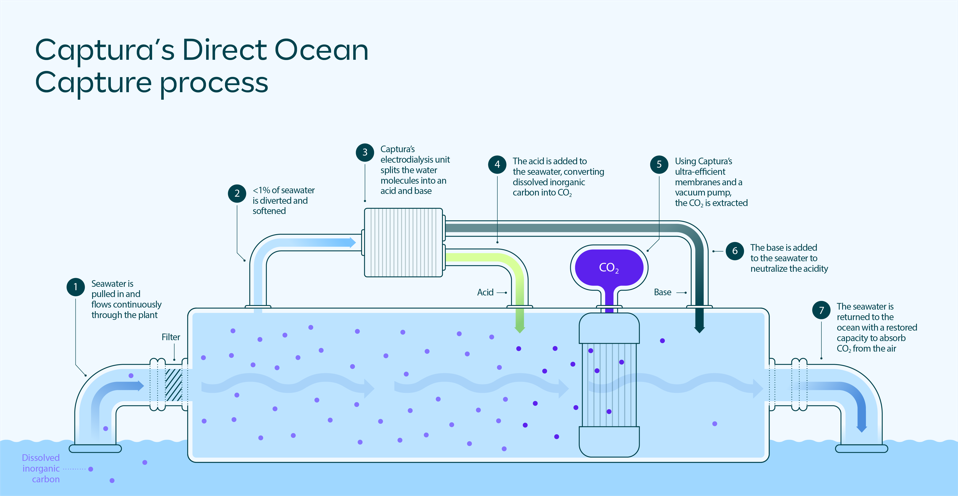
Captura's system uses electricity and special membranes to pull dissolved CO2 out of seawater. It briefly makes a small stream of seawater more acidic, which turns the dissolved carbon into CO2 gas that can be captured and stored.
The water's chemistry is then restored, and it goes back to the ocean able to absorb more CO2 from the air. Captura says its process adds nothing to the ocean and leaves no chemicals or by-products behind.
From Pasadena to Kona
Captura's process has moved well beyond the pool.
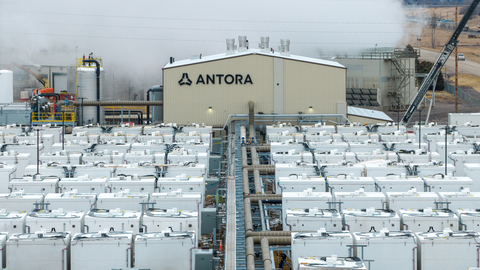
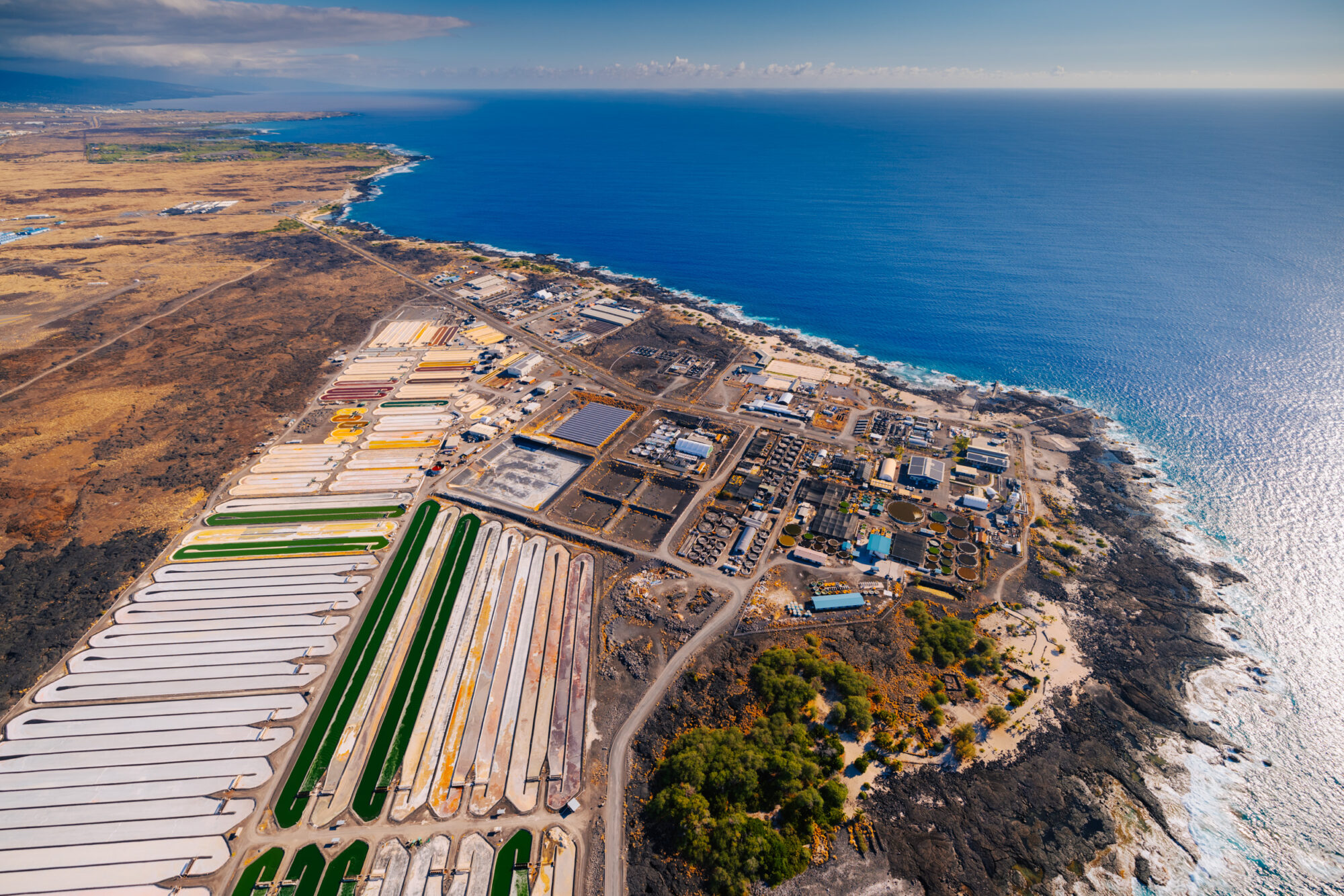
- Pilot: With Equinor, it runs a 1,000-ton-per-year Direct Ocean Capture pilot in Kona, Hawaii.
- Validation: In November 2025, the partners completed a qualification program that tested the system against 20 critical metrics, including safety, removal efficiency, and monitoring, reporting, and verification.
- Funding: On June 25, 2026, Captura closed a $12.5 million first close of its Series B, led by Equinor Ventures, with EDP Ventures, Eni Next, and others joining.
- New markets: It also secured its first purchase orders for electrodialysis stacks used in lithium extraction.
Captura says its Pasadena site is the only US facility producing complete electrodialysis systems. Its first commercial project is designed to capture 30,000 to 50,000 tons of CO2 per year.
Across Town, a UCLA Spinout Goes Big

UCLA spinout Equatic, co-founded by professor Gaurav Sant, takes a related electrochemical approach that also produces hydrogen.
In April 2023, it launched pilots at the Port of Los Angeles and in Singapore, each removing about 100 kilograms of CO2 a day. UCLA then announced plans to build what it called the world's largest ocean-based carbon removal plant in Singapore with PUB, the national water agency.
According to The Star, PUB expected the Tuas plant, called Equatic-1, to begin operations in early 2026, starting at 1 tonne of CO2 a day and reaching 10 tonnes a day at full capacity.
Two LA labs, two different technologies, and the same challenge: convincing people that changing seawater chemistry is safe.
Ocean Carbon Removal's Trust Problem
Ocean carbon removal faces a trust problem few other climate sectors share.
Mention "changing ocean chemistry" and many people hear "geoengineering." When Woods Hole Oceanographic Institution planned the first ocean alkalinity field trial in US waters, fishers and environmental groups pushed back, and Mongabay called it controversial even though NOAA Fisheries described the expected impact as insignificant.
Investors raise a second question. When Captura's Hawaii pilot launched, one E&E News headline called it an oil-backed startup. Energy-company backing brings scale and expertise, but some audiences will assume greenwashing.
In ocean carbon removal, the public needs to see what happens to the water before they'll believe what happens to the carbon.
What Is Ocean Carbon Removal Marketing?
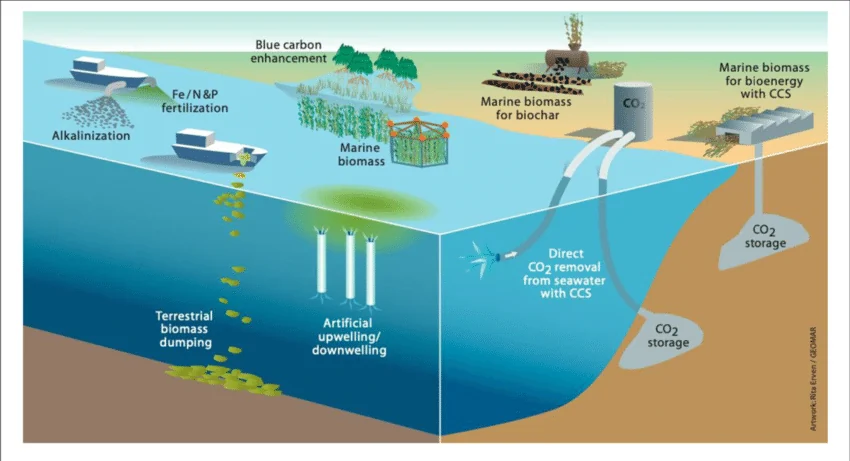
Ocean carbon removal marketing is the work of explaining how marine carbon dioxide removal works, what it does to seawater and marine life, and how removal is measured. Its audiences include carbon credit buyers, investors, regulators, scientists, and coastal communities.
Done well, it relies on clear process animation, open data, and scientists on camera rather than broad climate promises.
3 Ways LA Ocean Tech Startups Can Earn Public Trust
These three approaches help Los Angeles carbon removal startups build trust with buyers, regulators, and the public.
1. Show exactly what happens to the water
Most people's first question is simple: what are you doing to the ocean?
Answer it visually. A short animation can follow seawater step by step: in from the ocean, through the system, CO2 removed, chemistry restored, and back to the sea. Show what goes in, what comes out, and what never touches the water.
Pair it with real footage of your intake, tanks, and outflow, so viewers see the hardware matches the diagram.
Every animation should be reviewed by your scientific team before anything is animated. One inaccurate frame can undo months of credibility.
2. Publish measurement and verification openly
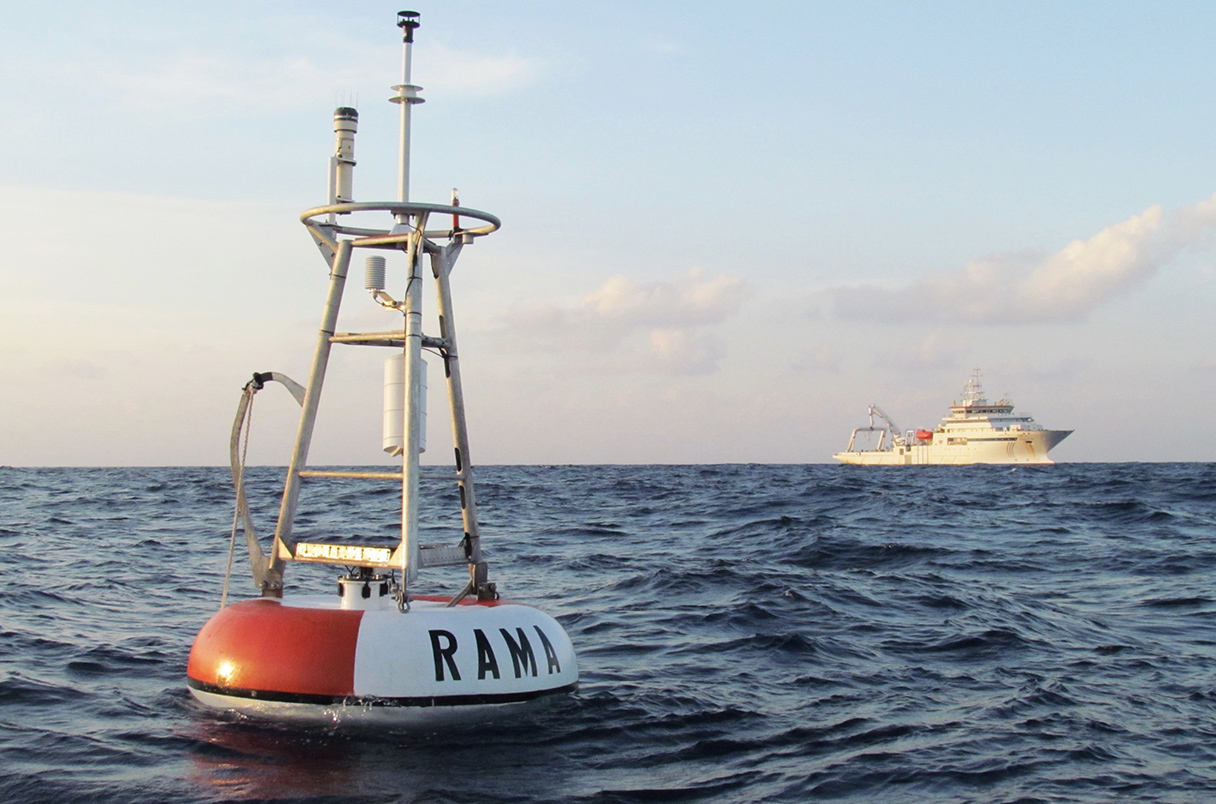
Carbon buyers and regulators want proof that removal is real, measurable, and lasting. Coastal communities want proof that marine life is safe.
Equatic, for example, says it uses continuous real-time monitoring and periodic lab testing at its Singapore plant. Turn that kind of monitoring into content: short videos explaining what you measure, how often, and who checks it.
Share uncertainty too. Explaining what you are still studying sounds more credible than claiming every question is answered.
3. Tell the founder and lab story before the climate pitch
Big climate claims make people skeptical. Curious scientists make people listen.
Start with the people: professors testing an idea, a prototype in a backyard pool, a marine lab on the Orange County coast. Then explain the climate impact. A story that starts with curiosity earns more trust than one that starts with a promise to fix the planet.
Short founder clips, lab tours, and researchers explaining one idea at a time work well on LinkedIn, YouTube, and at conferences.
Address Your Investors Before Critics Do
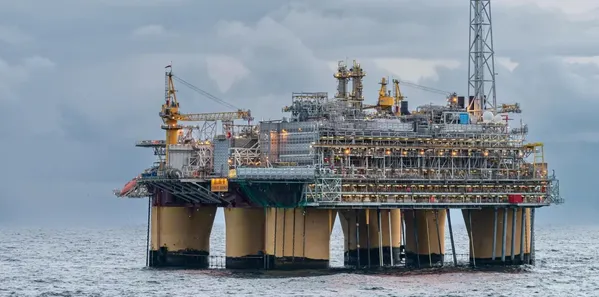
If your investors include energy companies, say so plainly and explain why.
Energy companies bring offshore engineering, operating experience, and the capital to scale. Explain what each partner brings, what they do not control, and how your data is checked. Avoiding the subject lets critics tell the story for you.
Ocean Carbon Removal Across Two Coasts
LA's ocean carbon startups share a credibility challenge with New York's nature-based carbon companies. Our guide to how NYC nature tech startups make carbon credible again shows how measurement and field teams build trust on land.
For the wider LA climate scene, read The 2028 Countdown. And before you publish any removal claim, see our guide on how to avoid greenwashing in climate tech marketing.
Show the Water First
In ocean carbon removal, the public needs to see what happens to the water before they'll believe what happens to the carbon.
We create explainer animations that show your process step by step, reviewed by your scientific team, and turn your pilot footage and research milestones into short-form content that builds trust with buyers, regulators, and coastal communities.
See our work in our case studies, then book a call to see what we would build for your team.

Frequently Asked Questions