Trees on a Spreadsheet: How NYC Nature Tech Startups Make Carbon Credible Again
Nature tech marketing works when beautiful footage comes with proof. For NYC nature tech startups, making carbon credible again means showing the measurement behind the trees, letting farmers and field teams tell the story, explaining verification clearly, and avoiding the claims that have put carbon projects in the headlines for the wrong reasons.
This guide looks at why carbon credits lost trust, how New York nature tech companies are rebuilding it, and how founders can market without looking like greenwashing.
Carbon Credits Have a Trust Problem
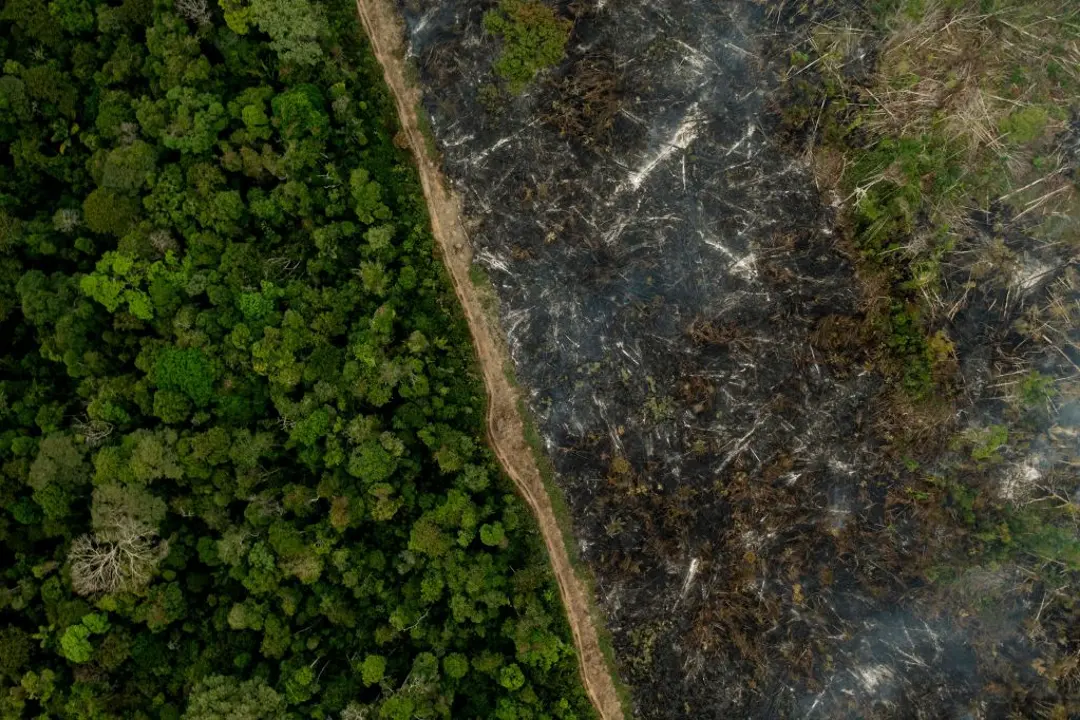
Carbon credits have spent years under a cloud. In January 2023, a nine-month investigation by the Guardian, Die Zeit, and SourceMaterial reported that more than 90% of rainforest offset credits from Verra, the largest certifier, were likely "phantom credits." Verra strongly disputed the findings.
Whatever the details, the damage to trust was real. Buyers, journalists, and the public became skeptical of anything labeled "offset." That skepticism now shapes how buyers evaluate every project, from the first sales call to the final contract.
Today, every nature tech company starts its marketing with a credibility deficit it did not create.
New York's Nature Tech Answer
A new generation of New York nature tech companies is trying to rebuild that trust with data, scale, and transparency.
Chestnut Carbon: forests on former farmland
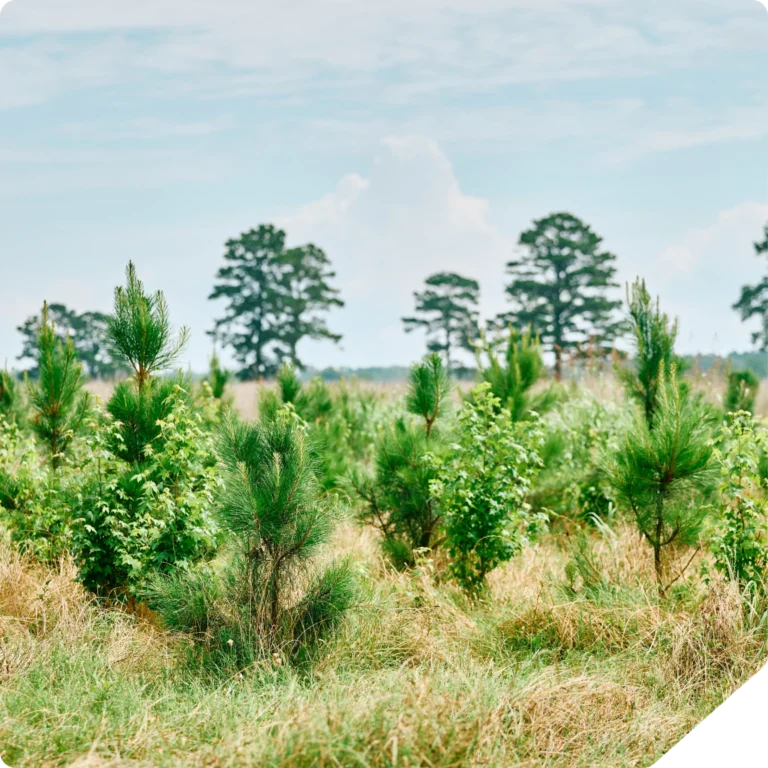
Chestnut Carbon was founded in 2022 with support from energy investor Kimmeridge and issues its announcements from New York. It buys marginal farmland and pasture in the southern US and restores it to native forest, in what it calls the largest Gold Standard afforestation project in the US.
In 2025, it signed a 25-year agreement with Microsoft for more than 7 million tons of carbon removal credits. The deal is expected to restore 60,000 acres with more than 35 million native trees across Arkansas, Texas, and Louisiana. Microsoft's Brian Marrs said it was the company's second-largest offtake agreement in its carbon removal portfolio.
Later that year, Chestnut's Series B reached $250 million after CPP Investments added $90 million, which ImpactAlpha called the largest carbon removal round of the year.
Mitti Labs: cutting methane in rice fields
Mitti Labs, which operates from Bengaluru and New York, uses satellite data and AI to help rice farmers switch to Alternate Wetting and Drying. According to the International Rice Research Institute, the method can cut methane emissions by more than 50% and water use by close to 40%. The company says its programs have saved 500 billion liters of water to date.
In August 2026, Mitti Labs raised a $9.5 million Series A led by Aramco Ventures to expand in India and start new projects in the Philippines and Indonesia.
The Beautiful Footage Problem

Nature tech companies have a visual advantage most climate startups do not. Forests, fields, and farmers look beautiful on camera.
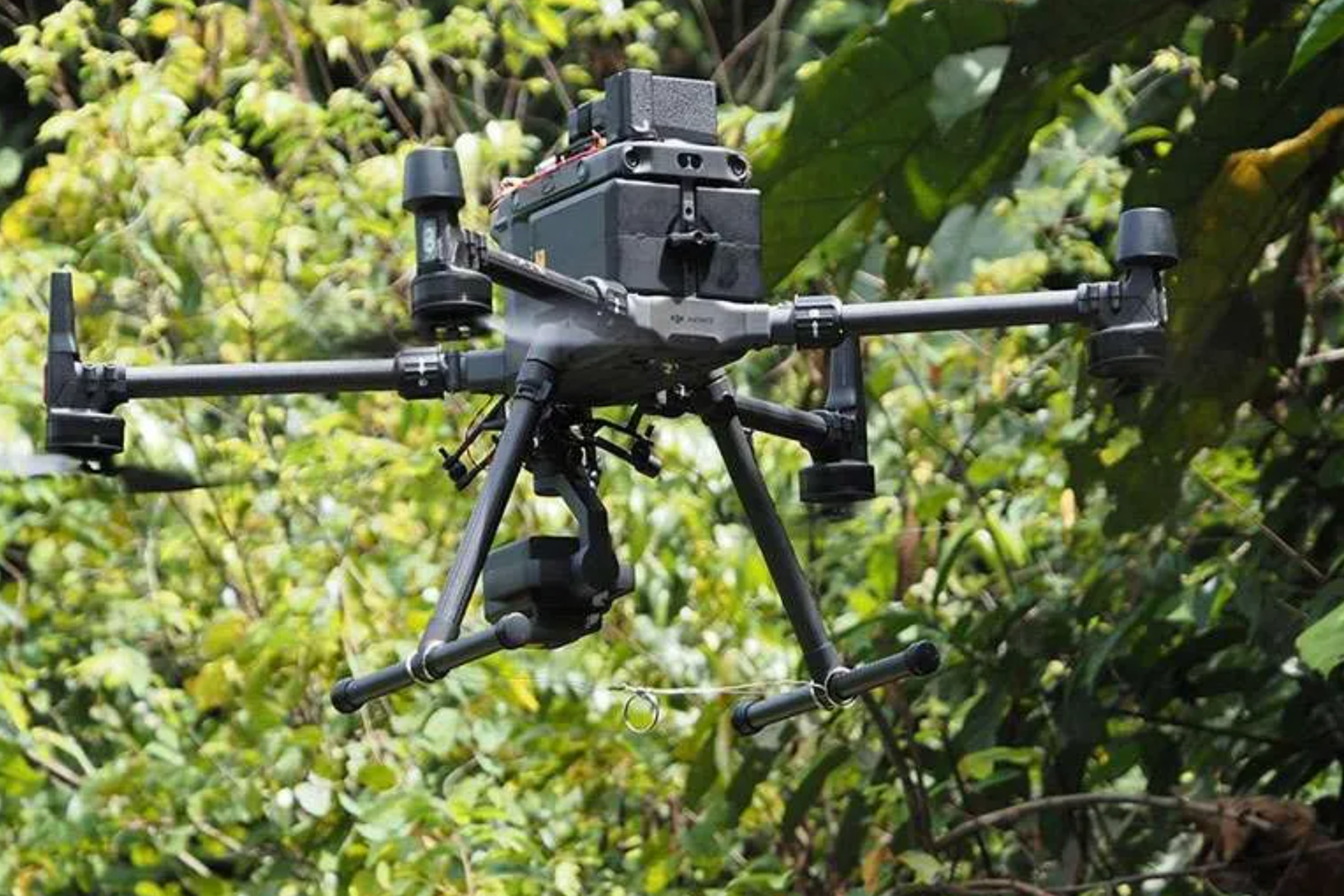
But beautiful footage is exactly what greenwashing looks like too. Drone shots of green canopy and smiling farmers have appeared in plenty of campaigns that later turned out to be weak. Buyers have learned to look past the visuals and ask what sits underneath.
In nature tech, the footage is never the proof. The data behind it is. The companies that win buyers like Microsoft pair the visuals with measurement, verification, and transparent numbers.
What Is Nature Tech Marketing?
Nature tech marketing is the work of explaining nature-based climate solutions, such as reforestation, soil carbon, and methane reduction in agriculture, to credit buyers, investors, partners, and the public. Done well, it combines field footage with clear measurement data, verification details, and the voices of the people doing the work.
Its main job is to separate a credible project from the many that have damaged trust. Every piece of content should make that difference visible.
4 Ways NYC Nature Tech Startups Can Make Carbon Credible
These four approaches help nature tech founders turn beautiful footage into believable proof.
1. Show the measurement behind the trees
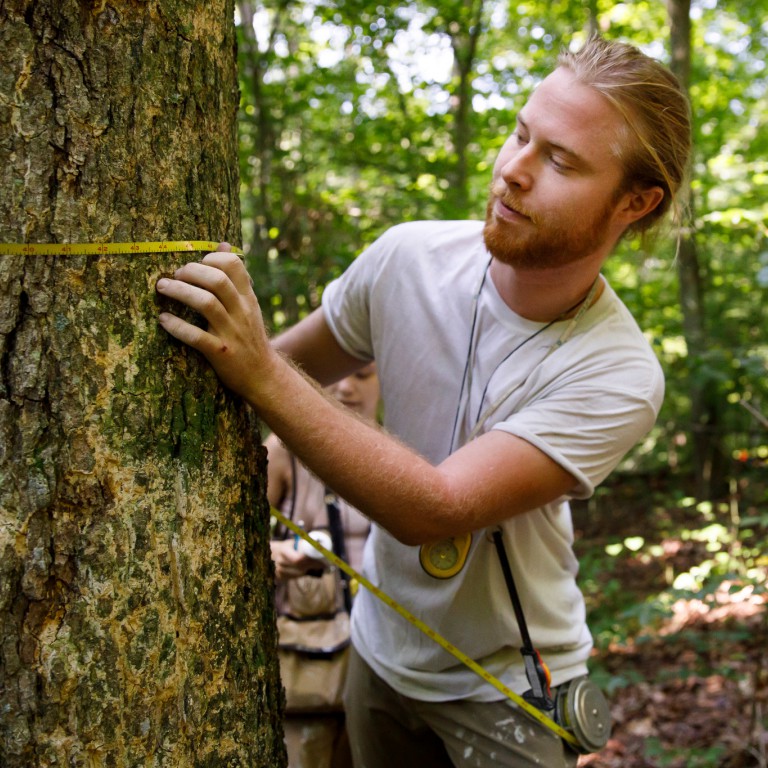
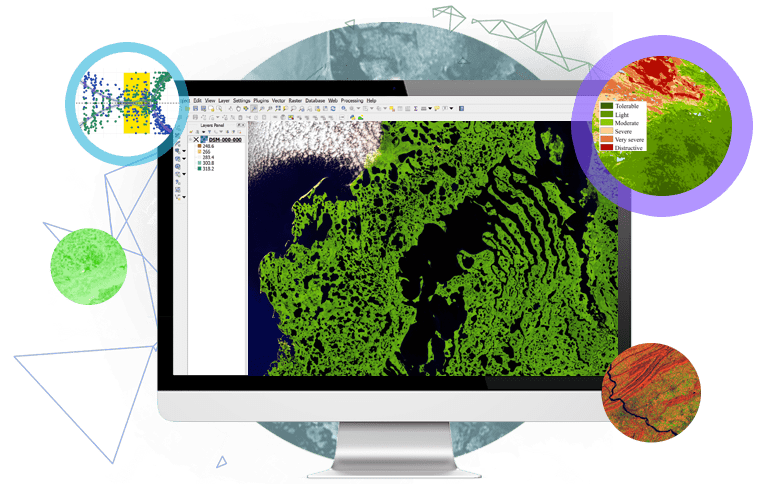
Buyers want to know how you know. Show the satellite imagery, field plots, sensors, and sampling that sit behind every credit.
A short clip of a field team measuring tree growth, or a dashboard showing satellite data over time, tells buyers far more than a drone shot alone. Pair every beautiful image with the number it represents. Update that data over time, so viewers see the project progressing rather than a single snapshot.
2. Let farmers and field teams tell the story
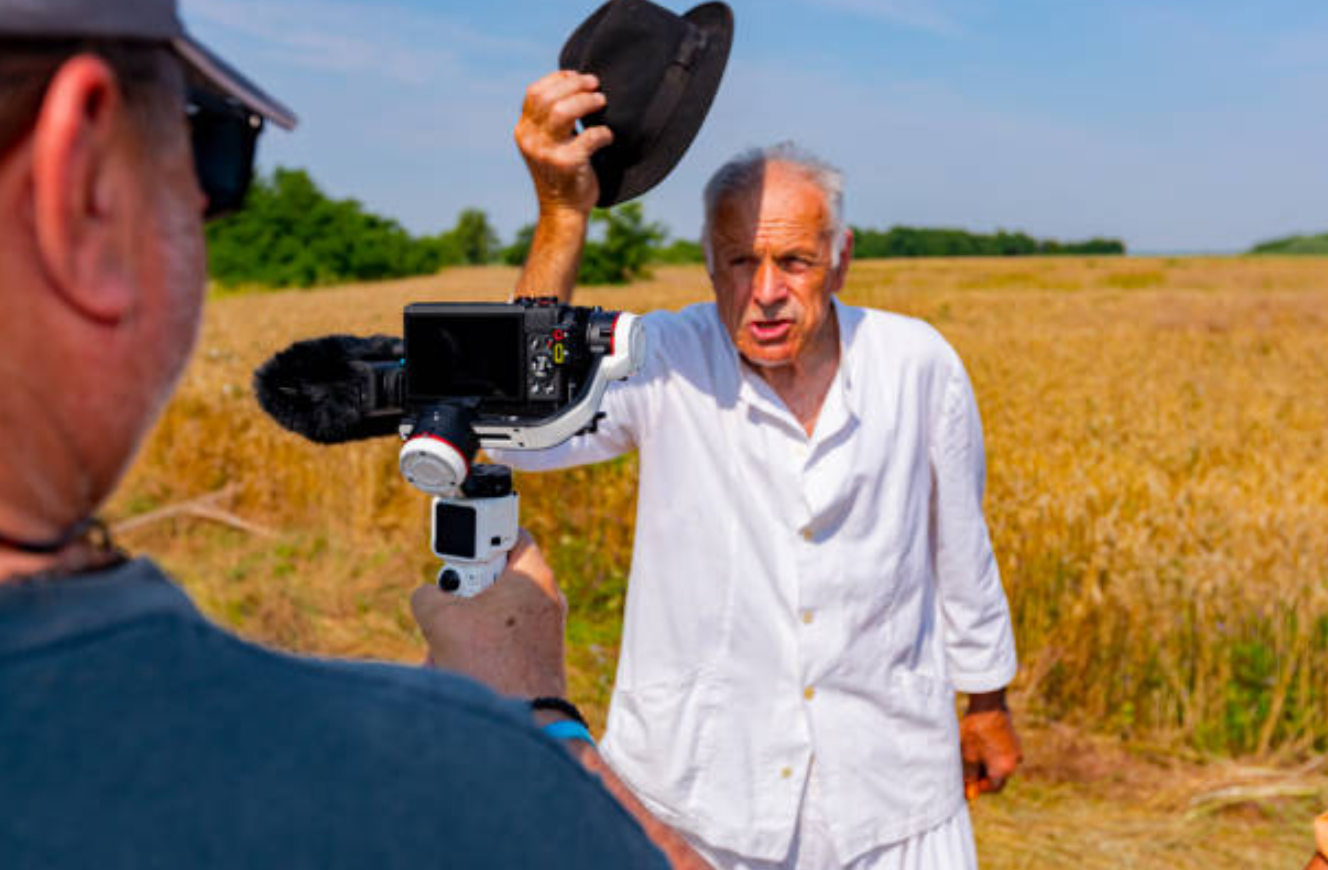
The most credible voices in nature tech are the people on the ground. Landowners, farmers, foresters, and field technicians can explain what changed and why.
For Mitti Labs, that might mean a rice farmer explaining how Alternate Wetting and Drying changed water use on their land. For Chestnut, it might be a landowner explaining why former pasture is now forest.
Always get consent, translate accurately, and avoid scripting people into saying more than they experienced. Short, subtitled clips work well on LinkedIn, where many corporate sustainability buyers follow the market.
3. Explain verification with animation
Most buyers and journalists do not understand how carbon credits are measured, verified, and issued. A short animation can walk through the process step by step.
Show the baseline, the intervention, how carbon or methane is measured, who verifies it, and how credits are issued. Every animation should be reviewed by your science and verification teams before anything is animated. Use the same animation in sales decks, buyer due diligence, and on your website.
4. Avoid the claims that make the wrong headlines
Some phrases attract scrutiny fast. Be careful with broad claims like "carbon neutral," "offset your emissions," or "permanent" unless you can fully support them.
Name your standard, your methodology, and your timeframe. Be honest about uncertainty, such as how long carbon stays stored or how results can vary by field and season. Clear limits make the rest of your claims more believable.
Our guide to avoiding greenwashing in climate tech marketing covers the most common mistakes in detail.
A Credibility Checklist for Every Nature Tech Video
Before you publish, check that each video answers these questions:
- What was measured, and how?
- Who verified it, and under which standard?
- What changed, in numbers?
- Who is speaking, and do they have firsthand knowledge?
- What is still uncertain, and is that stated clearly?
If a video cannot answer most of these, it is a mood piece, not proof. Mood pieces have their place, but they should never carry your credibility alone. Run every script through this checklist before filming, not after.
How NYC Compares to Other Climate Hubs
New York climate founders face a different challenge from those in other cities. Our guide to climate tech marketing in NYC covers how to turn Climate Week attention into lasting visibility.
For other angles on the climate market, see our guides to climate tech marketing in Boston and San Francisco.
Make Your Footage Credible
In nature tech, beautiful footage isn't enough. It has to be credible footage.
We've worked with nature tech companies like +Earth+ and EcoVerify Me. We turn field and project footage into short-form content backed by real data, and create explainer animations that show how your measurement and verification actually work.
See our work in our case studies, then book a call to see what we would build for your project.

Frequently Asked Questions