Ten Minutes to SoFi: How to Market Air Taxis to a City That's Never Ridden One
eVTOL marketing in Los Angeles has an unusual job: selling a ride almost nobody has taken. For LA's urban air mobility companies, that means showing aircraft in real LA settings, using animation to explain safety and noise, and turning public demos into content that builds familiarity long before the first paying passenger.
This guide looks at how air taxis are coming to Los Angeles ahead of the 2028 Olympics, why the marketing challenge is so big, and how founders can make a new kind of travel feel normal.
LA's First Air Taxi Ride Could Come at the Olympics

If everything goes to plan, the 2028 Olympics will be the first time many Angelenos see an electric air taxi up close.
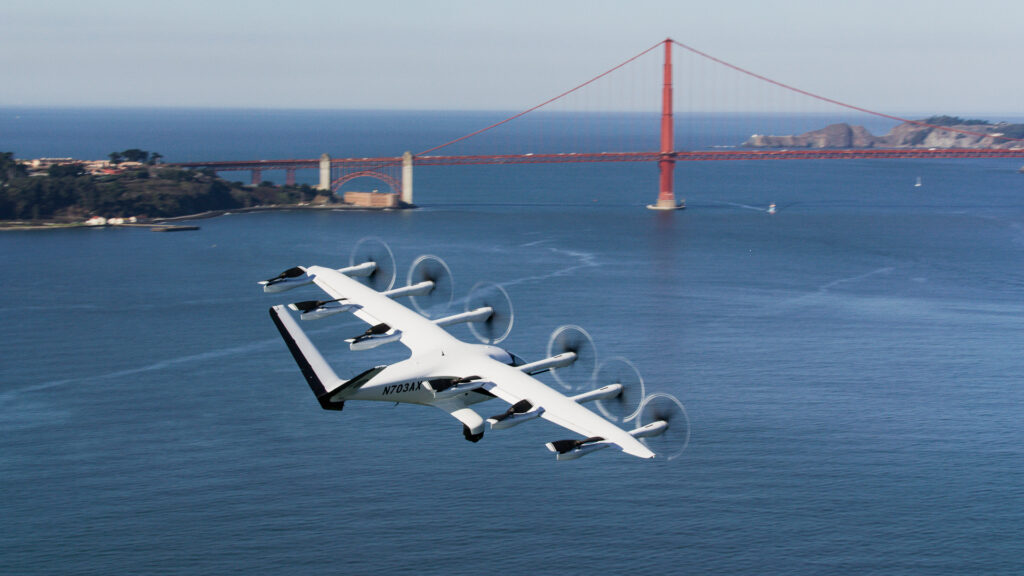
Archer Aviation is the Official Air Taxi Provider for the LA28 Games and Team USA. It is building a planned Los Angeles network around its Midnight aircraft, with stops including SoFi Stadium, USC, and Hollywood Burbank Airport.
In November 2025, Archer bought Hawthorne Airport for $126 million to serve as the central hub for its network. The 80-acre airport sits less than three miles from LAX, and Archer also plans to use it as a testbed for AI-powered aviation technology.
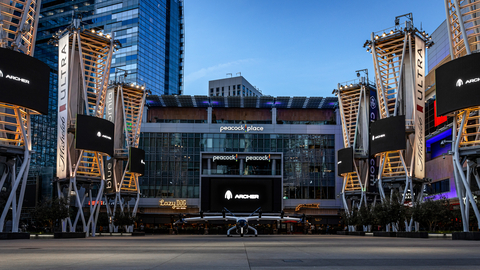
Then, on August 24, 2026, Archer and AEG announced plans for a vertiport at L.A. LIVE, described as downtown Los Angeles' first. The surrounding downtown zone will host 18 Olympic and Paralympic sports.
The partners say a feasibility study covering land use, airspace, power, and community impact is already complete.
The Pitch: 10 to 20 Minutes Instead of an Hour
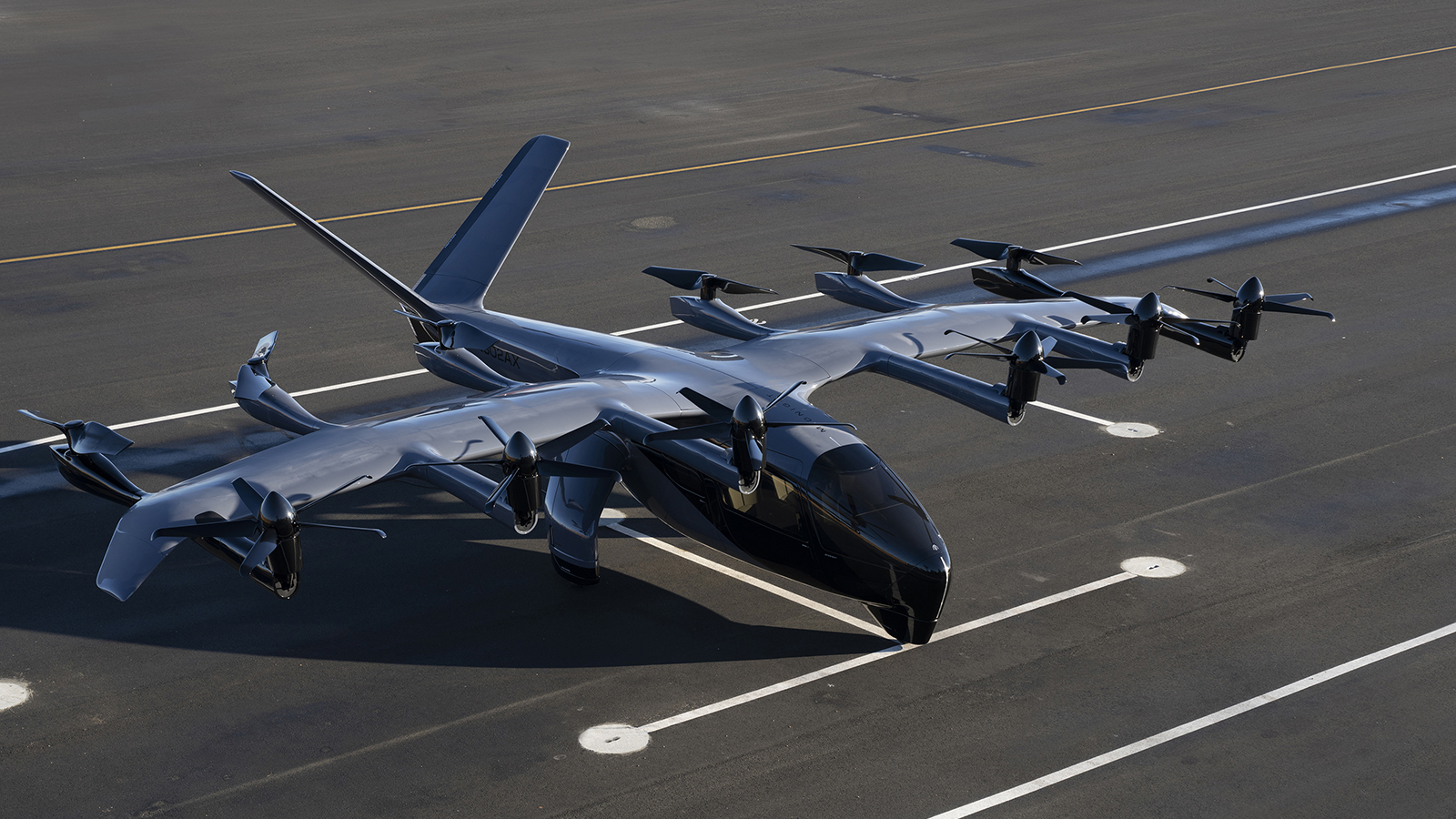
Archer's pitch is simple. It says Midnight can cut trips to 10 to 20 minutes, compared with ground commutes that can take more than an hour.
The company also says Midnight is much quieter than a traditional helicopter and produces zero operating emissions, with redundant systems designed to reach the safety level of commercial airliners.
In a city defined by traffic, a 15-minute trip across town is a powerful promise. But a promise is all it is until people believe it. These claims are exactly what audiences will test once flights begin, so they need to be shown, not just stated.
Selling a Ride Nobody Has Taken
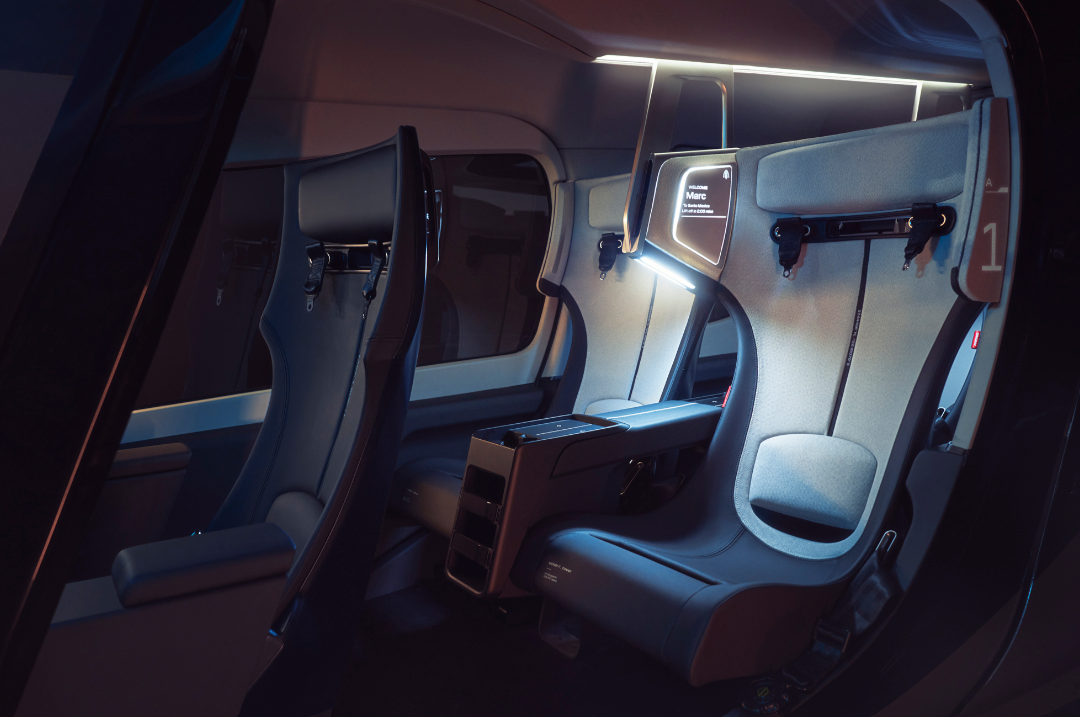
Air taxis are selling a mode of transport the public has never used. And Los Angeles is a city with a long history of frustration over low-flying helicopters.
Before the first paying passenger, eVTOL companies have to win over several audiences at once:
- Regulators who must certify the aircraft and approve operations
- City councils and local officials who shape where vertiports can go
- Residents worried about noise, safety, and privacy over their neighborhoods
- Venue and real estate partners who host vertiports
- Future riders who need to feel safe stepping inside
Each group needs a different reason to say yes. But all of them start from the same place: they have never seen this before.
Certification Is Still Ahead

There is another reason precision matters. Archer still has to complete FAA type certification.
In May 2026, Archer said Midnight had closed Phase 3 of the FAA's four-phase type certification process, Airways Magazine reported. The aircraft is now in Phase 4, where it must show compliance through formal testing and analysis.
That milestone is important, but it is not final certification. Every piece of eVTOL content should describe certification status accurately, so audiences never feel misled later.
What Is eVTOL Marketing?
eVTOL marketing is the work of explaining electric vertical takeoff and landing aircraft, and the networks they will fly, to regulators, cities, communities, partners, and future passengers. Done well, it relies on real aircraft footage, clear animation of safety and noise, and honest milestones rather than sci-fi visions of flying cars.
Its main job is to build familiarity. People trust what they have seen many times, and most have never seen an air taxi at all.
4 Ways to Market a Future Nobody Has Experienced
These four approaches help LA urban air mobility companies build trust before launch day.
1. Show the aircraft in real LA settings
Renders of aircraft over a generic skyline feel like science fiction. Real footage in familiar places feels real.
Film the aircraft at public displays, test sites, and future vertiport locations, with permission. The more often people see the aircraft in places they know, the more normal it becomes. If you use renders, label them clearly as concepts.
Show the scale too: people standing next to the aircraft, or the aircraft parked near familiar landmarks.
2. Use animation to explain safety and noise
Most people's biggest questions are about safety and sound. Animation can answer both clearly.
Show how redundant systems work if one component fails, how the aircraft takes off and lands, and how its sound compares with a helicopter in a way that is accurate and sourced. Every animation should be reviewed by your engineers before anything is animated.
3. Turn public demos into familiarity content
Public displays are some of the best content opportunities in the industry. Archer unveiled its Team USA livery with a Midnight display at L.A. LIVE that was open to the public for two days.
Film the aircraft, the crowds, and people's first reactions. Ask visitors for permission, and capture a few short interviews on the spot.
Cut that footage into short clips for LinkedIn, Instagram, and YouTube, and keep sharing it for months. One public display can become a full season of familiarity content.
4. Speak to neighbors, not just riders
Most air taxi marketing speaks to future passengers. But residents and local officials often decide whether a network gets built.
Create short videos that answer neighborhood questions directly: where flights will go, how loud they will be, and how safety is managed. Put engineers and operations leads on camera, not just executives. Short answers to real questions build more trust than polished brand films.
A Familiarity Plan Before Launch Day
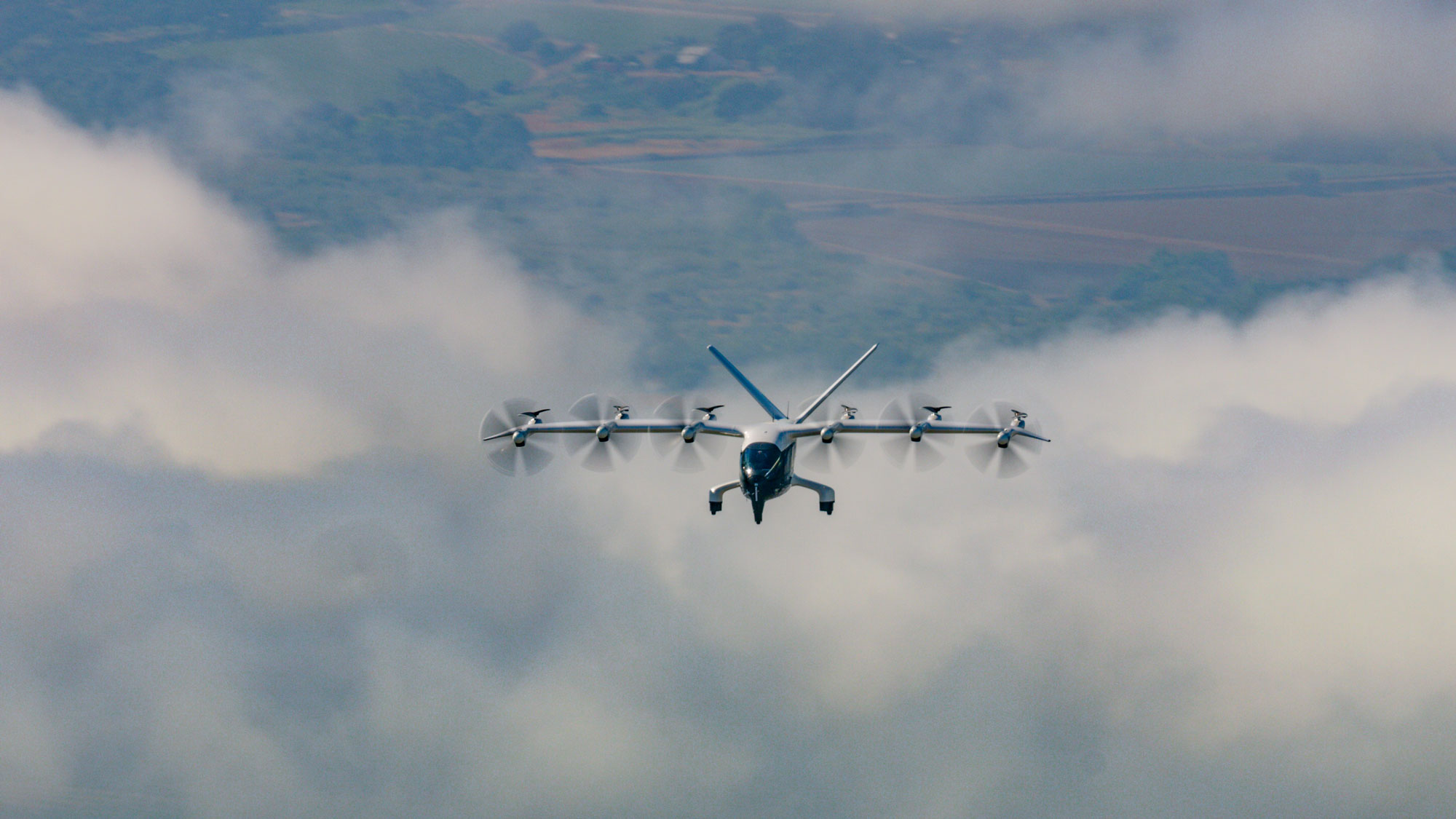
Air taxi companies can build trust step by step on the road to 2028:
- Now: Explainer animations of how the aircraft works and why it is designed to be safe
- Every test flight: Short clips with clear, accurate captions
- Every public display: Crowd footage and first reactions
- Every vertiport announcement: A short video showing the site and what it means for the neighborhood
- Every certification milestone: A plain-language update on what changed and what remains
Each step builds on the last, so by launch day, the aircraft already feels familiar.
Our guide to building demand when your product doesn't exist yet explains why this kind of early content matters so much for hard tech.
More Guides for LA Hard Tech Founders
LA's aerospace and hard tech scene goes far beyond air taxis. See our guide to choosing a deep tech marketing agency in Los Angeles for the wider El Segundo and South Bay ecosystem.
Let LA See It First

People don't trust what they've never seen. Your content is how they see it first.
We turn test flights and public demos into short-form content, create explainer animations that show how your aircraft works and why it's safe, and make pitch films that help you win the city partners shaping LA's skyline.
See our work in our case studies, then book a call to see what we would build for your team.

Frequently Asked Questions