Why Store Electricity as Heat? How Bay Area Battery Startups Should Answer the Question
Battery startup marketing in the Bay Area often comes down to one question: why not just use lithium-ion? For thermal and long-duration storage startups, the answer has to fit in under a minute, and it works best when you compare your technology to what buyers already know, show the factory and real installations, and speak separately to utilities, industrial buyers, and data center operators.
This guide looks at one of the largest climate tech raises of 2026, why storing electricity as heat confuses so many people, and how Bay Area storage founders can explain it clearly.
A $550 Million Bet on Heat
One of the largest climate tech raises of 2026 went to a company that stores electricity as heat.
On July 30, 2026, Bay Area-based Antora Energy closed an oversubscribed $550 million Series C, co-led by G2 Venture Partners and Eclipse. New investors included Ribbit Capital, Salesforce Ventures, and John Doerr.
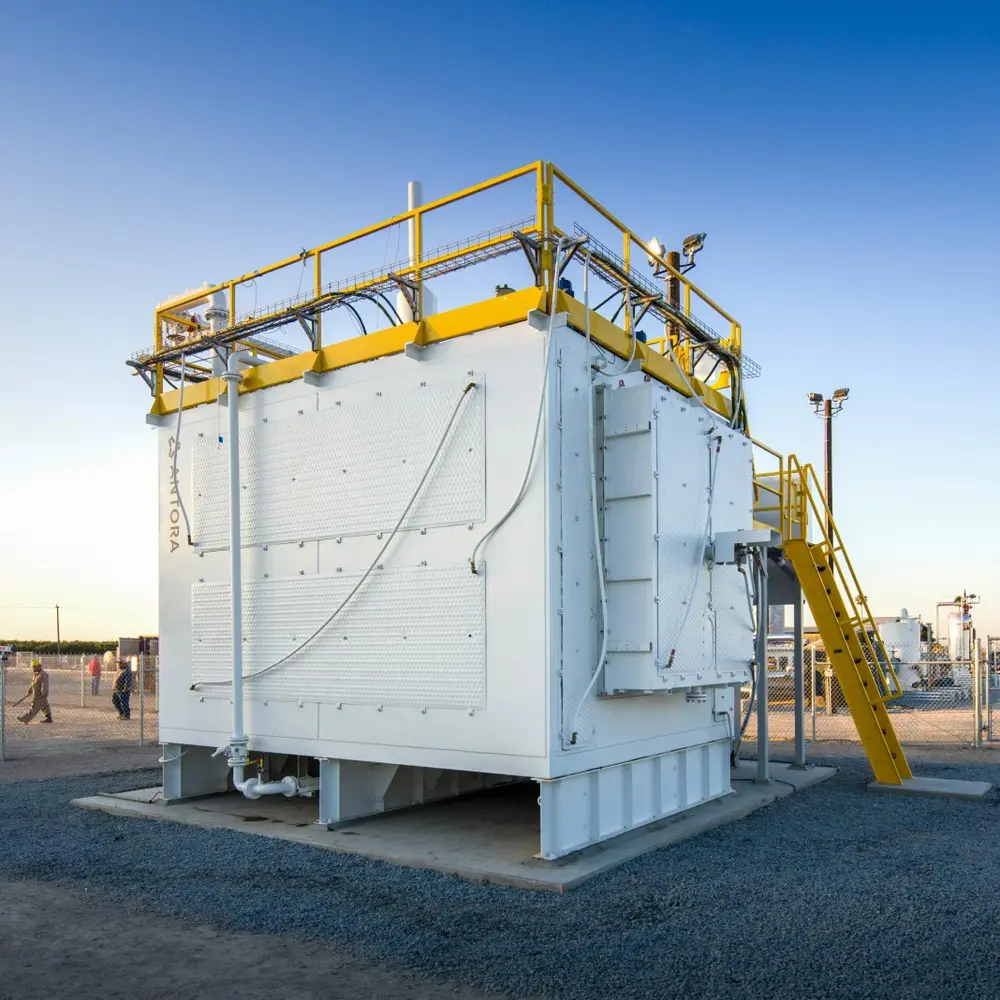
Antora's thermal batteries use electricity to heat solid carbon blocks until they glow white-hot, at temperatures up to 2,400°C. The stored energy can then be delivered as round-the-clock industrial heat or turned back into electricity on demand.
The company has real hardware to point to:
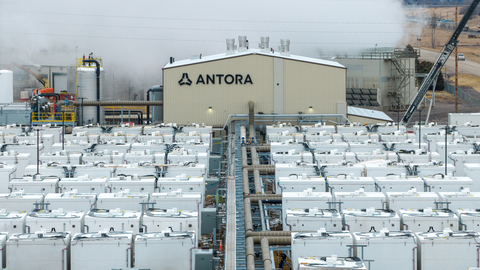
- 2023: It switched on its first commercial-scale system near Fresno and announced a 50,000 square foot factory in San Jose.
- 2026: A 5 GWh system at POET's bioprocessing plant in Big Stone City, South Dakota, went from initial construction to delivering energy in under 12 months.
Antora also received ARPA-E awards in 2019 and 2024. Part of the 2024 award funds a trial with Con Edison, which is looking to decarbonize its New York steam system. The company also plans a second US manufacturing hub.
Investors did not fund a concept. They funded a factory and a 5 GWh project that is already delivering energy.
The Question Every Storage Founder Gets
Every energy storage founder hears the same question in almost every meeting: "Why would that work better than lithium-ion?"
It is a fair question. Lithium-ion is familiar, falling in cost, and everywhere. Anything new has to explain why it deserves a place next to it.
Many founders answer with a technical lecture. By the time they finish, the buyer has stopped listening.
The real answer usually involves heat transfer, industrial process temperatures, storage duration, and cost per kilowatt-hour. Without a clear explanation, a breakthrough sounds like a giant toaster.
The Answer Starts With What the Customer Needs

For thermal batteries, the clearest answer starts with the customer, not the chemistry.
Many factories do not mainly need electricity. They need heat. According to the International Energy Agency, heat makes up about two-thirds of industrial energy demand and almost one-fifth of global energy consumption, mostly supplied by burning fossil fuels.
A thermal battery can store cheap electricity when it is abundant and deliver heat directly to those processes, over many hours or days. Some systems can also convert that heat back into electricity, which opens the door to grid and data center customers. Antora says its systems use safe, abundant materials and avoid supply-constrained critical minerals.
That is not a claim that thermal storage beats lithium-ion everywhere. It is a claim that it fits a different job. Clear marketing makes that job obvious.
What Is Energy Storage Marketing?
Energy storage marketing is the work of explaining how a storage technology works, what problem it solves, and why it is the right fit for a specific customer. Its audiences include utilities, industrial buyers, data center operators, investors, and policymakers. Done well, it relies on clear animation, real installation footage, and specific numbers rather than broad climate claims.
Its main job is positioning. Buyers need to understand exactly where your technology fits compared with lithium-ion, gas, and other storage options.
3 Ways to Answer "Why Not Lithium-Ion?" in Under 60 Seconds
These three approaches help Bay Area storage founders answer the question quickly and credibly.
1. Compare your technology to what buyers already know
Start with a familiar reference point. For an industrial buyer, that may be the gas boiler they use today. For a utility, it may be the four-hour lithium-ion batteries already on their grid.
Then explain the difference in one or two sentences: what your system stores, how long it stores it, and what it delivers. A short animation can show energy flowing in, being stored, and flowing out as heat or power. Every animation should be reviewed by your engineers before anything is animated.
Avoid comparisons you cannot defend. If you say cheaper, say compared with what, and under which conditions.
2. Show the factory and real installations
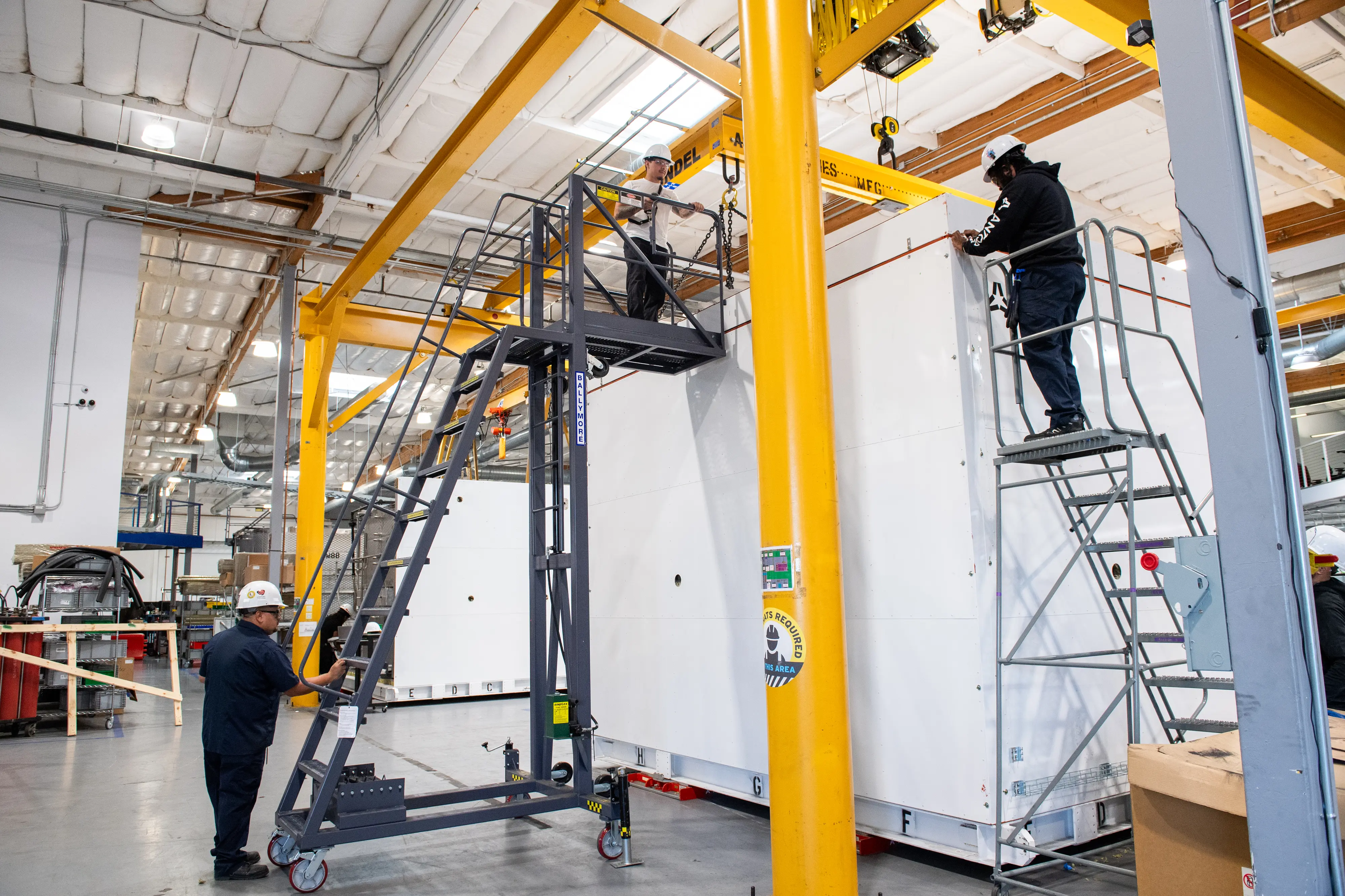
Renderings make storage look theoretical. Real footage makes it feel inevitable.
Film the factory floor, the modules being built, and the installations in the field. A clip showing a project going from empty ground to delivering energy in under a year is powerful proof for every audience. Include the people too: engineers on the line, installers in the field, and customers explaining why they chose you.
Return to the same sites over time. A series of updates from one project builds more trust than a single launch video.
3. Speak separately to each buyer
Different buyers care about different things. One generic video rarely convinces all of them.
- Industrial buyers want reliable heat at the right temperature, at a lower cost than fuel
- Utilities and grid operators want flexibility, duration, and proven performance
- Data center operators want fast, large-scale power that does not wait years for grid upgrades
- Investors want manufacturing scale, deployment speed, and signed customers
Create a short version of your story for each. The core explanation stays the same, but the proof and the language change. Data center buyers are a fast-growing audience for storage companies, and they move quickly when the story is clear.
A One-Minute Explainer Structure

Most storage startups can answer "why not lithium-ion?" with a simple five-part structure:
- The problem: What the customer needs, such as round-the-clock industrial heat
- How it works: One clear sentence and a short animation
- Why it fits: The job your technology does better than the alternatives
- The proof: A real installation, a number, or a customer
- What's next: Your next milestone or deployment
Use this structure in your pitch film, your website, and your sales decks. One consistent explanation, repeated everywhere, is how a new technology starts to feel familiar. Test it on someone outside the industry, and if they can repeat it back, it works.
Learn From Other Storage and Climate Companies
Other storage companies have faced the same question. Our look at how Form Energy made rust a feature shows how a simple story can sell an unusual chemistry.
Bay Area storage founders also share challenges with the region's other climate companies, as we cover in our guide to climate tech marketing in San Francisco.
Answer the Question Before It's Asked

Every storage founder gets the same question: why not lithium-ion?
We create explainer animations that answer it in under a minute, and turn your factory footage, pilot installs, and conference talks into short-form content that speaks to utilities, industrial buyers, and investors.
See our work in our case studies, then book a call to see what we would build for your team.

Frequently Asked Questions