The Ghost of 'Whoops': Why Nuclear Energy Marketing in Seattle Starts With an Old Scar
Nuclear energy marketing in Seattle starts with a memory most founders would rather avoid. For Washington's advanced nuclear companies, earning trust means explaining clearly how new reactor designs differ from the old ones, showing real construction progress instead of renderings, and facing the state's nuclear past directly rather than hoping people forget it.
This guide looks at Washington's nuclear scar, the comeback happening four decades later, and how Seattle-area nuclear startups can win back public trust.
Washington's Nuclear Scar
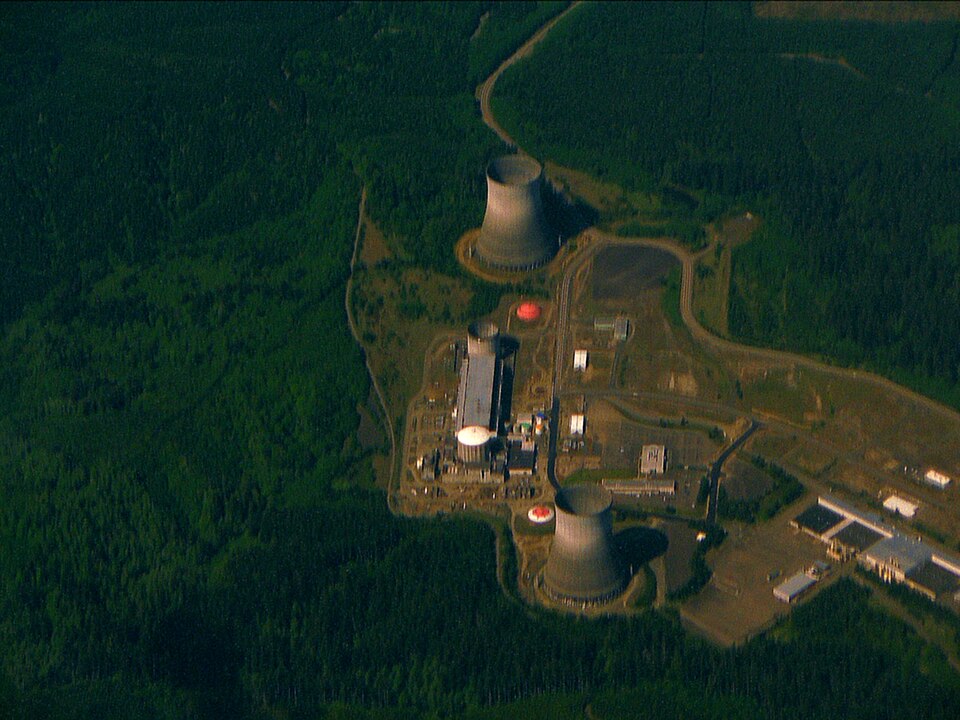
In the 1970s, Washington planned five large reactors at Richland and Satsop. The agency behind them was the Washington Public Power Supply System, known as WPPSS and pronounced "Whoops."
Cost overruns and construction problems led to a 1983 municipal bond default, which the Washington State Standard calls one of the biggest in Wall Street history. Only one reactor was ever finished: today's Columbia Generating Station near Richland.
The failure shaped how a generation of Northwest residents, utilities, and investors think about nuclear costs.
The agency renamed itself Energy Northwest in 1998, partly to shed the stigma. For many people in the Northwest, "nuclear" still starts with "Whoops."
Four Decades Later, a Comeback
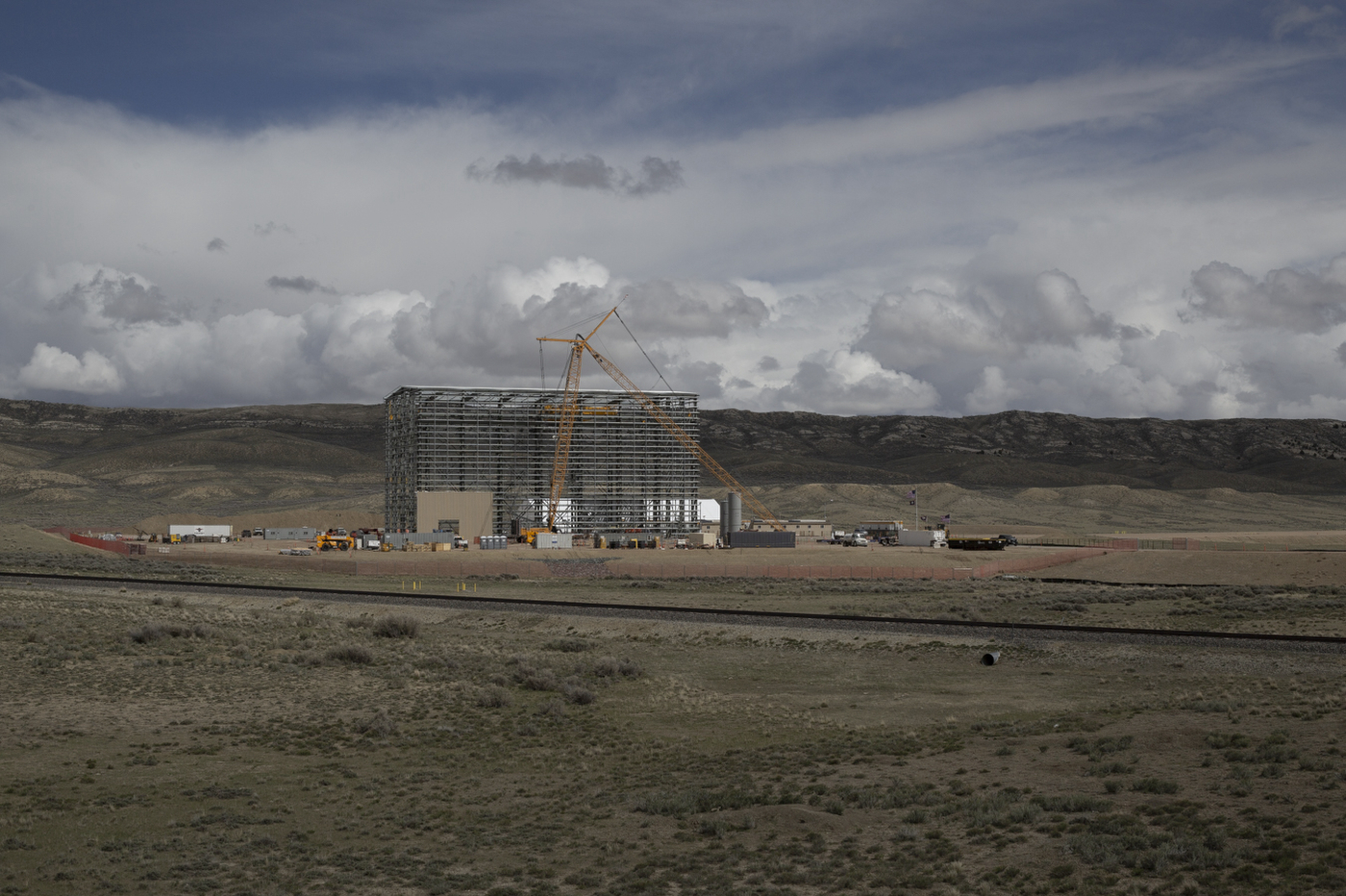
Today, the Seattle area is home to the most closely watched advanced reactor company in the country.
Bellevue-based TerraPower, founded by Bill Gates, won NRC approval for its Natrium construction permit on March 4, 2026. POWER Magazine called it the first commercial non-light-water reactor approved for construction in over 40 years. The technical review took less than 18 months, nine months faster than first estimated.
NRC Chairman Ho Nieh called it "a historic step forward for advanced nuclear energy in the United States."
TerraPower began construction at Kemmerer, Wyoming, on April 23, 2026. The plant is a 345 MW sodium-cooled fast reactor with molten salt storage that can push output to 500 MW when demand peaks.
Demand is following. In January 2026, Meta signed an agreement for up to eight Natrium plants to supply up to 2.8 GW of carbon-free power, with storage that can boost output to 4 GW. Initial units could be delivered as early as 2032.
Closer to home, Energy Northwest, X-energy, and Amazon are planning the Cascade Advanced Energy Facility near Richland. The first four small modular reactors would produce about 320 MW, and Amazon has invested $500 million in early development, according to Axios Seattle.
Fittingly, the Cascade project is planned at the site of WPPSS Reactor No. 1, one of the plants that was never finished. Construction is tentatively set for the end of this decade, and the facility could later expand to 960 MW.
The Marketing Problem: Memory
Here is the challenge. The strongest nuclear story in Washington is being built in another state, and the state's own nuclear story starts with a default.
That leaves Seattle nuclear founders fighting two battles at once. They have to explain complex new technology, and they have to overcome a local memory of cost overruns and broken promises.
Nuclear's biggest marketing problem in Washington isn't physics. It's memory. Every investor, utility, and resident brings that history into the room.
That memory is not irrational. It is a lesson about cost, schedule, and trust, and audiences want to know the lesson was learned.
What Is Nuclear Energy Marketing?
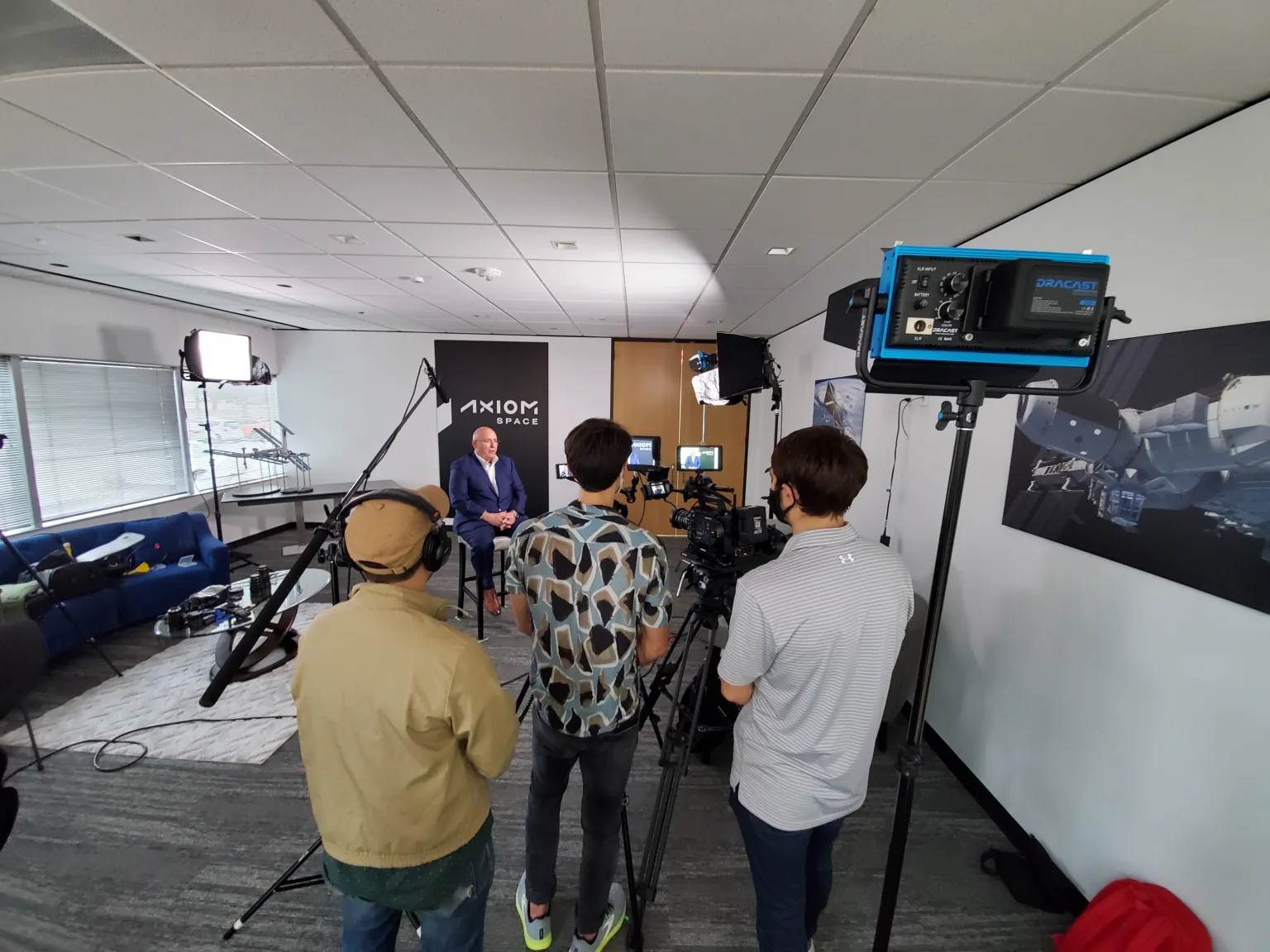
Nuclear energy marketing is the work of explaining reactor technology, safety, costs, and progress to investors, utilities, regulators, communities, and engineers. Done well, it relies on clear animation, documented milestones, real construction footage, and engineers on camera rather than slogans.
In Washington, it also means addressing the past honestly. Avoiding the history makes audiences wonder what else is being avoided. It also means using the same numbers and timelines in a pitch deck, a public meeting, and a short clip.
3 Ways Seattle Nuclear Startups Can Earn Trust
These three approaches help Seattle-area nuclear founders build trust with audiences who remember the last time.
1. Explain how new designs differ from the old ones
Most people picture nuclear as large towers and huge projects. Advanced designs work differently, and that difference is the heart of your story.
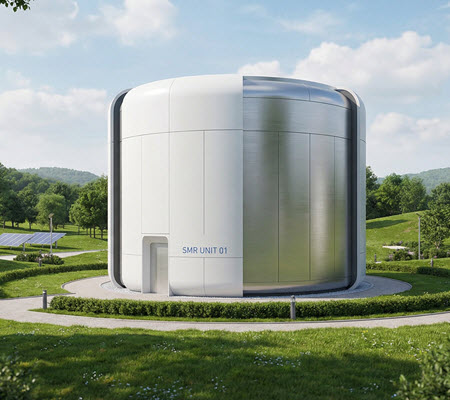
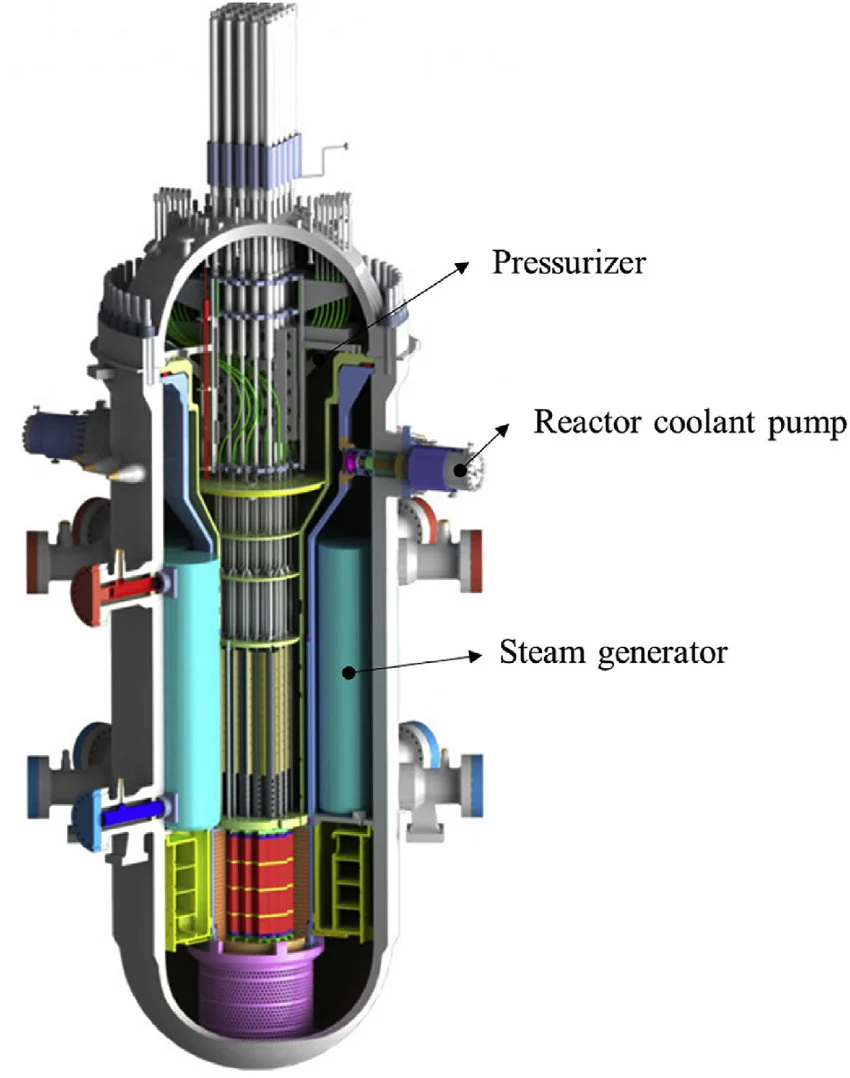
A short animation can show how a sodium-cooled reactor works, how molten salt storage lets a plant boost output when demand peaks, or how small modular reactors are built in repeatable units. Every animation should be reviewed by your engineers before anything is animated. Use the same animation in investor meetings, utility presentations, and community sessions.
Be specific about what changed. Smaller units, factory-built components, and new cooling approaches answer the question people are really asking: why will this time be different?
2. Show real construction progress, not renderings
Renderings are where WPPSS lived for years. Real construction is what builds trust now.
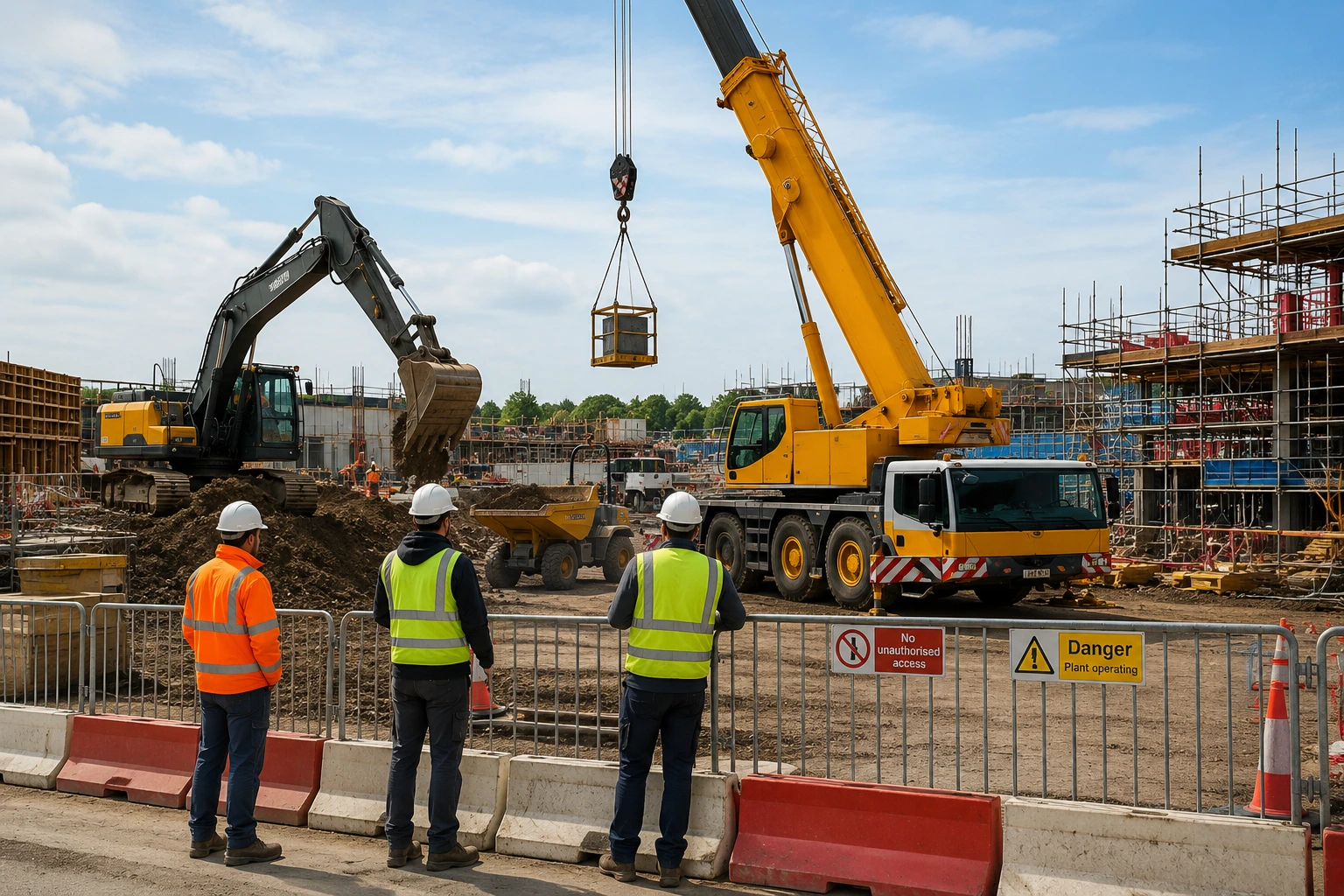
Film the site regularly: excavation, foundations, deliveries, cranes, and the workers on the ground. TerraPower expects about 1,600 workers to be mobilized for construction at Kemmerer, and every one of them is part of a visible story. Include the community too: local hires, suppliers, and the town around the site.
Show progress on a schedule. A short monthly site update proves the project is moving and gives investors, utilities, and communities a reason to keep watching.
3. Recruit engineers for a decade of building
Advanced nuclear needs engineers, operators, and technicians for years. TerraPower's Kemmerer plant is not expected to finish construction until 2031.
In the Seattle area, those engineers can also work at Amazon, Microsoft, Boeing, or the region's fusion companies. Recruiting videos should show the reactor, the mission, and the people, and make clear this is a career, not a short project.
Short clips of engineers explaining what they build work well on LinkedIn and at university recruiting events.
Address the Past Directly
Many nuclear companies avoid their region's history. In Washington, that is a mistake.
Name WPPSS when it is relevant, then explain what is different now: modular designs, clearer milestones, stronger partners, and more transparent progress. A company that acknowledges the past sounds more trustworthy than one that pretends it never happened.
Use cost and schedule honesty as a differentiator. Share timelines, explain risks, and update people when plans change. A short video that explains the history plainly, then shows what has changed, can do more than years of avoiding the subject.
How Seattle Compares to Other Energy Hubs
Washington's energy story now spans fission and fusion, from TerraPower and X-energy to Helion and Zap Energy. For a closer look at how fusion companies tell their story, read our Helion vs. Commonwealth Fusion comparison.
LA's South Bay microreactor startups face a similar trust challenge from a different starting point. Each region's history shapes the story it has to tell. For the wider region, see our guide to choosing a deep tech marketing agency in Seattle.
Turn Memory Into Momentum
Nuclear's biggest marketing problem isn't physics. It's memory. Clear progress, shown often, rewrites that story.
We've worked in this space before, repurposing keynote footage from Shine Technologies founder Greg Piefer into short-form clips. We create explainer animations that show exactly how your reactor works and why it's different, and turn every permit, construction milestone, and conference talk into short-form content that keeps your progress visible to investors, utilities, and recruits.
See more of our work in our case studies, then book a call to see what we would build for your team.

Frequently Asked Questions