Satellites Made in Brooklyn: Space Tech Marketing for New York's Unlikely Hardware Scene
Space tech marketing in NYC starts with a surprise: most people don't know satellite hardware is built here at all. For New York space startups, the answer is to turn location into an asset by showing the factory floor, explaining the hardware with animation before it ever flies, and recruiting engineers who didn't know NYC had space jobs.
This guide looks at a Brooklyn startup building giant solar arrays for orbit, why a New York address needs a story, and how NYC space founders can make that story work for them.
Space Hardware, Made in Brooklyn

New York is not where most people expect space hardware to be built. Beyond Reach Labs is betting that's an advantage.
The company was founded in 2023 and joined Y Combinator's Winter 2026 batch. In July 2026, it raised a $10 million seed round led by Interlagos, with Y Combinator, Augur, TerraForge, and Off-Piste participating.
According to Payload, the company reports $342.6 million in letters of intent from future customers, with paid pilots underway.
It builds in a 16,000-square-foot facility in Industry City, Brooklyn, and is targeting more than 10 units a day by the end of 2027.
A Solar Array the Size of a Football Field
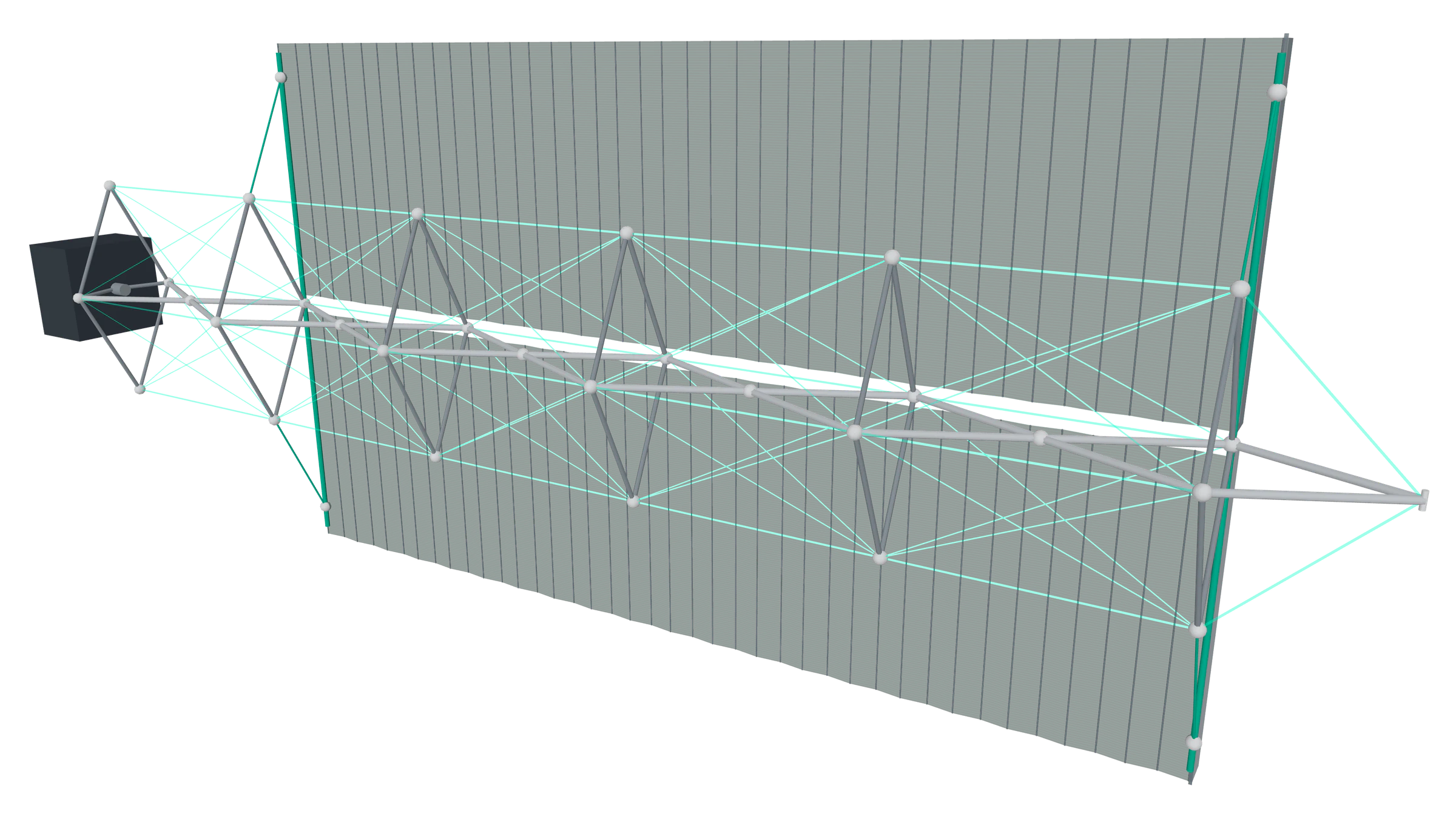
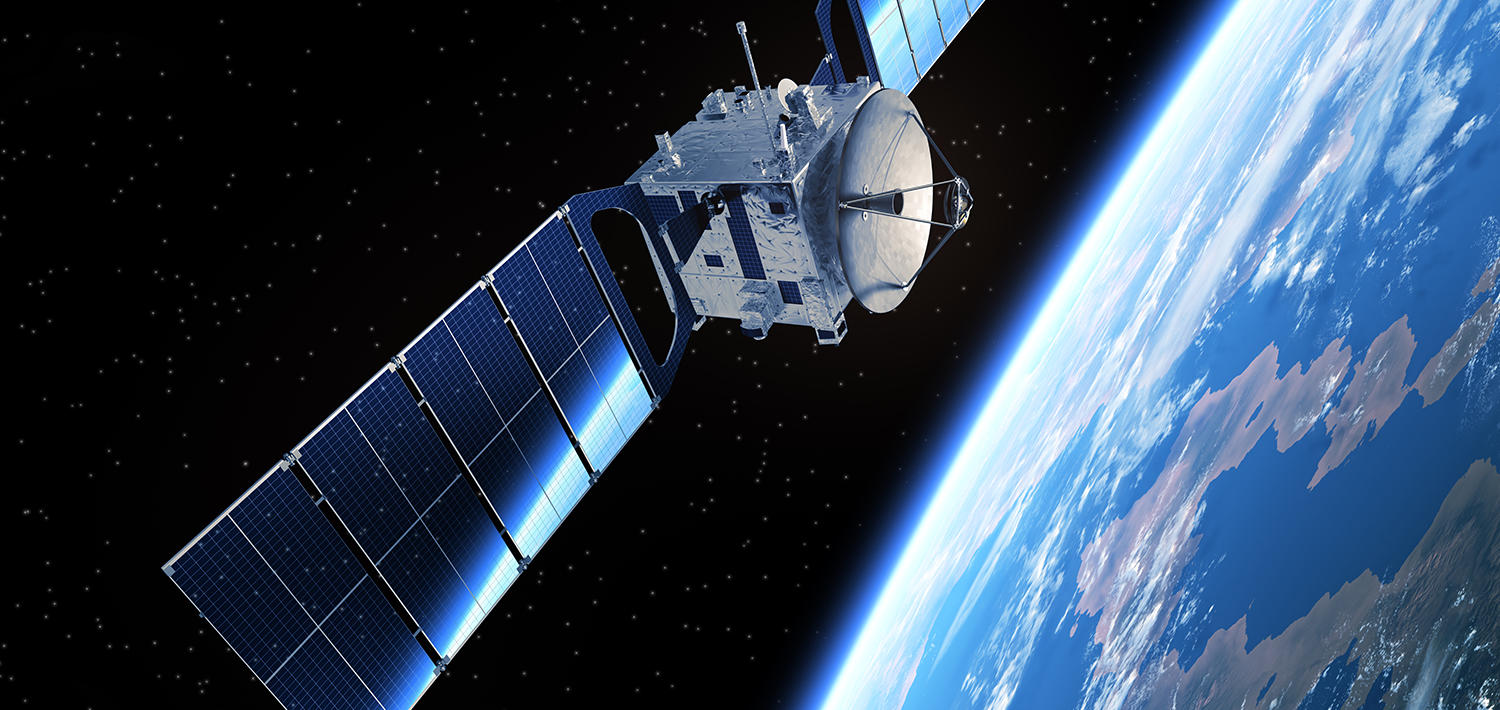
Beyond Reach Labs' product, Flarewing, is a deployable solar array.
According to AlleyWatch, it folds to about the size of a dining table for launch, then unfolds in orbit to roughly the length of a football field. Its configurations deliver up to 200 kW.
The company says that's up to 10 times more power per launch than traditional rigid panels. It is aimed at high-power satellites, commercial space stations, and orbital data centers.
The company cites about 12,000 satellites in orbit today, with roughly 100,000 expected by 2030, and projects demand for 10 gigawatts of space solar power over five years. Its next milestone is ground-qualifying its first unit by the end of 2026.
The founders bring serious credentials. CEO Mitchell Fogelson worked with NASA on artificial gravity space station designs during his PhD. CTO Pele Collins developed parachute systems for SpaceX's Dragon capsule.
During Y Combinator, Fogelson made about 130 investor calls in nine days. That kind of founder story is content too, and most startups never film it.
A dining table that becomes a football field is a story almost anyone can picture. That kind of image is rare in space hardware, and it is worth building a brand around.
Why Build Space Hardware in New York?
Fogelson has clear reasons for choosing New York.
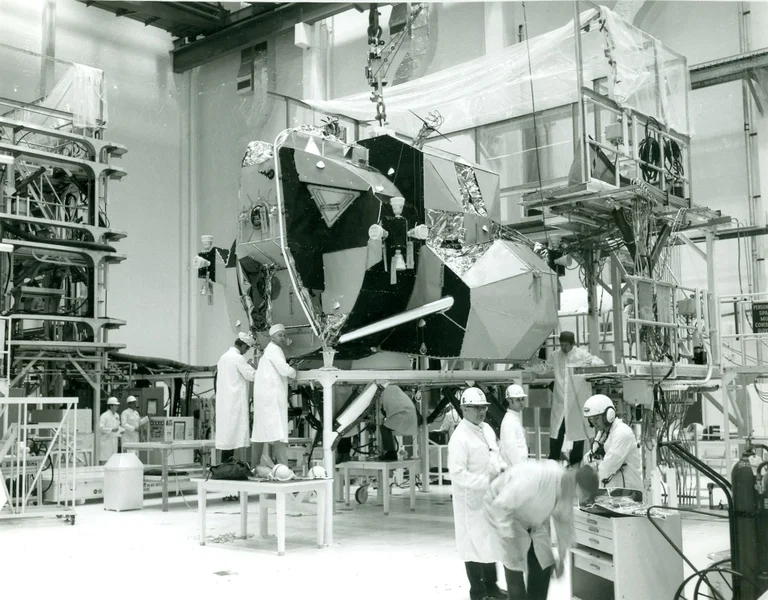
He points to the Northeast's precision machining base, which he calls "the highest per-capita density of precision machining in America." He also points to history: Grumman built the Apollo lunar module on Long Island.
Industry City adds practical benefits, including 50 megawatts of power, oversized freight elevators, heavy floor loads, and easy access for commuting engineers.
These are strong reasons. But investors and engineers will not find them on their own.
The Marketing Problem: A Brooklyn Address Needs a Story
Most investors and engineers associate space with Los Angeles, Texas, and Florida. That is where the launch sites, the big primes, and the famous rocket companies are.
So when a New York space startup pitches, the first question is often unspoken: why here? Your marketing has to answer it before the meeting starts.
If you don't answer it, people fill in the gap themselves.
They may assume you lack access to talent, suppliers, or testing. A Brooklyn address without a story looks like a compromise. A Brooklyn address with a story looks like a strategy.
What Is Space Tech Marketing?

Space tech marketing is the work of explaining space hardware, missions, and manufacturing to investors, satellite operators, government buyers, partners, and future employees. Done well, it relies on real factory and test footage, clear animation of how systems work in orbit, and honest milestones rather than sci-fi visuals.
For hardware that has not flown yet, its main job is building confidence. Buyers need to believe it will work before they see it work.
3 Ways NYC Space Startups Can Turn Location Into an Asset

These three approaches help New York space founders make their city part of their pitch.
1. Show the factory floor
Renderings make space hardware feel distant. A real factory makes it feel real.
Film the machines, the cleanrooms, the test rigs, and the engineers at work. Show raw material becoming finished hardware. Every clip of your factory floor answers the question "can they actually build this?"
Show the city too. A shot of the Brooklyn skyline from your loading dock tells people exactly where this is happening, and that it is happening at scale.
2. Explain the hardware with animation before it flies
Your hardware may not reach orbit for months. Your story cannot wait that long.
A short animation can show a folded array leaving the fairing, unfolding in orbit, and powering a satellite or a data center. It can show scale, deployment, and power output in seconds.
Every animation should be reviewed by your engineers before anything is animated. Satellite operators will notice any detail that does not match reality.
Pair the animation with real test footage as it becomes available: deployment tests, vibration tests, and thermal cycling. Animation explains the idea, and testing proves it.
3. Recruit engineers who didn't know NYC had space jobs
Many aerospace engineers already live in New York. Many others would move here if they knew the jobs existed.
Recruiting videos should show the hardware, the team, and the mission. Let engineers explain what they build and why they chose New York over Los Angeles or Texas. Mention the Grumman legacy too, because engineers like knowing they are part of a long tradition.
Your recruiting content should make one thing obvious: you can build space hardware and still live in New York. Short clips work well on LinkedIn and at university recruiting events across the Northeast.
A Content Plan From Factory to Orbit
NYC space startups can build momentum long before launch:
- Now: An explainer animation of how the system deploys and what it powers
- Every build milestone: Short factory clips showing progress
- Every test: Deployment and environmental test footage with clear captions
- Every hire: Engineer spotlights for recruiting
- Launch: A full story from Brooklyn factory floor to orbit
Each piece builds on the last, so by the time your hardware flies, people already know where it came from.
How NYC Compares to Other Space Hubs
This is the fourth city in our space comparison. See how founders tell their stories in San Francisco, Seattle, and Los Angeles.
Orbital data centers are one of Flarewing's target markets, and we cover how to market them in Data Centers in Orbit. For the wider New York ecosystem, read our guide to deep tech marketing in New York.
Launch Your Story Now
Your hardware won't fly for months, but your story can launch now.
We create explainer animations that show your system working in orbit, and turn factory footage, test milestones, and founder interviews into short-form content that reaches investors, customers, and the engineers you need to hire.
See our work in our case studies, then book a call to see what we would build for your team.

Frequently Asked Questions