Battery Recycling Marketing: How Redwood Materials Turned Waste Into a $6B Story
Quick summary
- Redwood Materials reframed battery recycling as urban mining, shifting the category from waste management into critical minerals.
- It has raised roughly $2.2 billion and was valued above $6 billion after its October 2025 Series E.
- Its marketing runs on physical proof: factory access, published recovery rates, and a consumer drop-off program.
- Founders can copy it by renaming the category, filming the facility, and letting verified numbers do the arguing.
Battery recycling marketing is the practice of positioning material recovery as a supply opportunity rather than a waste service. Redwood Materials is the clearest proof that the approach works.
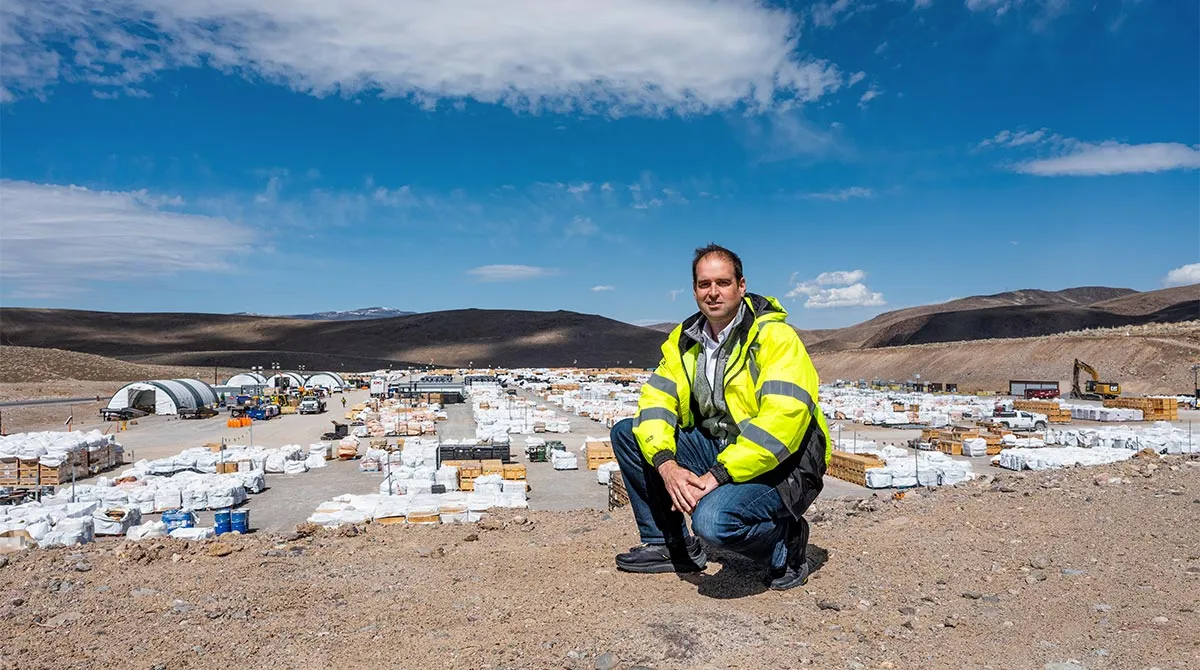
Redwood Materials is a battery recycling and materials company in Carson City, Nevada, founded in 2017 by JB Straubel, who co-founded Tesla and served as its chief technology officer until 2019. Redwood does not sell recycling. It sells urban mining.
That single reframe helped a company built on dead batteries reach a valuation above $6 billion. Here is how the positioning was built, and what climate and deep tech founders can borrow from it.
Who is Redwood Materials?
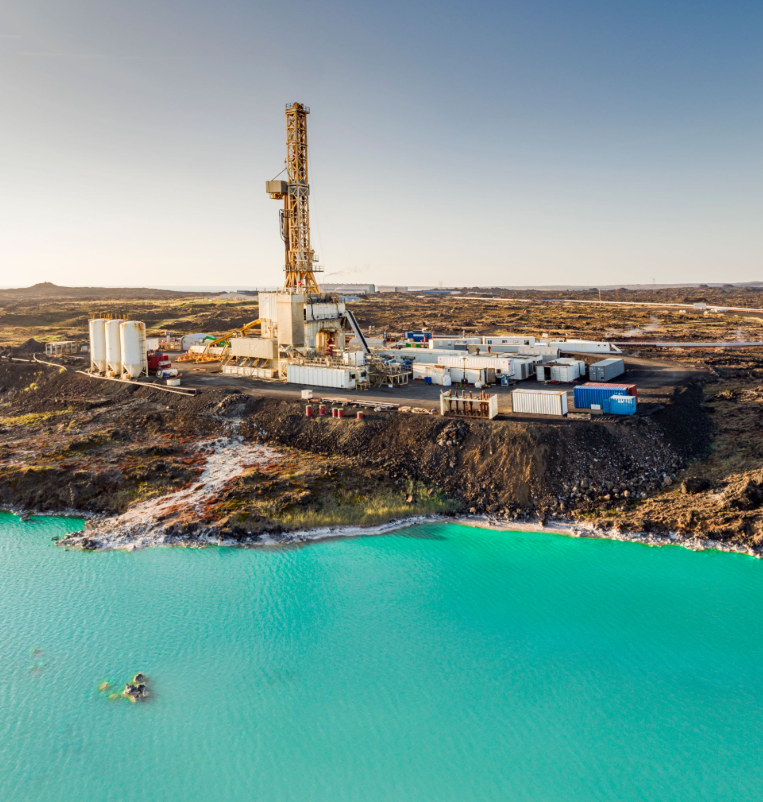
Redwood Materials recovers lithium, nickel, cobalt, and copper from end-of-life batteries and factory scrap, then remanufactures those metals into anode and cathode components for American battery makers. It runs campuses in Nevada and South Carolina.
On paper, leaving the world's most valuable EV company to process scrap looks like a demotion.
In practice, Redwood has raised roughly $2.2 billion. Its October 2025 Series E added $350 million, led by Eclipse with participation from Nvidia's venture arm NVentures, and pushed the valuation above $6 billion. Toyota, Volkswagen, Panasonic, GM, and Lyft are partners, and Fast Company named Redwood one of the world's 50 most innovative companies in 2026.
The chemistry is real. So is the storytelling. Most technical founders build only the first.
What did Redwood change about its marketing?
.webp)
Redwood did not write better ads. It moved the category.
Recycling belongs to the waste industry. The word implies thin margins, municipal contracts, and moral obligation. Urban mining belongs to the critical minerals industry, which in 2026 is a national security conversation with federal money attached.
Same trucks. Same chemistry. A completely different buyer.
Redwood's consumer program manager put the shift in one line: the largest lithium and cobalt deposits in the northern hemisphere are sitting in America's junk drawers.
This is circular economy branding. You are not asking anyone to feel guilty. You are showing them where value already sits.
Why does the urban mining reframe hold up?
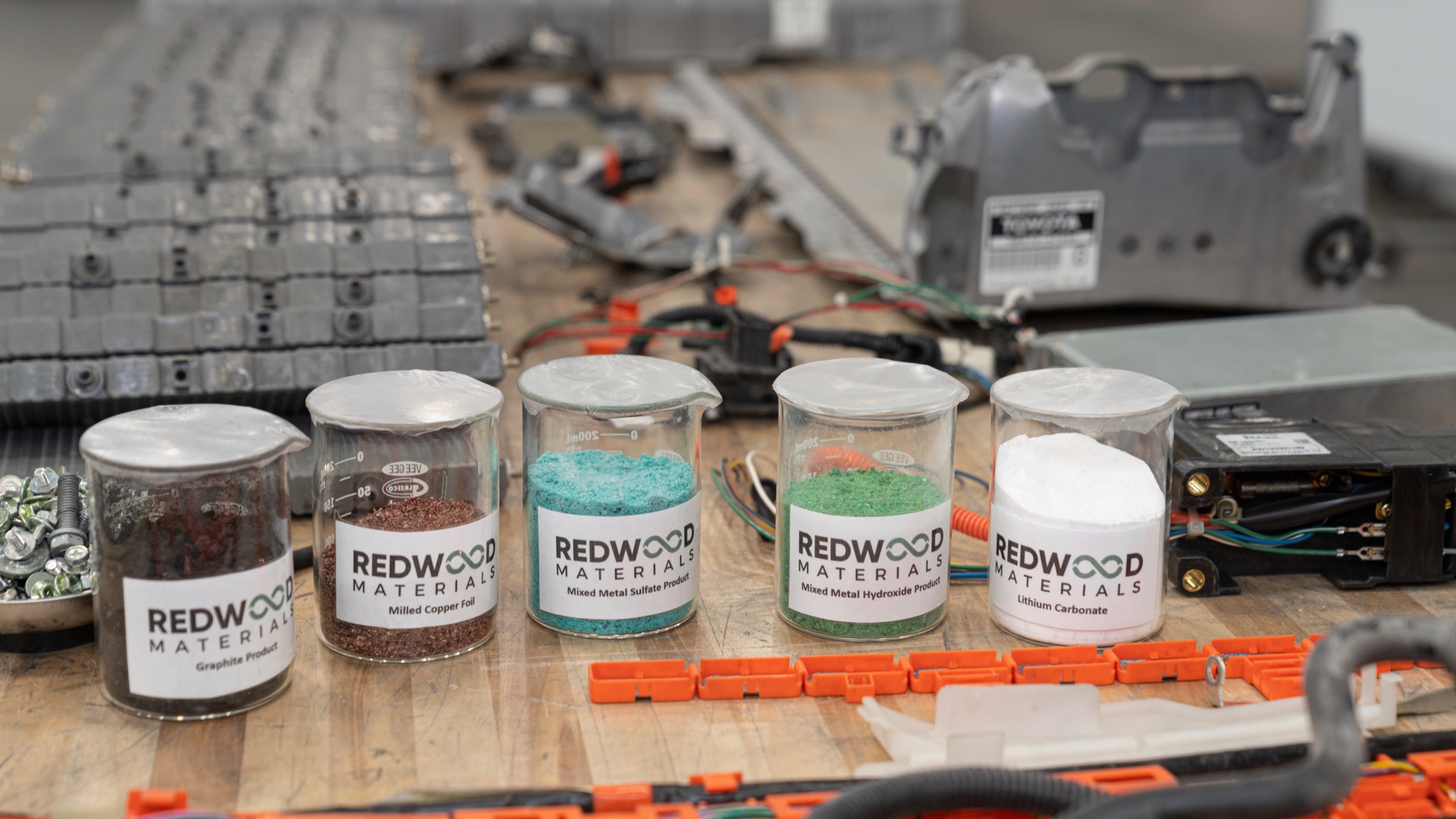
The reframe holds because the production numbers support it. Redwood's hydrometallurgical process recovers more than 95% of critical battery metals, and its Nevada campus produced over 60,000 metric tons of material in a single year. The company says that made it the only domestic source of cobalt.
For comparison, the only operating nickel mine in the US produced 17,000 tons in 2023.
That comparison does the selling. A recycler that out-produces a mine is not a recycler anymore.
Most climate tech companies never reach this line. They claim a better future without receipts, which is how founders get accused of greenwashing. Our guide on how to avoid greenwashing in climate tech marketing covers what to say instead.
How did Redwood turn its facilities into a marketing asset?
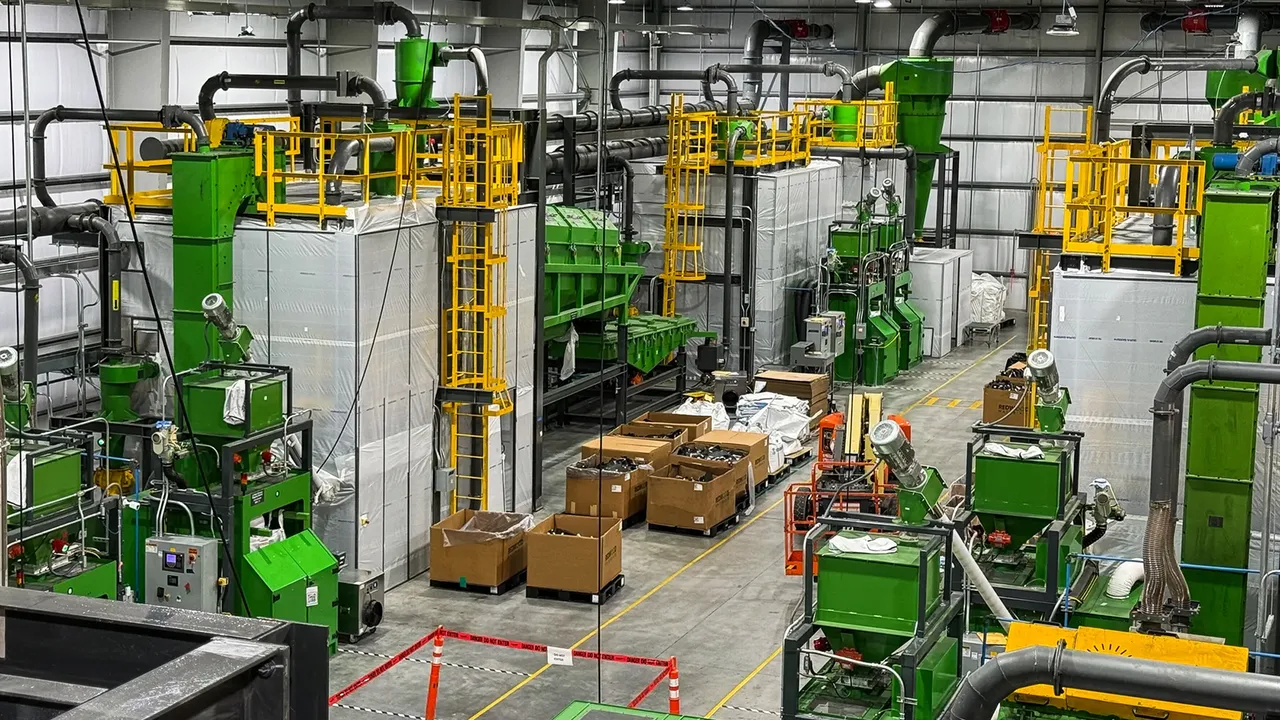
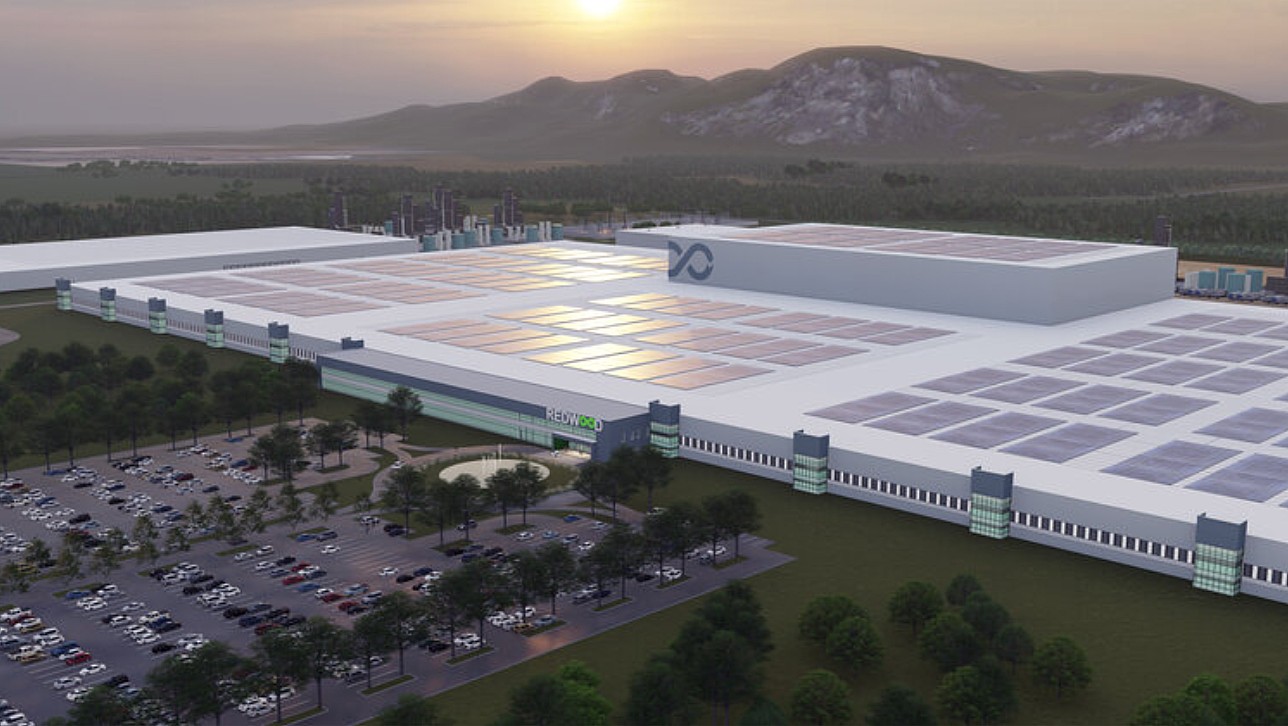
Redwood made the least photogenic part of the supply chain the most visible part of the brand. It began recycling operations at its 600-acre Carolina Campus in Ridgeville, South Carolina in November 2025. At $3.5 billion, it is the largest single economic development project in South Carolina history and will create 1,500 jobs.
That is not just a plant. It is a story about American manufacturing returning, and Redwood tells it that way.
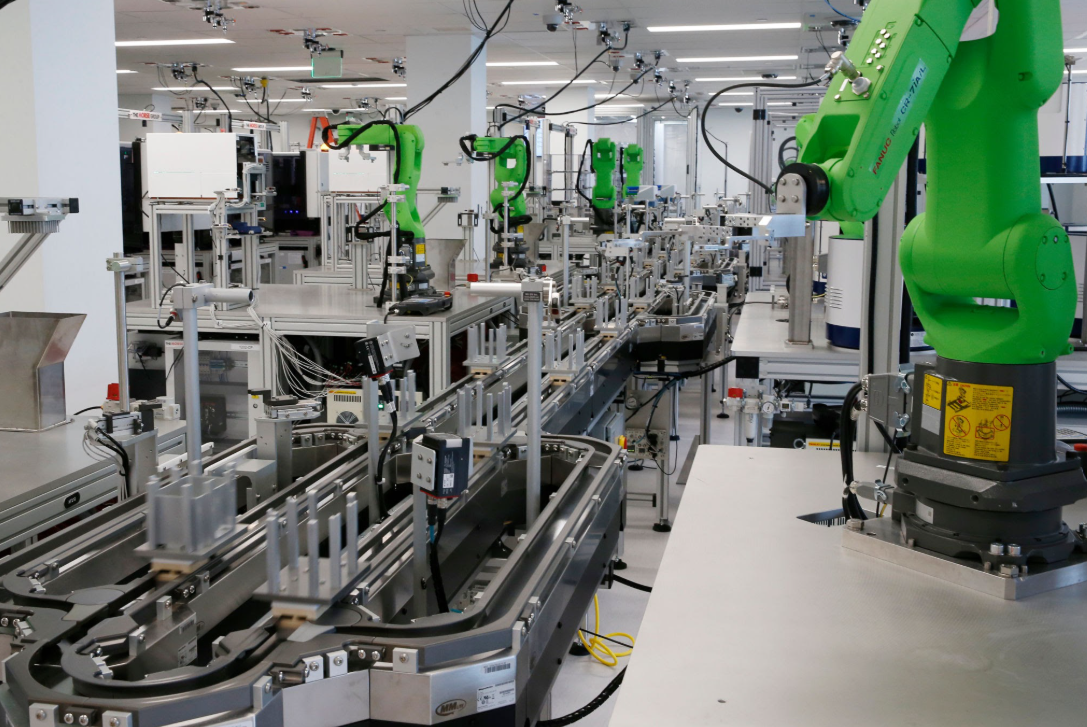
Then there is access. Redwood regularly lets journalists and independent creators inside for full factory tours, and its executives explain the chemistry in plain language on industry podcasts. Straubel has fronted several walkthroughs himself.
Industrial footage converts because it cannot be faked. Pallets of spent batteries feeding a refining line beat any animated explainer for credibility. Form Energy used the same instinct when it made an iron-air battery's rusting process its headline feature, as we covered in our piece on energy storage marketing.
How does a B2B company use consumers as a marketing channel?
%20(1).webp)
Redwood is a business-to-business company that built a consumer front door. It runs a recycle-with-us program taking phones, tablets, power tools, and anything with a lithium-ion battery.
It placed collection bins in Volkswagen and Audi dealerships, and in December 2025 introduced Battery Bin, an automated deposit system aimed at retail sites, schools, and city partners.
Americans discard over 100 million phones a year, and only a small share of consumer electronics is recycled responsibly.
The commercial value of those phones is minor. The brand value is not.
Every person who mails in a drawer of old devices becomes a participant in the story rather than an audience.
The Redwood playbook: four moves any hard tech founder can copy
1. Rename the category before you rewrite the pitch
If your category sounds like a cost, better copy will not fix it. Decide which industry you would rather be measured against, then use its vocabulary across your site, deck, and video.
2. Lead with a comparison, not an adjective
Sustainable means nothing. Producing more nickel than the country's only nickel mine means everything. Find a benchmark your audience respects and measure yourself against it.
3. Film what already exists
Redwood did not build content sets. It opened doors. Your lab, pilot line, and conference talks are the highest-trust content your company will ever have.
4. Give non-buyers a way to participate
Consumers will never buy cathode material. They can still mail you a laptop. Small participation loops build the awareness that makes investor and enterprise conversations easier later.
What does this mean for your content strategy?
Most deep tech founders already own the raw material but have no system to use it.
In our work with climate and health tech founders, the footage almost always exists already: a facility walkthrough on someone's phone, a keynote recording, a demo day pitch, and forty minutes of podcast audio.
The gap is not access. The gap is a repurposing engine. One facility visit can produce dozens of vertical clips, LinkedIn cuts, and YouTube Shorts, as we show in our guide on how to repurpose one video into 15+ content assets.
Redwood proved the ceiling is high even for an unglamorous category, and it got there by showing the work instead of describing it.
Your facility is your best marketing asset
Your lab, pilot plant, and founder talks are already the strongest content your company owns. They need someone who knows how to film and cut them.
At Alluvium Media, we run a footage sweep across your existing facility tours, founder talks, and conference appearances, then turn that raw material into 60 pieces of short-form content per month, optimized for LinkedIn, TikTok, and YouTube Shorts. It is the same approach we outline in our video marketing guide for climate tech startups.
We work only with health tech, wellness, and climate tech founders, so you never explain your chemistry twice.

Frequently Asked Questions